
How Does a CV Joint Work?
Quick Answer: A CV (constant velocity) joint lets your car’s wheels turn and suspension move while still delivering engine power. Inside, six steel balls roll in curved grooves. A cage...
Read More →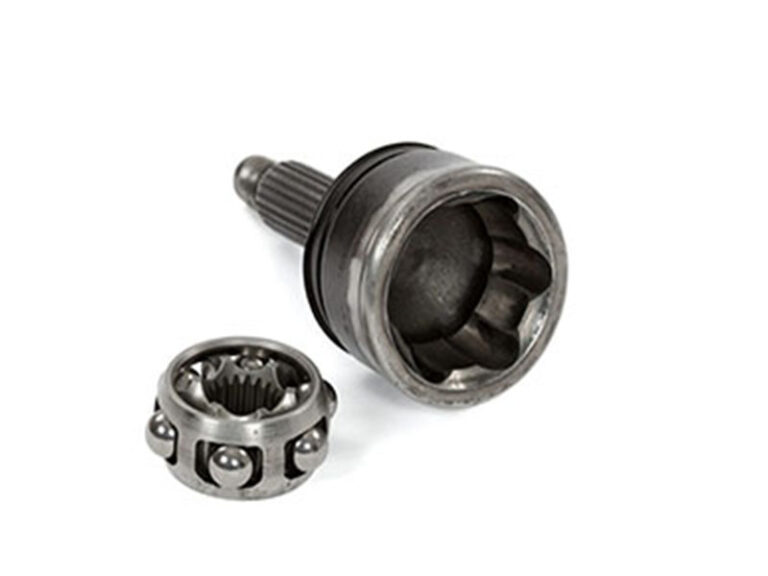
Quick Answer: A CV (constant velocity) joint lets your car’s wheels turn and suspension move while still delivering engine power. Inside, six steel balls roll in curved grooves. A cage...
Read More →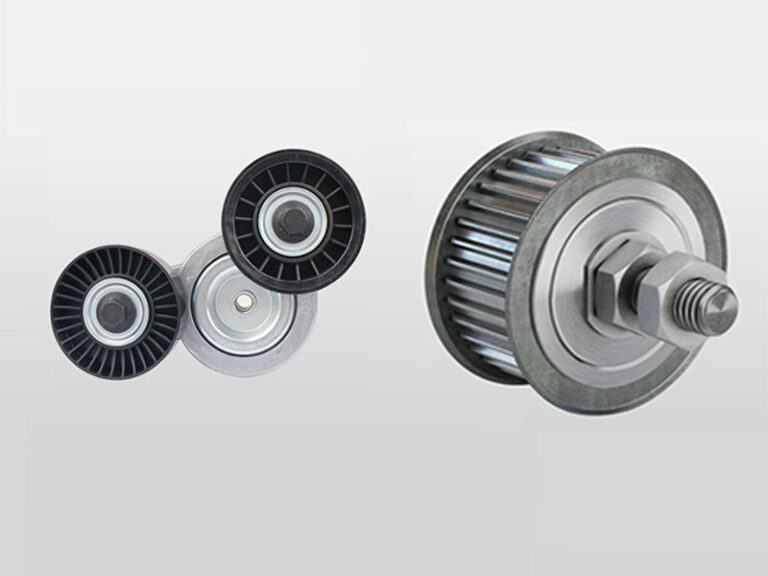
When inspecting an engine drive belt system, two components often cause confusion: the tensioner pulley and the idler pulley. They look similar, they both rotate, and they are typically positioned...
Read More →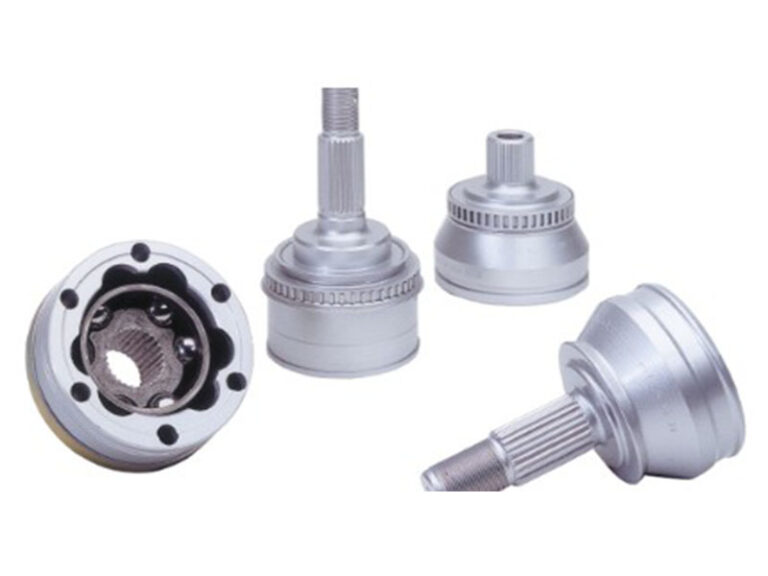
Quick Answer The CV joint is located at both ends of your car’s axle shafts. The inner CV joint sits near the transmission or differential (center of the car). The...
Read More →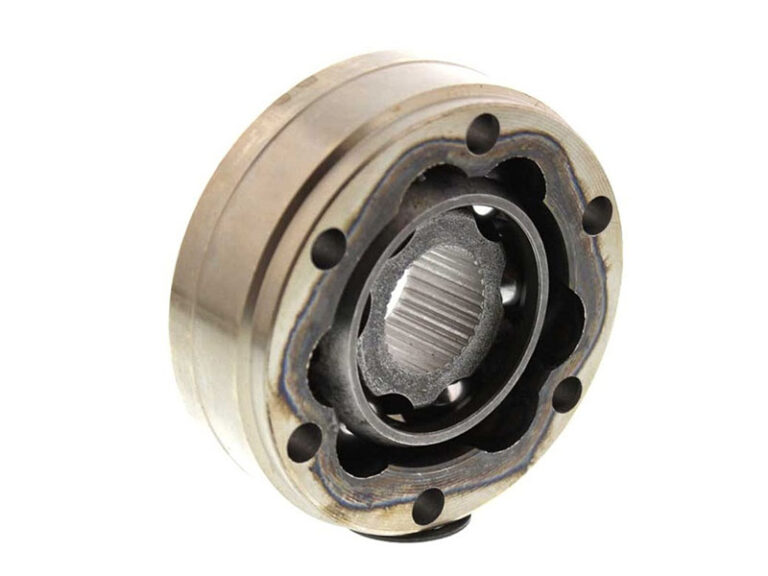
Quick Answer: Based on 2025–2026 U.S. shop rates and parts pricing, replacing one CV axle (the common repair) costs $300–$1,500 per side. An economy car at an independent shop runs...
Read More →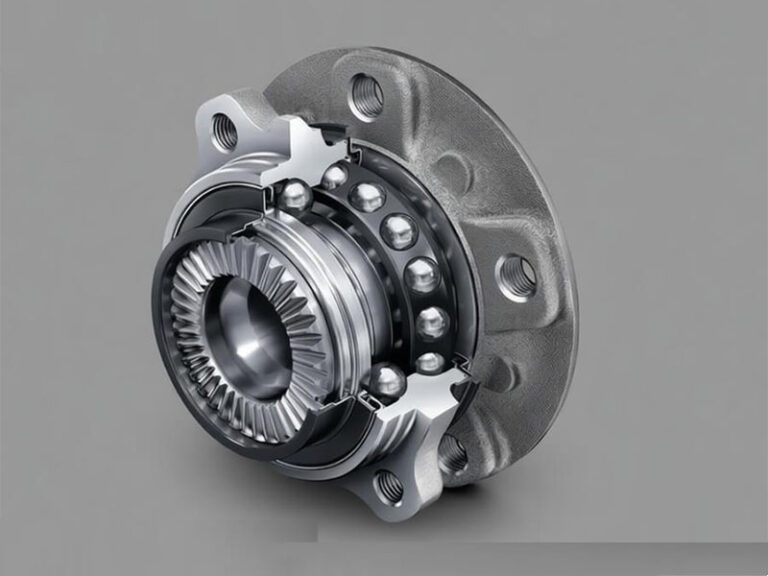
Quick Answer How do you replace a front wheel bearing? Lift the vehicle, remove the wheel and brake caliper, then take off the rotor. For a bolt-on hub, unbolt and...
Read More →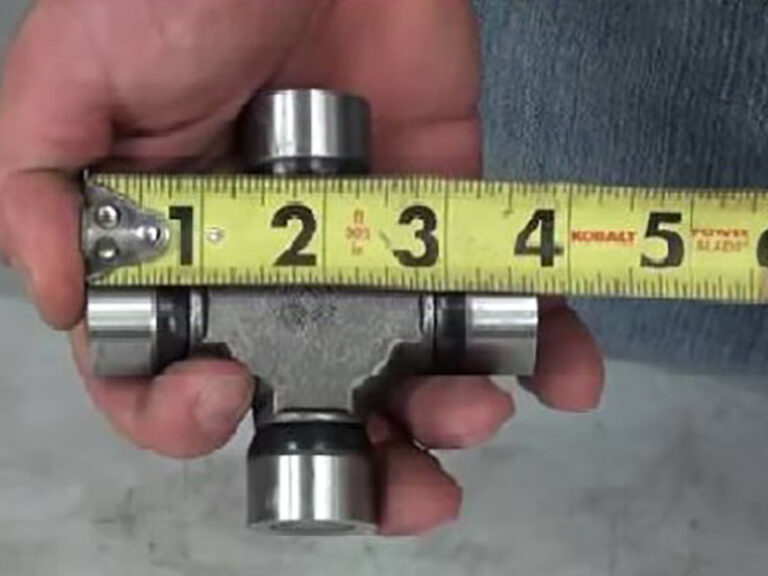
Quick Answer: To measure a U-joint, use a caliper. First, measure the bearing cap diameter. Then check the lock rings. If the rings are on the outside of the caps,...
Read More →