Quick Answer: No single inventor can be reliably named for the ball bearing. Rolling-element ideas are ancient, while recognizable ball-bearing patents appeared in the 18th and 19th centuries. Early 20th-century self-aligning designs and mass production turned the ball bearing into a standard machine component. Different cultures and engineers contributed incremental improvements, and the historical record does not support one verified origin. A patent marks one milestone, not the first use of the idea.
The question sounds simple, but it asks for a single name where the evidence gives a chain of contributions. Ancient rolling elements and patented ball bearings are different things, and the modern bearing emerged from many incremental steps rather than one inventor.
No Single Verified Inventor
The available history does not support one verified inventor for the ball bearing. Multiple cultures and engineers contributed incremental improvements. Ancient rolling elements existed, but a true ball bearing requires races, balls, and often a cage. Recognizable patented ball-bearing designs appear in the 18th and 19th centuries, and modern self-aligning development belongs to the early 20th century.
A patent date is not proof of the first invention. Earlier unrecorded designs may have existed, and a patent may describe only one part of a larger machine.
What Counts as a Ball Bearing?
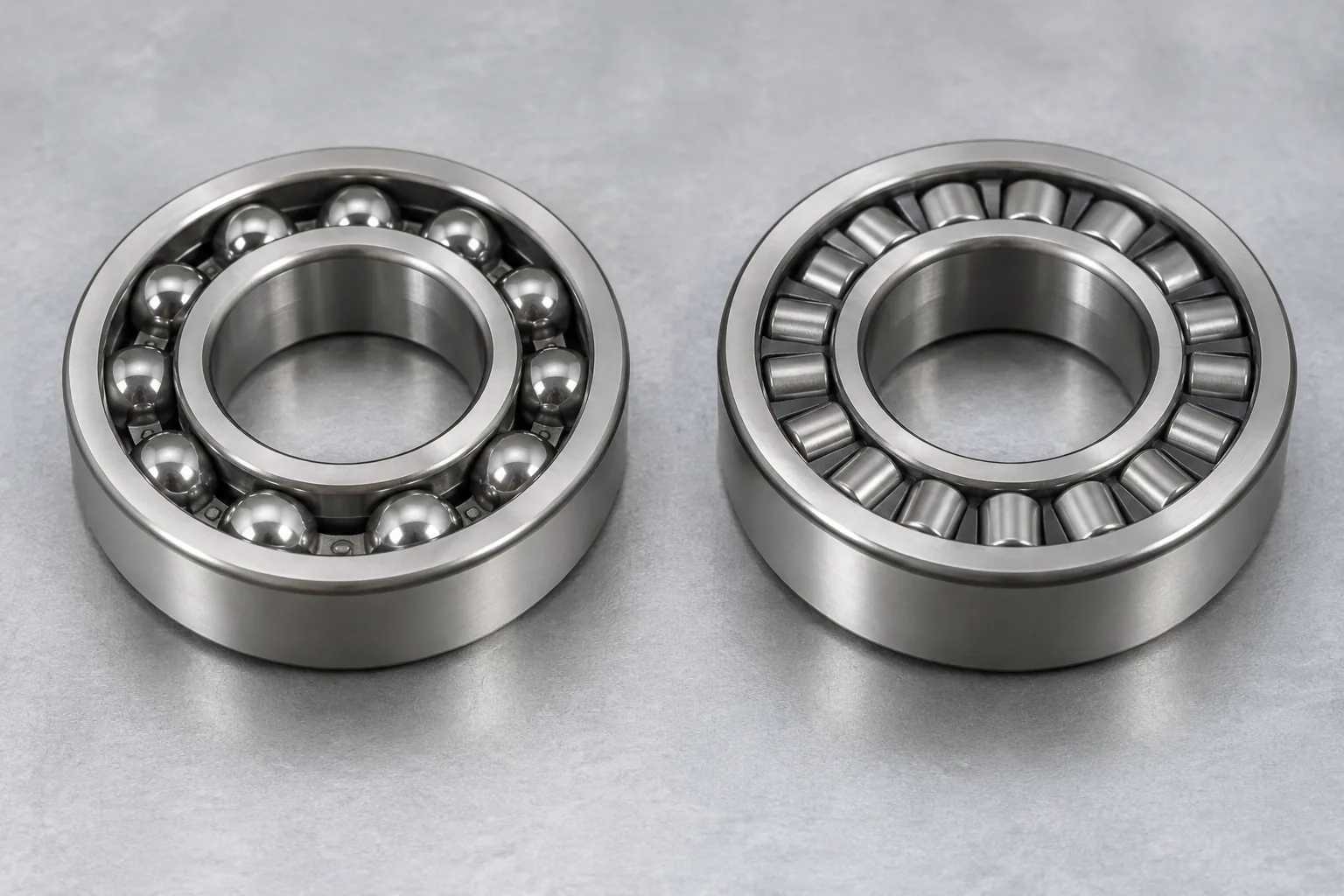
A ball bearing is a rolling bearing that uses balls as rolling elements between an inner ring and an outer ring. The balls travel along raceways, allowing relative rotation while carrying load. A practical assembly usually includes a cage, lubricant, and seals or shields.
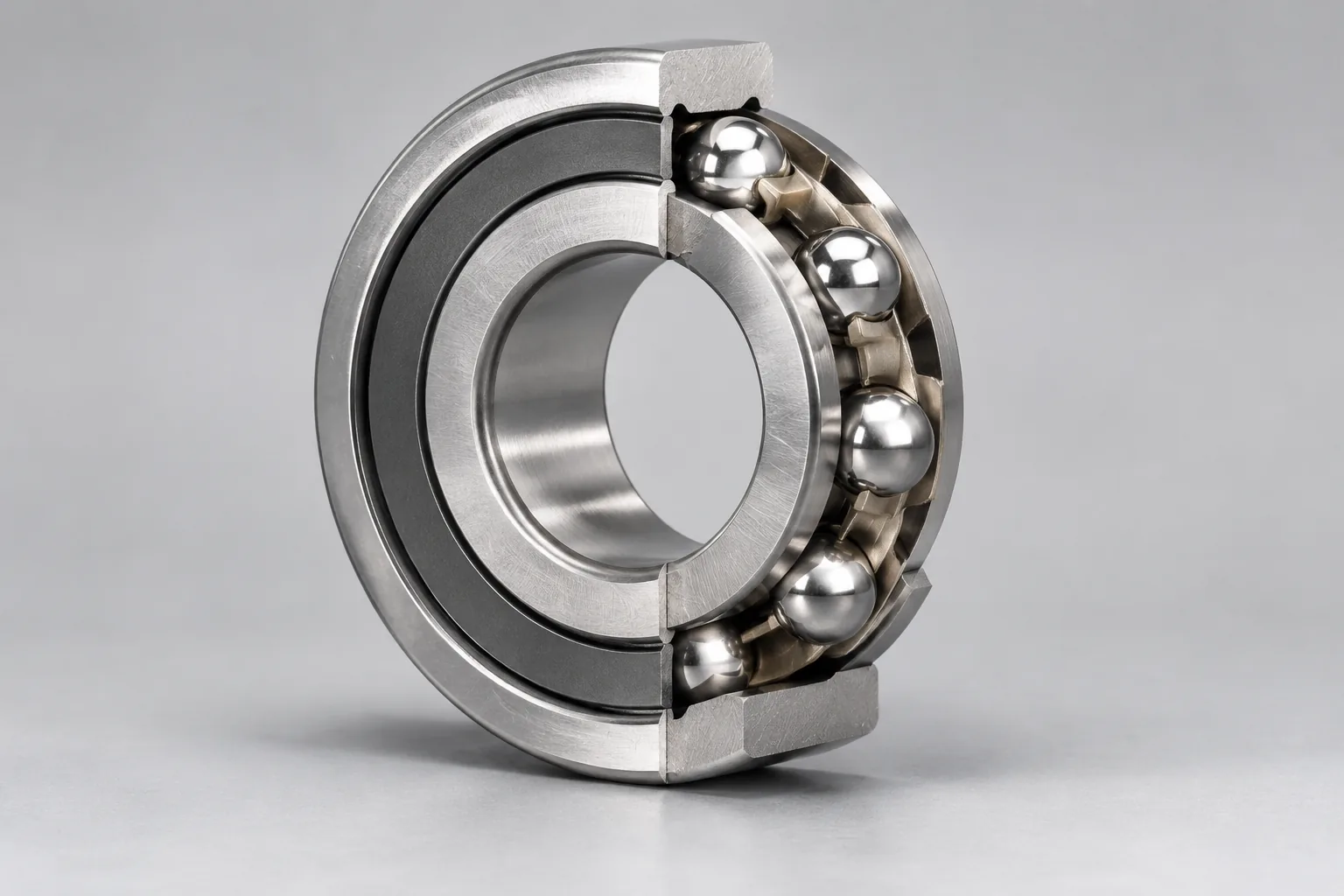
A plain bearing relies on a sliding surface. A roller bearing uses cylindrical, spherical, or tapered rollers instead of balls. Shape alone is not enough to classify an ancient object as a bearing; the object must show a load-bearing function. That definition matters because a ball-like object is not a ball bearing unless it supports a rotating load.
Ancient and Pre-Industrial Rolling Elements
People used rolling logs and balls to reduce friction long before engineered bearings. Possible ancient ball-bearing-like artifacts exist, but interpretation is debated. Some finds may have had ritual, transport, or other uses. No single ancient inventor can be named from direct evidence.
The principle is old; the engineered assembly is newer. Ancient rolling practice connects to later ball bearings through the same goal: replace sliding friction with rolling motion.
Early Patents and Industrial-Era Designs
Patents in the 18th and 19th centuries moved ball bearings toward practical machine components. Carriage axles and machinery were common early contexts, and bicycles later created demand for low-friction components. Commonly cited milestones include late-18th-century carriage-axle patents and 19th-century bicycle and machinery applications, but patent terminology and national records vary.
Early patents were often incremental and jurisdiction-specific. A patent title alone does not prove what was actually built, sold, or used in service.
The Modern Ball Bearing and Industrial Advances
Early 20th-century advances in self-aligning ball bearings and mass production were important. Self-aligning designs tolerated shaft misalignment, while improved steel, cages, lubrication, and manufacturing precision made ball bearings more reliable and interchangeable.
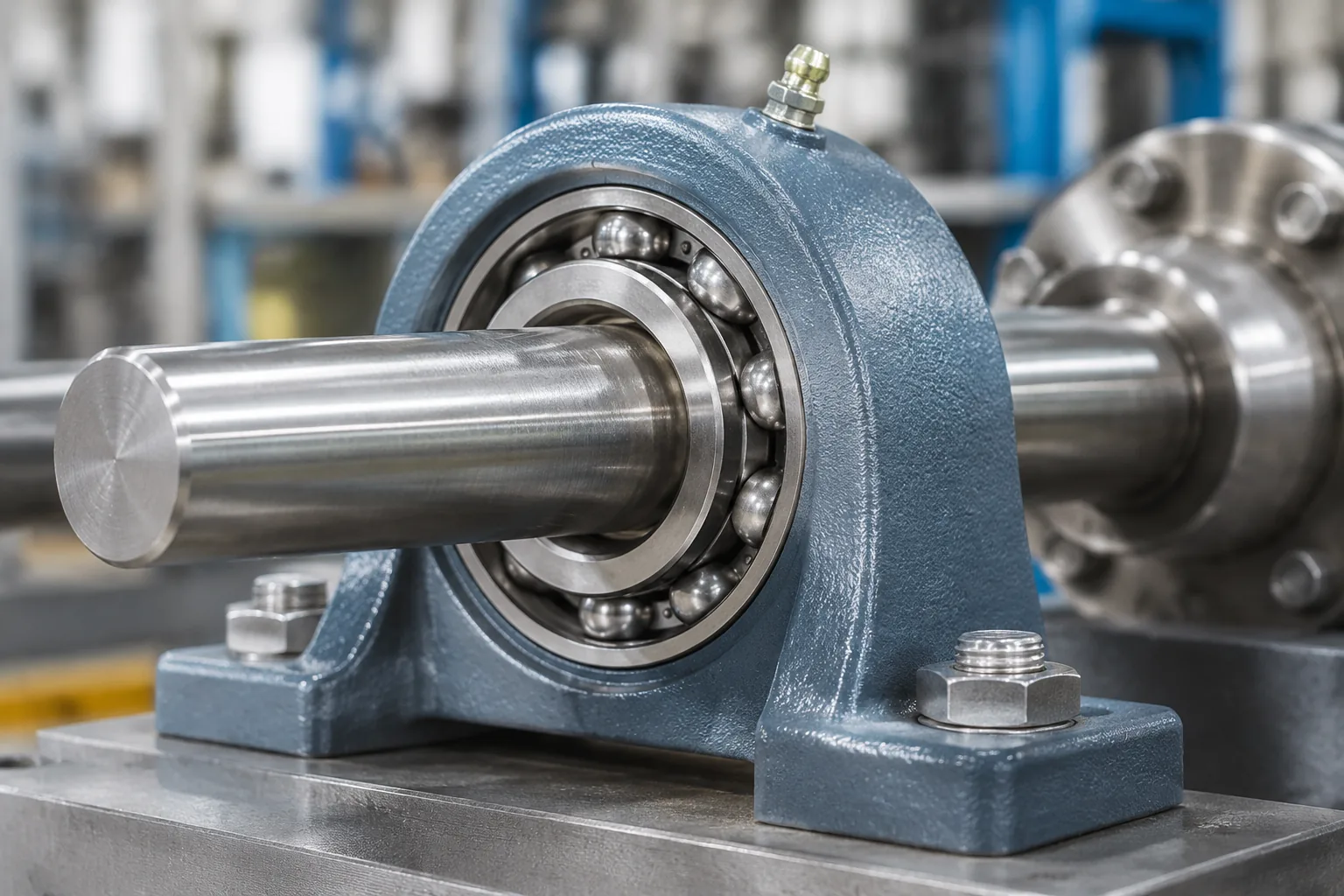
Some company histories credit a single engineer or firm with an early self-aligning design. Those accounts describe one milestone, not the whole invention. No one person or company invented all ball bearings.
Timeline of Ball Bearing Development
The timeline below uses broad periods because exact firsts are disputed. It reinforces the no-single-inventor conclusion rather than naming one starting point.
Ancient Rolling Elements
Rolling logs and balls reduced friction before modern bearings. Possible ancient bearing-like finds require cautious interpretation because load-bearing use is hard to prove.
18th-19th Century Patents
Patents for carriage axles and machinery mark early engineered ball-bearing designs. Industrial growth increased demand for replaceable, low-friction components. The exact first patent is disputed because records differ by country.
Early 20th Century Self-Aligning Bearing
Self-aligning ball bearings improved tolerance to shaft misalignment. Mass production helped ball bearings become standard machine components.
Standardization and Mass Production
Standard sizes, materials, and manufacturing precision expanded ball bearing use. Modern bearing history is industrial and collaborative, not attributable to one inventor.
Why the Question Is Complicated
- Invention is incremental and often unrecorded. Many small improvements are lost to history.
- Patents do not always represent first use. A patent can document a claim, not the earliest practice.
- Ancient artifacts are hard to classify without clear load-bearing evidence.
- Different countries and industries contributed separate advances. Carriage building, machinery, bicycles, and early manufacturing each played a role.
A single inventor claim should not be presented as settled without strong evidence. The safer conclusion is a chain of contributions.
Practical Takeaway: What History Explains About Modern Ball Bearings
The historical evolution explains why modern ball bearings use raceways, balls, cages, and lubrication. Load, speed, alignment, and contamination concerns are rooted in the same friction-reduction problem. A ball bearing is a system, not just a ball.
When a bearing runs hot, noisy, or vibrates, inspect the bearing, lubricant, seals, shields, and mounting conditions before assuming one cause. Symptoms indicate a need for diagnosis; they do not prove one failed part.
Conclusion
The ball bearing has no single verified inventor. Its history runs from ancient rolling elements to 18th- and 19th-century patents, then to early 20th-century self-aligning designs and mass production. The useful takeaway is that the modern ball bearing is a system of rings, balls, cage, lubrication, and sealing, shaped by many incremental advances. When the history is uncertain, the safe conclusion is not a single name but a chain of contributions.
FAQs
Q1: Who invented the ball bearing?
A: No single inventor can be reliably named. The ball bearing developed through ancient rolling-element ideas, 18th- and 19th-century patents, and early 20th-century self-aligning designs and mass production. A patent is one milestone, not proof of the first invention.
Q2: When was the ball bearing invented?
A: There is no single verified date. Rolling-element ideas are ancient, practical patented designs appeared in the 18th and 19th centuries, and self-aligning designs and mass production matured in the early 20th century. The exact first use is unknown.
Q3: Was the ball bearing invented in ancient times?
A: Ancient people used rolling elements to reduce friction, but an engineered ball bearing with races, balls, and often a cage is a later development. Some ancient ball-like finds are debated because load-bearing use is difficult to prove.
Q4: Who patented the first ball bearing?
A: No single first patent is universally accepted. Late-18th-century carriage-axle patents are commonly cited, but patent records differ by country and a patent title does not prove the earliest use. The first patent claim should be treated as disputed.
Q5: Did one company invent the ball bearing?
A: No. Companies contributed important commercial designs and manufacturing advances, but the ball bearing developed through many separate contributions. A single firm’s history describes one milestone, not the whole invention.
Q6: What is the difference between a ball bearing and a roller bearing?
A: A ball bearing uses balls as rolling elements. A roller bearing uses cylindrical, spherical, or tapered rollers. The rolling element shape changes load capacity, stiffness, and application, so the two types are not freely interchangeable.
Q7: Is there a single country of origin for the ball bearing?
A: No single country of origin is supported by the evidence. Rolling-element use and patented designs appeared in multiple countries, and carriage building, machinery, bicycles, and early manufacturing each contributed advances.