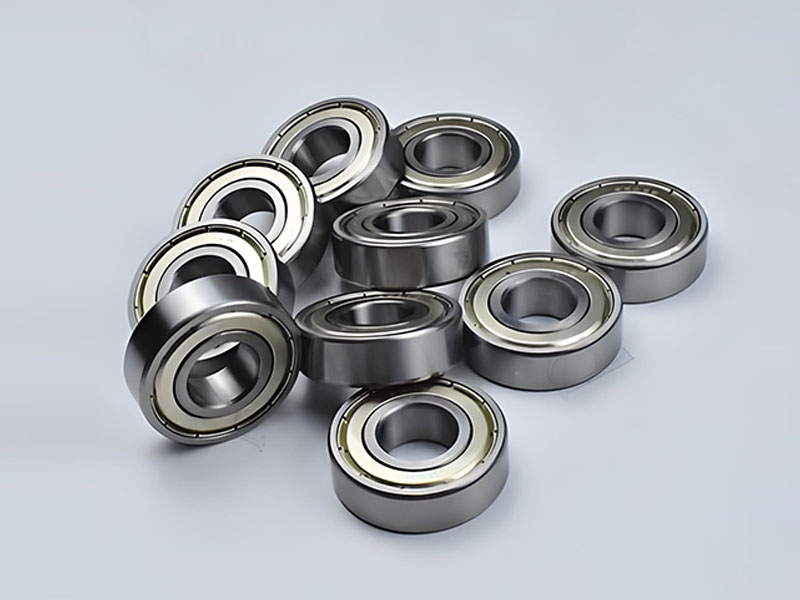
Quick Answer: Tesla Model wheel bearing replacement is usually a hub or hub assembly replacement, not a press-in bearing service. The correct part, torque values, and one-time fasteners depend on the model, year, drive layout, and axle corner. Tone ring inspection, lubrication limits, EPB service mode, hand-tool rules, and a post-repair alignment decision are part of the documented procedure. Those details determine whether the job is safe and repeatable.
A wheel-end noise on a Tesla can point to the hub bearing, but Tesla Model wheel bearing replacement is not a generic bearing job. The service information is organized by model, year, drive layout, and corner, and the fastener schedule changes with those identifiers. The sections below explain what the replacement covers, which values apply to each configuration, and which checks must happen before the vehicle returns to service.
Why Tesla Wheel Bearing Replacement Usually Means a Hub Assembly
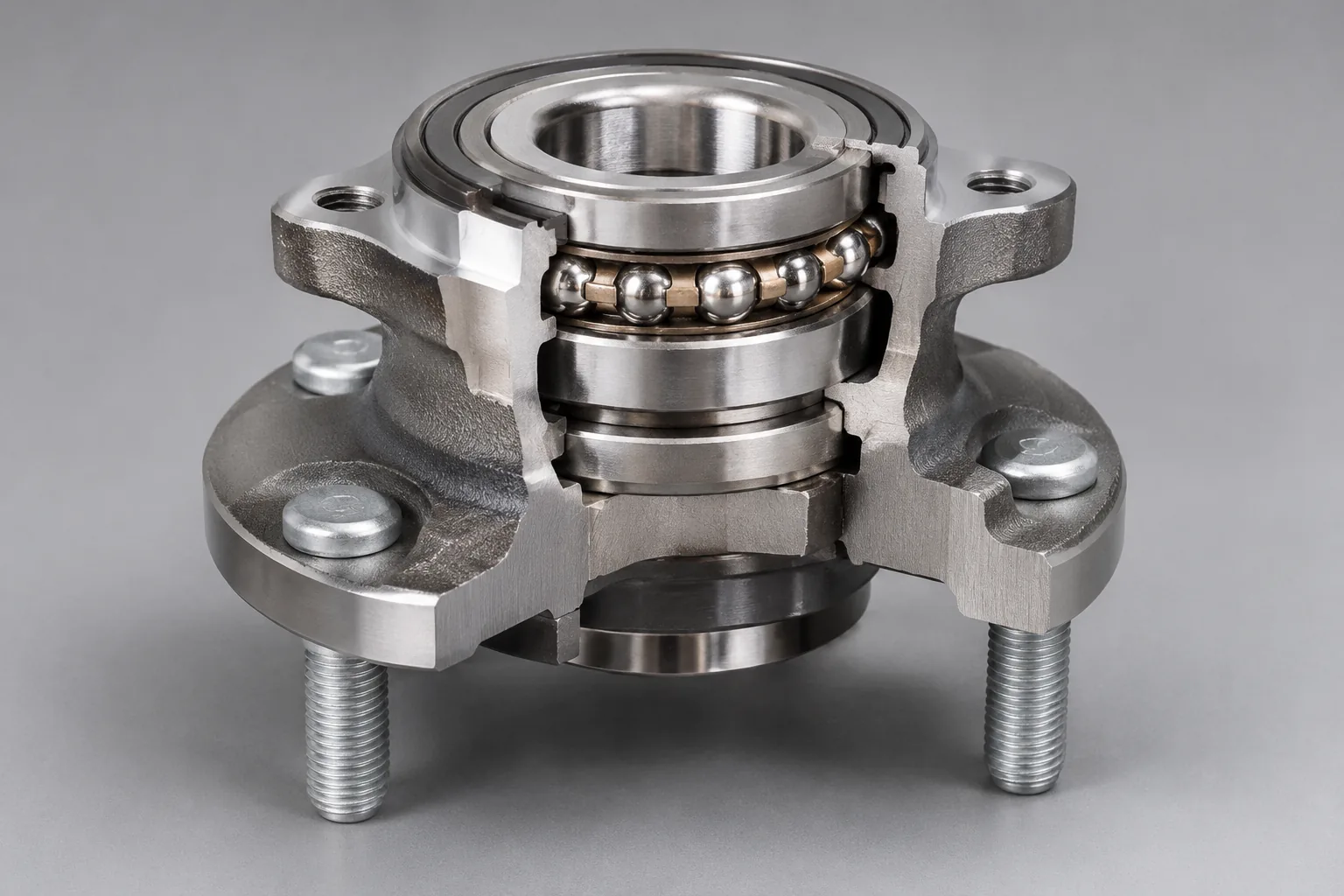
In Tesla service information, the repair is listed as a hub or hub assembly removal and replacement. The procedure is not written as pressing a separate bearing into the steering knuckle.
The naming shows the pattern:
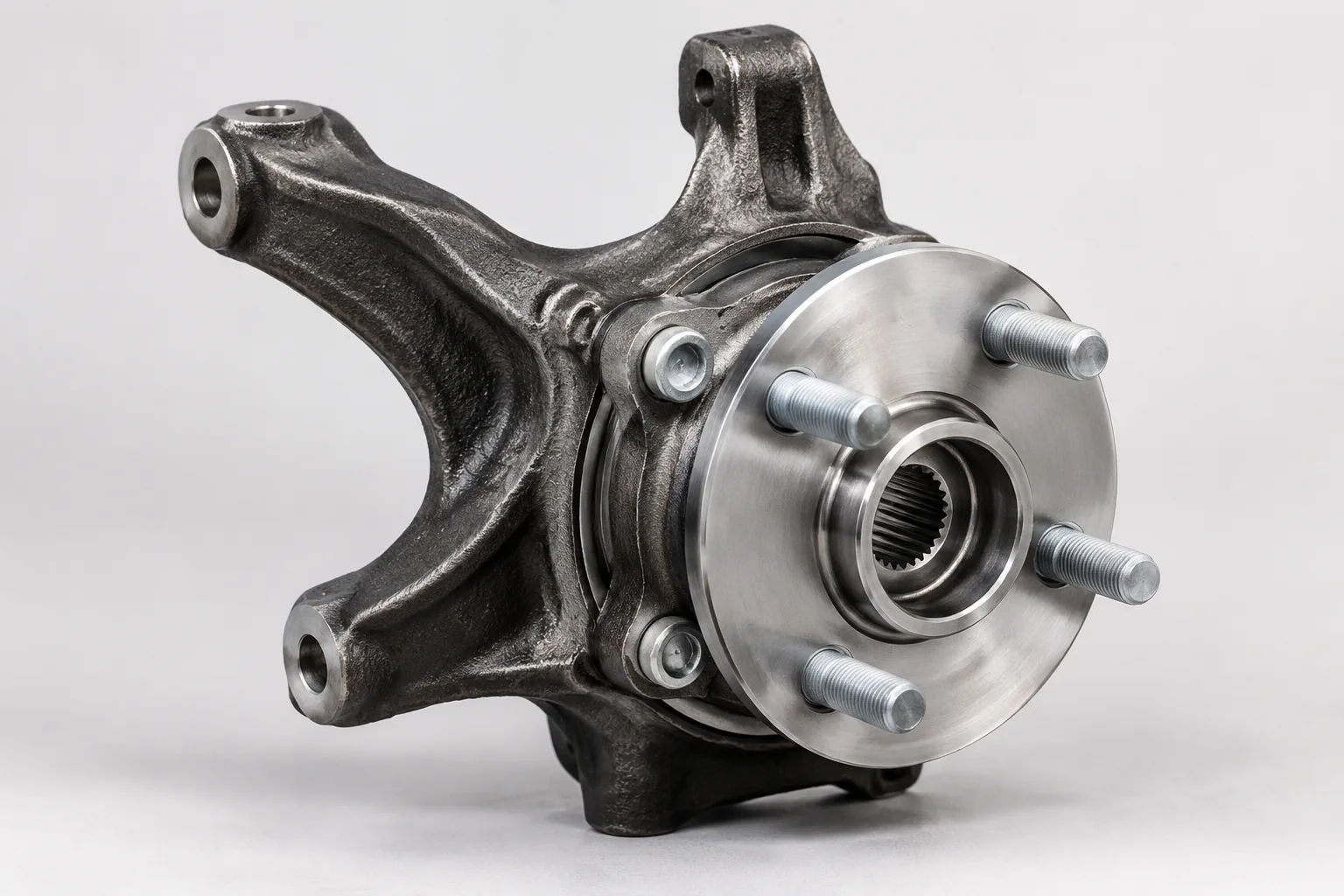
- 2017-2023 Model 3: Hub – Front – LH (RWD) (Remove and Replace).
- 2024+ Model 3: Hub Assembly – Front – LH (Dual Motor).
- 2020-2024 Model Y: the rear hub and bearing assembly is attached to the rear knuckle.
For buyers, the practical result is simple: order the correct assembly for the specific model, year, drive layout, and axle position. Do not assume a generic press-in bearing fits. Confirm the exact part required for the VIN and corner before ordering.
First Step: Confirm Model, Year, Drive Layout, and Fault Location
Four identifiers must be established before any part or torque value is applied:
- Model: Model 3 or Model Y.
- Production year range: the early or later version of the model.
- Drive layout: RWD or Dual Motor/AWD.
- Affected corner: front or rear, left or right.
Tesla publishes separate hub procedures and fastener requirements for RWD and Dual Motor versions of the same model. A torque value or part number from one version cannot be transferred to the other without checking the matching service document.
Official flat rate times (FRT) also differ by configuration, which reflects the different work content:
- 2017-2023 Model 3 RWD front LH hub: FRT 0.30.
- 2024+ Model 3 Dual Motor front LH hub assembly: FRT 0.36.
- 2020-2024 Model Y rear LH hub: FRT 0.48.
Tesla’s 2019 suspension-repair tech note states that all suspension-component fasteners must be replaced. The current 2024+ Model 3 and 2020-2024 Model Y hub procedures list the hub-to-knuckle bolts as reusable. Confirm the latest VIN-specific instruction before deciding.
Tesla Model 3 Front Hub: Documented Torque Values and Tools
For the 2017-2023 Model 3 RWD front hub, Tesla documents the following fastener values.
| Fastener | Value | Note |
|---|---|---|
| Hub-to-knuckle bolts | 85 Nm / 62.7 lb-ft | Use the value for this procedure. |
| Front brake caliper-to-knuckle bolts | 94 Nm / 69.3 lb-ft | New bolts required after removal. |
| Brake disc retaining bolt | 5 Nm / 3.7 lb-ft | Use the specified value. |
Official recommended tools include an 18 mm socket, an External Torx E18, a 10 mm socket, and an S-hook for suspending the caliper.
2024+ Model 3 Dual Motor Front Hub: Halfshaft, One-Time Nut, and Special Tools
The 2024+ Model 3 Dual Motor front hub assembly procedure differs from the earlier RWD version because the front drive unit halfshaft must be handled.
| Item | Value or tool | Requirement |
|---|---|---|
| Halfshaft nut | 300 Nm / 221.2 lb-ft | Must be replaced. |
| Hub/bearing-to-knuckle bolts | 85 Nm / 62.7 lb-ft | Current hub procedure lists these as reusable; the 2019 Tesla suspension-repair tech note requires replacement of suspension fasteners. |
| Hydraulic hub puller | 1096075-00-A | Used to separate the halfshaft from the hub. |
| Magnetic field viewing card | 1062500-00-A | Used to check the hub tone ring for damage. |
The hub tone ring is the ABS-related magnetic encoder ring. Inspect it during installation. If damage is evident, replace the hub rather than reusing it.
Model Y Rear Hub and Bearing: EPB Service Mode and Fastener Schedule
The 2020-2024 Model Y rear hub and bearing procedure involves the electronic parking brake and the rear halfshaft. Before disassembly, Tesla requires enabling EPB Service Mode.
| Fastener | Value | Requirement |
|---|---|---|
| Rear halfshaft nut | 300 Nm / 221.2 lb-ft | Must be replaced. |
| Rear hub and bearing to rear knuckle bolts | 85 Nm / 62.7 lb-ft | Current hub procedure lists these as reusable; the 2019 Tesla suspension-repair tech note requires replacement of suspension fasteners. |
| Rear brake caliper bolts | 83 Nm / 61.2 lb-ft | Must be replaced. |
| Brake disc bolt | 5 Nm / 3.7 lb-ft | Use the specified value. |
Lubrication Limits, Tone Ring Inspection, and Tool Restrictions
The Model Y rear procedure limits lubrication to a specific location. Apply about 1 gram of the specified Molykote M-77 lubricant paste on the outer face of the halfshaft hub contact area.
Do not apply lubricant to the halfshaft splines. Grease on the splines can prevent the hub from seating fully and can cause contamination.
Before assembly, inspect the magnetic tone ring on the hub. Model Y rear documentation states that if the tone ring is damaged, the hub should be replaced.
Fastener work must be done with hand tools. Tesla instructs against impact or power tools and requires 6-point sockets rather than 12-point or special sockets.
Wheel Nut Specification Example and Why It Is Model-Specific
A concrete example shows why the exact model and year matter. For the 2024+ Model 3, the wheel nut torque is 175 Nm / 129 lb-ft with a 21 mm socket.
That value applies only to the Model 3 version documented. Do not apply it to another Tesla model or model year without verification. Use the torque figure published for the exact model, year, and axle being serviced.
Alignment Check and Collision-Related Steering Inspection After Replacement
After hub replacement, Tesla’s Model 3 and Model Y procedures require consulting the Alignment Requirement table. The table determines whether an EPAS alignment check or a four-wheel alignment check is needed. Do not assume the check is unnecessary.
If the hub repair originates from a collision, the Model 3 front hub procedure directs technicians to the Collision Repair Manual. That check confirms whether the steering gear must also be replaced.
Parts, Warranty Boundaries, and What Buyers Should Verify
Tesla’s stated position favors Tesla-approved parts. Tesla Approved Collision Centers (TACC) and Tesla Approved Body Shops (TABS) must follow Tesla requirements for parts, fasteners, and equipment.
Tesla states that third-party, used, or salvaged parts are not covered by Tesla warranty and may affect warranty on related components. That wording is especially relevant to collision repair.
Tesla US lists a basic vehicle limited warranty of 4 years or 50,000 miles. Parts purchased directly from Tesla, or installed by Tesla Service or a Tesla Collision Center, are covered by the Tesla Parts, Body and Paint Repair Limited Warranty, typically 12 months or 12,500 miles, whichever comes first.
Whether a bearing failure is covered depends on the specific vehicle warranty terms, the cause of failure, and time or mileage. Verify coverage rather than assuming it.
Conclusion
Tesla Model wheel bearing replacement is a hub or hub assembly job matched to the model, year, drive layout, and corner. Torque values and one-time fasteners are version-specific; tone ring inspection, lubrication limits, EPB service mode, hand-tool restrictions, and the post-replacement alignment decision are documented requirements.
The safe next step is to confirm the correct procedure for the exact vehicle configuration, then obtain the matching part and fastener set before work begins.
FAQs
Q1: Does Tesla replace just the wheel bearing or the whole hub?
A: Tesla service information lists the work as hub or hub assembly removal and replacement for the covered Model 3 and Model Y procedures, so the usual service unit is the assembly rather than a separate bearing pressed into the knuckle. Confirm the exact assembly for your VIN, year, drive layout, and corner before ordering.
Q2: Can I use a torque value from one Tesla Model 3 version on another?
A: Do not assume it transfers. Tesla publishes separate procedures and fastener requirements for RWD and Dual Motor versions, and the 2017-2023 front hub values differ in scope from the 2024+ Dual Motor front hub assembly values. Use the value tied to the exact model, year, drive layout, and axle position.
Q3: Why does the 2024+ Model 3 front hub job need a new halfshaft nut?
A: Tesla marks the 2024+ Model 3 Dual Motor front halfshaft nut as one-time use and specifies 300 Nm / 221.2 lb-ft for installation. The hub-to-knuckle bolts are listed at 85 Nm / 62.7 lb-ft and may be reused under the current hub procedure, but a 2019 Tesla suspension-repair tech note states that all suspension-component fasteners must be replaced; verify the latest VIN-specific instruction. The halfshaft must be separated with the specified hydraulic hub puller.
Q4: Why must EPB Service Mode be enabled before Model Y rear hub work?
A: Tesla requires EPB Service Mode before disassembly on the 2020-2024 Model Y rear hub and bearing procedure because the electronic parking brake is part of the rear brake system being disturbed. Skipping it is outside the documented service sequence.
Q5: Can I grease the halfshaft splines to make hub installation easier?
A: No. Tesla permits about 1 gram of the specified Molykote M-77 lubricant paste on the outer face of the halfshaft hub contact area, but expressly prohibits lubricant on the halfshaft splines. Grease on the splines can prevent full hub seating and cause contamination.
Q6: Is an alignment check needed after Tesla hub replacement?
A: Do not assume it is unnecessary. Tesla requires consulting the Alignment Requirement table to decide between an EPAS alignment check and a four-wheel alignment check. A collision-origin repair also calls for checking the Collision Repair Manual for steering gear replacement.
Q7: Are Tesla wheel bearings covered by warranty?
A: Coverage depends on the vehicle warranty terms, the cause of failure, and time or mileage. Tesla US lists a basic vehicle limited warranty of 4 years or 50,000 miles, and parts purchased from Tesla or installed by Tesla Service or a Tesla Collision Center typically carry a 12-month or 12,500-mile parts warranty, whichever comes first. Third-party, used, or salvaged parts are not covered by Tesla warranty and may affect related component coverage.