Wheel hub assembly is a critical safety component that connects the wheels to the suspension while allowing smooth rotation. It also houses the wheel speed sensor for ABS and traction control. When this assembly begins to fail, it compromises handling, safety, and ride comfort. Understanding the causes of failure, recognizing early symptoms, and knowing how to inspect and replace the hub assembly can save you from costly repairs and dangerous situations.
Common Causes of Wheel Hub Assembly Failure
Wheel hub assemblies endure constant stress from vehicle weight, cornering forces, and road impacts. Over time, several factors can accelerate wear or cause sudden failure:
- Contamination: Water, salt, dirt, and road grime can penetrate the seals, especially if they are damaged. Once contaminants enter the bearing, they degrade the grease and cause corrosion on the rolling elements, leading to premature failure.
- Improper Installation: Using incorrect tools, over-torquing or under-torquing the axle nut, and pressing the bearing incorrectly can create stress points. Even a new hub assembly can fail quickly if installation mistakes are made.
- Driving Habits and Road Conditions: Frequent driving on potholed roads, off-road use, overloading the vehicle, and aggressive cornering increase the load on the bearings and accelerate wear.
- Normal Wear and Tear: Like all mechanical parts, wheel hub assemblies have a finite lifespan. Most are designed to last around 85,000 to 100,000 miles, but this varies by vehicle and usage.
- Poor Quality Parts: Substandard materials, inadequate heat treatment, and poor seals in low-cost aftermarket parts can lead to early failure. Investing in a quality replacement, such as those manufactured by DUHUI Bearing, ensures longer service life and reliability.
The Symptoms of a Failing Wheel Hub Assembly
Early detection of wheel hub assembly failure is key to preventing secondary damage and ensuring safety. Listen and feel for these warning signs:
- Clicking or Knocking Sounds: A clicking noise that becomes louder when turning typically indicates a worn outer CV joint, but a failing hub bearing can also produce a rhythmic click. If the sound changes with wheel speed, inspect the hub.
- Humming or Growling Noises: A low-frequency humming, growling, or rumbling that changes with vehicle speed—often mistaken for tire noise—is a classic symptom of a worn wheel bearing. The noise may increase when turning left or right, depending on which bearing is affected.
- Grinding Sensation While Driving: If you feel a grinding or grating sensation through the steering wheel or floorboard, the bearing may be severely damaged, possibly with metal-to-metal contact. This requires immediate attention.
- Wheel Vibration and Play: Excessive vibration in the steering wheel or seat, especially at highway speeds, can indicate a loose hub assembly. You might also notice wandering or pulling during braking. Physically checking for play is crucial.
How to Inspect a Wheel Hub Assembly
Performing a thorough inspection will confirm whether the wheel hub assembly is failing. Always prioritize safety: lift and securely support the vehicle, remove the wheel, and follow these steps.
Static Inspection
With the vehicle raised and the wheel off, you can directly examine the hub assembly.
- Shake Test (Check for Play): Grasp the brake rotor or wheel hub at the 3 and 9 o’clock positions and attempt to rock it back and forth. Repeat at 6 and 12 o’clock. Any noticeable movement or clunk indicates excessive bearing wear. Some play in the 3 and 9 o’clock direction could also be due to steering linkage, so differentiate carefully.
- Rotational Check: Spin the hub by hand. It should rotate smoothly and quietly. Listen for grinding, roughness, or a dry rumbling sound. Feel for any catching or uneven resistance.
- Axial Play Measurement: If you have a dial indicator, measure end-play. Most hub assemblies should have near-zero play; specifications vary, so consult the vehicle manual.
- Visual Inspection: Look closely at the hub assembly. Check for rust trails from the bearing seals (indicating water ingress), cracked or deformed components, and the condition of the ABS tone ring. Ensure the tone ring is clean and undamaged—a dirty or broken ring can trigger ABS warning lights even if the bearing is good.
Dynamic Inspection
A road test can reveal symptoms not apparent when stationary.
- Drive the vehicle on a smooth, quiet road at various speeds. Listen for the humming or growling noises described earlier. Note whether the noise changes when turning left or right—this helps identify which side is affected.
- Pay attention to vibrations in the steering wheel or seat. If vibration is felt primarily through the steering wheel, the front hubs are suspects; if through the seat, the rear hubs may be involved.
- Be alert for any changes in ABS operation or warning lights, which could point to a failing sensor due to hub movement.
How to Replace a Wheel Hub Assembly
Once a wheel hub assembly is confirmed to be faulty, replacement is the only safe solution. The procedure depends on the type of hub bearing your vehicle uses:
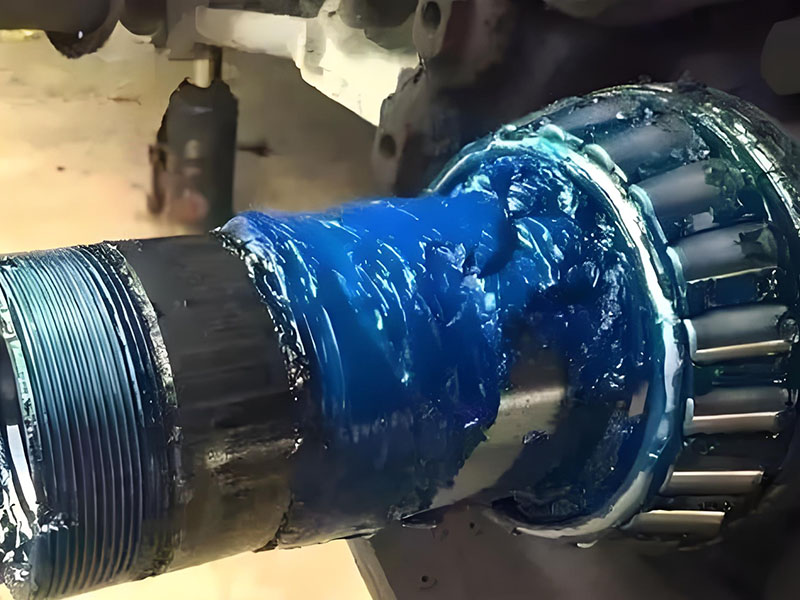
- Traditional Tapered Roller Bearings: Found on older vehicles and some trucks, these bearings are serviceable and require packing with grease, installing races, and adjusting preload with a spindle nut. Replacement involves careful cleaning, inspection of races, and correct torque settings.
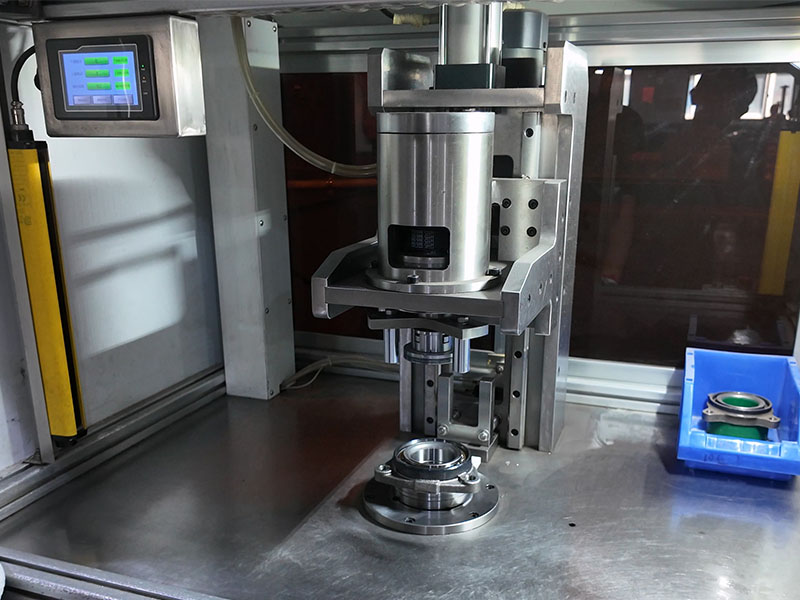
- Press-in Bearings: Common in many front-wheel-drive cars, these bearings are pressed into the steering knuckle. Removal and installation require a hydraulic press or specialized tools. Pressing on the wrong part of the bearing can cause internal damage, so proper technique is critical.
- Bolt-on Hub Assemblies: Modern vehicles often use a pre-assembled unit that includes the bearing, hub, flange, and often the ABS sensor. This “bolt-on” design simplifies replacement: remove the axle nut, unbolt the assembly from the knuckle, and install the new unit. Torque all fasteners to manufacturer specifications.
Regardless of the type, always refer to the vehicle’s service manual. Using the correct tools and procedures ensures the new component performs as intended.
Professional Tips for Extending Wheel Hub Assembly Life
To maximize the life of your replacement hub assembly and avoid repeat failures, follow these expert tips derived from years of manufacturing and technical support experience.
Must-Do Practices
- Clean the Mounting Bore Thoroughly: Before installing a new hub assembly, remove all rust, dirt, and debris from the steering knuckle bore and mounting surfaces. Use a wire brush or sandpaper to achieve a clean, smooth surface. Any contamination can cause the hub to sit unevenly, leading to premature wear.
- Apply Anti-Seize Compound Where Appropriate: On bolt-on assemblies, a thin layer of anti-seize on the mounting face (avoiding the bolt threads unless specified) can prevent corrosion and make future removal easier. Check the vehicle manufacturer’s recommendations first.
- Always Use a New Axle Nut: Axle nuts are often torque-to-yield or have locking features that degrade after removal. A new nut ensures proper clamping force and prevents the bearing from loosening.
Common Mistakes to Avoid
- Reusing Old Nuts or Bolts: As mentioned, these fasteners are designed for single use in most modern vehicles. Reusing them can result in incorrect torque and eventual loosening.
- Hammering the Bearing Directly: Never strike the inner race or the bearing itself with a hammer. This transmits shock through the rolling elements, creating brinelling (surface indentations) that leads to noise and early failure. Always use appropriate press tools or bearing drivers.
- Ignoring ABS Tone Ring Cleaning: When replacing a hub assembly, ensure the new tone ring (if separate) or the sensor area is clean and free of metal shavings. Also, clean the ABS sensor tip and check for damage. A contaminated sensor can trigger a warning light immediately after installation.
How to Prevent Premature Failure
- Choose Quality Parts: Opt for OEM-grade or reputable aftermarket brands. DUHUI Bearing, for instance, manufactures wheel hub assemblies that meet or exceed OE specifications, using high-grade steel, precision machining, and robust sealing to withstand harsh conditions. Investing in quality reduces the likelihood of early failure.
- Follow Torque Specifications Strictly: Under-torquing can cause the hub to move, while over-torquing can deform the bearing races. Use a calibrated torque wrench and adhere to the vehicle’s specs for the axle nut and mounting bolts.
- Inspect Related Components: Worn ball joints, tie rods, or CV joints can put extra stress on the hub assembly. When replacing a hub, check the entire suspension and steering system. Addressing these issues ensures the new hub operates under normal conditions.
Conclusion
The wheel hub assembly is a vital link between your vehicle and the road. Recognizing the signs of wheel hub assembly failure and performing regular inspections can prevent unexpected breakdowns and maintain safe handling. Whether you are a professional technician or a dedicated DIYer, following the inspection steps and replacement guidelines outlined here will help you make informed decisions.
Remember that using a high-quality replacement is just as important as proper installation. As a professional manufacturer with years of experience, DUHUI Bearing offers a wide range of wheel hub assemblies engineered for durability and performance. For more technical resources or to explore our product lineup, visit our website or contact our support team.