Quick Answer
The difference is in the sound and when it happens. A failing CV axle makes a clicking or popping noise only when turning, especially at full lock. A worn wheel bearing produces a constant hum, growl, or grind that rises with vehicle speed – typically noticeable above 20 mph – and changes volume when you swerve left or right. Try this: drive straight, then gently weave. If the noise shifts side to side, it is the bearing. If it clicks only in turns, it is the CV axle.
Strange noises from your wheels can be worrying. Is it a failing CV axle or a worn wheel bearing? The sounds are often similar – a click, a hum, a grind – yet the two components serve completely different functions. Misdiagnosis leads to unnecessary repairs, wasted money, and potentially dangerous driving. This guide walks you through the noise patterns, driving tests, and inspection steps to identify the problem correctly before you visit a shop.
Understanding CV Axle Noise
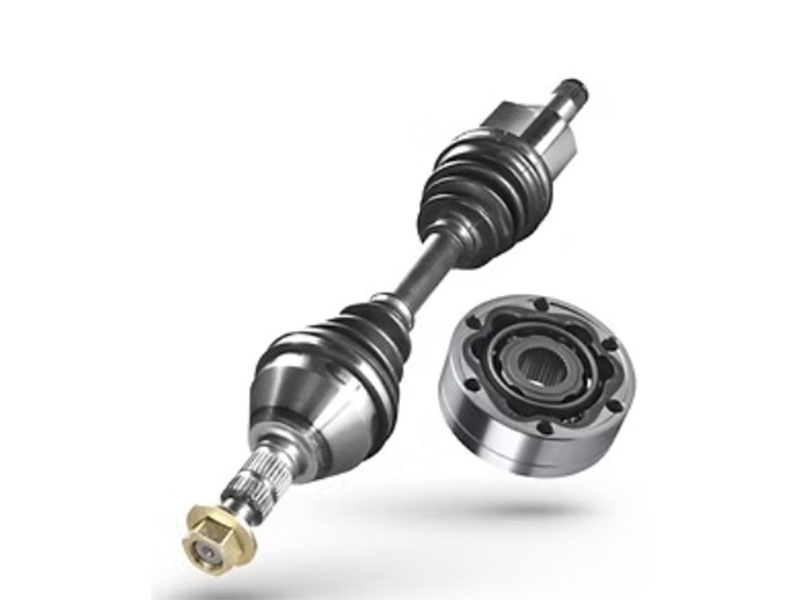
A constant velocity (CV) axle transfers engine power to the wheels while allowing the suspension to move and the wheels to steer. When a CV joint starts to fail, the noise is tied directly to specific driving actions.
Typical Sounds and When They Occur
- Clicking, popping, or clunking – Most noticeable during slow, tight turns such as parking lot manoeuvres or U‑turns. The sound often follows a rhythmic pattern matching wheel rotation.
- Inner vs outer CV joint failure – An outer joint failure produces clicking or popping when turning. An inner joint failure tends to cause a dull clunk or a shudder/vibration during acceleration or gear changes.
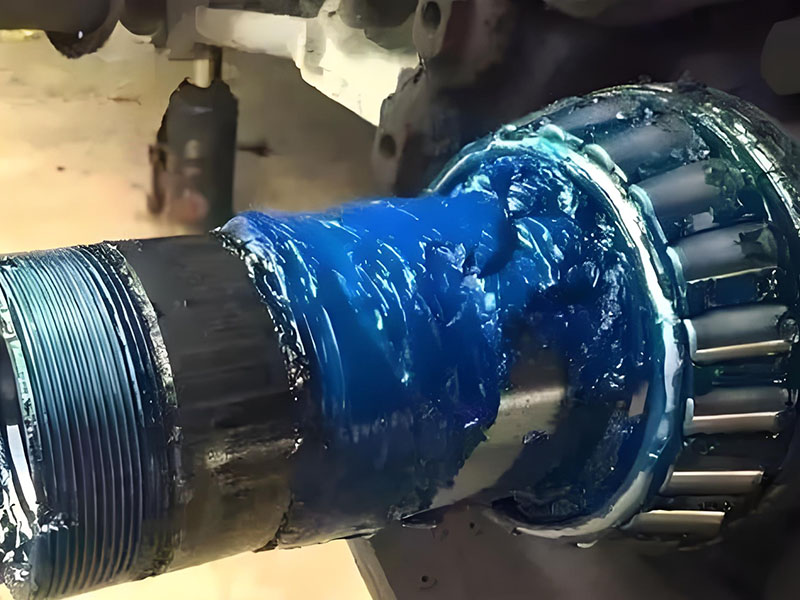
- Grease evidence – A torn or cracked boot allows grease to escape. Look for grease splattered inside the wheel rim or on nearby suspension parts.
Progression of Symptoms
- Stage 1 – Clicking noise only when turning (early outer joint wear).
- Stage 2 – Clunking when accelerating or reversing (inner joint wear).
- Stage 3 – Grease visible around the wheel well (boot has failed, joint drying out).
- Stage 4 – Vibration or shudder under acceleration (advanced failure, risk of joint separation).
Understanding Wheel Bearing Noise
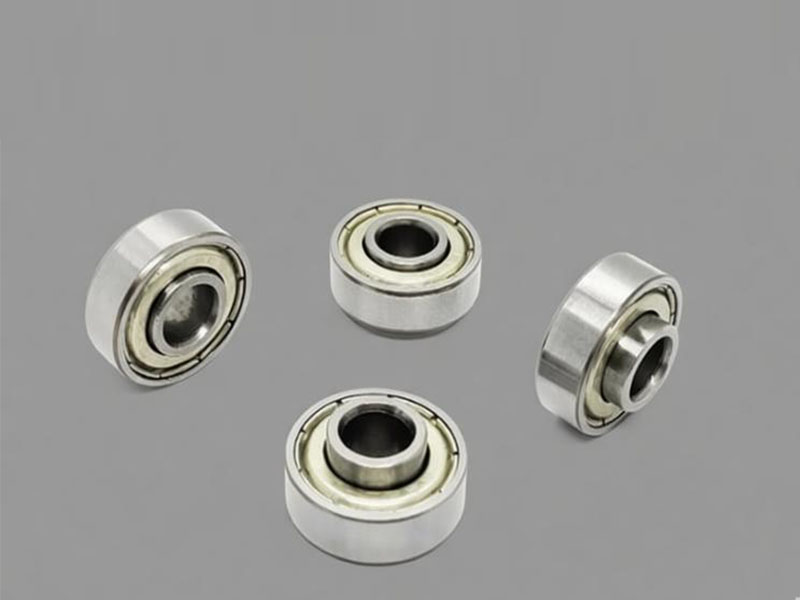
Wheel bearings allow the wheel hub to rotate with minimal friction. A failing bearing produces a persistent, speed‑related noise that changes with vehicle load during cornering.
Typical Sounds and When They Occur
- Humming, growling, rumbling, or grinding – The noise is constant and increases with vehicle speed. It is present even when driving straight, and often becomes noticeable above 20–30 mph.
- Cornering load test (critical diagnostic clue) – When you turn the steering wheel, vehicle weight shifts. A bad bearing becomes louder when weight is applied to that side and quieter when weight is removed. For example, a slight right turn that makes the left side noisier points to a left wheel bearing issue.
- Other signs – Loose steering feel, vague handling, uneven tyre wear, or vibration felt through the seat or steering wheel.
Common Confusion with Tyre Noise
A worn wheel bearing’s hum is often mistaken for tyre noise. Key difference: tyre noise does not change significantly when the vehicle’s weight shifts during cornering. Tyre noise also tends to be more prominent on coarse road surfaces and may vary with tyre tread pattern, while bearing noise is constant on any pavement.
CV Axle vs Wheel Bearing Noise: Comparison Table
| Aspect | CV Axle Failure | Wheel Bearing Failure |
|---|---|---|
| Typical sound | Clicking, popping, clunking | Humming, growling, rumbling, grinding |
| When it occurs | Most noticeable during turns (especially slow, sharp turns) | Present while driving straight; gets louder as speed increases |
| Relation to load vs speed | Tied to vehicle load (worse during acceleration, turning, uphill driving) | Tied to wheel speed (faster = louder noise) |
| Noise change when turning | Appears or worsens when steering wheel is turned fully | May become louder or quieter depending on which side is loaded – helps locate the bad bearing |
| Effect of acceleration / deceleration | May cause vibration or a clunk during acceleration | Noise changes with speed but pitch remains relatively constant |
| Straight‑line driving | Usually quiet when driving straight (unless inner joint is severely worn) | Constant noise that rises and falls with speed |
| Typical failure stages | Early: clicking on turns (outer joint) → Late: clunk/vibration on acceleration (inner joint) | Early: slight hum → Mid: loud growl → Late: grinding + wheel play |
Diagnostic Inspection Methods
A systematic approach moves from simple visual checks to more advanced physical tests. Always prioritise safety – use jack stands and work on a level surface.
1. Visual Inspection (No Jack Needed)
- CV axle – Look for cracked, torn, or leaking CV boots. Grease flung onto the inner wheel rim or control arm is a strong indicator of boot failure.
- Wheel bearing – No visible external clues in early or moderate stages. In severe cases, the wheel may appear tilted or the bearing seal may show signs of heat discoloration.
2. Static Physical Check (Vehicle Lifted, on Jack Stands)
- Wheel bearing play – Grasp the tyre at the 12 and 6 o’clock positions and rock it. Repeat at 9 and 3 o’clock. Any noticeable clunk or movement suggests a worn bearing. A small amount of play (up to a few millimetres) may still be acceptable on some vehicles – consult your service manual.
- CV axle / driveline play – The same rocking motion can detect loose suspension parts, but a failing CV axle rarely produces radial wheel play.
- Rotational grind feel – Spin the lifted wheel by hand. If you feel a rough, gritty sensation or hear a low‑frequency rubbing noise, the bearing’s rolling elements are likely damaged.
- Important note – A bearing can be noisy long before it develops measurable play. If you feel no movement but the noise matches a bearing‑type hum, do not rule out the bearing. Proceed to dynamic listening.
3. Dynamic Noise Localisation (For Constant Humming or Growling)
- Suspended spin method – With the wheel off the ground, spin it manually as fast as possible (or use the engine’s idle to rotate a drive wheel on FWD/RWD vehicles, but exercise extreme caution). Place a mechanic’s stethoscope or a long screwdriver (handle against your ear, tip against the bearing’s stationary housing) to pinpoint the noise source.
- Limitation – The wheel hub nut tightly couples the bearing and CV axle. A stethoscope may pick up vibrations from both. Therefore, road load testing (the cornering test described in the wheel bearing section) remains the primary diagnostic method.
- When to use – Use dynamic localisation as a confirmation step after a road test, not as a replacement.
4. Advanced Aid: Infrared Thermometer
- Principle – A worn bearing generates abnormal heat due to increased friction.
- Procedure – After a drive, coast to a stop without using brakes (allow the vehicle to slow naturally). Immediately measure the temperature at the centre of each wheel hub. A side that is significantly hotter than the others is likely the failing bearing.
- Caution – Frequent braking heats up brake components and can distort the reading. Minimise brake use during the test run.
Why Accurate Diagnosis Matters
Driving with a bad CV axle or wheel bearing is dangerous. A CV axle can snap under load, causing sudden loss of drive power and potentially damaging the transmission. A severely worn wheel bearing may overheat, lock up, or allow the wheel to detach from the vehicle. Correctly identifying the faulty component also saves you from replacing parts unnecessarily – a common outcome when noise symptoms are misinterpreted.
Conclusion
To tell CV axle noise from wheel bearing noise, focus on two things: the type of sound and when it happens. A clicking or popping that appears only during slow turns points to a CV axle. A constant hum, growl, or grind that rises with speed and changes intensity when you swerve points to a wheel bearing. Use the visual and physical checks described above to confirm your suspicion. Do not ignore these warning signs – have the vehicle inspected as soon as possible. If you need replacement parts, choose components that meet or exceed OE specifications to ensure safety and durability.
Frequently Asked Questions (FAQs)
Q: I hear a noise but can’t tell which type it is. What is the simplest way to tell them apart?
A: Focus on when the noise appears and how it changes. A CV axle clicks during slow turns, especially with the steering wheel at full lock. A wheel bearing hums or grinds constantly, gets louder with speed, and changes intensity when you turn left or right (becoming louder on the loaded side).
Q: What if the noise is neither a click nor a hum, but a “clunk‑clunk” over bumps?
A: A clunking or knocking sound over bumps is rarely a CV axle or wheel bearing issue. It is more likely related to suspension or steering components – e.g., worn sway bar links, ball joints, or control arm bushings. Inspect the chassis connections.
Q: Can both the CV axle and wheel bearing fail at the same time?
A: It is uncommon but possible. A severe impact or extreme wear on one component can stress the other. For example, a collapsed bearing can put abnormal loads on the CV joint. Always inspect the entire wheel end system rather than assuming a single fault.
Q: How long can I drive with a bad CV axle or wheel bearing before it becomes dangerous?
A: Do not drive any longer than necessary. A CV axle can break without warning, leaving you stranded and possibly damaging the transmission. A wheel bearing can fail catastrophically, causing wheel wobble, overheating, or detachment. At the first sign of unusual noise, have the vehicle inspected.
Q: How much does it typically cost to replace a CV axle or wheel bearing?
A: Costs vary by vehicle make, model, and labour rates. As a rough guide:
– CV axle replacement: $300 – $700 per side (parts + labour)
– Wheel bearing replacement: $250 – $600 per wheel
Early diagnosis prevents secondary damage (e.g., a failed bearing ruining the hub or axle) and can lower the final bill.
Q: If I lift the wheel and there is no play, does that mean the bearing is fine?
A: No. Many bearings produce significant noise while still having no detectable play. Absence of wheel movement does not rule out a bearing problem. Always perform a road‑load cornering test.
Q: I want to diagnose the noise myself but I’m not a mechanic. Any safety tips?
A: Safety first:
– Use a proper jack and always support the vehicle with jack stands on solid ground.
– Perform road tests in a quiet, empty area to focus on the noise.
– If using a screwdriver as a makeshift stethoscope, keep loose clothing and fingers away from rotating parts.
– When in doubt, take the vehicle to a professional.
Q: My CV boot is torn but there is no noise yet. Do I need to replace the axle immediately?
A: Not necessarily. If the boot tore recently and no contaminants have entered the joint, you may be able to replace only the boot and re‑pack the grease. However, if the tear is old, dirt and moisture have likely entered, or the grease has dried out, replacing the entire axle is the more reliable long‑term solution.