
Idler Pulley Complete Guide: Function, Types, Symptoms, and Replacement
Quick Answer: What Is an Idler Pulley and When Should You Replace It? An idler pulley is a non-driven wheel that rotates freely on a sealed bearing. Its job is...
Read More →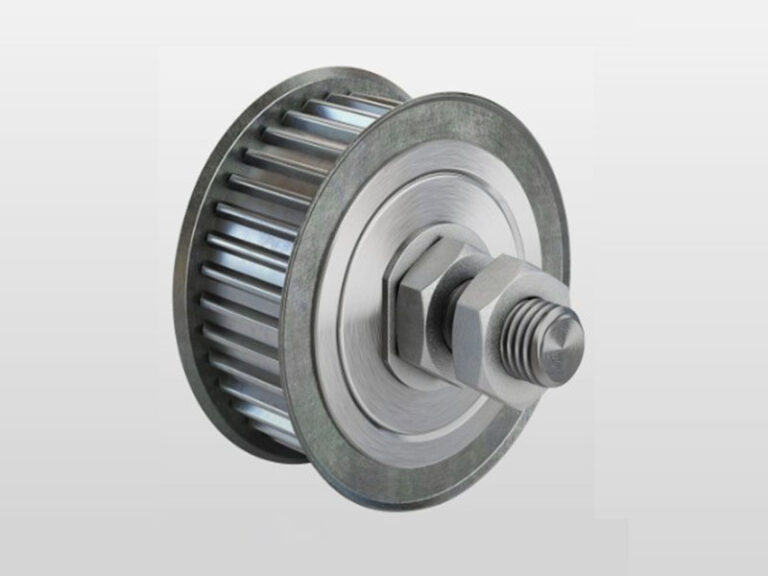
Quick Answer: What Is an Idler Pulley and When Should You Replace It? An idler pulley is a non-driven wheel that rotates freely on a sealed bearing. Its job is...
Read More →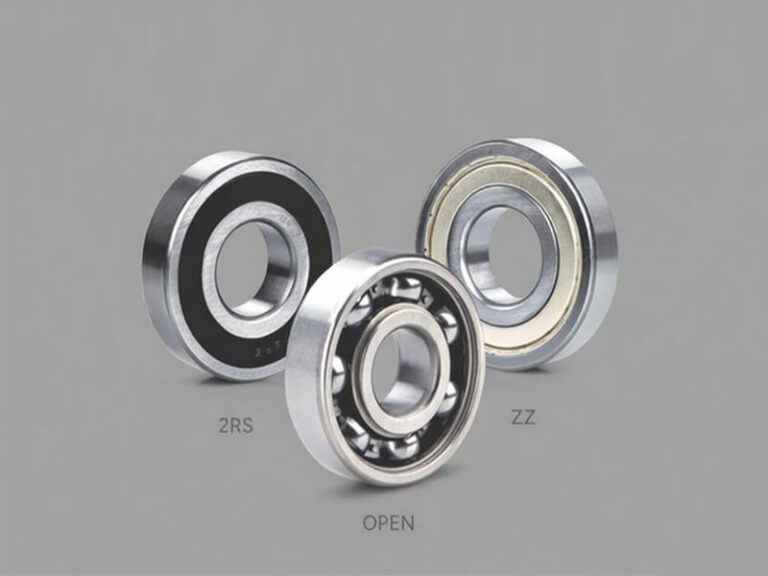
Quick Answer Deep-groove ball bearings are the most widely used rolling bearing type. They handle both radial and moderate axial loads in two directions, run at high speeds with low...
Read More →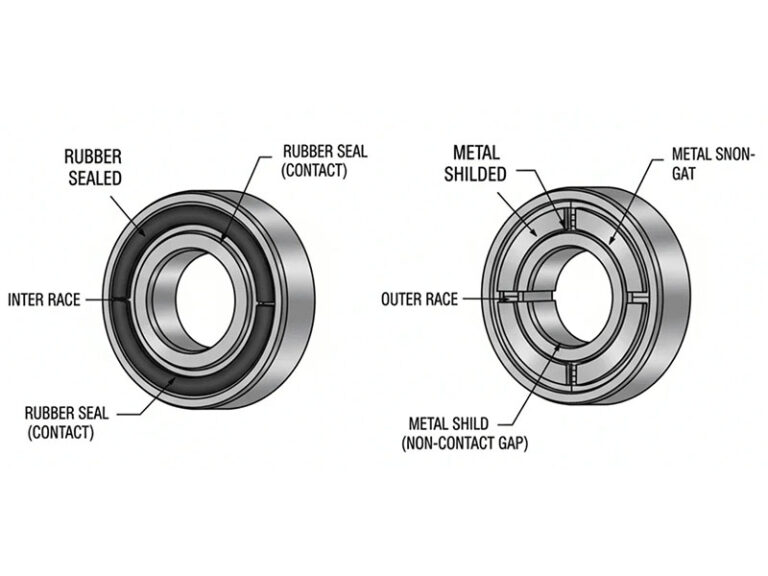
Quick Answer Rubber seals (2RS) contact the inner ring, blocking dust and moisture but reducing max speed by about 40%. Metal shields (ZZ) leave a tiny gap, allowing very high...
Read More →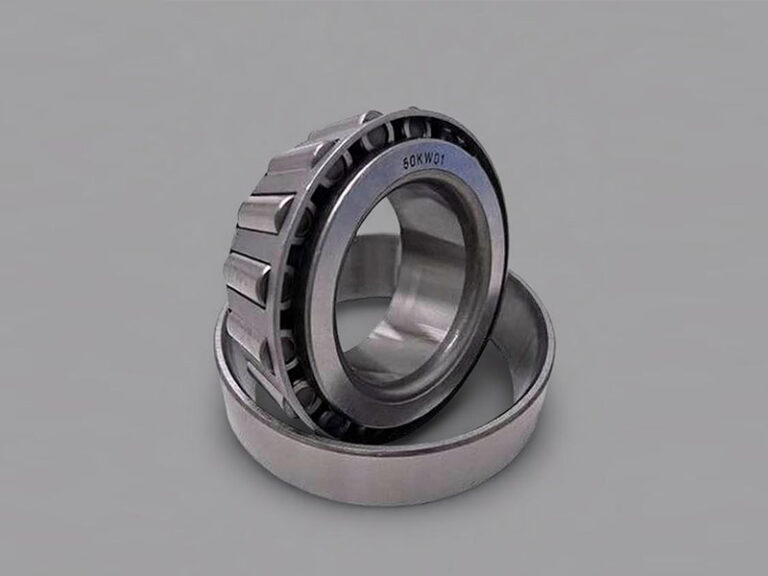
Quick Answer Tapered roller bearings use tapered rollers and conical raceways that converge at a common point on the bearing axis, enabling them to handle combined radial and axial loads...
Read More →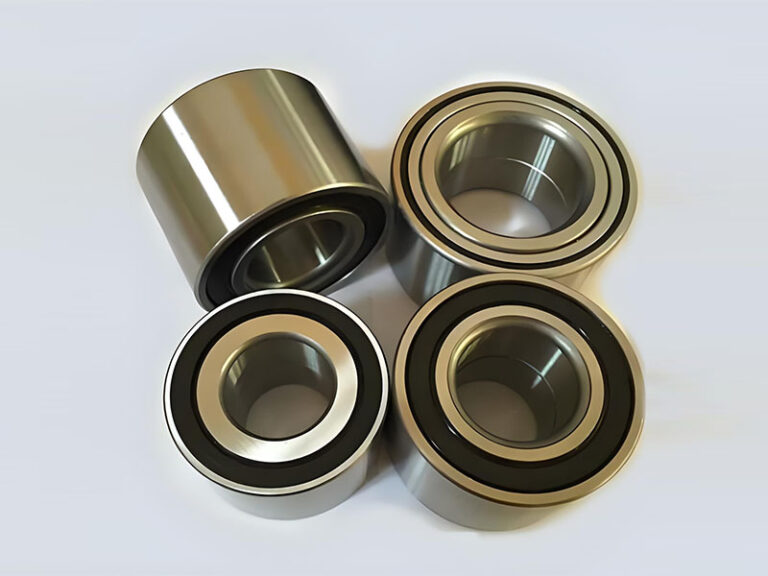
Quick Answer Wheel bearings typically last 85,000–100,000 miles. Most failures come from impact damage (Brinelling), contamination, or improper torque. Warning signs include a growling noise that changes with speed and...
Read More →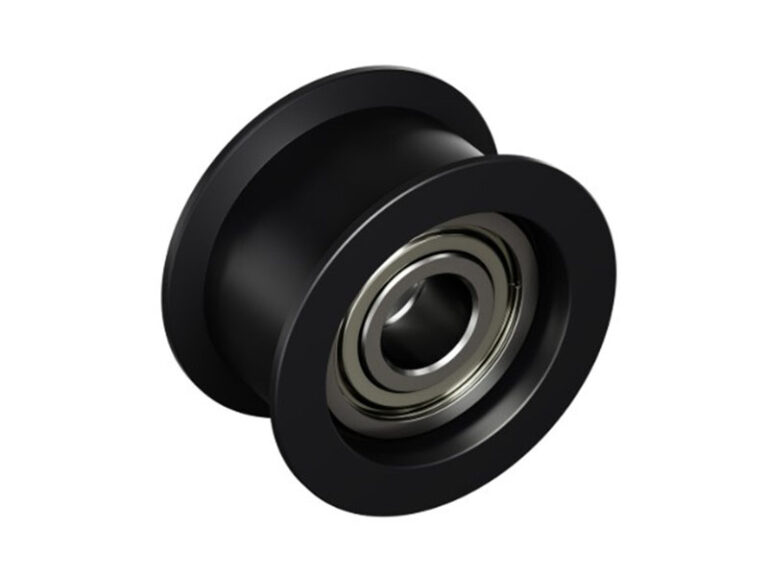
Quick Answer: A failing idler pulley usually makes a high‑pitched squeal or chirping noise from the engine bay. The noise may change with engine speed. To confirm, remove the serpentine...
Read More →