
CV Joints vs. U-Joints: Key Differences and How to Choose
Quick Answer: What’s the Difference Between CV Joints and U‑Joints – and Which One Do You Need? CV joints keep output speed constant at any angle (up to 48°) and...
Read More →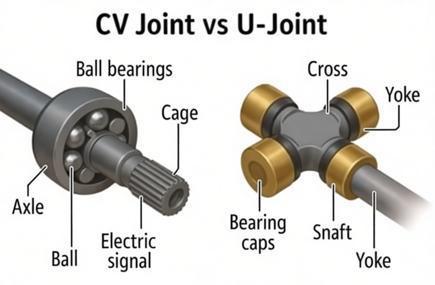
Quick Answer: What’s the Difference Between CV Joints and U‑Joints – and Which One Do You Need? CV joints keep output speed constant at any angle (up to 48°) and...
Read More →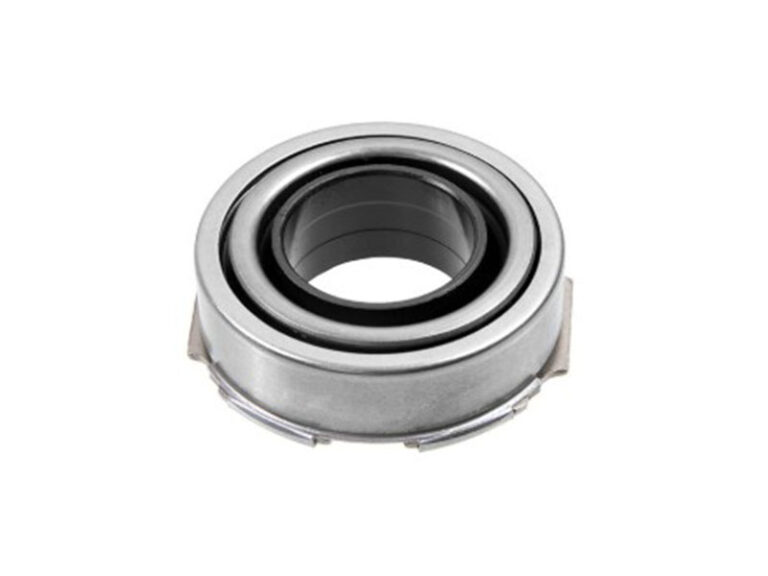
Quick Answer: A failing throwout bearing typically causes grinding noise or vibration when you press the clutch pedal. You may also experience hard shifting, a stiff pedal, or complete clutch...
Read More →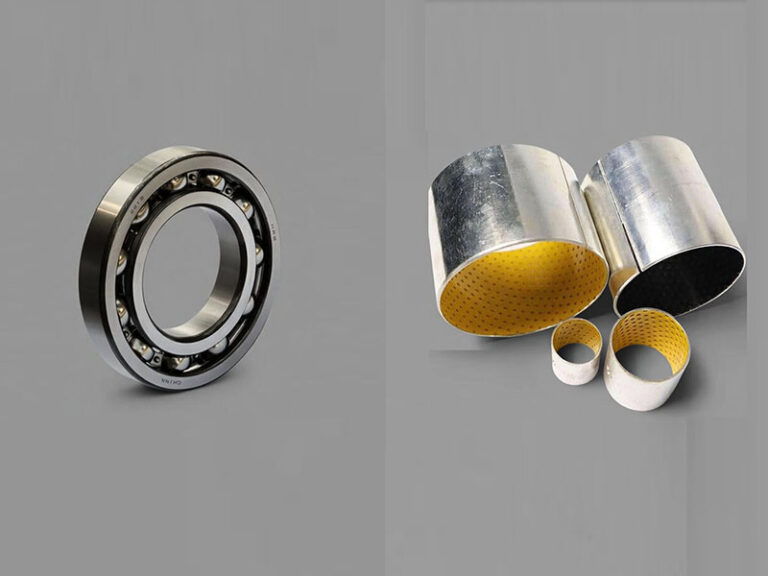
When selecting bearings for rotating machinery, engineers often compare journal bearings and ball bearings—two fundamental types that operate on different principles. Journal bearings rely on a thin fluid film for...
Read More →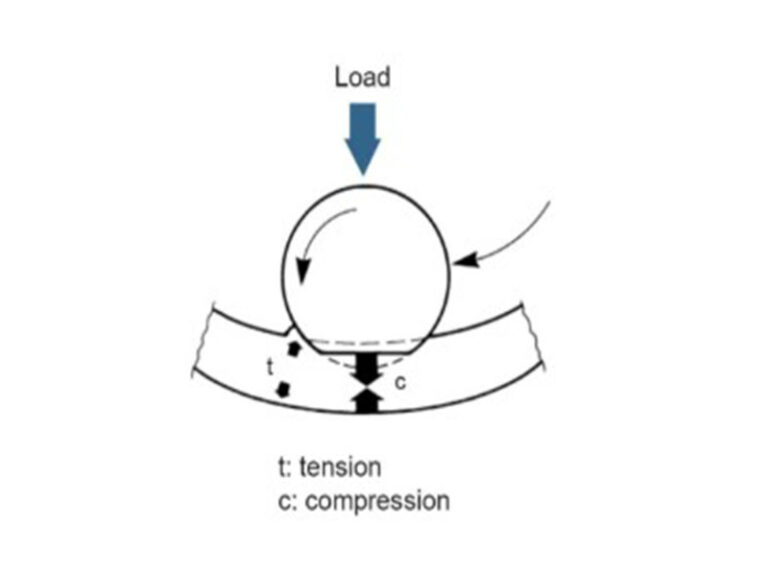
Quick answer: A dynamic load is a force that varies with time, direction, or location—unlike a static load which stays constant. In bearings, the basic dynamic load rating (C) is...
Read More →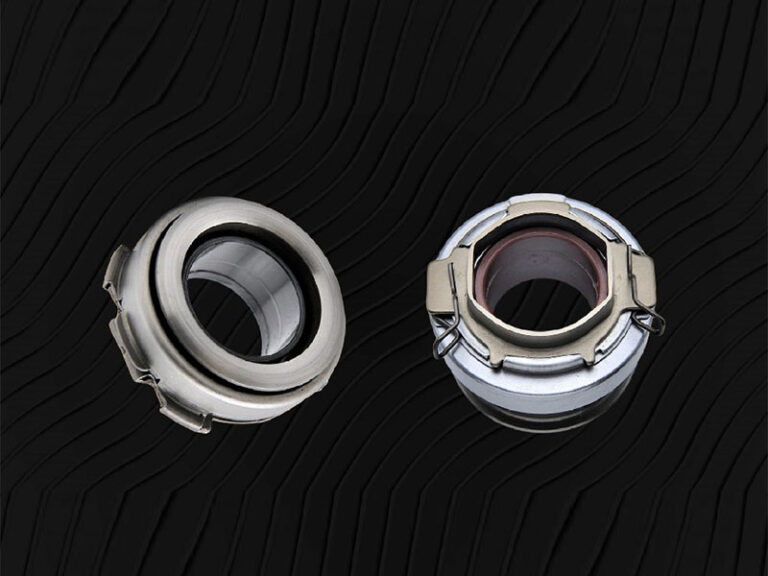
Quick answer: A throwout bearing (clutch release bearing) disengages the clutch when you press the pedal, allowing gear changes. Symptoms of failure include grinding or squealing noise when pressing the...
Read More →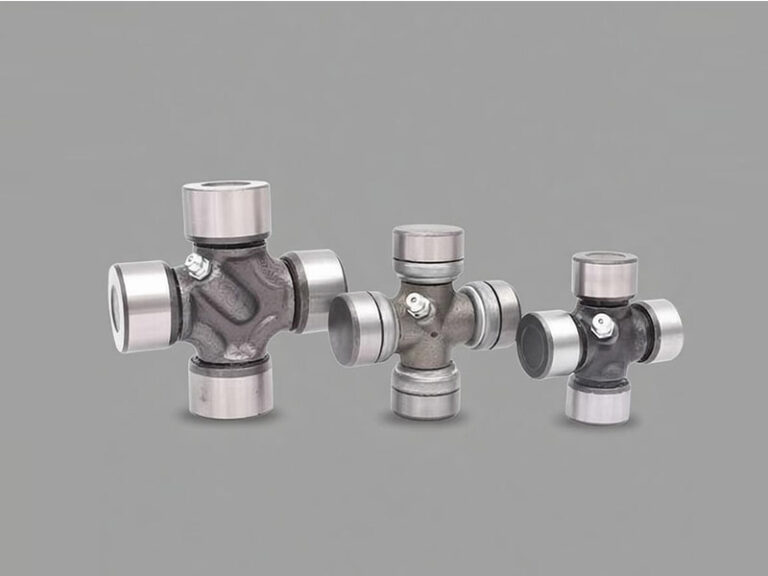
Quick Answer: U-joint types refer to locking style (inside-lock vs. outside-lock, based on snap ring position) and lubrication method (greaseable vs. sealed). Sizes follow series numbers – 1310, 1330, 1350,...
Read More →