Quick Answer: A face spline wheel hub transmits torque through matching teeth on the hub face and the CV joint or shaft face, not through a long splined shaft inside the hub bore. A center axle bolt provides the axial clamp load that keeps the teeth engaged. Correct tooth mesh, a suitable bolt, and the OE torque procedure are critical; impact tightening or incomplete engagement can damage the joint and cause loss of drive.
Technicians see face spline hubs on late-model vehicles and need to identify them before ordering or installing parts. The layout changes the torque path, the fastener, and the inspection routine. Construction, torque transfer, comparison with traditional axial splines, common applications, pre-installation checks, installation safety, failure risks, and standards all affect the service decision.
What Is a Face Spline Wheel Hub?
A face spline wheel hub moves the spline from the hub inner bore to the hub face. The mating CV joint or shaft uses face teeth instead of a long splined shaft entering the bore. Torque is transmitted through broad teeth on the joint face and the matching hub face, and the joint cone centers the connection.
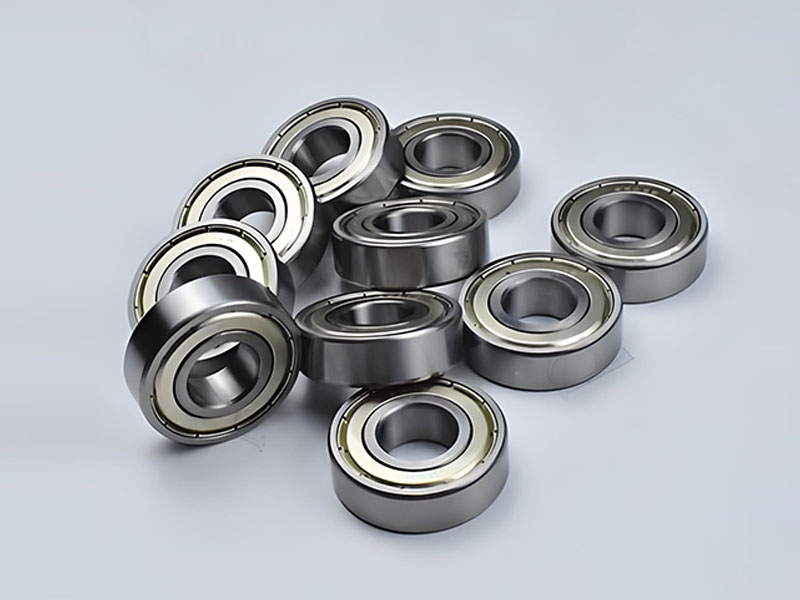
The design is also described as an axial spline type wheel hub assembly, and its face teeth resemble spur gear teeth. Typical assemblies are pre-lubricated, pre-sealed, preloaded, and supplied as maintenance-free, non-serviceable units.
US 2008/0175526 A1, published July 24, 2008, describes an annular face spline ring for a driven hub with teeth extending radially toward the rotation axis and backlash-free mating. The applicant was Schaeffler KG, Herzogenaurach, Germany.
Names and descriptions vary by supplier; confirm the actual part by OE number and visual identification. A face spline hub is not the same as a traditional axial spline hub with internal bore splines.
How Face Spline Engagement Transmits Torque
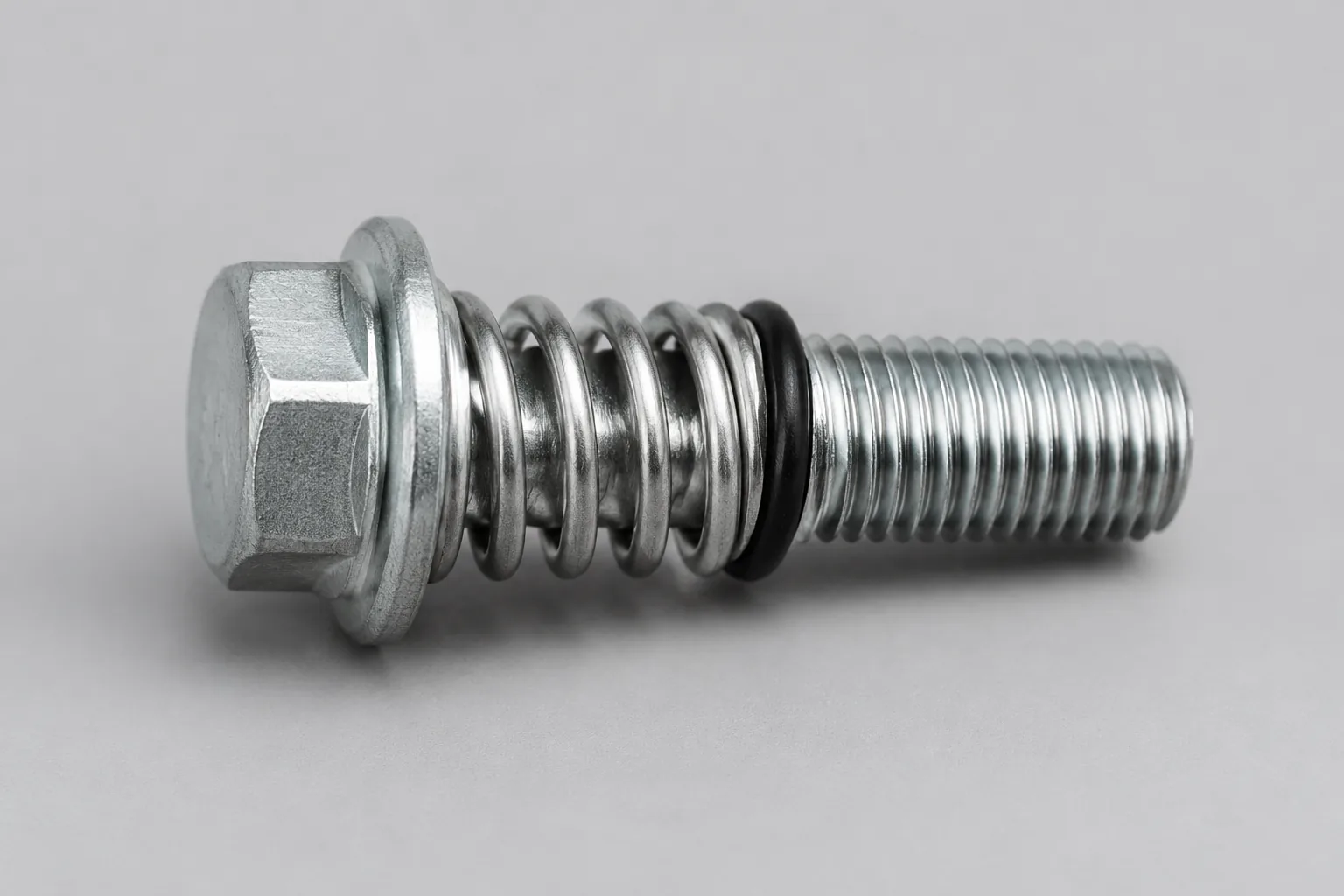
The axle bolt passes through the hub center and provides the axial clamp force that keeps the two face tooth sets engaged. This replaces the traditional axle nut arrangement. The bolt may include a compression spring to maintain face spline engagement and alignment, and an O-ring to retain the spring before installation.
The hub still uses an integral mounting flange and hub-to-steering-knuckle fasteners. Only the driveshaft retention method changes. The mating teeth engage over a relatively large gearing-crown diameter, and the joint cone centers the connection.
Correct assembly requires hand-guiding the shaft to the hub inner face, confirming full tooth mesh, hand-threading the center bolt, and tightening to the OE specification. The OE procedure for the specific vehicle, axle, and bolt version governs final torque and any torque-angle step. Do not rely on bearing preload alone to keep the joint engaged; axle-bolt clamp load is separate and necessary.
Face Spline vs Traditional Axial Spline Wheel Hubs
| Feature | Traditional axial spline hub | Face spline hub |
|---|---|---|
| Torque path | Long splined shaft inside the hub bore | Matching teeth on the hub face and joint or shaft face |
| Centering | Shaft-to-bore fit | Joint cone |
| Driveshaft retention | Commonly an axle nut | Center axle bolt through the hub |
The face spline design moves the torque path to the hub face, while supplier comparisons focus on torque capacity and weight. FAG states that its Generation 3 face spline wheel bearing can transmit up to 50% more torque and weighs 10% less than conventional spline solutions. GKN Automotive states that its face spline wide face teeth can transmit up to 50% more torque; with a diaphragm boot on the rear axle, the design accommodates up to 25 degrees of articulation.
These percentages are supplier-specific comparisons, not universal guarantees for every face spline hub. A higher torque rating does not remove the need to follow OE torque and installation procedures.
Where Face Spline Wheel Hubs Are Used
- BMW Group xDrive: GKN states that BMW Group xDrive models have used face spline technology since 2013.
- Example BMW applications: Schaeffler repair information for North America lists BMW 1 Series F40, 2 Active Tourer F45, 2 Gran Coupe F44, 2 Gran Tourer F46, X1 F48, and X2 F39.
- Example MINI applications: The same Schaeffler information lists MINI Clubman F54 and Countryman F60.
- Example FAG kit numbers: 713 6496 10 / 30 / 60 / 80 / 90 and 713 6497 20 / 30 / 40 / 80.
The model list is an example set, not a complete fitment catalog; confirm by VIN, OE number, and current catalog. Do not fit a face spline hub to a vehicle whose shaft does not have the matching face spline.
Pre-Installation Checks for Technicians
- Identify the hub type before ordering: look for face teeth on the hub mounting face and matching teeth on the shaft or CV joint.
- Inspect both tooth sets for corrosion, debris, burrs, and wear. Damaged teeth can prevent full engagement.
- Check the axle bolt type. Mevotech Insider document MI-21-133-03-01-E, July 2021, identifies the design as an axial spline type wheel hub assembly and notes that the axle bolt may be a torque-to-yield fastener. Such bolts must not be reused.
- Verify the torque procedure by vehicle, VIN, axle, and OE service information.
Use the OE procedure for the exact model and bolt version. Confirm whether the replacement kit includes the required bolt and hardware; do not assume it does. There is no single universal axle-bolt torque value for all face spline hubs.
Installation Steps and Torque Safety
- Clean the hub face and shaft face. Remove corrosion and debris without damaging the teeth.
- Hand-guide the shaft to the hub inner face and confirm that the two tooth sets are fully meshed.
- Hand-thread the center axle bolt while holding the shaft in engagement.
- Tighten with hand tools and a calibrated torque wrench to the OE torque or torque-plus-angle specification.
- After tightening, verify that the joint is seated and that no tooth damage or misalignment is visible.
Follow the OE sequence and any required replacement of the axle bolt, O-ring, or spring. Do not use an impact wrench to tighten the center bolt. Schaeffler warns that impact tightening can damage the face spline if the teeth are not correctly positioned, and the connection may later loosen and cause loss of drive. BCA also requires final tightening with hand tools and a calibrated torque wrench; incorrect engagement or bolt torque can damage or strip the hub or shaft spline.
The rolled closure sets bearing preload at the factory, but it does not make axle-bolt torque optional.
Failure Risks and Diagnosis
Symptoms such as vibration, noise, or loss of drive can point to a face spline joint problem, but they do not prove that the hub is the cause. Incorrect installation, incomplete tooth engagement, insufficient axle-bolt clamp load, corrosion, and reuse of a torque-to-yield bolt are key risks.
Inspect the face teeth, axle bolt, and joint seating before replacing parts. If the teeth are damaged or the bolt has lost clamp load, replace the affected components according to OE guidance. Diagnose the whole joint, including the mating shaft, CV joint, and fastener, not only the bearing.
Do not attempt to repair damaged face spline teeth by field machining or by reusing a yielded bolt.
Standards and Quality Notes
ISO 4156-1:2021 covers straight cylindrical involute splines; it is not a dedicated standard for face spline wheel hubs. GB/T 17855-2017 is a traditional axial spline load capacity standard, not a face spline wheel hub standard. A 2025 study published in the Journal of Vibroengineering (DOI 10.21595/jve.2025.24383) notes that public design methods and dedicated standards for wheel-hub face splines remain limited.
IATF 16949 certificates held by Schaeffler manufacturing locations are management-system certifications, not a certification of an individual face spline hub. Do not describe a face spline hub as IATF 16949 certified unless the certificate specifically covers that product.
Use OE specifications and supplier documentation for design, torque, and service limits.
Conclusion
Face spline wheel hubs transmit torque through face teeth and depend on correct axle-bolt clamp load to keep those teeth engaged. Technicians should identify the hub type, inspect the teeth, confirm whether the axle bolt is torque-to-yield, and follow the OE torque procedure by VIN and axle. Impact tightening and incomplete tooth engagement are avoidable causes of damage and loss of drive. Before fitting or releasing the vehicle, verify the part number and the OE installation data.
FAQs
Q1: What is the difference between a face spline wheel hub and a traditional spline hub?
A: A traditional spline hub carries torque through a long splined shaft inside the hub bore. A face spline wheel hub carries torque through teeth on the hub face and matching teeth on the CV joint or shaft face, and the joint is centered by a cone and held by a center axle bolt.
Q2: Can I reuse the axle bolt on a face spline wheel hub?
A: It depends on the bolt. Mevotech states that the axle bolt used with this design may be a torque-to-yield fastener and must not be reused. Check the OE service information for the exact vehicle and bolt version, and replace the bolt when the specification requires it.
Q3: Can I use an impact wrench on a face spline axle bolt?
A: No. Schaeffler warns that impact tightening can damage the face spline if the teeth are not in the correct position, and the connection may later loosen and cause loss of drive. BCA also requires final tightening with hand tools and a calibrated torque wrench.
Q4: How do I identify a face spline wheel hub?
A: Look for a ring of teeth on the hub face rather than splines inside the hub bore, and matching face teeth on the mating shaft or CV joint. Suppliers may call it an axial spline type wheel hub assembly; confirm the part by OE number and visual comparison.
Q5: What happens if the face spline teeth are not fully engaged?
A: The axle bolt cannot clamp the joint correctly, and the teeth may be damaged or stripped. Schaeffler and BCA warn that incorrect engagement can lead to loss of drive. Hand-guide the shaft, confirm full mesh, and hand-thread the bolt before tightening.
Q6: Is there one torque specification for all face spline axle bolts?
A: No. Torque and any torque-angle value vary by vehicle model, axle, bolt version, and OE procedure. Use the VIN-specific OE service information rather than a generic value.
Q7: Are face spline wheel hubs serviceable?
A: Typically no. Mevotech describes this type of assembly as pre-lubricated, pre-sealed, preloaded, and maintenance-free, so the hub assembly is replaced rather than repaired. The axle bolt and any required hardware are handled separately according to OE guidance.
Q8: Which BMW and MINI models use face spline wheel hubs?
A: GKN states that BMW Group xDrive models have used face spline technology since 2013. Schaeffler lists examples including BMW 1 Series F40, 2 Active Tourer F45, 2 Gran Coupe F44, 2 Gran Tourer F46, X1 F48, and X2 F39, plus MINI Clubman F54 and Countryman F60. Confirm by VIN and OE number.