
1310 vs 1350 U-joint: Key Difference and How to Choose
Quick Answer What is the difference between 1310 and 1350 U-joints? The 1310 is a lighter-duty universal joint with 1.063″ bearing caps and a 3.219″ overall width, rated at 1,600...
Read More →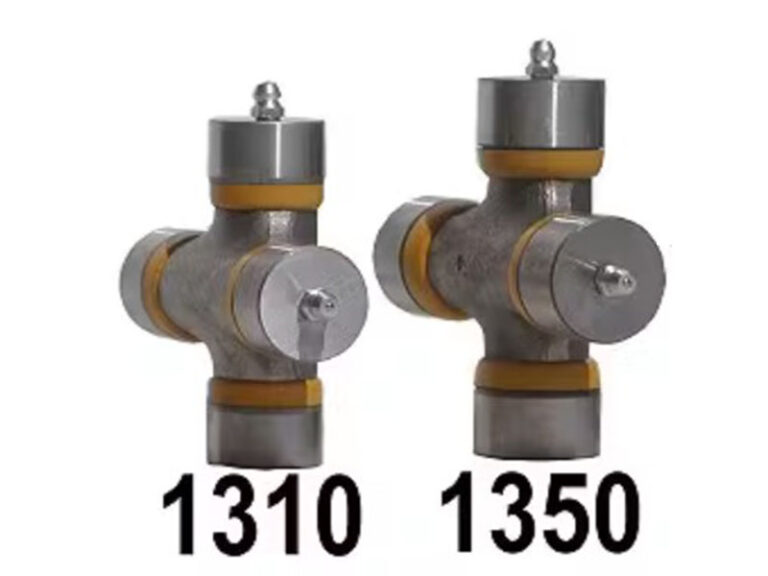
Quick Answer What is the difference between 1310 and 1350 U-joints? The 1310 is a lighter-duty universal joint with 1.063″ bearing caps and a 3.219″ overall width, rated at 1,600...
Read More →
Quick Answer Technically yes—you can still drive with a failing clutch release bearing. But it’s unsafe and we strongly advise against it. A bad release bearing will progressively worsen, and...
Read More →
Do not drive more than a few miles with a bad U‑joint – just enough to reach a repair shop. A damaged U‑joint typically fails completely after several hundred miles...
Read More →
Quick Answer Use this guide to learn how to maintain, diagnose, and replace rear wheel bearings after the factory warranty ends. Key topics include bearing lifespan (85,000–150,000 miles), noise diagnosis...
Read More →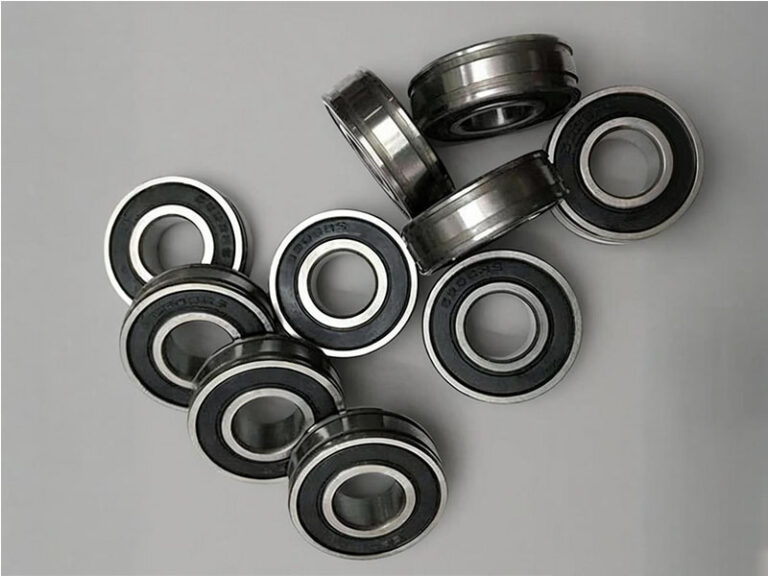
Quick Answer: Yes, you can remove bearing seals and shields without damaging the bearing. Use a thin tool—dental pick, awl, or utility blade—to gently lift the seal edge evenly around...
Read More →
Quick Answer: Who makes the best CV joints? NTN produces 40 million units a year and holds IATF 16949 certification. GKN supplies over 90% of global automakers. SKF leads in...
Read More →
