Quick Answer: Bearing lubricants reduce friction and wear by separating rolling and sliding contact surfaces, and they help carry heat, exclude contaminants, and protect against corrosion. Grease, oil, and solid lubricants serve different speed, temperature, load, and maintenance conditions. Selection starts with the bearing manufacturer’s specification, then considers viscosity, consistency, additives, relubrication access, and contamination control. The right choice depends on the actual operating conditions, not on a single grade label.
A bearing lubricant is a small part of the total maintenance budget, but it has a large effect on bearing life. The wrong lubricant, the wrong quantity, or a contaminated supply can shorten service life even when the bearing is correctly installed. Understanding how lubricants work, how grease and oil differ, and how to match them to duty is the basis for a reliable choice.
Why Bearing Lubrication Matters
A lubricant forms a separating film between rolling elements and raceways. That film reduces metal-to-metal contact, friction, and wear.
- Heat transfer: circulating oil and grease can move heat away from contact zones.
- Corrosion protection: additives and the base fluid help protect machined surfaces.
- Contamination control: grease can help fill and seal gaps, while clean oil systems rely on filtration.
Poor lubrication is associated with overheating, noise, wear, and early failure. Those symptoms can also come from misalignment, incorrect clearance, vibration, or overload, so lubrication is one part of a wider diagnosis.
Lubrication is not a standalone fix. It should match the seal design, installation practice, and maintenance plan for the bearing system.
Grease, Oil, or Solid Lubricant?
The form of lubricant determines how it is retained, how heat is removed, and how maintenance is performed. Selection depends on speed, temperature, load, contamination, cooling demand, relubrication access, and seal design. Final choice should follow bearing manufacturer and lubricant supplier data.
Bearing Grease
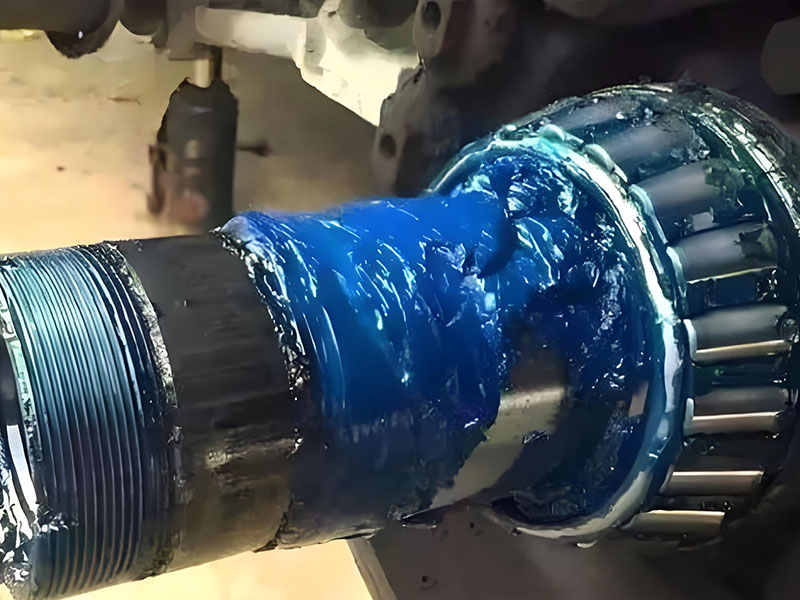
Grease is a semi-solid lubricant made from base oil, thickener, and additives. It stays in the bearing cavity, helps seal out contaminants, and reduces leakage. It suits moderate speeds, intermittent operation, and locations where frequent relubrication is difficult. Grease has limited cooling and filtration capability, and too much grease can cause churning and heat. Confirm thickener compatibility with temperature, water, and chemicals.
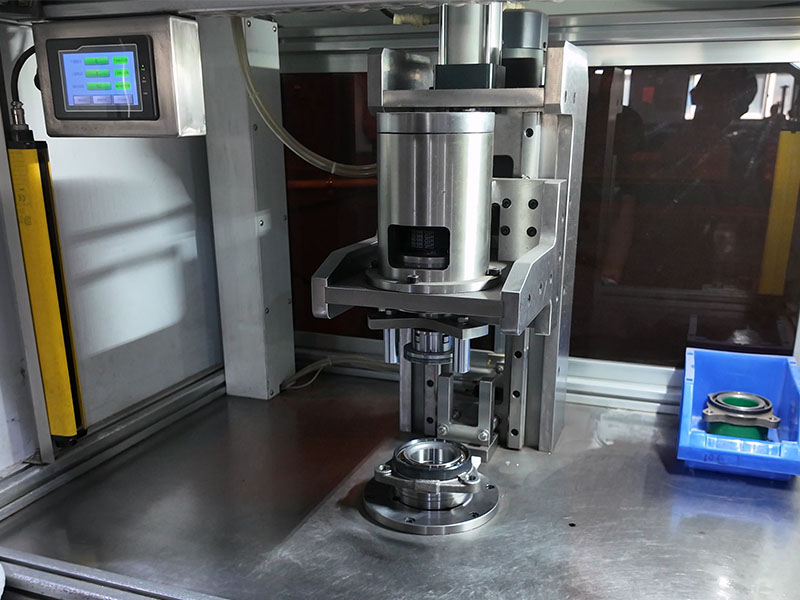
High speed, continuous heat removal, or heavy contamination wash may not suit ordinary grease. Sealed maintenance-free bearings may be pre-filled to the OEM specification and should not be changed without approval.
Bearing Oil
Oil is a liquid lubricant that can be circulated, filtered, and cooled. It suits higher speeds, continuous operation, and applications where temperature control matters. Oil systems need seals, oil passages, oil level or circulation control, and clean supplies. Viscosity choice affects film thickness and energy loss. Check filtration, oil cleanliness, and change interval. Oil may not suit open arrangements with high leakage risk or difficult maintenance.
Solid Lubricants
Solid lubricants work as dry films, coatings, or self-lubricating materials. They may be used in extreme temperature, vacuum, radiation, or where grease and oil are undesirable. They are not the default for normal bearing lubrication. Suitability depends on bearing type, surface treatment, cage material, and application validation. Ordinary industrial bearings usually start with grease or oil.
How to Select a Bearing Lubricant
Start with the duty: load, speed, temperature, environment, operating cycle, mounting orientation, and relubrication access. Confirm the bearing manufacturer’s recommended lubricant type, viscosity, and relubrication strategy. Evaluate contamination, moisture, vibration, starts and stops, and low-temperature starting torque. For critical applications, validate the choice with temperature monitoring and lubricant condition checks. Extreme conditions need OEM or supplier selection charts plus site validation. A generic viscosity table does not replace a calculation for the specific bearing and duty.
- Load and speed: affect film thickness, base oil viscosity, and additive needs.
- Temperature: affects viscosity, oxidation life, and grease consistency.
- Contamination and moisture: affect lubricant life and corrosion risk.
- Maintenance access: determines whether grease, oil, or a long-life system is practical.
Load and Speed
Load affects oil film thickness and the need for anti-wear or extreme-pressure additives. Speed affects lubricant form, base oil viscosity, and churning heat. High speed usually calls for lower viscosity or oil lubrication, while low speed and heavy load may need higher viscosity or an EP grease. Speed factor and load conditions should be assessed with the bearing type, not by a single rule. For shock or heavy load, check EP additive compatibility with bearing materials and cages.
Temperature
Temperature changes base oil viscosity, oxidation life, and grease consistency. High temperature accelerates oxidation and base oil loss; low temperature increases starting torque. Distinguish operating temperature, ambient temperature, and local hot spots at the bearing. Keep a margin below the lubricant’s upper temperature limit. High-temperature duty may need synthetic base oil, a high-temperature thickener, or a circulating oil system. A short peak temperature is not the same as a continuous operating temperature.
Contamination, Moisture, and Environment
Dust, water, steam, chemicals, and washdown fluids affect lubricant life. Wet or humid conditions require attention to rust protection, water resistance, and thickener stability. Food, cleanroom, and vacuum applications need lubricants with the appropriate compliance documentation. Sealing and contamination control are as important as the lubricant choice. For heavy water wash, verify water resistance and adjust the relubrication interval.
Maintenance and Relubrication Access
Access, downtime windows, and maintenance capability influence the choice between grease and oil. Hard-to-reach points may justify long-life grease, automatic lubricators, or centralized lubrication. Define the method, quantity, and disposal route for used lubricant. The maintenance strategy should match the lubricant life. Automatic systems need compatible line size, pumpability, and low-temperature flow. Do not apply field relubrication to sealed maintenance-free bearings unless the OEM permits it.
Bearing Grease Essentials
Grease performance comes from base oil, thickener, additives, and manufacturing quality. Do not select by NLGI grade alone. Check base oil viscosity, thickener type, and additive package against temperature, water, load, and speed. Confirm compatibility before mixing greases. The following sections explain the main selection levers.
Base Oil, Thickener, and Additives
Base oil determines viscosity, oxidation stability, and low-temperature flow. Thickener affects structural stability, water resistance, pumpability, and dropping point. Additives provide oxidation resistance, rust protection, anti-wear, and extreme-pressure performance. Additive claims need supplier data and validation in the actual duty. Some EP additives may not be compatible with certain non-ferrous cages or coatings.
NLGI Consistency Grade
NLGI grade describes grease consistency, or how soft or hard the grease is. Softer grease flows and pumps more easily; harder grease stays in place better. NLGI grade alone does not define base oil viscosity or load capacity. Pumpability also depends on temperature and the lubrication system. Centralized systems need a grade and formulation that the supplier confirms as pumpable.
Base Oil Viscosity and Speed
Base oil viscosity is a key factor in film formation. Too low a viscosity may give an insufficient film; too high a viscosity can increase churning heat and starting torque. Select viscosity at the actual operating temperature, rather than at a reference point alone. High speed, low temperature, and cold starts need particular attention. High temperature or low speed with heavy load may call for higher viscosity.
Grease Compatibility
Mixing different thickeners, base oils, or additive packages can soften, harden, or degrade a grease. It can also change oil bleed and protection. Confirm compatibility before changing products, or clean the bearing and housing thoroughly. Color or appearance is not a compatibility test. For critical applications, use supplier compatibility data and a small-scale check. If an emergency top-up uses a different grease, replace it with a confirmed compatible product as soon as practical.
Bearing Oil Essentials
Oil selection centers on viscosity at operating temperature, oxidation stability, and cleanliness. An oil system needs filtration, oil level or circulation control, and heat removal. Additives provide anti-wear, rust protection, oxidation resistance, and foam control. Oil cleanliness has a direct effect on bearing life.
Viscosity Grade and Operating Temperature
ISO VG grades describe kinematic viscosity at 40°C, the standard reference temperature. The film in the bearing depends on viscosity at the actual operating temperature. High temperature may require a higher viscosity or a high-viscosity-index oil; low temperature requires attention to start-up flow. Too high a viscosity increases energy loss and heat; too low a viscosity reduces film load capacity. Match viscosity to bearing speed, load, and temperature. Wide-temperature duty may need a viscosity-index improver or a synthetic oil.
Oil Additives, Cleanliness, and Filtration
Anti-wear, extreme-pressure, rust, oxidation, and antifoam additives are selected for the duty. Particles and water shorten bearing life. Filtration rating and oil cleanliness should match bearing clearance and operating conditions. Regular oil analysis supports oil changes and early fault detection. Circulating systems need filters that are compatible with the additive package. Use cleanliness codes and filter recommendations from the bearing and lubricant suppliers; do not copy a single code to every application.
Relubrication: Interval, Quantity, and Method
Relubrication interval depends on temperature, speed, load, contamination, and lubricant life. Quantity should avoid both starvation and overfill. Excess grease can cause churning heat and seal pressure. Methods include manual grease guns, automatic lubricators, centralized systems, and circulating oil. Define initial fill, running top-up, and purge or drain strategy. High temperature, high speed, wet conditions, or heavy contamination call for shorter inspection intervals. Sealed maintenance-free bearings are designed to an OEM life and usually have no field relubrication point.
Overgreasing and Under-lubrication
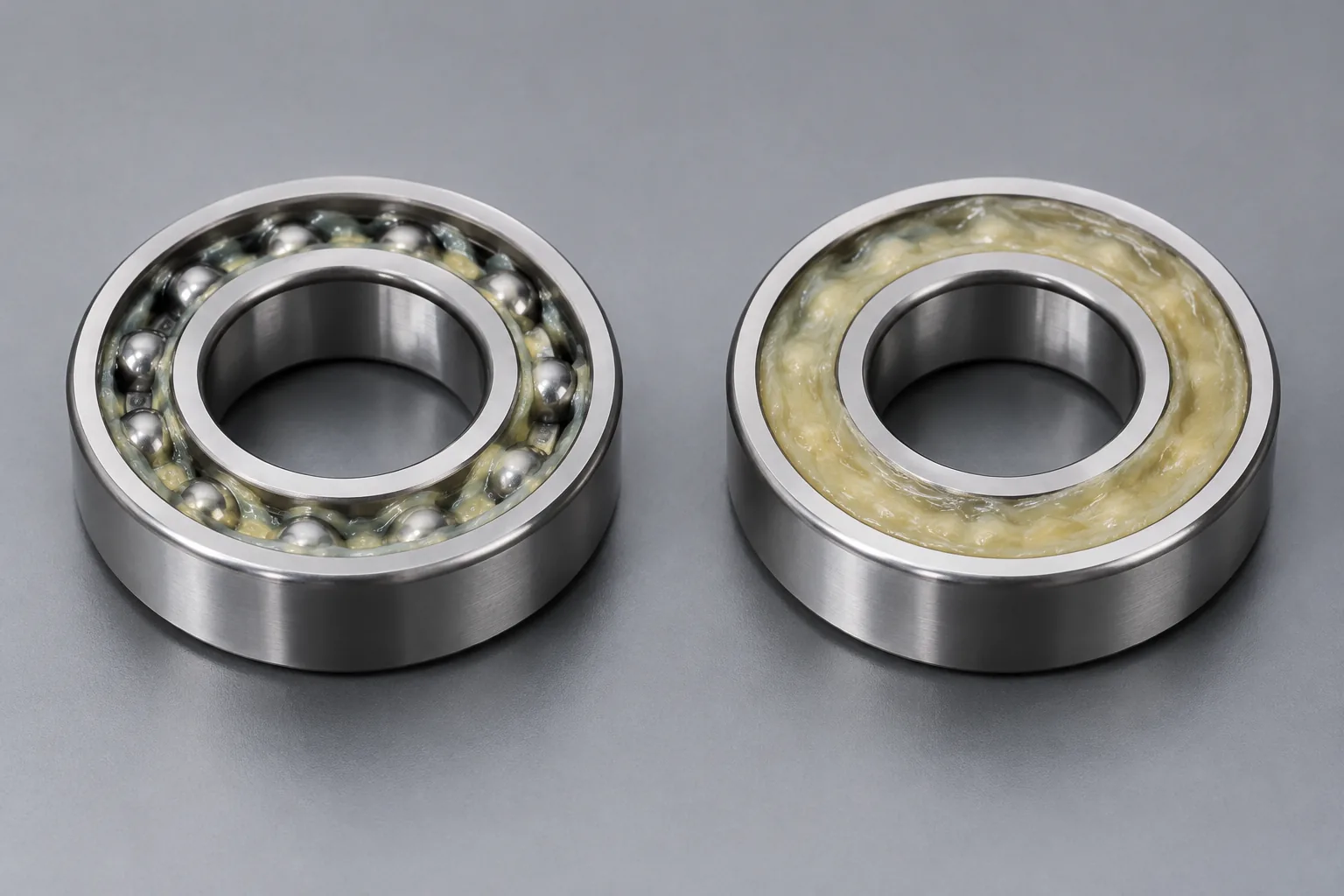
Under-lubrication allows metal contact, wear, and noise. Over-lubrication increases churning resistance, heat, and seal pressure. After relubrication, watch temperature, noise, and purge behavior. Set the quantity from cavity volume, speed, and delivery method. High-speed bearings usually need tighter grease quantity control. Some low-speed heavy-load or high-contamination duties may use a higher fill ratio, but that should be confirmed for the application.
Lubricant Compatibility and Changeover
Before changing lubricant, assess base oil, thickener, and additive compatibility. Incompatible mixing can soften, harden, cause oil bleed, or reduce protection. A changeover includes draining or purging the old lubricant, cleaning, inspecting seals, and refilling. After a change on critical equipment, monitor temperature, vibration, and noise more closely. Moving from one thickener type to another usually needs more thorough cleaning. A simplified changeover is acceptable when the supplier confirms compatibility and site experience supports it.
Contamination Control and Storage
Dust, water, and foreign matter are major influences on lubricant and bearing life. Store lubricants in sealed containers and keep containers, funnels, and greasing tools clean. Label different lubricants clearly to prevent cross-contamination and misuse. Follow the supplier’s storage conditions and shelf life. Humid or outdoor storage needs extra protection. Do not use an expired lubricant in a critical bearing without an assessment.
Safety, Environmental, and Disposal Considerations
Read the safety data sheet before use. Avoid prolonged skin contact, eye contact, and inhalation of oil mist. Dispose of waste grease and oil according to local regulations. Food-contact, cleanroom, or biodegradable applications need the appropriate compliance confirmation. Ordinary industrial lubricants are not automatically suitable for food-contact areas.
Common Lubrication Problems and Troubleshooting
Common signs include overheating, noise, leakage, grease discoloration, hardening, and abnormal purging. Check lubricant type, quantity, contamination, seals, and installation. Lubrication problems can be confused with misalignment, clearance, vibration, or overload. Relubrication history, temperature records, and vibration trends help locate the cause. Start by confirming that the lubricant matches the duty and that the relubrication record is correct. A color change alone does not identify the root cause.
Overheating, Noise, and Leakage
Overheating may come from overgreasing, too high a viscosity, starvation, or contamination. Noise may come from under-lubrication, contamination, or bearing damage. Leakage may come from high oil level, seal damage, or grease oil bleed. Use temperature, vibration, and relubrication records together. A short temperature rise after relubrication is different from a persistent rise. Set alarm limits from the application’s normal baseline, not from a single universal number.
Wrong Lubricant, Mixing, and Contamination
A wrong lubricant may give an insufficient film, compatibility problems, or poor relubrication performance. Mixing greases can change consistency and oil bleed. Water and particles accelerate wear and corrosion. Corrective action includes confirming compatibility, cleaning, replacing the lubricant, and improving contamination control. After mixing is found, decide whether to change immediately or monitor, based on criticality and the supplier’s advice.
Bearing Lubrication Checklist
Use a checklist to keep selection and maintenance consistent. It supports the maintenance plan but does not replace a duty-specific calculation or supplier confirmation.
- Confirm the bearing type and the OEM lubrication requirement.
- Record load, speed, temperature, environment, and operating cycle.
- Select grease, oil, or solid lubricant and check base oil viscosity, NLGI grade, or ISO VG.
- Confirm thickener or additive compatibility and contamination control.
- Define initial fill, relubrication interval, quantity, and monitoring method.
- Train maintenance staff and record relubrication history.
For critical equipment, make the checklist part of the maintenance work instruction.
Conclusion
Bearing lubricants are part of the bearing system, not a consumable added at the end. Match the lubricant form and grade to load, speed, temperature, contamination, and maintenance access, then confirm the choice with the bearing manufacturer’s specification. Control fill quantity, relubrication interval, and cleanliness, and monitor temperature, noise, and vibration after any change. A documented, application-specific lubrication plan is more reliable than a single universal grade recommendation.
FAQs
Q1: Grease or oil: which should I use for a bearing?
A: Use grease when retention, sealing, and simple maintenance matter, and oil when speed, cooling, filtration, or circulation are the main needs. Confirm the bearing manufacturer’s recommendation and the actual load, speed, temperature, and contamination conditions before deciding.
Q2: What does NLGI grade mean?
A: NLGI grade describes grease consistency, or how soft or hard the grease is. It does not define base oil viscosity or load capacity, so check the full formulation and the application conditions.
Q3: How much grease should I add to a bearing?
A: Use the bearing manufacturer’s fill quantity for the cavity, speed, and mounting position. Avoid filling the entire free space unless the application specifies it, and control running top-up more tightly on high-speed bearings.
Q4: How often should bearings be relubricated?
A: Base the interval on temperature, speed, load, contamination, and the lubricant’s life. Use the bearing or lubricant supplier’s method, then adjust from inspection, temperature records, and operating experience.
Q5: Can I mix two different bearing greases?
A: Mix only when the supplier confirms compatibility. Different thickeners or additive packages can soften, harden, or cause oil bleed. If an emergency top-up is unavoidable, replace it with a confirmed compatible grease as soon as practical.
Q6: Do I need food-grade bearing lubricant?
A: Use a food-grade lubricant when the bearing can contact food or food-contact surfaces. Confirm the required compliance category and documentation with the lubricant supplier. Standard industrial grease is not automatically suitable for food areas.
Q7: How do I choose bearing oil viscosity?
A: Choose viscosity at the actual operating temperature, then check speed, load, and start-up conditions. Too low a viscosity may give an insufficient film; too high a viscosity increases churning and heat. Use the bearing maker’s selection method rather than a single ISO VG chart.
Q8: What causes grease to turn hard or leak oil?
A: Hardening can come from oxidation, high temperature, contamination, or thickener incompatibility. Oil bleed can come from storage, temperature, or formulation. Check the grease condition, operating temperature, and mixing history before changing products.
Q9: Are solid lubricants suitable for normal bearings?
A: Solid lubricants are for special conditions such as extreme temperature, vacuum, or where grease and oil are impractical. They are not the default for normal industrial bearings. Confirm bearing type, cage material, and application validation before use.
Q10: What are signs of overgreasing or under-lubrication?
A: Overgreasing can raise temperature, churning, and seal pressure; under-lubrication can produce noise, wear, and heat. Watch temperature, noise, vibration, and purge behavior after relubrication. A persistent change needs investigation, not another automatic top-up.