In bearing applications, seal failure is one of the most common causes of premature bearing failure—whether it leads to lubricant leakage, contaminant ingress, or excessive heat generation. For engineers and purchasers, selecting the correct bearing seal type is not just a design detail; it directly impacts equipment reliability, maintenance intervals, and total cost of ownership. This guide draws on practical bearing manufacturing experience to help you navigate seal selection with a clear understanding of how different bearing types, operating conditions, and material choices interact.
Key Factors to Consider When Selecting Bearing Seals
The right seal depends on more than just the bearing size. Here are the critical factors to evaluate:
Bearing type and design
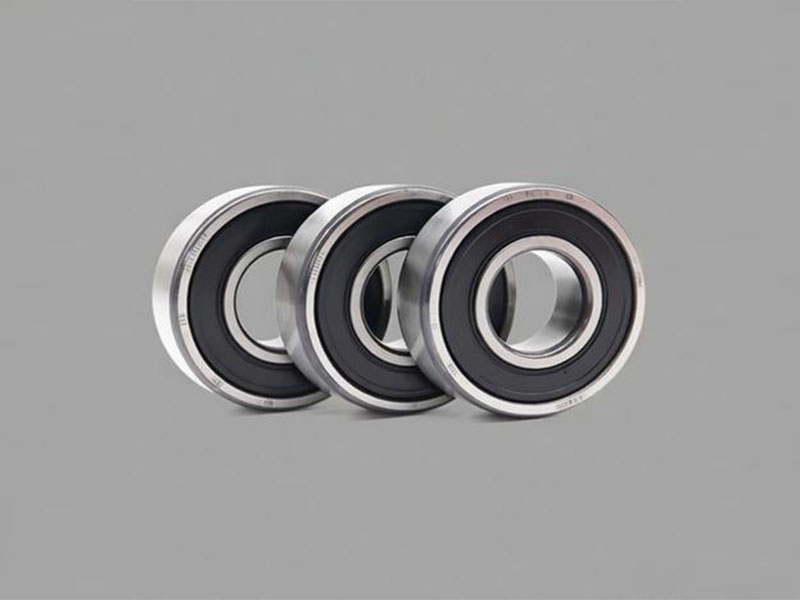
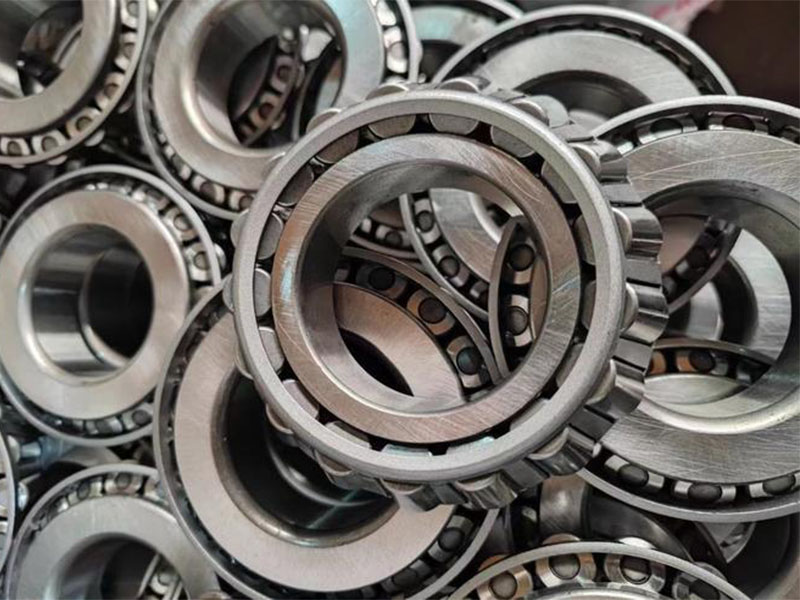
Different bearing families have distinct sealing requirements. For example, deep groove ball bearings often accommodate standardized shields or rubber seals, while hub bearing units in automotive applications integrate multi-lip contact seals designed for high contamination exposure. Tapered roller bearings may require separate seal arrangements due to their separable design.
Lubricant compatibility
Seal materials must resist the base oil and additives in grease or oil. Synthetic lubricants, common in high-temperature applications, require advanced elastomers like FKM.
Seal friction torque and power loss
Contact seals add friction, which affects energy efficiency—critical in electric vehicles and high-speed machinery. Non-contact seals minimize drag but offer less protection.
Shaft surface speed
High-speed applications (e.g., electric motors, spindles) favor low-friction or non-contact seals to prevent heat buildup and lip wear.
Available installation space
In compact designs like automotive wheel hubs, space constraints often dictate integrated seal designs rather than separate seals.
Environmental conditions
Moisture, road salt, dust, and chemical exposure all influence both seal type and material selection. Agricultural and construction machinery face especially harsh environments.
Cost and maintenance requirements
While a premium seal may increase initial cost, it can extend regreasing intervals and prevent costly field failures.
Basic Principles of Bearing Seals
From a bearing manufacturer’s perspective, seals fall into two fundamental categories based on how they interact with the mating surface.
Contact seals
These seals use a flexible lip (often made of nitrile rubber, FKM, or PTFE) that maintains constant contact with the shaft or inner ring. The sealing principle is straightforward: the lip blocks contaminants and retains lubricant. Examples include RS (rubber seal) designs in deep groove ball bearings. Contact seals provide superior protection but generate friction and heat, making them suitable for low-to-moderate speeds and harsh environments.
Non-contact seals
These seals rely on a narrow labyrinth gap or a metal shield to prevent contaminants from entering. Z / ZZ shields are a common example. The principle is to create a tortuous path without physical contact, offering nearly zero friction. They are ideal for clean environments and high-speed operation, but they cannot withstand water jets or fine dust.
In modern bearing design, hybrid concepts like low-friction contact seals (RZ / 2RZ) bridge the gap: they maintain light contact under static conditions but lift slightly at higher speeds, balancing protection and efficiency.
Common Bearing Seal Types and Their Applications
In the bearing industry, standardized suffixes help identify seal configurations. Understanding these is essential for both specification and replacement.
| Suffix | Type | Description | Typical Applications |
| Z / ZZ | Shield (non-contact) | Metal shield on one or both sides; low friction; minimal protection against moisture | Clean indoor machinery, fans, electric motors |
| RS / 2RS | Contact rubber seal | One or two rubber seals contacting the inner ring; excellent contamination protection | Automotive wheel bearings, agricultural equipment, heavy machinery |
| RZ / 2RZ | Low-friction contact seal | Rubber seal with reduced contact pressure; good balance of protection and low torque | Industrial gearboxes, pumps, applications requiring moderate sealing with energy efficiency |
For automotive hub bearing units, multi-lip contact seals are commonly used, often with FKM outer lips to withstand high temperatures from braking systems. In electric motor bearings, ZZ shields or low-friction RZ seals are preferred to minimize energy loss.
Seal Materials and Compatibility
The material of the seal lip determines its chemical, thermal, and mechanical limits. Leading bearing manufacturers carefully select materials based on application data.
NBR (Nitrile Rubber)
The industry standard for general-purpose applications. Good oil and grease resistance, operating temperature typically from -30°C to +100°C. Suitable for most industrial bearings under moderate conditions.
FKM / Viton®
Offers exceptional high-temperature resistance (up to +200°C) and compatibility with aggressive chemicals. Commonly used in automotive engines, wheel bearings near brakes, and chemical processing equipment.
PTFE (Polytetrafluoroethylene)
Low friction, chemically inert, and functional across a wide temperature range (-60°C to +200°C). PTFE lip seals are often used in high-speed, low-torque applications such as machine tool spindles and food-grade equipment.
PEEK (Polyetheretherketone)
A high-performance engineering plastic used in extreme environments where traditional elastomers fail. PEEK seals provide excellent wear resistance, chemical stability, and mechanical strength, making them suitable for aerospace, medical, and high-temperature industrial applications.
Seal Selection Step-by-Step
To systematically choose the correct bearing seal, follow this decision framework—one that bearing manufacturers use during product development.
Assess the operating environment
Identify contaminants (dust, water, mud, chemicals) and temperature extremes. For example, a wheel bearing exposed to road salt and brake heat will require a contact seal with FKM lip.
Determine speed range
Calculate the shaft speed (or bearing rotational speed) in RPM. For speeds above the recommended limit for contact seals, consider ZZ shields or low-friction RZ designs.
Evaluate torque and energy consumption requirements
In applications like electric vehicles or solar trackers, every watt counts. Here, low-friction seals or non-contact designs are critical to maximizing efficiency.
Verify installation space and cost constraints
Check whether the bearing housing allows for a separate seal or if an integrated sealed bearing is required. Also consider the total lifecycle cost rather than just initial purchase price.
Validate material compatibility
Cross-reference seal material with lubricant type and environmental chemicals. A mismatch can lead to swelling, hardening, or premature cracking.
Common Mistakes to Avoid in Bearing Seal Selection
Using a contact seal in a clean, high-speed application
Over-sealing introduces unnecessary friction, heat, and energy loss. In such cases, a ZZ shield or RZ seal would be more appropriate.
Using a shield in a wet or dusty environment
Under-sealing leads to rapid contamination ingress, resulting in bearing failure far sooner than expected.
Ignoring temperature extremes
Standard NBR seals fail prematurely in high-temperature environments. Switching to FKM or PTFE can dramatically extend service life.
Overlooking lubricant interaction
Some synthetic greases can cause swelling in standard NBR seals. Always check compatibility with the bearing manufacturer.
Conclusion
Selecting the right bearing seal is a critical engineering decision that affects bearing life, equipment reliability, and operational efficiency. By carefully evaluating environmental conditions, speed, torque requirements, and material compatibility—and by understanding the performance characteristics of Z, RS, and RZ seal types—you can avoid common failures and optimize your application.
DUHUI specializes in manufacturing high-quality wheel hub bearings and a wide range of other bearing types. If you have a specific application in mind or need support in seal selection, we are happy to provide professional recommendations tailored to your needs.