Quick Answer: Replace a U-joint by removing the drive shaft, pressing out the old joint, cleaning the yokes, pressing in the new joint with a press tool or vise, and reinstalling the shaft with proper torque. The process takes 2–3 hours and requires basic hand tools plus a U-joint press.
A worn universal joint (U-joint) on the drive shaft can cause clunking noises, vibrations, or even driveline failure. Replacing a U-joint is a common maintenance task for rear‑wheel, four‑wheel, and all‑wheel drive vehicles. This guide provides a clear, step‑by‑step procedure on how to replace a U-joint on a drive shaft using basic hand tools and a dedicated press tool.
Tools and Materials Needed for Replacement
- Floor jack and jack stands
- Wheel chocks
- Socket set and combination wrenches
- Snap ring pliers
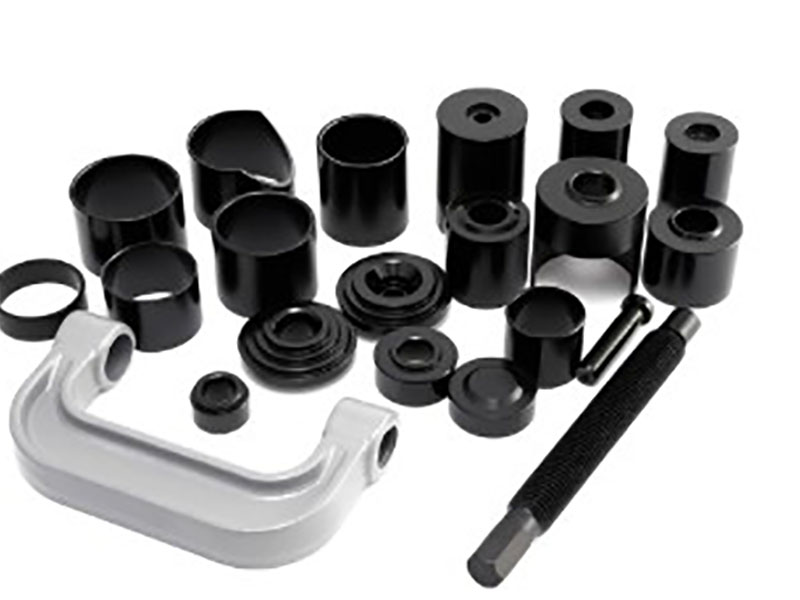
- U-joint press tool (or a bench vise with suitable sockets)
- Rubber mallet
- Grease gun (if the new joint has a grease fitting)
- Marker or paint pen
- Clean rags
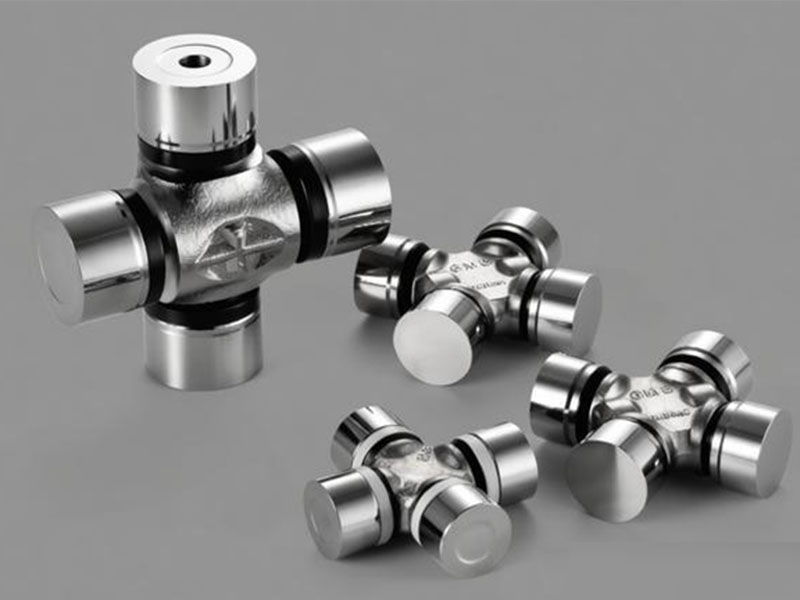
- Replacement U-joint (confirm correct size and fitment for the vehicle)
Step‑by‑Step Guide to Replace a U-joint
Step 1: Remove the Drive Shaft
Park the vehicle on a level surface, engage the parking brake, and place wheel chocks around the tires. Raise the rear of the vehicle with a floor jack and support it securely on jack stands.
Mark the orientation of the drive shaft relative to the differential flange and the transmission output. Use a marker to draw a line across both mating surfaces – this ensures the shaft will be reinstalled with the correct phase to avoid vibration.
Using a socket and wrench, remove the bolts or straps that secure the drive shaft to the differential pinion flange. Slide the drive shaft toward the front of the vehicle to disengage it from the transmission or transfer case, then remove it completely.
Step 2: Remove the Old U-joint
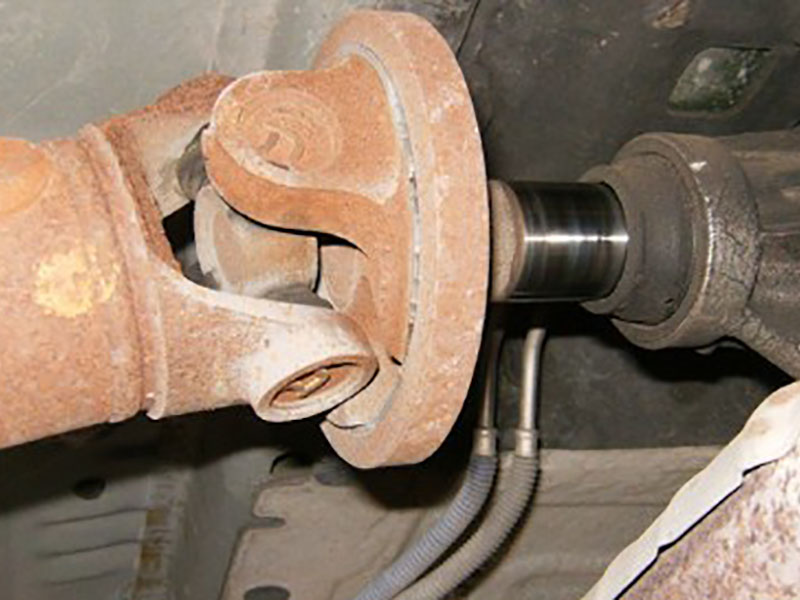
Place the drive shaft in a bench vise or on a clean work surface with the U-joint to be replaced accessible.
Use snap ring pliers to remove all four snap rings from the ends of the bearing cups. Some designs use internal snap rings; others use external rings – the removal method is the same.
Position the U-joint press tool (or a large socket slightly smaller than the bearing cup) against one cup. Tighten the press or tap the socket with a rubber mallet to drive the cup out of the yoke. Repeat on the opposite cup to remove the cross (the center “spider”).
Once the cross is free, press out the two remaining cups on the other side of the yoke using the same method.
Step 3: Clean the Yokes
Wipe the inside of all four yoke bores with a clean rag to remove old grease, rust, or debris. Pay special attention to the snap ring grooves – any contamination here can prevent the new snap rings from seating correctly.
Step 4: Install the New U-joint
If the new U-joint does not have pre‑applied grease on the needle bearings, it is advisable to add a small amount of high‑quality extreme pressure lithium grease to each bearing cup before assembly. This step reduces initial wear and ensures proper lubrication.
Place the cross into the yoke opening. Insert one bearing cup partially into the yoke bore, making sure it is perfectly aligned. Use the press tool or a vise with a socket to push the cup steadily into the bore until the snap ring groove becomes visible. Install a new snap ring.
Repeat the process for the opposite bearing cup. Align the cross so that it stays centered, then press the second cup in and secure it with its snap ring. Perform the same procedure for the other two cups on the opposite yoke.
After installation, rotate the cross by hand. It should move smoothly without binding. If the joint feels stiff, tap the side of the yoke lightly with a rubber mallet – this often re‑aligns the needle bearings.
Step 5: Reinstall the Drive Shaft
Clean the mating flanges and align the marks made during removal. Slide the drive shaft back onto the transmission output and position the rear flange against the differential pinion.
Install the bolts or straps and tighten them to the manufacturer’s specified torque. Torque values vary by vehicle; common rear U-joint bolts range from 40 to 125 lb‑ft (55–170 N·m). Using a torque wrench prevents under‑ or over‑tightening.
If the new U-joint has a grease fitting, attach a grease gun and pump grease until fresh grease emerges from all four bearing cup seals. This purges any trapped air and contaminants.
Step 6: Test Drive
Lower the vehicle to the ground. Start the engine and slowly drive in a safe area. Listen for unusual clunks when shifting from park to drive or reverse. Accelerate smoothly to highway speeds and note any vibrations. A successful replacement will result in quiet, smooth operation with no driveline shudder.
Important Precautions During Replacement
- Always mark the drive shaft orientation before removal. Failure to do so can cause vibration even with a new U-joint.
- Never strike the bearing cups directly with a hammer – this can crack the cups or dislodge the needle bearings. Always use a socket or press tool as an intermediate driver.
- Do not hammer on the drive shaft tube – any dent or bend will destroy its balance.
- If the new joint feels excessively tight after installation, do not force it onto the vehicle. Tap the yoke gently to relieve binding, or disassemble and inspect the needle bearings.
- Replace both U-joints on the same drive shaft if the other shows any wear – this saves labour and prevents a repeat failure.
Conclusion
Knowing how to replace a U-joint on a drive shaft is a valuable skill for any vehicle owner or mechanic. The process involves removing the drive shaft, pressing out the old joint, cleaning the yokes, pressing in the new joint, and reinstalling the shaft with proper alignment and torque. Following the steps and precautions outlined above will restore driveline smoothness and reliability. Always refer to the vehicle’s service manual for specific torque specifications and safety procedures.
Frequently Asked Questions
Q: Can I replace a U-joint without a press tool?
A: Yes. A bench vise and a set of sockets can be used to press the cups in and out. Alternatively, a large C‑clamp with sockets works for many light‑duty vehicles. However, a dedicated U-joint press is safer and more consistent.
Q: Why does the new U-joint feel stiff after pressing?
A: This is usually caused by misaligned needle bearings. Tapping the side of the yoke with a rubber mallet often frees them. If stiffness persists, remove the snap rings and check whether any needle has fallen out of position.
Q: How do I know which snap ring to use?
A: Use the snap ring that fits snugly into the groove without excessive play. Many replacement U-joints include rings of different thicknesses – choose the one that allows the bearing cup to sit flush while leaving the groove fully exposed.
Q: Should I replace only one U-joint or both on the same shaft?
A: It is strongly recommended to replace both joints at the same time. When one joint has worn to the point of symptoms, the other typically has similar mileage and will likely fail soon. Replacing both avoids doing the job again in a few months.
Q: Is it necessary to lubricate a “greaseless” U-joint?
A: No. Sealed, maintenance‑free U-joints come pre‑lubricated and cannot be regreased. Install them as they are. For joints with a grease fitting, regular lubrication (e.g., at every oil change) extends service life.