Quick Answer: Most CV joint failures are preventable. Check axle alignment and suspension geometry first. Always use the correct axle length for your transmission. Never over‑grease – follow the manual’s quantity. Replace transmission seals with every axle install. If you hear clicking after replacement, apply moly grease to the axle shoulder and re‑torque the nut. On high‑mileage vehicles, replace both half‑shafts together.
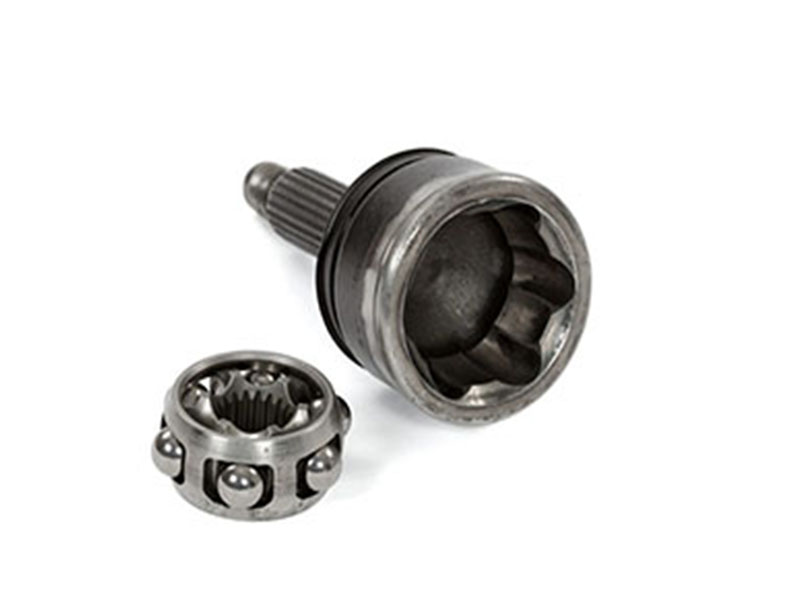
Constant velocity (CV) joints are essential for transmitting power at a variable angle while keeping rotational speed constant – a principle first put into practice by Ford engineer Alfred Hans Rzeppa in the 1930s. His six‑ball design made front‑wheel drive practical and durable. Today, a failed CV joint is rarely a result of normal wear alone. External factors such as worn transmission mounts, misaligned subframes, or incorrect suspension geometry often do more damage than a torn boot. Recognizing and avoiding eleven common CV joint mistakes can extend axle life, reduce comebacks, and improve workshop efficiency. Below are eleven frequent errors encountered during CV joint diagnosis, replacement, and installation – and how to prevent each one.
Mistake 1: Ignoring Axle Alignment
A misaligned subframe or deteriorated engine mount alters the working angles of both inner and outer CV joints. The outer joint may exceed its maximum allowed operating angle (typically 45° for most CV joints), while the inner plunge joint can bottom out during suspension travel. When a replacement axle is only close to, but not precisely meeting, OEM specifications, misalignment becomes even worse. Some manufacturers, such as Honda, require a specific centering procedure that involves loosening motor mounts before installing axles. Modified vehicles demand extra attention: lifting a truck increases joint angles, and prolonged operation beyond 45° accelerates race and ball wear. For lifted trucks, purpose‑built longer half‑shafts are available to mitigate this risk.
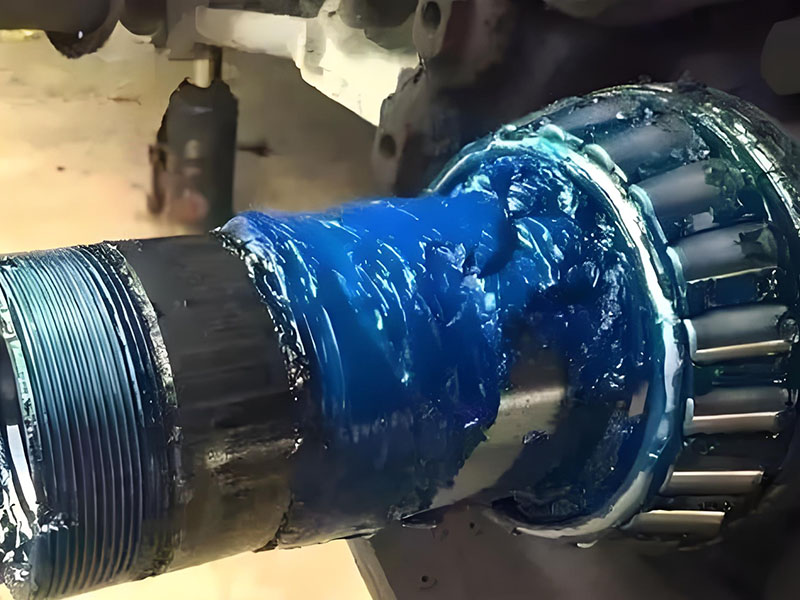
Mistake 2: Installing the Wrong Axle
Even a few millimeters of length difference between a manual‑transmission axle and an automatic‑transmission axle can cause immediate problems. An axle that is too long forces the inner joint to bottom out, damaging the balls, bearings, and race surfaces. Conversely, an axle that is too short may pull out of the plunge joint under certain conditions, such as when the suspension fully droops. Always verify the correct part number and measure the collapsed and extended lengths against the original axle before installation.
Mistake 3: Overlooking Wheel Alignment
When a CV joint fails, the suspension should always be inspected for bent components. A deformed steering arm or strut rod changes the joint’s range of motion. On an alignment rack, check the included angle – an abnormal reading often signals a bent knuckle or control arm. Ignoring alignment not only compromises CV joint life but also leads to uneven tire wear and poor handling.
Mistake 4: Adding Too Much Grease
CV joints generate significant heat from internal friction and from heat conducted from the brakes and engine. This heat causes both the grease and the trapped air inside the joint to expand. Over‑greasing creates excessive internal pressure, which can force the boot off the joint body. Always follow the manufacturer’s recommended grease quantity – more is not better.
Mistake 5: Neglecting Transmission, Differential, or Transfer Case Seals
Replacing a half‑shaft without also replacing the seal where it enters the transmission, differential, or transfer case is a common oversight. The splines on a new axle can easily nick the seal lip during installation, leading to a slow leak days or weeks later. The sealing surface on the axle shaft must be free of rust and imperfections. Use only fine‑grade emery paper to clean rust; if a groove is present, either replace the axle or install a repair sleeve (where applicable). Equally important is ensuring the new seal is seated squarely and at the correct depth.
Mistake 6: Replacing Only the Boot While Ignoring Internal Wear
A torn boot does not automatically condemn the CV joint, but waiting too long guarantees damage. Even if grease has not completely leaked out, contaminants may have already entered. CV joint wear surfaces – the cage, balls, and races – are induction‑hardened. Once this hardened layer is compromised by debris or loss of lubrication, the damage is usually irreversible. If the grease feels gritty or has changed color (milky white or dark brown), replacing only the boot is a temporary fix that will soon require a full axle replacement.
Mistake 7: Blocking the Differential or Transmission Breather
The breather valve on a differential or transmission allows internal pressure to equalize as temperatures rise and fall. A clogged breather can create positive or negative pressure inside the housing, which forces oil past seals and eventually leads to leaks. Any leak at the half‑shaft output can contaminate brakes, damage wheel bearings, or even ruin the differential. Cleaning or replacing a blocked breather is a simple, low‑cost step that prevents major failures.
Mistake 8: Failing to Verify New Axle Presets and Dimensions
Remanufactured or new axles sometimes require final assembly – installing the boot, adding grease, and tightening the boot clamps. Before fitting the axle, always check:
- Overall compressed and extended length
- Number of inner and outer splines
- ABS tone ring tooth count and position
A mismatch in any of these dimensions will cause immediate error codes, poor fitment, or premature wear.
Mistake 9: Ignoring Clicking or Popping Noises After Replacement
A customer may return with a clicking or popping noise during cornering, braking, or acceleration after a new axle or wheel bearing has been installed. Technical service bulletins from Nissan, BMW, and Mercedes‑Benz point to two main causes:
- Lack of lubrication on the axle shoulder where it contacts the inner bearing race. Applying a light coating of molybdenum disulfide (moly) grease to the shoulder eliminates the metal‑to‑metal friction.
- Incorrect tightening of the axle nut. Using the wrong torque sequence or failing to reach the specified torque can leave the bearing and axle loosely mated, generating noise under load.
Mistake 10: Treating the Symptom, Not the Root Cause
A CV joint rarely “wears out” on its own. Always trace the failure back to its origin:
- Was a torn boot left unattended for weeks?
- Is a suspension arm bent, altering joint geometry?
- Are engine or transmission mounts collapsed, causing misalignment?
- Has the vehicle been lifted or lowered without compensating axle angles?
Fixing only the joint without addressing the underlying condition guarantees a repeat failure.
Mistake 11: Improper Installation Technique
During installation, never leave the half‑shaft hanging unsupported while the outer end is not yet secured. The weight of the unsupported shaft pulls on the inner plunge joint, potentially damaging internal components before the vehicle even moves. Always support the axle until both ends are properly fastened.
Conclusion
Avoiding these eleven common CV joint mistakes comes down to three principles: correct diagnosis, root‑cause repair, and disciplined installation. Check alignment, use the right axle, never over‑grease, always replace seals, and verify every new part before fitting it. When a post‑repair click appears, first suspect the axle shoulder or the nut torque. By following these practices, workshops can reduce comebacks and extend CV joint service life – a clear benefit for both the repairer and the vehicle owner.
FAQs
Q1: Is it a mistake to replace only the boot if the tear is very small?
A: It depends on timing. If discovered early and the grease is still clean and free of grit, boot‑only replacement can work. However, if a clicking noise exists or the grease feels gritty or discolored (see Mistake 6), internal damage has already occurred – replacing only the boot will not restore the joint.
Q2: Should both half‑shafts be replaced when only one side fails?
A: Not always, but on high‑mileage vehicles the remaining original axle often fails soon after. While this article does not list it as a separate mistake, many technicians recommend replacing both axles to avoid a second repair in the near future.
Q3: Is adding extra grease a good safety margin?
A: No. Over‑greasing (see Mistake 4) leads to thermal expansion that can push the boot off the joint. Always use the precise quantity specified in the service manual.
Q4: After installing a new axle, there is still a click on turns – is the new axle defective?
A: Not necessarily. First check the two causes listed in Mistake 9: insufficient moly grease on the axle shoulder, and incorrect tightening of the axle nut. Both are far more common than a defective new part.
Q5: Do I really need to replace the transmission seal when fitting a new axle?
A: Yes. As described in Mistake 5, the splines on a new axle can easily cut the seal lip, leading to a leak that often appears weeks later. Replacing the seal is inexpensive insurance.
Q6: What does “axle alignment” mean, and do many repair shops overlook it?
A: Axle alignment refers to the centering of the half‑shaft relative to the transmission and wheel bearing. A shifted subframe or worn mounts (see Mistake 1) can cause the inner joint to bottom out or the outer joint to run beyond its 45° limit. Many shops simply swap axles without checking alignment – a frequent and costly oversight.
Q7: How can I tell if a CV joint is already damaged beyond repair when the boot is torn?
A: Open the boot and feel the grease. If it is gritty, sandy, or has turned milky white or dark brown, contaminants have entered and the induction‑hardened surfaces are likely damaged (see Mistake 6). In that case, boot replacement alone will not fix the joint.
Q8: Is it a mistake to keep the original axle after lifting or lowering a vehicle?
A: Yes. Changing ride height alters CV joint operating angles. Prolonged operation beyond 45° (see Mistake 1) accelerates wear on the balls and races. Lifted vehicles require longer aftermarket axles designed for the increased angle; lowered vehicles may need geometry correction arms or different half‑shafts.