Quick Answer
A bad wheel bearing produces a growling, humming, or rumbling noise that changes pitch or gets louder when you turn the steering wheel. Tire noise produces a rhythmic “whom-whom” or steady hum that changes with road surface but stays consistent during turns. To tell them apart: drive at 30-45 mph and gently weave left and right. If the noise changes with steering input, it is a wheel bearing. If it stays the same, it is likely tire noise.
A vehicle moving down the road with a roaring, howling, or droning sound from one of its corners is a common service bay scenario. In most cases, the culprit is either a deteriorating wheel bearing or a tire that has developed wear issues. The problem is that these two conditions produce sounds that are deceptively similar, particularly once the vehicle reaches highway cruising speeds. Even experienced technicians occasionally find themselves second-guessing which component is actually at fault.
A wrong call here is costly. Swap a bearing when the tires are the source, and the noise persists. Replace a full set of tires when the bearing was failing all along, and you have just wasted your customer’s money. This guide walks through the sound characteristics of each component, then lays out a clear, repeatable diagnostic process so you can confidently differentiate between the two before ordering any parts.
What Does a Bad Wheel Bearing Sound Like?
Common Noise Types
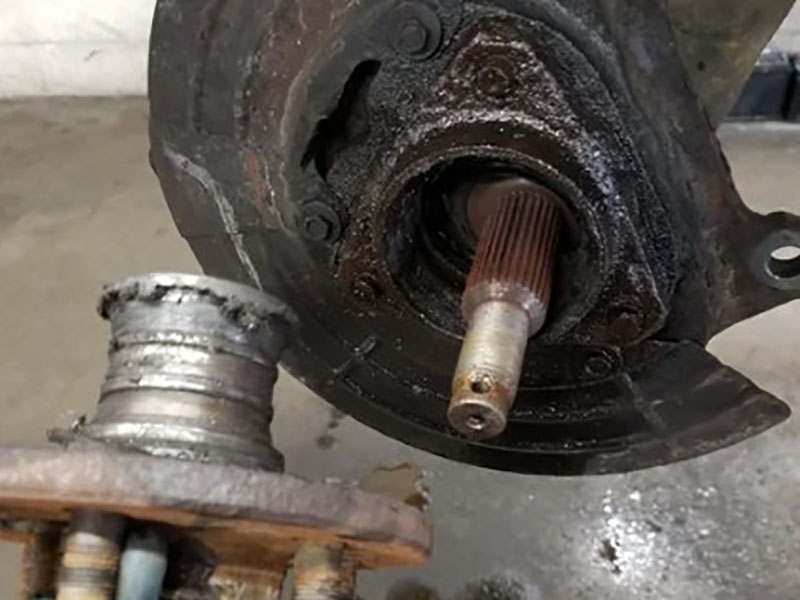
A wheel bearing on its way out produces a range of audible cues:
- A low growl or hum that tends to intensify as road speed climbs
- A metallic grinding coming from the general area of the affected wheel
- A knocking or clicking most noticeable during low-speed turns
- A squeal or rumble that becomes more pronounced under acceleration or when cornering
A failing wheel bearing often announces itself with a cyclical chirp, squeal, or growl that rises and falls with road speed.
Speed and Surface Characteristics
The pitch of a failing bearing rises with vehicle speed—lower speeds produce a deeper tone, higher speeds a sharper note. The noise is typically most noticeable around 40 mph; at very low or very high speeds, it may become less prominent or even disappear.
Another key trait: a bad bearing generally makes a consistent sound regardless of the pavement beneath you. Whether the road is fresh asphalt, coarse chip-seal, or smooth concrete, the character of the growl remains largely the same. However, the way the driver perceives the noise can vary slightly due to harmonics and how sound travels through the vehicle structure. Tire noise, by contrast, changes much more dramatically with road surface.
Importantly, while the noise is continuous when it is present, it may fade in and out at different speeds. Some speed-dependent intermittency is normal for a failing bearing—it does not have to be present at every speed to be a bearing issue. Bearing noise occurs at all driving speeds, which distinguishes it from gear whine that usually comes and goes as speed changes. If the noise seems to come and go randomly with no relation to vehicle speed or direction, that points away from a bearing. But if it disappears at certain speeds and returns at others, that alone does not rule out a bearing.
The Steering Test (Core Diagnostic Method)
This on-road maneuver is the single most reliable method for differentiating bearing noise from tire noise. Find a safe stretch of road, bring the vehicle to a steady 30-45 mph, and gently weave the steering wheel left and right—just enough to shift the vehicle’s weight from side to side.
- If the noise gets louder when you steer right, the left-side bearing (front or rear) is the prime suspect
- If the noise gets louder when you steer left, the right-side bearing is likely the issue
- If the noise level remains unchanged throughout the weave, you can confidently rule out a bearing problem
The physics behind this is straightforward: when you turn, the outside wheel works harder and carries more load. A bearing that is already failing will protest more loudly when asked to carry extra weight. And the side that gets louder during a turn is actually the opposite side from the one you are steering toward—turning right loads the left side; turning left loads the right side.
What Does Tire Noise Sound Like?
Tire noise behaves differently from bearing noise in several important ways.
Sound Profile of Tire Noise
Technicians and drivers often describe tire noise as a rhythmic “whom-whom” or a steady hum that seems to sync with wheel rotation. Some call it a “wah-wah” cadence. It is also commonly referred to as “road hum” or “tire hum.”
Tire noise can also present as a repeating “whap-whap-whap” that accelerates and decelerates in direct proportion to vehicle speed. This cadence is a strong indicator that the noise is coming from the tires rather than a bearing.
Key Causes of Tire Noise
Several factors can turn a quiet tire into a noisy one:
- Chopped or cupped tread – uneven wear patterns that cause tread blocks to slap the pavement
- Low inflation pressure – an under-inflated tire changes its contact patch and increases rolling noise
- Misaligned suspension geometry – improper alignment leads to feathering and scalloped wear
- Extended parking periods – tires left stationary for weeks or months develop flat spots that produce a rhythmic thump
- Advanced tread wear – as tires approach the end of their service life, they become noticeably louder than when new
Surface Dependence
This is one of the most useful differentiators: tire noise changes with road surface. Take the same vehicle, at the same speed, over fresh asphalt and then over older concrete. If the noise level rises or falls significantly, you are hearing tire noise. A bad bearing, by contrast, remains largely constant across all surfaces.
Rhythmic or Cadence Character
Tire noise often has a beat to it—a rhythmic, pulsing quality tied directly to wheel rotation. You may hear a repeating thump or hum that speeds up as the vehicle accelerates and slows down as it decelerates. This rhythmic character is a dead giveaway that the noise is coming from the tires rather than a bearing.
The Tire Rotation Confirmation Test
Here is a definitive diagnostic move: rotate the tires—move the front tires to the rear and the rear tires to the front. If the noise moves to a different location on the vehicle, you have confirmed that the tires were the source all along. This simple test is one of the most conclusive ways to separate tire noise from bearing noise.
How to Tell Them Apart: Side-by-Side Diagnostic Comparison
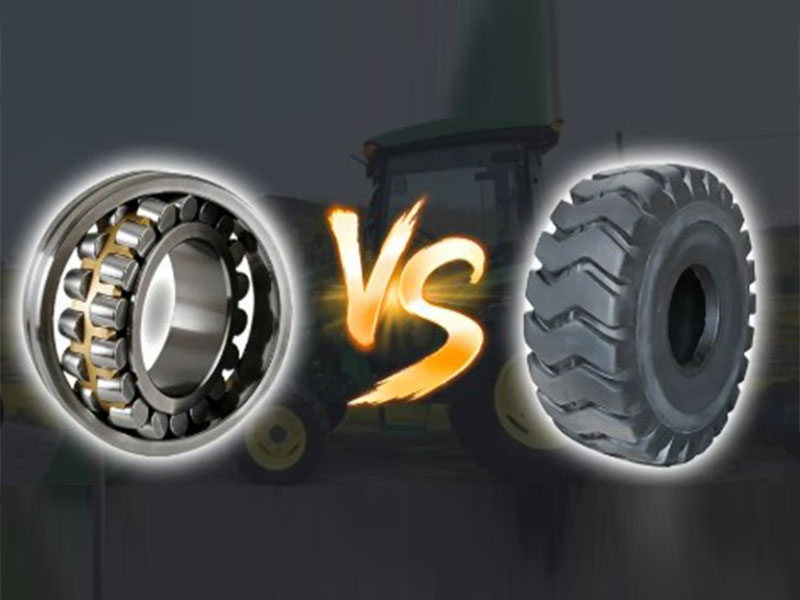
Now that you understand the sound characteristics of each component, here is a systematic comparison of the four most reliable tests.
- The Steering Test – Perform the steering test described earlier. If the noise changes during the weave—getting louder on one side or changing pitch—it points to a bearing. If the noise stays consistent throughout the maneuver, the source is more likely the tires.
- The Road Surface Test – Drive the same stretch of road at the same speed, comparing different pavement types. If the noise level changes noticeably between surfaces, it is tire noise. If it stays largely the same regardless of surface, it points to a bearing.
- The Twelve and Six O’Clock Test – Raise the vehicle so the wheel is off the ground. Grip the tire at the twelve and six o’clock positions and rock it back and forth. If you feel play or looseness, it points to a bearing. If you feel no play, the bearing is likely not the source.
- The Tire Rotation Test – Rotate the tires and observe whether the noise changes position. If the noise moves with the tire, it is a tire issue. If the noise stays at the same corner, it points to a bearing.
For the twelve and six o’clock test, if you have a dial indicator available, you can measure the runout directly by placing the indicator against the wheel flange and rocking it back and forth. Generally speaking, readings above 0.005 inches (five thousandths of an inch) indicate a bearing that is past its serviceable limit. For specific end-play specifications, always refer to the vehicle manufacturer’s service manual, as acceptable limits vary by vehicle.
What Else Could Make a Similar Noise?
Bearings and tires are not the only parts that can generate wheel-area sounds. A few other components deserve consideration.
Brake System Issues
A caliper that is sticking or a brake pad that is loose and dragging may make a metallic scraping noise as it rubs against the brake rotor or dust shield. The frequency of the noise will change with vehicle speed but will often go away or change when the brakes are lightly applied.
The key test: if the noise occurs only when braking, it is likely a brake problem such as worn pads, not a bad wheel bearing. Brake noise is directly related to the action of pressing the brake pedal, while wheel bearing noise is tied to the speed and rotation of the wheel.
CV Joint (Constant Velocity Joint) Wear
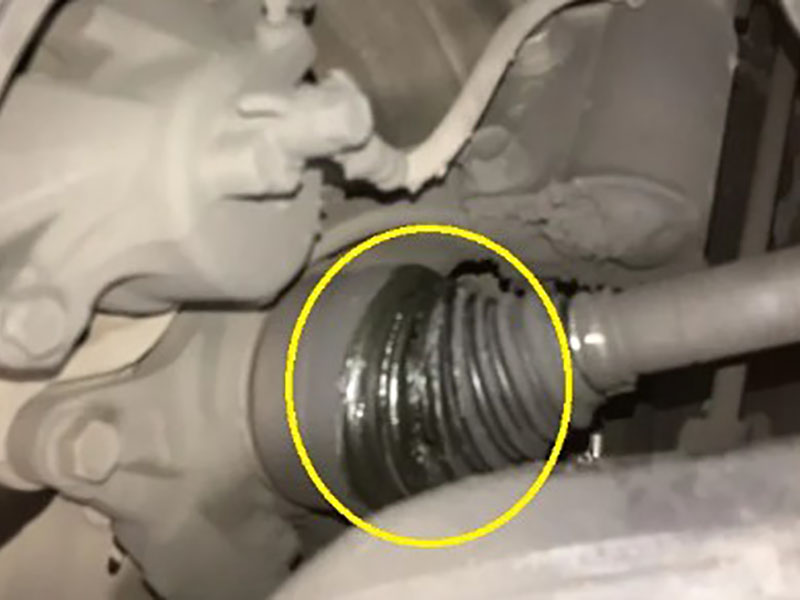
A failing outer CV joint generates a sharp popping or clicking sound during turns. The noise becomes more pronounced as you increase the steering angle, especially near full lock. Also check the condition of the CV boot—if it is split or leaking grease, the boot should be replaced regardless of whether the joint is currently making noise.
The key differentiator: CV joint noise is a distinct click or pop, particularly during sharp, slow turns like in parking lots, rather than the continuous growl or hum that characterizes a bad bearing.
Noise Transmission Path as a Diagnostic Clue
Bearings transmit their rumble upward through the strut towers in a way that tires do not. If you connect a noise-detection sensor to the top of the strut, it easily picks up the rumble and growl of a bad wheel bearing. Tires, by contrast, do not transmit noise up through the struts like bad bearings and CV joints do. Since noise is essentially vibration traveling through metal, tracing its path can help you identify the source. This difference in vibration transmission is another reliable clue: bearing-related vibrations tend to be felt more directly through the steering wheel or floorboard, while tire-induced vibrations are often less distinct and more dispersed throughout the vehicle.
Conclusion
Telling wheel bearing noise apart from tire noise boils down to three diagnostic pillars: listening to the character of the sound, performing the steering load test, and inspecting what you can see.
Here is a quick reference for the key differences:
| Diagnostic Check | Wheel Bearing | Tire |
|---|---|---|
| Steering weave test | Noise changes pitch or grows louder | Noise stays consistent |
| Change in road surface | Noise stays largely the same | Noise changes |
| Sound character | Continuous growl, rumble, or hum | Rhythmic “whom-whom” or “wah-wah” |
| Twelve/six o’clock play check | Play or looseness felt | No play present |
| Tire rotation | Noise stays at the same corner | Noise relocates with the tire |
| Vibration felt through steering wheel/seat | Common with bearing failure, often direct | Less direct, more dispersed |
Final Decision Guide
- If the steering test changes the noise – suspect the bearing on the opposite side of the turn
- If the noise changes with road surface – suspect the tires
- If the noise has a rhythmic “whap-whap” cadence – suspect the tires
- If the noise moves after tire rotation – confirmed: it is the tires
- If the twelve and six o’clock test reveals play – confirmed: it is the bearing
- If the noise occurs only when braking – suspect the brake system
- If the noise is a sharp click or pop during turns – suspect the CV joint
A correct diagnosis saves your shop time and your customers money. When the steering test points to a bearing, confirm with the twelve and six rocking check and replace the affected hub assembly. When the noise follows a tire rotation or changes with the road surface, you have found your culprit in the tires themselves. When replacement is necessary, choosing a component that meets OEM specifications ensures a lasting repair.
FAQs
Q1: Can a bad wheel bearing sound exactly like tire noise?
A: It can sound very similar, especially at highway speeds. Both produce low growls or hums that can be hard to distinguish by ear alone. The steering test is the most reliable way to separate them—bearing noise changes when you turn, tire noise does not.
Q2: What is the quickest way to tell tire noise from bearing noise?
A: Take the vehicle to 30-45 mph on a straight road. Gently weave left and right. If the noise gets louder when turning right, the left bearing is suspect. If louder when turning left, the right bearing is suspect. If the noise does not change with steering, the source is likely the tires.
Q3: Does the volume of bearing noise change with speed?
A: Yes. The growl intensifies as speed climbs and is often most noticeable around 40 mph. The pitch also shifts—lower speeds produce lower pitches, higher speeds produce higher notes. The noise may disappear at some speeds or occur only at certain speeds.
Q4: How would you describe bearing noise versus tire noise in plain terms?
A: Bearing noise: a steady, continuous growl or rumble that changes when you steer. Tire noise: a rhythmic, pulsating hum or “whom-whom” that changes when the road surface changes but stays the same during turns.
Q5: Can a failing wheel bearing wear out my tires faster?
A: Yes. A bearing that has excessive play allows the wheel to wobble slightly, which scrubs the tread unevenly over time. The resulting cupping or feathering can damage a set of tires prematurely.
Q6: Why does the noise get louder on one side during a turn?
A: When you turn, the vehicle’s weight shifts to the outside wheels. The bearing on the outside corner carries more load. If that bearing is worn, the extra weight makes it growl louder. Turning right loads the left side, so louder on a right turn means a left-side bearing issue.
Q7: What else should I check if it is not the bearing or the tires?
A: Brakes and CV joints are the next most common culprits. A dragging brake pad or sticking caliper can produce a scraping noise that often changes when you press the pedal. A worn outer CV joint generates a popping or clicking sound during turns. If the noise appears only while braking, start with the brake system.
Q8: Is it safe to drive with a bad wheel bearing?
A: No. Driving with a failing wheel bearing is not recommended and can be dangerous. Continued operation allows the bearing to deteriorate further, potentially leading to wheel seizure, excessive play, or complete wheel separation from the vehicle. These scenarios can cause loss of steering control, especially at highway speeds. If you suspect a bad bearing, have it inspected and replaced as soon as possible.
Q9: What causes wheel bearings to fail in the first place?
A: Wheel bearings typically fail due to normal wear over high mileage, though several other factors can accelerate the process. Impact damage from potholes or curb strikes can deform bearing surfaces. Water or road contaminants can intrude through damaged seals, washing away lubricant and causing corrosion. Improper installation during previous repairs—such as using incorrect torque or pressing the bearing incorrectly—can also lead to premature failure. Additionally, excessive heat from nearby brake components or general grease breakdown over time can compromise bearing integrity. Regular inspection and prompt attention to early warning signs can help prevent complete bearing failure.