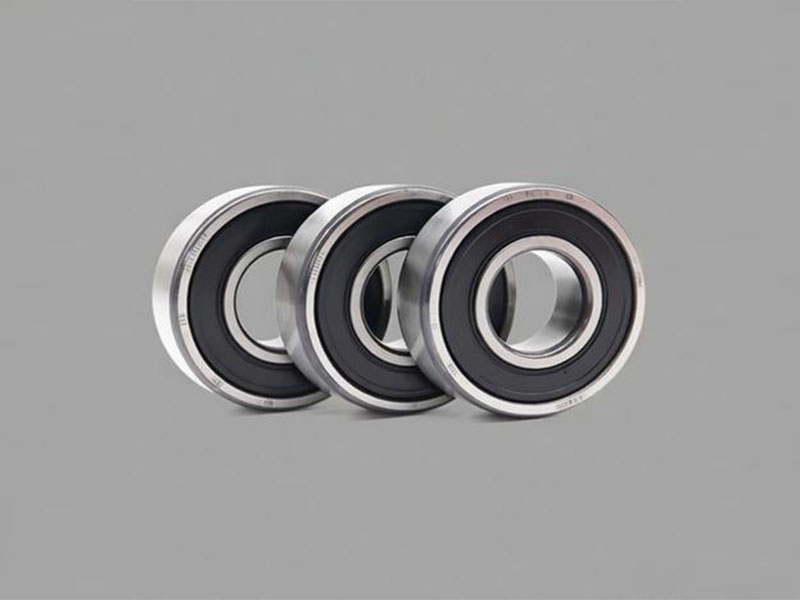
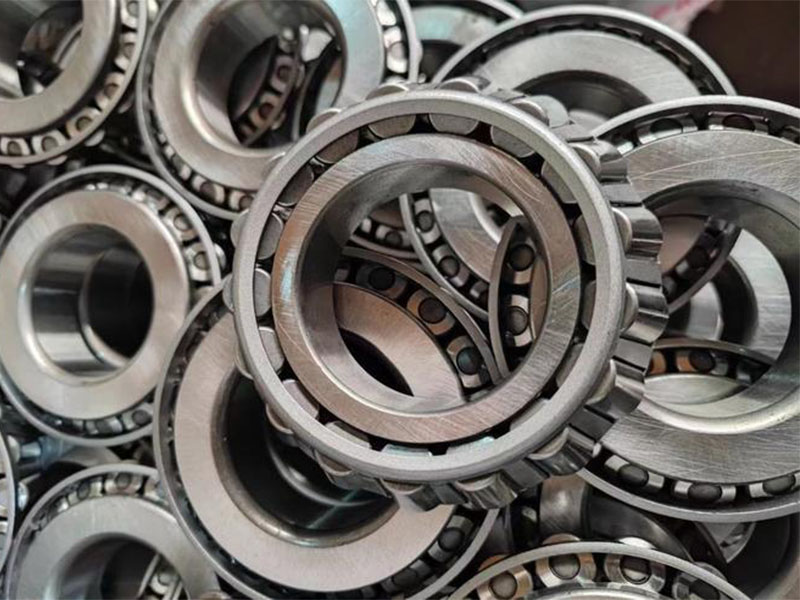
Quick Answer
Wheel hub bearings typically last 85,000 to 100,000 miles under normal driving conditions. When they fail prematurely, the culprits usually fall into four categories: impact damage from potholes and curbs, contamination from water and road salt, improper installation with incorrect torque or angled pressing, and misalignment that puts bearings under abnormal stress. Most premature failures are preventable with correct installation and quality replacement parts.
Wheel hub bearings are engineered to last the life of many vehicles – often 150,000 miles or more with normal driving. But sometimes they fail well before that mark. If you’ve ever heard a growling noise from your wheel or felt vibration through the steering wheel, you’ve experienced the result of a bearing that’s given up early.
So what actually causes these failures? Let’s break down the four main reasons wheel hub bearings go bad – and how to spot the warning signs before they leave you stranded.
Cause 1: Impact Damage
One of the most common ways a wheel bearing meets its end is through sudden, violent impact. When your tire hits a pothole, a curb, or another large obstacle with enough force, the shock travels straight through the wheel and into the bearing.
The bearing may crack immediately upon impact, or it can suffer damage that weakens the internal components. Even if the bearing doesn’t fail right away, that hidden damage creates a weak point that will eventually lead to failure down the road.
What to do: If you’ve hit a pothole or curb hard enough to feel it in the steering wheel, pay attention to how your vehicle drives afterward. Any unusual noise or handling change could indicate bearing damage that needs inspection.
Cause 2: Contamination
Wheel bearings live in a harsh environment. They’re constantly exposed to water, dust, dirt, mud, and road debris. Over time, these contaminants can work their way past the seals and into the bearing itself.
Water is a particular problem. When water gets into a bearing, it dilutes the grease and washes away the lubrication that protects the rolling elements. Once the grease is compromised, metal components start grinding against each other – and that’s when wear accelerates quickly.
Road salt is even worse. In regions that use salt or magnesium chloride on winter roads, the corrosion damage can be severe. Saltwater is almost as corrosive as ocean water on wheel bearings. As contaminants circulate through the grease and between the bearing races, they don’t just wear down the components – they can actually change the metallurgy of the bearing surfaces.
The takeaway: Sealing performance is critical to bearing durability. If the seal fails or becomes compromised, contamination follows – and the bearing’s days are numbered.
Cause 3: Improper Installation
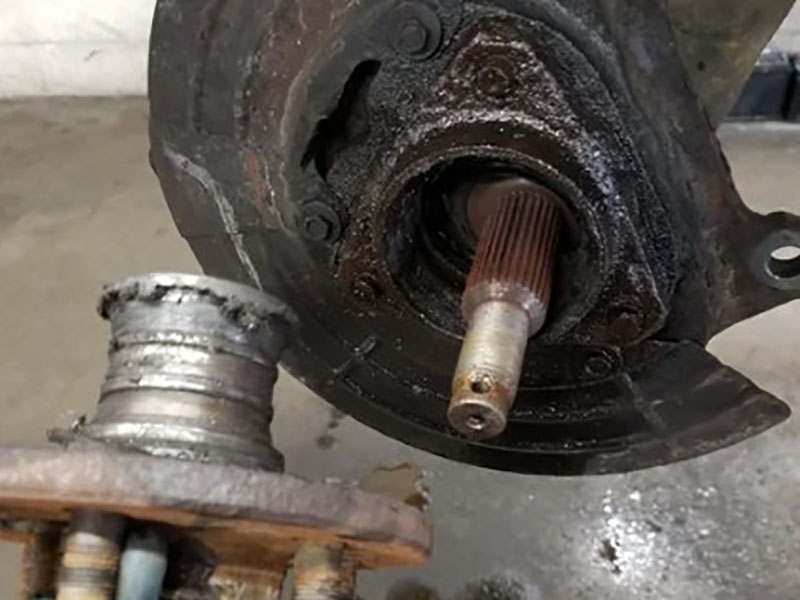
This is one of the leading causes of premature wheel bearing failure. Many bearings that fail early don’t fail because of poor manufacturing – they fail because of what happened during installation.
Here are the most common installation mistakes:
- Pressing the bearing in at an angle. When a bearing is pressed into the hub at an angle rather than straight, the pressure can damage the internal rolling elements or the seal. This damage might not be visible from the outside, but it creates a failure that will show up later – often as noise.
- Incorrect axle nut torque. The axle nut must be tightened to the manufacturer’s specified torque – and those specifications vary widely depending on the vehicle and bearing design. For hub units where the bearing preload is preset at the factory, torque specs typically range from 85 to 170 foot-pounds. For designs where the nut itself sets the bearing preload, specifications can range from 130 to 300 foot-pounds. Too tight, and you create excessive preload that overheats and wears the bearing prematurely. Too loose, and you introduce play that allows the bearing to move and wear internally.
- Using impact tools improperly. Using an impact wrench to tighten the axle nut can easily over-torque the fastener – or fail to achieve the correct torque at all.
- Using damaged or incorrect tools. Damaged installation tools can transfer that damage to the bearing during installation. The wrong tools can also apply pressure in the wrong places.
The bottom line: Most bearing warranty claims trace back to installation errors. Following the vehicle manufacturer’s procedure and torque specifications isn’t optional – it’s essential.
Cause 4: Improper Alignment
Wheel bearings are designed to carry loads in specific directions. When your vehicle’s alignment is off, the bearings end up carrying loads they weren’t designed for.
Here’s how it works: When you’re driving straight on a properly aligned vehicle, the bearing experiences minimal stress. But when the alignment is out of spec, the vehicle tends to pull to one side. The driver compensates by constantly making small steering corrections – and those corrections put the bearing under the same kind of stress it would experience during a turn.
Over thousands of miles, that extra stress adds up. The bearing wears faster than it should, and failure comes sooner than expected.
What to watch for: If your vehicle pulls to one side or your steering wheel isn’t centered when driving straight, don’t ignore it. An alignment check might save your bearings from premature failure.
Symptoms of a Failing Wheel Hub Bearing
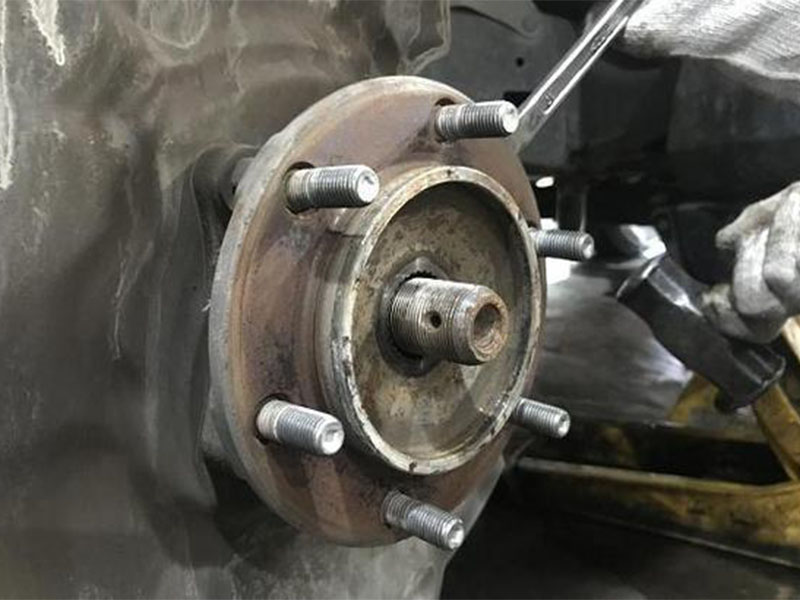
How do you know when a wheel bearing is going bad? Here are the most common warning signs:
- Growling, rumbling, or humming noise that changes with vehicle speed – this is often the first symptom
- Knocking or clunking sounds during acceleration
- Steering wheel vibration or looseness that feels different from a tire balance issue
- Vehicle pulling to one side during braking
- Uneven brake pad or rotor wear
The noise is often most noticeable when turning, and it tends to get louder as speed increases. In many cases, at speeds above 50 mph, road noise may mask the bearing sound.
How to Diagnose a Failing Wheel Hub Bearing
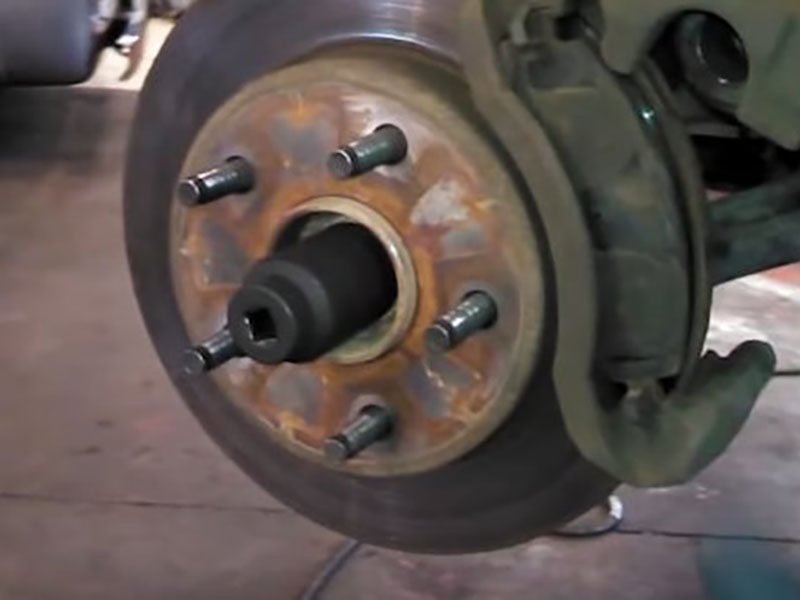
If you suspect a bad wheel bearing, here’s how to confirm it:
- Road test first. Take the vehicle for a drive and listen. A bad bearing typically makes more noise when turning in one direction than the other – which can help you identify which wheel is affected.
- Lift the vehicle. Raise the wheel off the ground so you can inspect it freely.
- Check for play. Grasp the tire at the 12 o’clock and 6 o’clock positions and try to rock it. Excessive movement indicates a worn bearing. (Note that early-stage bearing failure may not show play yet – noise often appears before looseness.)
- Spin the wheel. Depending on vehicle design, remove the tire and caliper (if accessible), then spin the hub by hand. Feel for roughness, resistance, or vibration – and compare it to the other wheels.
- Measure runout with a dial indicator. This is the most precise method. Mount a dial indicator against the hub flange and rotate the hub. The service limit for hub runout is 0.004 inches (0.10 mm). If runout exceeds this spec, the bearing has failed.
A note on differential diagnosis: Worn ball joints and tie rod ends can produce symptoms similar to a bad bearing. Always check these components as part of your diagnosis.
Conclusion
Wheel hub bearings are built to last – often 85,000 to 100,000 miles or more. But when they fail early, it’s almost always due to one of four causes: impact damage, contamination, improper installation, or misalignment.
The good news? Most of these failures are preventable. Correct installation with the right tools and proper torque specifications makes a huge difference. So does using quality replacement parts and paying attention to alignment.
If you hear that telltale growl from your wheel or feel vibration in your steering, don’t wait. A failing bearing isn’t just noisy – it’s a safety risk. Get it diagnosed and replaced before it becomes a bigger problem.
FAQs
Q1: How long do wheel hub bearings typically last?
A: Most wheel bearings last between 85,000 and 100,000 miles under normal driving conditions. Original equipment bearings are often engineered for service life beyond 100,000 miles, and many will last 150,000 miles or more. Actual lifespan depends on driving conditions, bearing quality, and maintenance.
Q2: Can I drive with a bad wheel bearing?
A: No. Driving with a failing wheel bearing is unsafe. A severely worn bearing can cause the wheel to seize or even separate from the vehicle. If you suspect a bad bearing, have it inspected and replaced immediately.
Q3: Can a bad wheel bearing cause uneven tire wear?
A: Yes. When a bearing fails, it allows the wheel to move in ways it shouldn’t. This abnormal movement can cause uneven tire wear on one side of the tire. Combined with other symptoms like noise or vibration, uneven tire wear can be a clue that a bearing is failing.
Q4: How do I know which wheel bearing is bad?
A: The noise is your best clue. A bad bearing typically makes more noise when you turn in one direction than the other. For example, if the noise gets louder when you turn right, the left bearing is likely the culprit (and vice versa). Physical inspection – checking for play and spinning the wheel – can confirm which side is affected.
Q5: Can water cause wheel bearing failure?
A: Absolutely. Water contamination is one of the primary causes of premature bearing failure. Water washes away the protective grease and causes corrosion inside the bearing. In winter, road salt accelerates this corrosion dramatically.
Q6: What’s the difference between a wheel bearing and a wheel hub assembly?
A: A wheel hub assembly is an integrated unit that contains the wheel bearing, the wheel hub, and often the ABS sensor ring – all in one pre-assembled package. A “wheel bearing” by itself is just the bearing component. Most modern vehicles use sealed hub assemblies that are replaced as a complete unit rather than serviced individually.