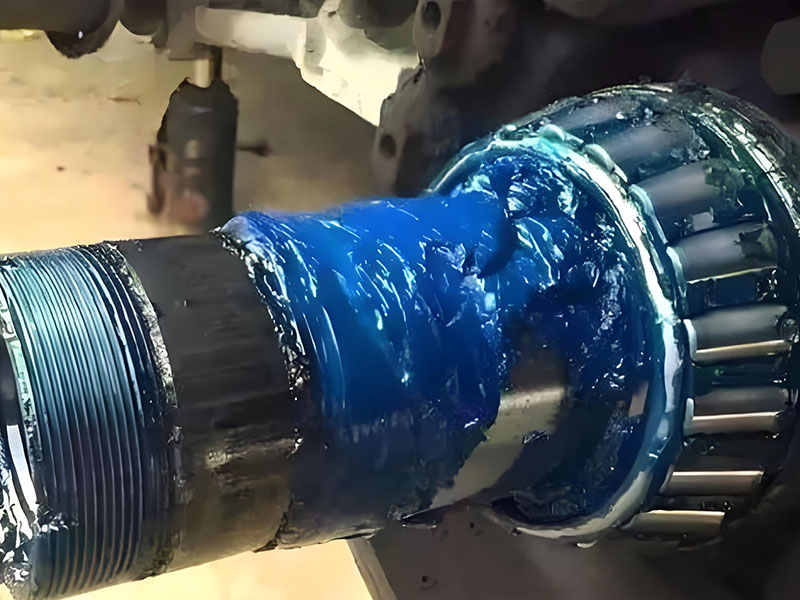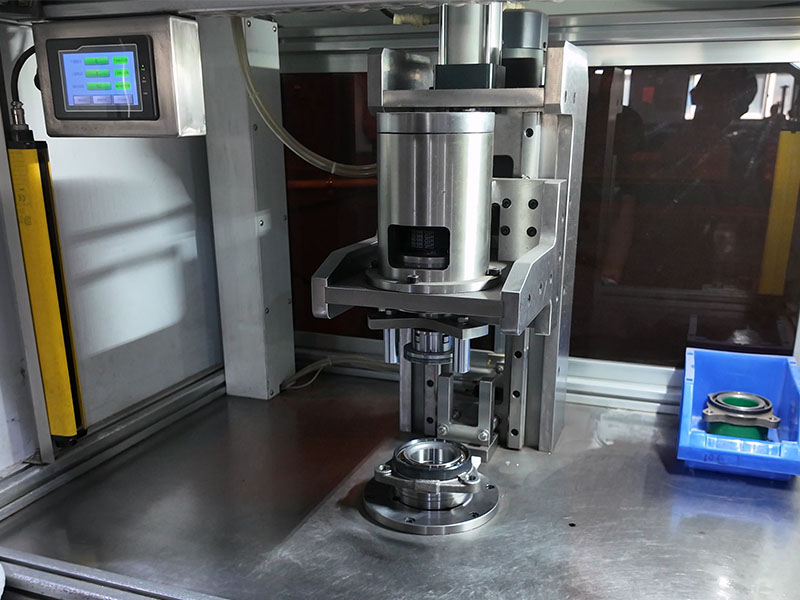
Quick Answer: Bad cam follower symptoms usually begin with ticking or tapping from the top end, then progress to rough idle, misfire, a check engine light, power loss, poor fuel economy, or metal debris in the oil. Direct-injection engines with a cam-driven high-pressure fuel pump follower may also show fuel-pressure codes, hard starting, hesitation, or limp mode. Loud metallic knocking or an oil-pressure warning means stop driving and inspect the valvetrain immediately.
A cam follower is the transmission element between a camshaft lobe and the driven valvetrain part or fuel-pump plunger. It converts rotating cam motion into precise lift. Bad cam follower symptoms can first appear as noise, poor running, or debris in the oil when the contact surface, roller, or bearing wears. Symptoms vary by follower design and engine family, and no single symptom proves the follower is the cause.
Most Common Bad Cam Follower Symptoms
The most useful checklist combines sound, running quality, oil condition, and fuel-system behavior. Common bad cam follower symptoms include:
- Top-end ticking or tapping that follows camshaft speed.
- Rough idle, shaking, misfire, or a check engine light.
- Reduced power, hesitation, or poor fuel economy.
- Metal debris, sparkles, or sludge in the oil.
- Visible scoring, pitting, flat spots, or coating loss on the follower or cam lobe.
- Fuel-pressure codes, hard starting, or limp mode on direct-injection engines with a cam-driven high-pressure fuel pump follower.
Symptom order and severity depend on follower type, wear stage, and engine design. A light tick at cold start is not the same warning as a heavy knock at idle. Any loud metal knocking or oil-pressure warning requires immediate inspection.
Ticking, Tapping, or Knocking Noise from the Top End
A failing cam follower often starts as a light tick or tap from the top end. The sound may follow camshaft speed and become louder at cold start, idle, or light load. As clearance grows or the contact surface breaks down, the noise can progress to a heavier knock or metallic rattle.
Noise location and change with RPM help separate valvetrain noise from bottom-end or accessory noise. A top-end tick that changes with camshaft speed deserves a closer look at the follower, cam lobe, and valvetrain clearances. Hydraulic and solid follower designs may behave differently when cold versus warm, so compare the sound under the same conditions each time.
Similar sounds can come from normal direct-injection injector tick, an exhaust leak, or timing-chain noise. Those possibilities should be checked before the follower is condemned.
Rough Idle, Misfire, and Check Engine Light
Severe follower or cam lobe wear can reduce valve lift and disrupt cylinder breathing. The result may be rough idle, shaking, misfire, and a check engine light. Misfire codes and cylinder-balance data are secondary indicators, not proof of follower failure.
These symptoms usually appear after wear has affected valve motion or cylinder balance. They are more likely with advanced wear or when several cylinders are affected. Ignition, fuel delivery, injector, and compression faults are more common causes of misfire and should be ruled out first.
Loss of Power, Hesitation, or Poor Fuel Economy
Reduced valvetrain motion or poor high-pressure fuel pump performance can weaken acceleration, cause hesitation, or lower fuel economy. Power loss may be gradual and easily masked by other engine faults. A driver may notice the change only when the engine is asked to pull under load.
Limp mode is more likely when fuel pressure or combustion is significantly affected. That pattern fits moderate to severe wear better than an early follower tick. Air intake, turbo, fuel, and ignition faults can produce similar performance complaints, so scan data and pressure tests matter before parts are replaced.
Metal Debris or Sparkles in Engine Oil
Follower, cam lobe, or bucket surface wear can release metal particles into the oil. A magnetic drain plug, an oil analysis report, or visible sparkles in drained oil may be the first sign. Metal debris is a severe indicator and should trigger inspection before further driving.
This is more likely in advanced wear or after coating failure. Normal break-in material and other internal wear sources can also put metal in the oil, so the find needs location and engine-specific diagnosis, not an automatic parts swap.
Visible Camshaft Lobe or Follower Wear
Inspection may reveal scoring, pitting, flat spots, coating loss, or an uneven contact pattern. A borescope can sometimes show the cam lobe and follower through an oil-fill or sensor opening; other engines need valve-cover removal or teardown. Wear limits and replacement criteria are engine-specific.
The access method depends on engine layout. Visual evidence is strongest when the wear pattern matches the noise and oil condition, but a worn-looking surface still needs measurement against the correct specification.
High-Pressure Fuel Pump Follower Symptoms on Direct-Injection Engines
Some direct-injection engines use a cam-driven high-pressure fuel pump follower. It can wear like a valvetrain follower, but the symptoms show up in fuel pressure and drivability. Watch for fuel-pressure codes, hard starting, hesitation, limp mode, and metal debris.
This symptom group applies to engines with a cam-driven high-pressure fuel pump follower. Not all cam followers drive a fuel pump. Low-pressure fuel supply, pump solenoid, sensor, and injector faults can mimic the same complaints, so pressure testing and circuit checks come before replacement.
Hard Starting, Stalling, or Limp Mode
Severe valvetrain or high-pressure fuel pump follower wear can contribute to hard starting, stalling, or reduced-power limp mode. These are advanced symptoms. They should be diagnosed before parts are replaced, because fuel pressure, compression, and valve motion can each produce a similar complaint.
Link the symptom to fuel pressure, compression, or valve motion only when testing supports that link. The problem is more likely when wear significantly affects fuel pressure or cylinder operation. Battery, starter, sensor, fuel supply, and immobilizer faults can cause similar starting or stalling problems.
Symptoms That Mean Stop Driving and Inspect Immediately
Some bad cam follower symptoms are urgent. Stop the engine and arrange inspection if you notice:
- Loud metallic knocking from the top end or valvetrain.
- Sudden severe power loss or a misfire that shakes the engine.
- An oil-pressure warning on the dash.
- Visible metal debris or sparkles in the oil.
Continuing to drive can turn a follower problem into camshaft, cylinder-head, or fuel-pump damage. Urgency depends on symptom severity and whether oil pressure or fuel pressure is affected. When in doubt, stop driving and inspect.
How Symptoms Differ by Cam Follower Type
Cam followers do not all fail the same way. The table below gives a high-level comparison; the exact wear pattern and inspection criteria remain engine-specific.
| Follower type | Typical symptom pattern | Diagnostic note |
|---|---|---|
| Flat tappet | Sliding contact; ticking can progress to a flat lobe and metal debris. | Check lobe profile and contact pattern, not just the follower face. |
| Roller | Roller or needle-bearing wear can cause ticking, play, and debris. | Inspect the roller, pin, and bearing surface for roughness or lost material. |
| Hydraulic | Noise may change with oil condition and cold or warm operation. | Confirm oil grade and pressure before blaming the follower alone. |
| Mechanical | Clearance changes can make the tick steadier and more speed-related. | Follow the engine-specific lash adjustment and inspection procedure. |
| High-pressure fuel pump follower | Wear may show as fuel-pressure codes, hard starting, hesitation, or limp mode. | Test low-pressure supply and high-pressure control before replacement. |
Do not apply one engine family’s symptom pattern to all cam followers. Some engines use buckets, rockers, or other valvetrain designs that the manufacturer may describe differently. Identify the exact follower type before judging the symptom.
Bad Cam Follower vs Other Noises and Faults
Several common faults can sound like a bad cam follower. Use location, temperature behavior, RPM relationship, and load sensitivity to narrow the source:
- Injector tick: often sharp and localized near the fuel rail; it may not track camshaft speed in the same way.
- Lifter tick: can be brief at cold start or change with oil condition; it may be a separate valvetrain part from the follower.
- Exhaust leak: often follows cold start and load, and may be heard at the manifold or downpipe.
- Timing-chain rattle: may appear at startup or specific RPM bands and can include guide or tensioner noise.
- Accessory noise: may change when the belt is removed or when a pulley is loaded.
- Rod knock: deeper, lower in the engine, and tied to engine speed rather than valvetrain motion.
Confirmation requires inspection or engine-specific diagnostic steps. Multiple faults can coexist, especially in high-mileage engines, so a single sound recording is not enough to order parts.
How to Confirm a Bad Cam Follower
Use a stepwise check rather than replacing parts on sound alone:
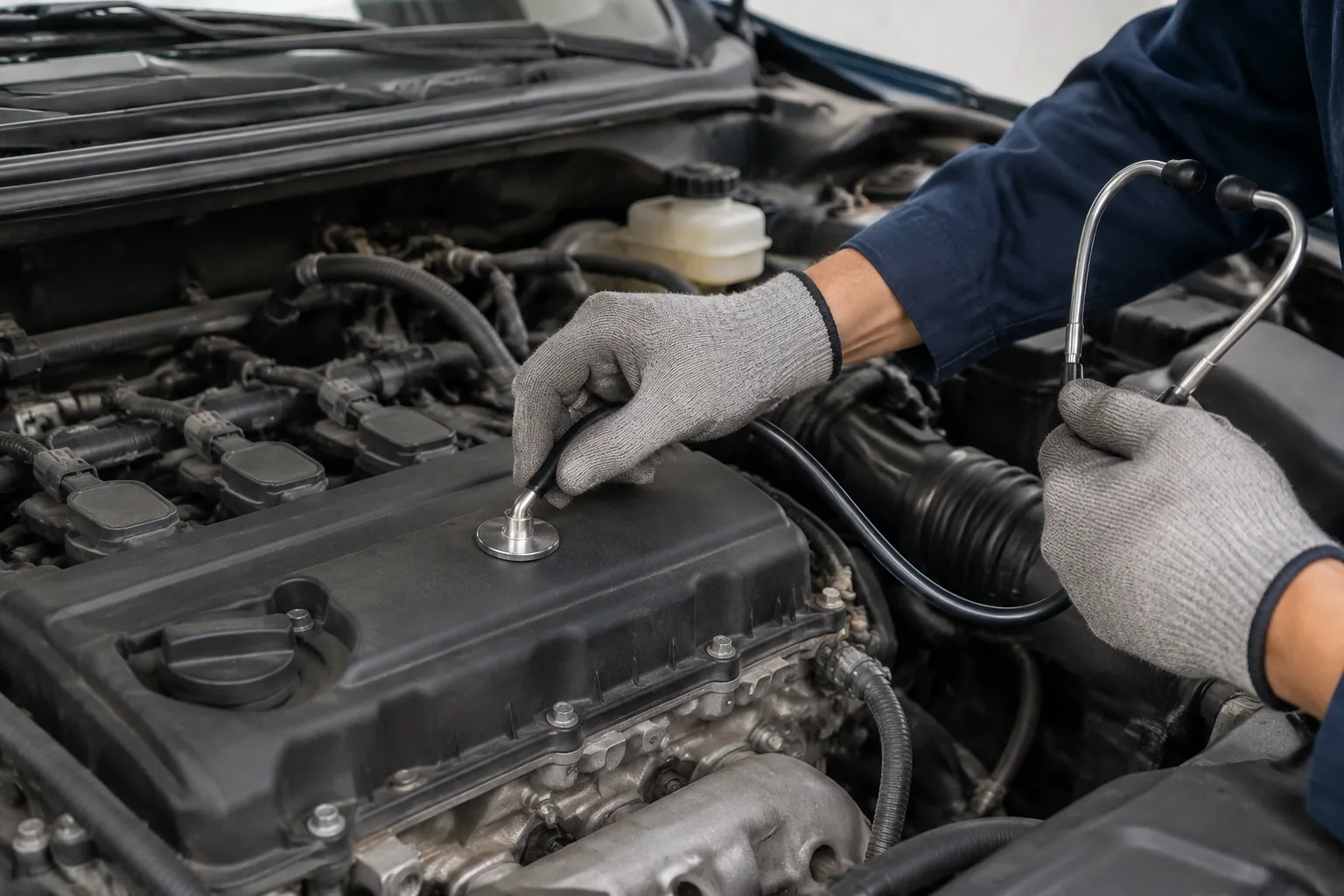
- Listen with a stethoscope or a safe probe to locate the noise and compare top end, front cover, and lower engine areas.
- Check oil level and condition, then look for metal debris, sparkles, or sludge on the drain plug or in a sample.
- Scan fault codes and freeze-frame data for misfire, fuel pressure, or camshaft-related codes.
- Check fuel pressure where the engine uses a cam-driven high-pressure fuel pump follower.
- Use a borescope or direct visual inspection to examine the follower, cam lobe, roller, and contact pattern.
- Compare findings with the engine-specific wear limits and replacement procedure before ordering parts.
Replacement decisions should follow manufacturer inspection criteria and engine-specific procedures. Low oil level, incorrect oil specification, and extended oil intervals may increase wear risk, but that link should be discussed with evidence for the specific engine, not assumed from one oil sample.
Conclusion
Bad cam follower symptoms usually move from a top-end tick to rough running, power loss, oil debris, or fuel-pressure trouble as wear advances. The strongest diagnosis combines noise behavior, oil condition, fault codes, pressure tests, and a direct look at the follower and cam lobe. If you hear loud metallic knocking, see an oil-pressure warning, or find metal debris, stop driving and inspect before the damage spreads. Otherwise, arrange a proper diagnosis before replacing the follower or the parts around it.
FAQs
Q1: What does a bad cam follower sound like?
A: A bad cam follower often produces a tick or tap from the top end that follows camshaft speed and may be louder at cold start, idle, or light load. Severe wear can change the sound to a heavier knock or metallic rattle.
Q2: Can I drive with a bad cam follower?
A: Do not drive if you hear loud metallic knocking, see an oil-pressure warning, or find visible metal debris. For a light tick with no urgent warning, limit driving and arrange inspection promptly, because wear can progress into camshaft or fuel-pump damage.
Q3: Does a bad cam follower cause a check engine light or misfire?
A: Yes, advanced follower or cam lobe wear can cause rough idle, misfire, and a check engine light by reducing valve lift and disrupting cylinder balance. Ignition, fuel, injector, and compression faults are more common causes and should be ruled out.
Q4: Can a bad cam follower put metal in the oil?
A: Yes, severe follower, cam lobe, or bucket wear can release metal particles into the oil. Sparkles, sludge on a magnetic drain plug, or an oil analysis report showing metal call for inspection before further driving.
Q5: How do I check a cam follower?
A: Start with noise location and oil condition, scan fault codes, check fuel pressure where applicable, then use a borescope or direct visual inspection. Compare the follower and cam lobe with the engine-specific wear limits before ordering parts.
Q6: Is a bad cam follower the same as a bad lifter?
A: A cam follower and a lifter can perform a similar valvetrain job, but the terms are not interchangeable across engines. Identify the exact part and inspection procedure for your engine instead of assuming the names describe the same component.
Q7: Can a bad cam follower cause low fuel pressure?
A: On direct-injection engines with a cam-driven high-pressure fuel pump follower, severe wear can contribute to low fuel pressure. Low-pressure supply, pump solenoid, sensor, and injector faults must also be tested before the follower is replaced.
Q8: Do bad cam follower symptoms appear cold or warm?
A: Symptoms may appear cold, warm, or both depending on follower design and wear stage. Hydraulic and mechanical followers can behave differently as clearance and oil condition change, so compare the noise under the same conditions.