Quick Answer
A bearing housing is a structural enclosure that secures a bearing in position, supports rotating shafts, transfers mechanical loads from the shaft to the equipment frame, and shields the bearing from external contaminants. Common configurations include pillow block, flange mounted, take-up, hanger, and plummer block designs. These components are produced in materials ranging from gray cast iron and ductile iron to stainless steel and thermoplastic composites, with selection depending on operating conditions. DUHUI Bearing, founded in 2003, manufactures bearing housings and automotive bearing solutions for customers across industrial and automotive sectors worldwide.
Anyone who has worked with rotating equipment – whether conveyors, pumps, fans, or vehicle assemblies – has likely come across a bearing housing. But what does this component actually do, and why does it matter?
A bearing cannot function effectively on its own. It needs to be held securely, kept in proper alignment with the shaft, protected from dust and moisture, and maintained with adequate lubrication. The bearing housing fulfills all of these roles. It serves as the structural foundation for the bearing, and selecting the right housing can determine whether your equipment runs reliably for years or suffers frequent, expensive failures.
This guide explains what a bearing housing is, the materials used in its construction, the five primary types available, and essential installation and maintenance practices.
What Is a Bearing Housing? Definition and Core Functions
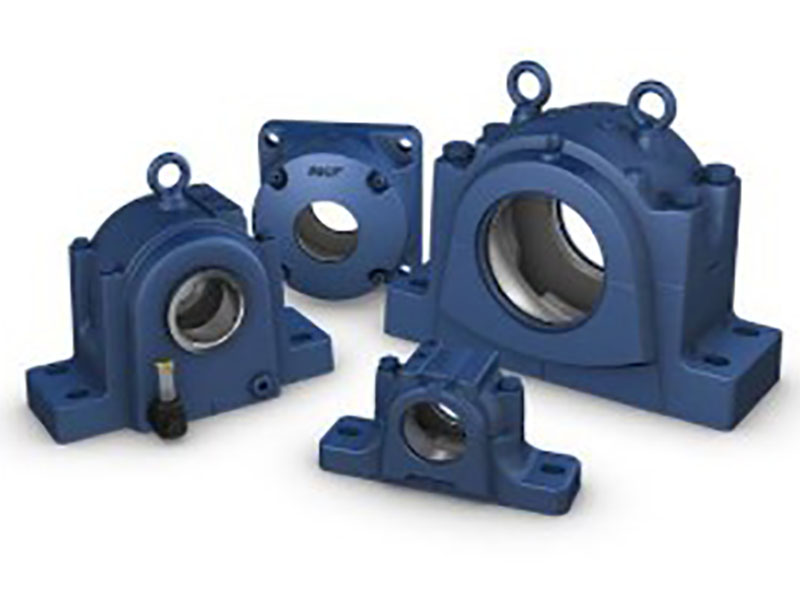
A bearing housing is a structural enclosure designed to contain and support a bearing within a mechanical system. It is also known as a bearing pedestal, bearing block, or housed bearing unit. The housing creates the mounting interface between the bearing and the machine structure, allowing the bearing to do its job while being protected from external factors.
When we talk about mounted bearing solutions, we are referring to the combination of a bearing and its housing working together as a system. The housing supports the bearing internally and transmits the forces from the rotating shaft to the surrounding machine framework.
The essential functions of a bearing housing include:
- Maintaining alignment between the bearing and shaft, which prevents uneven wear and ensures smooth rotation
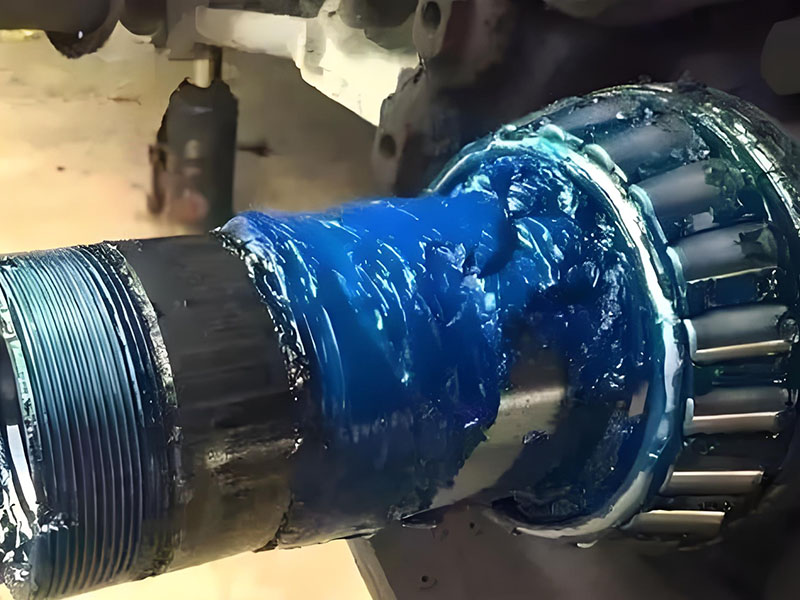
- Holding lubricant in a reservoir for grease or oil, so the bearing stays properly lubricated
- Dissipating operational heat to keep the bearing within safe temperature limits
- Keeping contaminants out through seals that block dust, moisture, and debris
- Protecting the bearing from physical damage and extending its useful life
- Making maintenance easier by providing access for inspection and bearing replacement
- Accommodating monitoring devices in advanced applications
In short, bearing housings deliver customizable mounted bearing solutions that improve performance, prolong service life, and reduce maintenance costs.
Bearing Housing Materials and Selection Criteria
The material chosen for a bearing housing has a direct impact on its strength, corrosion resistance, durability, and performance in different environments. Here are the most common materials used in housing construction:
Gray Cast Iron (conforming to ISO 185, Grade 250)
Gray cast iron is the most widely specified material for bearing housings. It provides good wear resistance, effective vibration damping, and efficient heat transfer. These properties make it suitable for demanding applications such as conveyor systems and industrial pumps. Common grades include HT200 under Chinese standards and GG20 under European equivalents. For the majority of general industrial applications, gray cast iron offers a solid combination of strength, damping, and thermal conductivity.
Ductile Iron (conforming to ISO 1083, Grade 500-7)
When gray cast iron does not provide sufficient strength, ductile iron offers a step up in performance. Housings produced from ductile iron can handle approximately double the load capacity of gray cast iron equivalents. Grades like QT400-17 deliver improved fracture resistance while retaining good castability. Ductile iron is often selected for high-temperature applications or where thermal stability is a concern.
Cast Steel
For applications demanding maximum strength, cast steel housings are available. Steel grades such as ZG45 provide excellent toughness and load-bearing capacity. Cast steel also performs better in harsh or corrosive conditions where cast iron may be prone to degradation.
Stainless Steel
Stainless steel housings offer outstanding corrosion resistance, making them the go-to choice for marine environments, food processing lines, chemical plants, and any setting where moisture or aggressive chemicals are present. These housings can be produced through casting or machining and deliver reliable performance in corrosive conditions. For food-grade environments requiring wash-down capability, stainless steel is the industry standard.
Thermoplastic Composites
Composite materials – including PBT (polybutylene terephthalate) and other engineering polymers – provide excellent corrosion resistance in a lightweight package. They perform well across a wide temperature range and are frequently specified for food and pharmaceutical applications where hygiene standards are paramount. Composite housings also eliminate rust concerns.
Bronze
Bronze offers good wear resistance and a low friction coefficient, which makes it suitable for high-load, low-speed applications involving sliding contact.
From our manufacturing experience at DUHUI Bearing, gray cast iron remains the most requested material for general industrial use, while stainless steel is preferred for food-grade and corrosive environments. We have also noticed growing interest in composite housings from pharmaceutical customers who conduct regular wash-down procedures.
Common Types of Bearing Housings (Pillow Block, Flange, Take-Up, Hanger, Plummer Block)
Bearing housings fall into two broad structural categories: split (two-piece) and solid (one-piece) designs. Split housings feature a detachable top cap, which allows the bearing to be installed or replaced without removing the entire shaft assembly. Solid housings are manufactured as single pieces, offering greater rigidity and structural strength.
In practice, bearing housings are more often categorized by their mounting configuration and intended function. The following five types are the most commonly encountered in industrial settings:
Pillow Block Bearings (P, PA, PH)
Pillow block bearings – sometimes called plummer blocks or pedestal bearings in various regions – are among the most widely used housing types. They have a flat base that bolts onto a horizontal mounting surface, with the shaft running parallel to that surface.
Common designations:
- P (Standard Pillow Block): The basic configuration with a flat base and standard center height
- PA (Dark Hole / Hidden Bolt): Features bolt holes accessible from underneath the base for a cleaner appearance
- PH (High Center): Designed with an elevated base for applications requiring greater shaft center height
Key characteristics:
- Suited to light and medium-duty applications
- Simple, one-piece housing design that simplifies installation
- Usually supplied pre-lubricated and ready for use
- Often delivered as complete units with bearings already installed
- Commonly found on conveyors, fans, and general shaft support applications
Pillow blocks are typically installed in cleaner environments and are intended for lower loads in general industry.
Flange Mounted Bearings (F, FA, FB, FC, FL, FS)
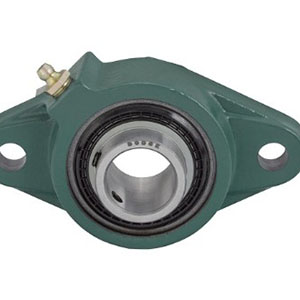
Flange mounted bearings incorporate a flange – a projecting rim – with bolt holes that allow the housing to be attached to a vertical surface or mounted through a machine wall. This configuration saves axial space and is ideal when horizontal base mounting is not feasible.
Common designations (classified by flange shape):
- F (Square Flange): Four-bolt square configuration, the most common type
- FA (Round Flange): Circular flange design
- FB (Oval Flange): Oval or elongated flange shape
- FC (Round Flange with Pilot): Round flange with a locating pilot for precise positioning
- FL (Diamond / Two-Bolt Flange): Diamond-shaped flange with two mounting holes
- FS (Square Flange, Countersunk): Square flange with countersunk bolt holes
Key characteristics:
- Mounted face-to-face onto a structure or plate
- Available in two-bolt, three-bolt, and four-bolt configurations
- Suitable for vertical shafts or applications requiring wall mounting
- Common in installations where space is limited
Our DUHUI product line covers all these flange configurations, offered in cast iron, composite, pressed steel, and stainless steel options.
Take-Up Bearings (T)
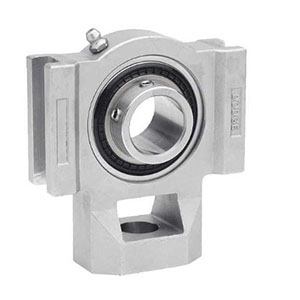
Take-up bearings feature an adjustable housing that slides along a slotted base or frame. This adjustability enables belt or chain tensioning in driven equipment.
Common designation:
- T Series (including T, TST, and other variants)
Key characteristics:
- Housing moves along mounting slots to adjust tension
- Commonly used on conveyor drives and belt-driven machinery
- Accommodates thermal expansion and assembly tolerances
- Essential where periodic tension adjustment is required
Take-up housings are typically found in conveyor systems, bucket elevators, and any application where belt or chain tension must be maintained over time.
Hanger Bearings (HA)
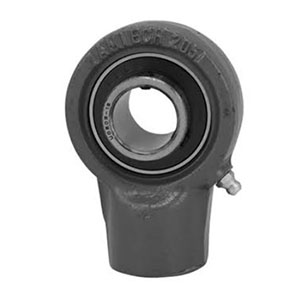
Hanger bearings are designed to be suspended from overhead structures rather than mounted on a base. They have mounting lugs or hanger brackets at the top that attach to beams, frames, or support structures.
Common designation:
- HA (Hanger Assembly)
Key characteristics:
- Suspended below the mounting surface
- Used for overhead shaft support in conveyors and packaging equipment
- Can compensate for shaft deflection automatically
- Essential for screw conveyors and suspended conveyor chains
Hanger bearings allow rotating shafts to be supported from above – a critical capability when floor mounting is not practical or when shafts must run overhead.
Plummer Block Bearings
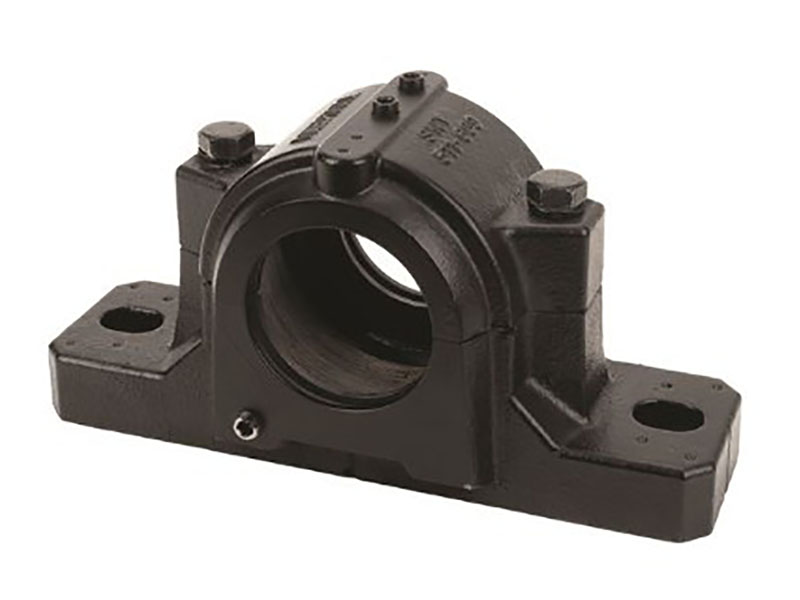
Plummer block bearings are heavy-duty housings with a split (two-piece) construction. The housing comprises a base and a removable top cap, which allows the bearing to be installed or replaced without disturbing the entire shaft. This split design makes them particularly suitable for applications where maintenance access is restricted.
Key characteristics:
- Built for heavier industrial service
- Engineered to handle higher loads and accommodate complex sealing and lubrication systems
- Split housing design enables straightforward bearing removal and inspection without full shaft disassembly
- Typically supplied without bearings (bearings must be purchased separately)
- Suitable for higher load ratings and corrosive industrial environments
How pillow blocks differ from plummer blocks: Pillow blocks are usually supplied with bearings pre-installed and are suited to lighter loads in cleaner environments. Plummer blocks are delivered without bearings and are designed for higher load ratings and more demanding industrial conditions. According to NTN’s technical literature, plummer blocks are used to transfer high power and support heavy industrial loads, whereas pillow blocks are more appropriate for general-purpose applications. In some parts of the world, however, the two terms are used interchangeably.
Structural summary: Among the five types described above, pillow blocks, flange mounted bearings, and take-up bearings are typically solid (one-piece) designs, while plummer blocks are almost exclusively split designs. Hanger bearings may be found in either configuration depending on the application. DUHUI Bearing manufactures both split and solid designs to accommodate varying maintenance and load requirements.
Bearing Housing Installation and Maintenance Guide
Correct installation and regular upkeep are critical to maximizing bearing housing service life and avoiding premature failure. Based on our two decades of manufacturing experience, we have found that most early failures stem from improper installation rather than material defects. Following manufacturer guidelines and established best practices can significantly extend service intervals.
Installation Points
Preparing the mounting surface:
- The mounting face must provide sufficient rigidity
- The surface should be as flat and smooth as possible
- When positioned on the frame, the housing must sit stably without excessive movement
- Clean mounting surfaces thoroughly, paying attention to holes and crevices that may trap dirt, chips, and cutting oil
Preparing the shaft:
- The shaft must be clean, free of burrs, straight, and of the correct diameter
- Chamfering the shaft end beforehand helps prevent damage to rubber seal lips
- Clean both the shaft and housing before assembly
Mounting procedure:
- Hold the bearing unit squarely to the shaft and slide it on straight – do not turn the unit during installation
- For set screw locking units, tighten both set screws evenly
- Ensure the set screw end does not slip into the bearing hole
- Check mounting surfaces carefully, clean them, and apply a light oil coating to ease fitting and reduce scoring risk
Maintenance Points
Routine inspection:
- General inspection can often be performed by removing the housing cover or cap
- If bearing damage is suspected, dismount and inspect thoroughly
- Listen for abnormal noise or vibration during operation
Lubrication:
- Take lubricant samples for analysis during inspections
- For oil-lubricated systems, sample from the sump or reservoir
- Monitor lubricant temperature and condition
- Regrease according to the manufacturer’s recommended schedule
Hardware checks:
- Regularly check and retighten mounting bolts
- Inspect the physical condition of the housing and shaft before installing bearings
- Wipe surfaces clean with a soft cloth before assembly
Predictive maintenance:
- Listen for unusual sounds during operation
- Check lubricant temperature levels
- Monitor vibration levels
- Realign supported shafts when needed
- Track lubricant condition regularly
Bearing Housing Applications Across Industries
Bearing housings are used in virtually every industry that relies on rotating machinery.
Industrial Machinery:
- Conveyor systems and material handling equipment, where pillow block housings are common
- Pumps and compressors requiring reliable bearing support
- Fans and blowers in ventilation systems
- Mining and cement processing equipment demanding heavy-duty housings
- Roller beds and crushers with high load requirements
Automotive:
- Vehicle assemblies requiring durable bearing support
- Wheel hub assemblies
- Drivetrain components
- Chassis and suspension systems
Food Processing and Packaging:
- Equipment requiring corrosion-resistant materials such as stainless steel housings
- Hygienic applications where composite housings are preferred
Agriculture:
- Farm machinery and agricultural equipment
- Light to medium-duty applications where pressed steel housings provide cost advantages
Aerospace:
- Components requiring precision and reliability under extreme conditions
Bearing housings are specified wherever a shaft needs support at a fixed point on a machine structure. The appropriate type and material depend on load requirements, operating environment, rotational speed, and maintenance considerations.
Conclusion
A bearing housing is much more than a simple enclosure that holds a bearing. It is an essential component that delivers structural support, maintains proper alignment, protects against contaminants, enables effective lubrication, and simplifies maintenance. Without a properly designed and correctly installed housing, even the finest bearing will fail prematurely.
The five main types covered in this guide – pillow block, flange mounted, take-up, hanger, and plummer block – each address specific mounting configurations and application needs. Selecting the right type involves considering the available mounting surface, load capacity requirements, environmental conditions, maintenance access, and space constraints.
Material selection is equally important. Gray cast iron serves as the workhorse for most industrial applications. Ductile iron provides higher load capacity. Stainless steel delivers corrosion resistance. Composites serve specialized hygiene-sensitive applications.
For engineers and maintenance professionals, understanding bearing housing fundamentals is essential for designing reliable equipment, reducing downtime, and controlling maintenance costs. When selecting a bearing housing, evaluate the complete operating environment and consult experienced suppliers who can recommend the optimal solution for your specific application. As a bearing housing manufacturer with roots in the automotive sector since 2003, DUHUI Bearing brings practical manufacturing expertise to every product we supply. We understand the precision and reliability required for demanding applications – from automotive assemblies to heavy industrial machinery – and we are committed to helping customers find the right bearing housing solutions.
Frequently Asked Questions About Bearing Housings
Q1: What distinguishes a bearing housing from a bearing unit?
A bearing is the rolling element that reduces friction between moving parts. A bearing housing is the structural component that contains the bearing. A bearing unit (or housed bearing unit) combines the bearing and housing in a pre-assembled package, simplifying installation and ensuring proper integration. Bearing units are typically supplied pre-lubricated and ready for immediate installation.
Q2: When should I choose a split housing over a solid housing?
Split housings allow bearing installation and replacement without removing the entire shaft, making them ideal where maintenance access is limited or the shaft is difficult to disassemble. However, split blocks can take three to four times longer to install than solid blocks because assembly is required. Solid housings provide greater rigidity and strength, suiting lighter loads and applications where bearing replacement is infrequent. DUHUI manufactures both types and can assist with selection based on your specific maintenance and load requirements.
Q3: Are pillow blocks and plummer blocks the same thing?
While the terms are sometimes used interchangeably, there is a practical distinction. Pillow blocks are typically suited to light and medium-duty applications with a simpler, one-piece housing design. They are usually supplied with bearings pre-installed and mounted in cleaner environments for lower loads. Plummer blocks are built for heavier industrial service, engineered to handle higher loads and transfer high power, and are typically supplied without bearings. Plummer blocks also feature split housing designs that allow bearing removal without full shaft disassembly.
Q4: How do I choose the right material for my bearing housing?
Gray cast iron is the standard choice for most general industrial applications due to its strength, damping, and heat dissipation. Ductile iron or cast steel should be selected when higher load capacity is required, approximately twice the load of gray cast iron. Stainless steel is essential for corrosive environments such as marine, chemical, or food processing applications. Thermoplastic composites are ideal for food and pharmaceutical industries where hygiene and corrosion resistance are critical. Bronze suits high-load, low-speed applications requiring low friction.
Q5: What are the key installation considerations for a bearing housing?
The mounting surface must be flat, smooth, and rigid. The housing must seat stably without excessive play. The shaft must be clean, straight, burr-free, and of the correct diameter. The bearing unit should be held squarely to the shaft and fitted straight without turning. For set screw locking, tighten both screws evenly. Chamfering the shaft end is also recommended to avoid damaging seal lips.
Q6: What routine maintenance does a bearing housing need?
Regular maintenance includes: inspecting the housing and shaft condition before mounting, checking and retightening mounting bolts, cleaning the housing and surrounding area, taking lubricant samples for analysis, monitoring lubricant temperature and vibration levels, inspecting for abnormal noise, and replacing bearings when wear is detected.
Q7: What are the primary functions of a bearing housing?
The primary functions are: providing stable support for the bearing and shaft, ensuring proper alignment, storing lubricant, dissipating heat, protecting against contaminants through seals, shielding the bearing from mechanical damage, and simplifying maintenance.
Q8: Can cast bearing housing exterior dimensions serve as locating references?
No. Cast bearing housings have dimensional tolerances typically in the CT9 range, which are relatively large and not suitable for precision locating. Machined surfaces or dedicated locating features should be used for precise positioning.
Q9: Which industries use bearing housings most frequently?
Bearing housings are used across industrial machinery (conveyors, pumps, fans, crushers), automotive assemblies, food processing and packaging, agricultural equipment, mining and cement processing, and aerospace components.
Q10: Are pillow block bearing units pre-lubricated?
Yes. Most pillow block bearing units are supplied pre-lubricated and ready for immediate installation. They typically include a grease fitting for relubrication during service. Some units are even offered as lubrication-free versions pre-filled with the correct amount of grease for normal operating conditions.