
Clutch Release Bearings
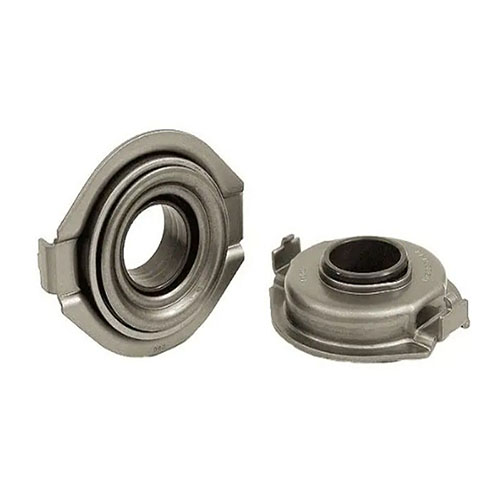
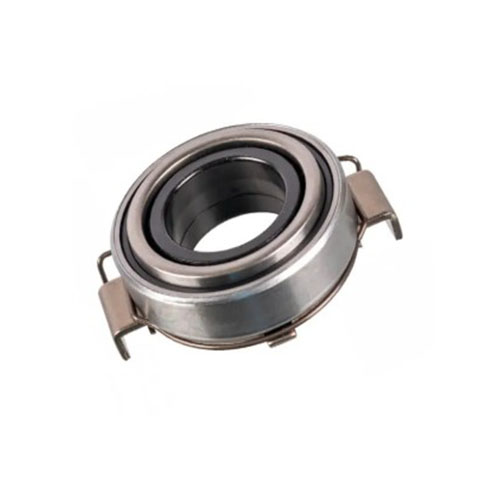
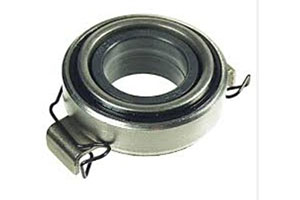
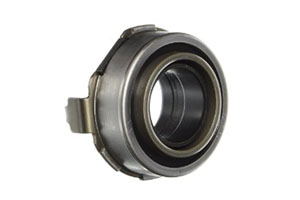
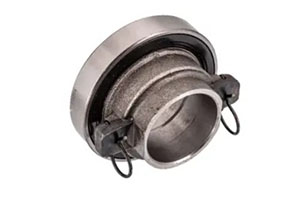
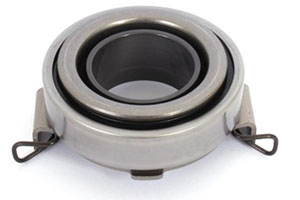
A clutch release bearing, commonly called a throw out bearing, is a thrust bearing mounted on the transmission input shaft. It transfers axial force from the clutch release mechanism to the pressure plate diaphragm spring, enabling clutch disengagement.
The bearing consists of an inner race, outer race, steel balls, a polymer or steel cage, and integrated seals. Pre‑greased and sealed for life, it requires no routine maintenance. Detailed technical information is provided in the following sections.
Key Features
- High axial load capacity – Angular contact ball bearing geometry handles thrust loads from the pressure plate diaphragm spring without deformation.
- Self‑aligning design – Compensates for minor radial misalignment between transmission input shaft and clutch cover, reducing uneven wear.
- Sealed and pre‑lubricated – Double lip seals retain high‑temperature grease while blocking clutch dust and debris, eliminating maintenance.
- Low friction and quiet operation – Precision‑ground raceways and high‑grade bearing steel reduce rolling resistance and operational noise.
- Wide temperature tolerance – Heat‑stabilised cages and specialised grease perform reliably from –40°C to 150°C engine bay conditions.
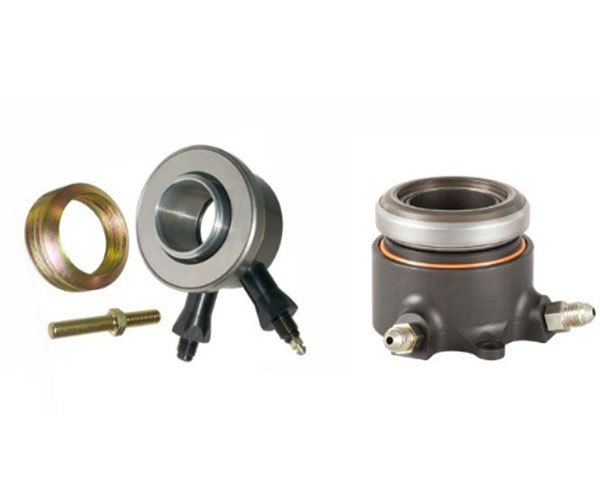
Your Professional Clutch Release Bearings Manufacturer
DUHUI has manufactured clutch release bearings since 2003. We operate an ISO 9001 and IATF 16949 certified factory with fully automatic CNC machine tools. Monthly total capacity exceeds 600,000 sets. A technical team of seven specialists controls every production stage to meet OE standards.
Mechanical and Hydraulic Types Available
We supply both mechanical clutch release bearings (DH12 series) and hydraulic clutch release bearings (DH13 series). Mechanical bearings use traditional push-type or pull-type actuation. Hydraulic bearings integrate a concentric slave cylinder for smoother engagement. Each type is available as a direct OE replacement.
Over 2,000 Models Covering Major Brands
Our DH12 series offers more than 1,200 mechanical clutch release bearing models. The DH13 series provides over 800 hydraulic clutch release bearing models. We cover Honda, Toyota, Hyundai, Ford, Volkswagen, Audi, GM, and other major automakers. Aftermarket pricing provides a competitive advantage over OEM parts.
GCr15 Bearing Steel with Heat Treatment
Inner and outer rings use GCr15 bearing steel (equivalent to AISI 52100 / DIN 100Cr6). After quenching and tempering, surface hardness reaches 58–62 HRC. A surface coating process improves corrosion and wear resistance. Seals use FKM rubber (Viton) from ISO 9001 certified suppliers to prevent grease or oil leakage. For mechanical bearings, we use high-grade Japanese white lubricating grease. For hydraulic bearings, the integrated hydraulic system uses dedicated hydraulic fluid.
Testing Standards for Both Types
Mechanical clutch release bearings follow JB/T 5312-2001 and JB/T 8881-2001. Hydraulic clutch release bearings follow QC/T series and T/ZZB 2192-2021. Common tests include:
- Axial clearance: mechanical ≤0.60mm static; hydraulic static ≤0.05mm, dynamic ≤0.15mm.
- Rotational torque: no-load ≤1.2Nm, under load ≤1.5Nm (hydraulic).
- High and low temperature test: -40℃ to 150℃ for both types.
- Fatigue test: mechanical 300,000 cycles; hydraulic 1 million cycles.
- Salt spray test: 72 hours, no rust on exposed metal surfaces.
Quality Control and Certifications
We provide material inspection certificates and finished product inspection certificates. For export markets, we handle CE for the EU and DOT for the US. Quality department performs 100% inspection on finished products before shipment. Customer complaint rate is maintained below 0.5% annually based on shipment volume.
Service, Capacity, and Quality Commitment
Typical lead time for stock models is 7–15 days. We export to more than 50 countries and work with automotive aftermarket distributors and wholesale suppliers. Customization options include bearing dimensions, seal types, and grease specifications. We provide a 12-month warranty against manufacturing defects. Contact us with your target models or volume estimates for a quotation.
Clutch Release Bearing Types and Series
Clutch release bearings are classified into two main types based on their actuation mechanism. Mechanical release bearings use an external fork to push the bearing, while hydraulic release bearings (Concentric Slave Cylinders) integrate the actuator and bearing into one unit. The following subsections describe each type in detail.
- Clutch Release Bearing Types
- Series for Mechanical Release Bearings
- Series for Hydraulic Release Bearings (CSC)
Mechanical Release Bearings
A mechanical release bearing is actuated by a clutch fork that pivots inside the transmission bell housing. The fork receives input from a cable, a mechanical linkage (Z-bar), or an external hydraulic slave cylinder mounted outside the housing. This conventional design contains fewer hydraulic seals and is generally easier to diagnose and replace in the field.
However, mechanical bearings require correct air gap adjustment during installation; if the gap is too small, the bearing constantly contacts the diaphragm spring, causing premature wear. If too large, clutch disengagement becomes incomplete. Mechanical release bearings remain the standard choice for older passenger cars, many light trucks, and heavy-duty commercial vehicles where simplicity and serviceability are priorities.
Hydraulic Release Bearings
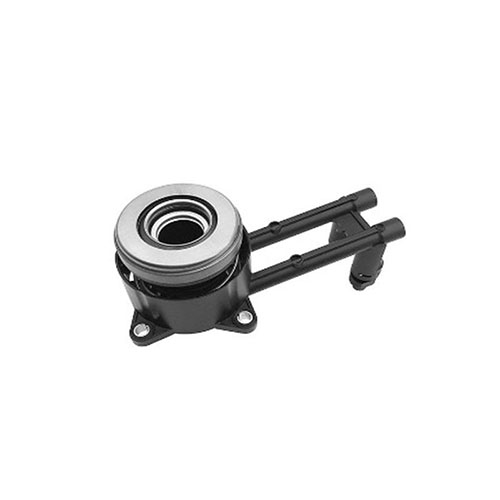
A hydraulic release bearing, also known as a Concentric Slave Cylinder (CSC), integrates the release bearing and the hydraulic slave cylinder into a single assembly mounted concentrically on the transmission input shaft. When the driver depresses the clutch pedal, hydraulic fluid from the master cylinder enters the CSC, pushing a piston that advances the bearing against the pressure plate diaphragm spring. No external clutch fork or linkage is required.
CSC designs offer several advantages: they automatically maintain correct preload as the clutch disc wears, resulting in consistent pedal feel throughout the bearing‘s life; they reduce the number of moving parts inside the bell housing; and they free up space for larger clutch covers. CSCs are standard on the majority of modern passenger cars and light commercial vehicles equipped with hydraulic clutch actuation.
Aftermarket Series for Mechanical Release Bearings
The following mechanical release bearing series are widely used in the aftermarket. Each series is defined by original equipment dimensional standards. DUHUI Bearing manufactures compatible units meeting or exceeding OE quality requirements.
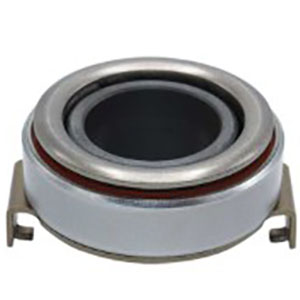
The 500 Series is one of the most widely specified mechanical release bearing families in the European aftermarket. These bearings incorporate a self‑aligning polymer cage and double lip seals that retain high‑temperature grease while blocking clutch dust ingress. The 500 Series covers an extensive range of OE cross‑references, including 01E141165B, 012141165D, 3C117548AA, and YC157548AC, confirming its application across Volkswagen Group vehicles (VW Golf, Jetta, Audi A3), Ford models (Transit, Focus, Mondeo), and BMW platforms. The self‑aligning design compensates for minor radial misalignment between the clutch cover and transmission input shaft, reducing uneven wear. The polymer cage construction and robust sealing make this series suitable for high‑mileage daily driving as well as performance rebuild applications.
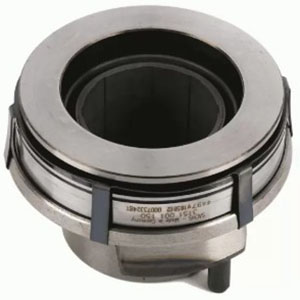
The 3151 Series mechanical release bearings are precision‑engineered to OE tolerances for European passenger cars and light commercial vehicles. The series is functionally available as both pull‑type and push‑type bearings, accommodating different clutch actuation system designs across vehicle platforms. Case‑hardened raceways resist brinelling damage from repeated clutch engagement cycles, while a self‑centring cage maintains correct rolling element alignment under axial load. The 3151 series is designed with special grease and sealing systems to withstand heat and dirt inside the bellhousing. Typical applications include VW Golf, Passat, Beetle, Caddy, as well as commercial vehicles from MAN, Scania, DAF, Iveco, and Renault Trucks.
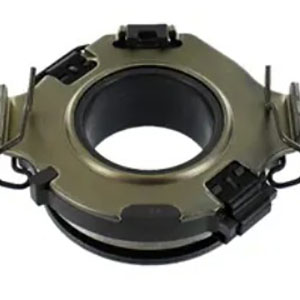
The VKC Series mechanical release bearings feature advanced sealing technology developed by SKF – specifically a double lip contact seal that provides superior contamination protection. The bearing face incorporates a low‑friction coating that improves clutch pedal modulation and reduces release effort. VKC series bearings are manufactured to OE dimensions for European and Asian passenger cars, with extensive cross‑reference coverage across PSA Group (Peugeot, Citroën), BMW, Toyota, and Suzuki applications. Each VKC unit comes with a QR code linking to detailed installation instructions, ensuring proper fitment. The compact design uses a heat‑stabilised polymer cage suitable for high under‑hood temperatures, making these bearings ideal for both daily drivers and demanding operating environments.
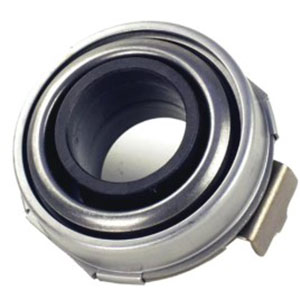
614 Series mechanical release bearings utilise case‑carburised raceways that develop a hard wear‑resistant surface while retaining a tough core, offering excellent resistance to surface fatigue and spalling. These bearings are precision‑manufactured using premium‑grade steel to meet or exceed OE bearing performance requirements. Typical applications include Japanese passenger cars such as Toyota Corolla (1984‑85) and Camry (84‑91), as well as selected American models including Ram 2500/3500 trucks with manual transmissions. The double lip seal design and heavy‑duty construction make 614 series bearings suitable for dusty or wet operating environments, including off‑road use and light commercial vehicle applications. Direct OE replacement coverage includes Toyota 31230‑12180 and 31230‑12191.
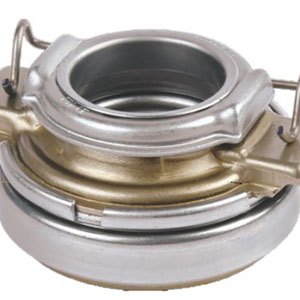
RCT Series mechanical release bearings are manufactured to Japanese OE specifications. Super‑finished raceways reduce noise, vibration, and harshness (NVH), ensuring quiet operation throughout the bearing‘s service life. The polyamide cage guides rolling elements precisely even at high rotational speeds. These bearings are pre‑greased and sealed for life, requiring no maintenance after installation. Key OE cross‑references include Toyota 31230‑12170, Suzuki genuine part numbers for Alto and Carry models, and Honda OE applications for Civic and Accord. Technical boundary dimensions from Koyo/JTEKT include variants such as RCT3360A (33 mm inner diameter, 60 mm outer diameter, 17 mm width) and RCT4068A2RSE (40 mm inner diameter, 68 mm outer diameter). RCT series bearings are a popular choice among professional technicians for their trouble‑free fit and consistent performance.
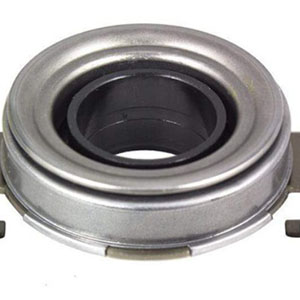
NB Series mechanical release bearings feature hardened steel raceways designed to withstand high axial loads from heavy clutch pressure plates. Precision‑ground ball grooves reduce rotational friction, extending service life across high‑mileage applications. NTN‘s technical specifications for this series include dimensions such as inside diameter 2.622 inches (approximately 66.6 mm) and width 1.052 inches, with applications covering VW Rabbit (2006‑2009), Audi A3 (2006‑2009), Toyota Corolla, and Toyota Camry (OE references 31230‑12191 and 614152). NTN utilizes a special sheet steel construction in their clutch release bearings, originally developed for OE applications, with an angular contact bearing geometry optimised for opposing axial loads exerted by the diaphragm spring. NB series bearings are suitable for fleet maintenance operations requiring consistent performance over 100,000+ kilometres.
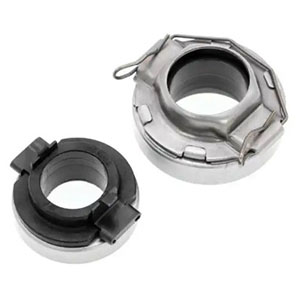
TK and TKB Series mechanical release bearings use a specialised cage design that maintains ball alignment and prevents skewing under load. Heat‑stabilised rings handle elevated engine bay temperatures without losing dimensional stability. These bearings are widely specified for Asian commercial vehicles, Japanese 4x4s, and light‑duty trucks. NSK nomenclature identifies TKB as self‑aligning resin sleeve‑type clutch release bearings, with series codes indicating contact diameter and inner diameter dimensions. Applications include Isuzu ELF / NPR 4‑ton trucks (featuring diesel engines up to 2200 cc), Toyota HiAce vans, Subaru and Mazda 4WD vehicles, Mitsubishi Pajero and Delica, and Nissan commercial platforms. The TKB series offers reduced pedal effort and extended service intervals, making them a preferred choice for commercial vehicle repair centres and aftermarket retailers.
Aftermarket Series for Hydraulic Release Bearings (CSC)
Hydraulic release bearings (Concentric Slave Cylinders) are sealed assemblies that integrate the hydraulic actuator and release bearing. The following series represent common OE specifications in the aftermarket. DUHUI Bearing manufactures compatible CSC units with corrosion‑resistant housings and long‑stroke pistons.
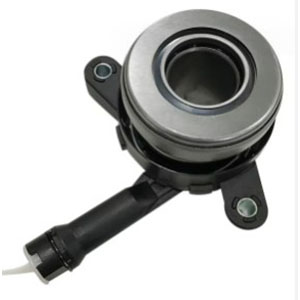
510 Series Concentric Slave Cylinders integrate the hydraulic actuator and release bearing into one sealed unit, eliminating the clutch fork and simplifying bell housing assembly. These CSCs are pre‑bled at the factory and ready for installation, reducing workshop labour time. The aluminium housing is corrosion‑resistant, and an autoadapt piston automatically compensates for clutch disc wear, maintaining constant pedal height throughout the bearing‘s service life. Applications include Opel / Vauxhall models, Land Rover Defender and Discovery, Renault Duster, Ford Focus, Kuga, and Volvo S40. The 510 series covers a power output range from approximately 75 to 350 horsepower depending on application, with 6‑speed manual transmissions being common fitments. Proper installation requires the flat side of the release bearing to face the clutch, as incorrect orientation will lead to premature failure.
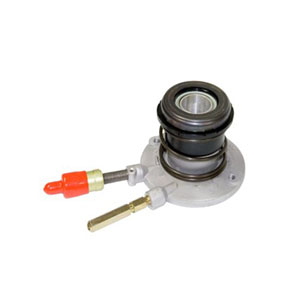
3151 Series hydraulic CSC units are engineered to OE tolerances with a diaphragm‑spring design that ensures constant preload on the bearing, eliminating clutch rattle. The series is available as both pull‑type and push‑type bearings, allowing compatibility with different hydraulic actuation architectures. Certain variants feature an adjustable spacer design that allows fine‑tuning of bearing preload for different bell housing depths. The special grease and seal systems are formulated to withstand heat and dirt inside the bellhousing, resisting all environmental impacts that could affect CSC performance. Applications include Honda Civic, CR‑V, and Accord, Porsche 911 (91111608102), Volvo models, Subaru (OE 30502AA060), and transmissions from Getrag and ZF. These CSCs are manufactured with low‑viscosity hydraulic fluid paths for instant response, making them suitable for both daily driving and performance applications.
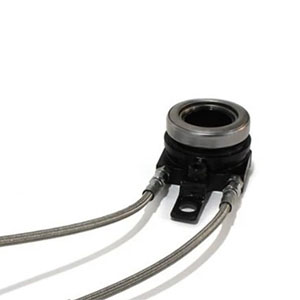
804 Series Concentric Slave Cylinders use a lightweight polymer housing that reduces thermal transfer from the engine to the hydraulic seals, protecting seal integrity over extended service intervals. The autoadapt piston automatically adjusts for clutch disc wear, maintaining consistent pedal height without external adjustment. Reinforced sealing lips prevent fluid contamination from clutch dust and debris, a common failure point in aftermarket CSCs. Valeo‘s CSC design eliminates the traditional clutch fork and guiding tube, providing space‑saving advantages and improving system efficiency. The concentric layout reduces the number of components, facilitating vehicle assembly in both OE and aftermarket installations. Applications include Peugeot, Citroën, Fiat Group vehicles, Chevrolet Spark and Matiz, Ford, Honda, Suzuki, and Mercedes‑Benz Sprinter vans. Valeo conversion kits have been fully tested to work with other manufacturers‘ CSC applications when matched to OE specifications.
Other Drivetrain Bearings from DUHUI Bearing
Beyond clutch release bearings, DUHUI Bearing manufactures a full range of drivetrain bearings for wheel ends, propeller shafts, and half‑shafts. The following products support passenger car, SUV, and light commercial vehicle applications.
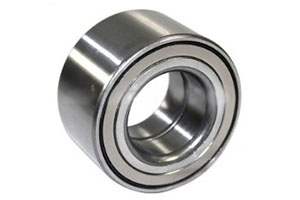
Wheel Bearings – Single‑row or double‑row ball bearings, tapered roller bearings, or angular contact ball bearings depending on axle position and load requirements. Used in non‑driven and driven wheel ends. Pre‑greased and sealed. Supplied with or without integrated flanges.
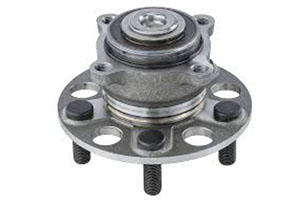
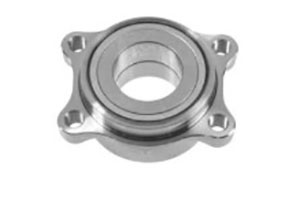
Wheel Hub Assembly – Complete pre‑assembled hub units incorporating wheel bearings, hub flange, and mounting bolts. Designed for both driven and non‑driven axles. Features integrated ABS encoder rings for speed sensing. Reduces installation time compared to separate bearing and hub components.
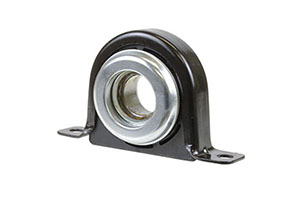
Center Support Bearings – Rubber‑isolated bearing units supporting the centre of the propeller shaft (drive shaft) in rear‑wheel‑drive and 4×4 vehicles. Designed to dampen driveline vibrations and accommodate angular movements from suspension travel while maintaining shaft alignment.
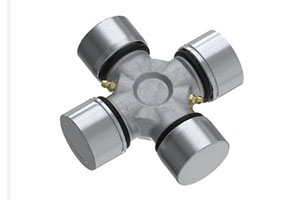
U Joint Bearings – Universal joint bearings (needle roller type) for propeller shafts and axle half‑shafts. Supports high articulation angles and torsional loads. Heat‑treated cups and precision‑ground needle rollers extend service life in driveline applications.
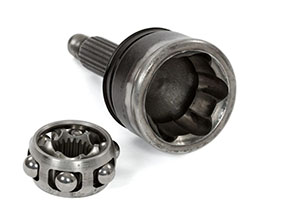
CV Joint Bearings – Ball bearings integrated into constant velocity joint assemblies for front‑wheel‑drive and all‑wheel‑drive half‑shafts. Supports axial plunge movement while transmitting torque through steering angles. Packaged with high‑pressure grease and rubber boots.
Clutch Release Bearing Applications
DUHUI Bearing supplies clutch release bearings for the following vehicle categories. Each segment imposes specific performance requirements.

City and Highway Driving – Frequent clutch engagement cycles in urban traffic demand high‑temperature grease stability. DUHUI release bearings for passenger cars use double lip seals to retain lubrication and block road dust.
Vans and Pickups – Higher payloads and repeated stop‑start delivery routes increase axial loads. DUHUI bearings for light commercials incorporate reinforced thrust plates and heat‑stabilised cages for extended service intervals.
Water crossings, mud, and dust require superior sealing. DUHUI sealed release bearings feature heavy‑duty contact seals tested against contamination ingress under off‑road conditions.
Diesel engine torsional vibrations and high clutch clamp loads demand case‑hardened raceways. DUHUI heavy‑duty release bearings use robust cage designs and specialised grease for high‑mileage commercial operation.

Performance and Tuned Vehicles – Upgraded clutches with higher diaphragm spring rates impose additional stress. DUHUI performance‑grade bearings incorporate enhanced steel grades and precision raceway geometries to withstand aggressive driving.
Technical Comparison Articles
The following comparison article is recommended to support this collection page. This article provides technical differentiation and helps users make informed selection decisions.
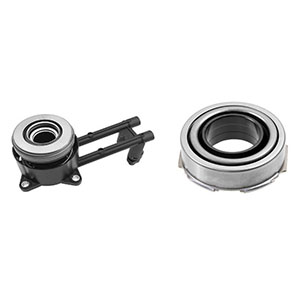
This article compares actuation principles, installation procedures, preload adjustment methods, failure modes, and vehicle suitability for mechanical release bearings versus hydraulic CSC units. It includes a specification table covering typical air gap ranges, common failure symptoms for each type, and labour time differences for replacement.
For more details, please read “Mechanical vs. Hydraulic Clutch Bearings: Key Differences and How to Choose”.
Selected Clutch Release Bearing Models
The following models are commonly requested in the aftermarket. DUHUI Bearing manufactures compatible units using OE specifications. Model numbers are provided for cross‑reference purposes only.
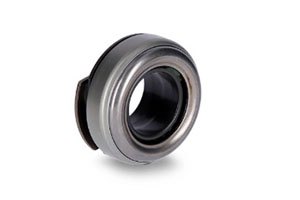
500 0436 60 – OE‑quality clutch release bearing for VW Golf, Jetta, and Audi A3. Self‑aligning design reduces pedal vibration. Directly replaces OE VW 02T141165A. Suitable for daily drivers and performance rebuilds.
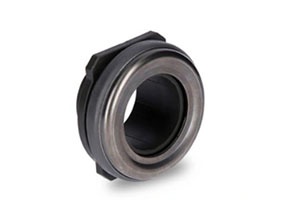
500 106430 – Mechanical throw out bearing for Ford Transit, Focus, and Mondeo (OE YC15‑7548‑AC). High‑temperature grease reduces friction and extends service life. Silent operation, consistent pedal feel. Ideal for high‑mileage aftermarket clutch replacements.
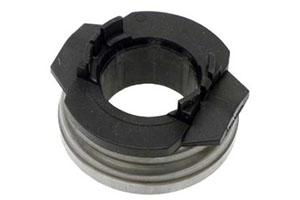
500 0440 100 – Heavy‑duty clutch release bearing for VW Lavida 1.4T and Bora 1.8T. Robust polymer cage and double lip seals resist dust and moisture. Exact OE fit eliminates clutch drag and noise.
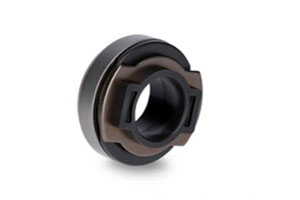
500 1150 10 – Upgraded mechanical clutch release bearing (replaces older 500 0433 60). Optimised ball race geometry reduces axial play and improves clutch pedal modulation. Fits numerous European models.
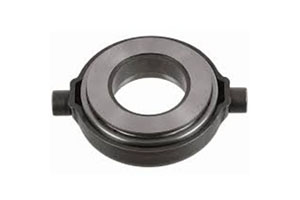
3151 600 786 – OE‑specification clutch release bearing for VW Beetle, Golf, and Caddy (111141165A). Precision‑formed raceways minimise wear in stop‑and‑go driving. 100% functionally tested.
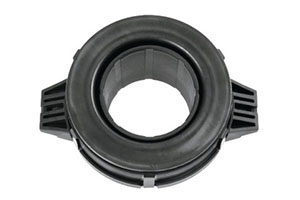
3151 000 370 – Heavy‑duty clutch release bearing for MAN and Scania trucks (81.30550‑0275). Case‑hardened steel with premium sealing against contamination. Designed for extreme axial loads, extends replacement intervals in commercial fleets.
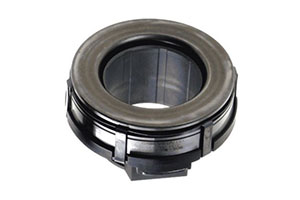
3151 000 144 – Standard mechanical release bearing for VW Group compact cars. Self‑centring cage compensates for minor misalignment. OE fit without modifications.
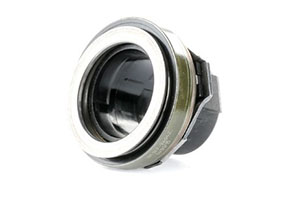
3151 600 706 – Universal‑type clutch release bearing for multiple European and Asian platforms. High‑performance lubricant stable from –40°C to 150°C. Reduces pedal effort and eliminates release bearing chatter.

RCT337SA3‑2 – OE‑identical release bearing for Toyota Corolla and MR2 (31230‑12170). Super‑finished raceways reduce NVH. Trouble‑free fit, silent operation.
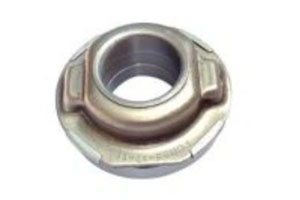
FCR55‑17‑2E – Heavy‑duty clutch release bearing for Mitsubishi Pajero, Delica, and L300. One‑piece stamped housing prevents deformation under off‑road stress.
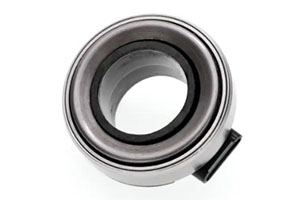
TK40‑16AU3 – Universal clutch release bearing for Subaru, Mazda, and 4WD applications. Patented cage design maintains ball alignment, prevents skewing. Reduced pedal effort.
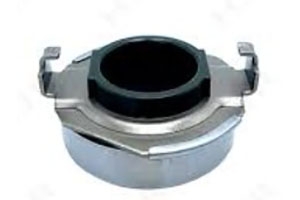
54TKB3604A – OE‑grade throw out bearing for Isuzu ELF series with 2200‑diesel engines. Advanced surface finish reduces friction.
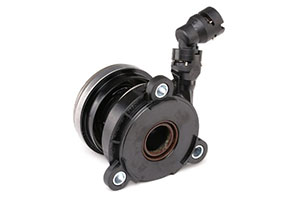 510 0073 10
510 0073 10 – Hydraulic clutch release bearing (CSC) for Opel / Vauxhall models. Integrates actuator and bearing into one sealed unit, eliminating release fork. Smooth, self‑adjusting clutch actuation.
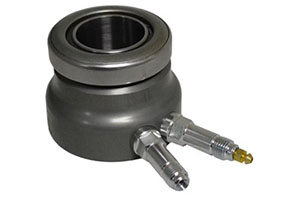 510 0154 10
510 0154 10 – Universal‑fit hydraulic throw out bearing for passenger cars with hydraulic clutch systems. Pre‑bled, ready to install. Reduces pedal play, improves gear engagement. Corrosion‑resistant aluminium housing.
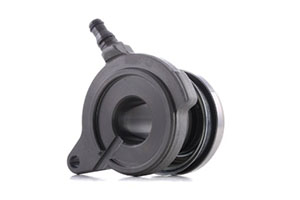 510 0102 10
510 0102 10 – OE‑grade concentric slave cylinder for medium‑duty vehicles. Long‑stroke piston accommodates worn clutch discs. All necessary seals pre‑installed.
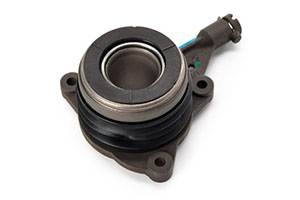 510 0235 10
510 0235 10 – Premium hydraulic throw out bearing for Land Rover Defender and Discovery. Direct factory replacement, handles extreme articulation without fluid leaks. Wear‑sensor option available.
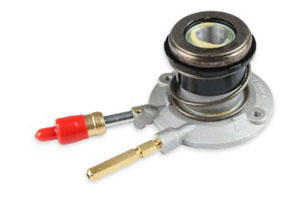 3151 886 001
3151 886 001 – OE‑replacement concentric slave cylinder for Honda Accord (2003‑2007). Direct bolt‑on unit, eliminates external slave cylinder leaks.
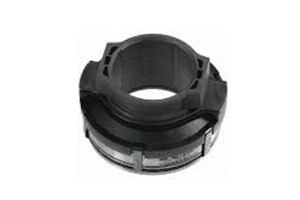 3151 000 515
3151 000 515 – Universal hydraulic throw out bearing for Getrag and ZF transmissions. Adjustable spacer design allows fine‑tuning of bearing preload.
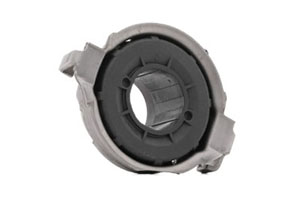 804101
804101 – OE‑quality hydraulic clutch release bearing for Peugeot, Citroen, and Fiat Group vehicles. Lightweight polymer housing reduces thermal transfer. Smooth, no‑chatter pedal feel.
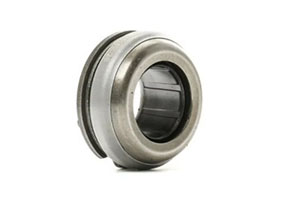
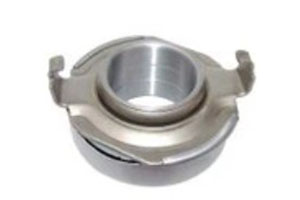
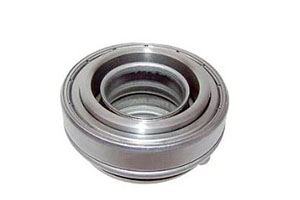
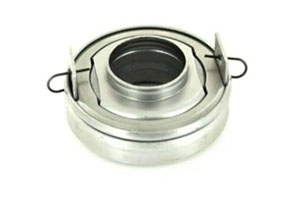
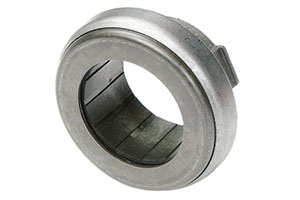
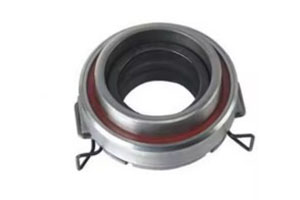
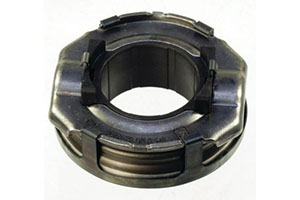
Clutch Release Bearing – Technical Guide for Aftermarket Selection
You press the clutch pedal and hear a squealing noise. Or you notice that shifting into reverse suddenly feels rough. That often points to a failing clutch release bearing – also called a throw‑out bearing. How do you choose the right one for a replacement? What makes one bearing last 100,000 miles while another fails in 20,000? This guide covers internal design, material grades, actuation types, and the quality checks that matter for aftermarket buyers.
A clutch release bearing is a small but critical component in any manual transmission. Its job is to bridge the stationary release mechanism (a clutch fork or hydraulic piston) and the rotating pressure plate diaphragm spring. When you press the clutch pedal, the bearing moves forward, contacts the diaphragm spring fingers, and applies axial force. That force lifts the pressure plate away from the clutch disc, breaking torque transmission from the engine to the gearbox. Without a properly working release bearing, gear changes become difficult, noisy, or impossible.
Internal Structure and Materials – What Goes Inside
Most release bearings are manufactured as angular contact ball bearings. This design handles combined loading: significant axial thrust from the pressure plate plus radial loads from rotational speed and possible misalignment. The major components include:
- Inner and outer race rings – Made from case‑hardened bearing steel (GCr15 or equivalent), ground to precise geometries. Surface hardness typically reaches 60–64 HRC.
- Rolling elements – High‑grade chromium steel balls, graded for sphericity within microns. Lower‑grade bearings use softer steel that spalls quickly under repeated impact.
- Cage (retainer) – Injection‑moulded polyamide (PA66 GF25) or stamped steel. The cage keeps balls evenly spaced and prevents metal‑to‑metal contact.
- Seals – Double‑lip contact seals made of nitrile rubber (NBR) or fluorocarbon (FKM). Good seals keep high‑temperature grease in and clutch dust out.
- Grease – Lithium‑complex or polyurea‑based grease, stable from -40°C to 150°C. Cheap bearings often use generic grease that breaks down under heat cycling.
The thrust face – the surface that contacts the diaphragm spring – is either specially hardened or coated to resist sliding wear. Some OE designs add a wear‑resistant ring that outlasts the bearing itself.
Mechanical vs. Hydraulic Actuation – A High‑Level View
The release bearing itself does not generate movement. It is pushed by an external actuator. Two main architectures exist in production vehicles:
- Mechanical release bearing systems – A clutch fork (lever) pivots inside the bell housing. The fork is moved by a cable, a mechanical linkage (Z‑bar), or an external slave cylinder. The fork pushes the release bearing forward. This design is simpler and costs less. You will still find it on older vehicles, light trucks, and some commercial platforms. The downside: mechanical systems need periodic free‑play adjustment.
- Hydraulic release bearing systems (Concentric Slave Cylinder – CSC) – The slave cylinder and release bearing are integrated into one concentric unit on the input shaft. Hydraulic pressure directly advances the bearing without a fork. CSC systems eliminate external linkages, automatically compensate for clutch disc wear, and provide a smoother pedal feel. They are standard on most passenger cars built after 2010. The trade‑off: when a CSC fails, you must drop the transmission – no external repair is possible.
When selecting an aftermarket release bearing, confirm which actuation type your vehicle uses. The bearing itself may look similar, but the mounting interface and stroke requirements differ.
Why Bearing Quality Directly Affects Transmission Life
The clutch release bearing engages every time you shift gears. In urban stop‑and‑go traffic, that can mean hundreds of cycles per day. A low‑quality bearing may fail prematurely, producing squealing, grinding, or chirping noises when the pedal is depressed. More severe failures – such as bearing seizure – prevent complete clutch disengagement. That leads to gear clash, damaged synchronisers, and costly transmission repairs.
Because accessing the release bearing requires separating the engine from the transmission, the labour cost (typically 2–6 hours depending on the vehicle) far exceeds the part cost. A $20 low‑grade bearing can cause $800 in labour and additional parts. Industry data from multiple workshop surveys shows that OE‑quality bearings last 80,000–160,000 km under normal driving, while economy bearings often fail before 50,000 km. Choosing a bearing that meets or exceeds OE specifications is a sound economic decision for vehicle owners, workshops, and fleet operators.
Look for suppliers that manufacture under IATF 16949 quality systems. Independent lab tests show that quality release bearings use high‑grade bearing steel (GCr15), precision‑ground raceways (Ra ≤0.1µm), and validated high‑temperature grease that passes ASTM D1748 corrosion tests. Avoid bearings that do not provide material or testing documentation.
Conclusion – What to Look for in an Aftermarket Release Bearing
Selecting a clutch release bearing comes down to three core factors: correct fit for your actuation type (mechanical fork or hydraulic CSC), verified material quality (bearing steel grade, seal type, grease specification), and verifiable testing (100% noise and leakage checks). Do not buy a bearing that lacks a clear manufacturer label or test report. When replacing a clutch, always install a new release bearing – reusing an old one is false economy. For workshops, keep a record of bearing batch numbers and air gap measurements. That documentation supports warranty claims and builds customer trust.
Clutch Release Bearing Failure – Diagnosis and Prevention Guide
You press the clutch pedal and hear a grinding noise. Or the pedal vibrates under your foot. These are classic signs of a failing clutch release bearing. How can you tell which failure mode you are dealing with? And what can you do to prevent a repeat failure next month? This guide covers audible symptoms, tactile signs, and proven preventive measures – written for technicians and experienced DIYers.
A clutch release bearing is a wear component. Its lifespan depends on driving habits (more city cycles shorten life), clutch system design, and bearing quality. Recognising early failure symptoms prevents secondary damage to the pressure plate, clutch disc, and transmission input shaft. Below are the most common real‑world failure patterns.
Audible Symptoms – What Different Noises Mean
When a release bearing begins to fail, it often produces distinctive noises. A high‑pitched squealing or chirping that appears only when the clutch pedal is partially depressed – and stops when the pedal is fully down or fully up – typically indicates insufficient bearing preload. In hydraulic CSC systems, this points to an incorrect air gap or a worn master cylinder that fails to maintain residual pressure. In mechanical fork systems, the same noise may come from a dry guide tube or a bearing that has lost its grease film. Fix: check and adjust preload first. If the noise remains, replace the bearing.
A grinding or growling that worsens as you press the pedal further indicates internal bearing damage. The rolling elements or raceways have developed spalls, pits, or flat spots. This damage is irreversible and will progress rapidly. In a workshop study of 200 failed bearings, 85% with grinding noises had raceway spalling visible under magnification. If grinding is heard, immediate replacement is required – driving with a grinding bearing will damage the pressure plate fingers and the clutch fork.
A rumbling or roaring present even when the pedal is not pressed suggests the bearing is in constant contact with the diaphragm spring. This condition is caused by incorrect clutch release system adjustment (no free play) or a seized bearing that cannot retract. Constant contact rapidly overheats the bearing and will lead to seizure within a few hundred miles.
Tactile Symptoms – What the Driver Feels
Clutch pedal vibration during engagement or disengagement points to a release bearing that is binding on the transmission bearing retainer (guide tube). The guide tube may be worn, scored, or insufficiently lubricated. Binding prevents smooth axial movement, causing the bearing to move in small jumps rather than a continuous slide. Inspect the guide tube for grooves – if you can feel a lip with your fingernail, replace the tube or the entire bell housing cover.
Difficulty shifting gears – particularly into reverse or first gear from a standstill – indicates incomplete clutch disengagement. While several components can cause drag (warped clutch disc, air in hydraulic system, worn hydraulic master cylinder), a seized release bearing is a common culprit. If the bearing cannot move forward far enough to fully disengage the clutch, the disc continues to transmit partial torque. A simple test: with the engine off, press the clutch pedal. If you hear a click from the bellhousing but gear engagement is still hard, suspect bearing travel issues.
Clutch chatter (shuddering or jerking when starting from a stop) can originate from a release bearing that no longer applies even pressure around the diaphragm spring circumference. Uneven contact causes the pressure plate to engage and release multiple times per second, transmitting vibration through the driveline. However, chatter can also come from a warped flywheel or oil contamination – so inspect all components.
Preventive Measures and Best Practice Replacement
The single most effective preventive measure is to replace the release bearing every time you replace the clutch disc and pressure plate. The labour to access the bearing – separating the engine from the transmission – is identical whether you replace the bearing or not. Installing a new bearing with a new clutch ensures all components begin their service life together, with matched wear characteristics. Data from fleet operators shows that skipping release bearing replacement leads to a 35% chance of bearing failure within 30,000 km, requiring a second labour charge.
During installation, follow these steps:
- Clean the transmission bearing retainer (guide tube) with a lint‑free cloth. Remove all old grease and debris.
- Apply a thin, even layer of the recommended high‑temperature grease. Over‑greasing can contaminate the clutch disc; under‑greasing causes binding. The correct amount is just enough to leave a visible film – roughly 0.1–0.3 mm thick.
- For mechanical fork systems, verify that the clutch fork pivots freely on its ball stud. A binding fork will destroy a new bearing in weeks.
- After installation, verify the correct air gap (for CSC systems) or free play (for mechanical systems) using manufacturer specifications. Most passenger cars need 3–6 mm of free play at the clutch pedal.
For vehicles operated in severe conditions – frequent stop‑start urban driving, heavy towing, off‑road use – select a release bearing with high‑temperature grease (rated to 180°C or higher) and reinforced double‑lip seals. These premium bearings typically cost 20–30% more but offer extended service intervals, reducing long‑term maintenance costs. Some manufacturers offer bearings with PTFE‑lined guide tubes for severe‑duty applications.
When Replacement Is Unavoidable – A Clear Guideline
The clutch release bearing is a non‑serviceable component. There are no repair kits for bearings. Once it shows any of the symptoms above – grinding noise, pedal vibration, or hard shifting confirmed by inspection – replace it immediately. Delaying replacement will almost certainly damage the pressure plate diaphragm spring fingers. A damaged pressure plate then requires replacement, doubling your parts cost.
Because labour time (typically 2 to 6 hours) far exceeds part cost, choosing an OE‑quality or better bearing is economically justified. A quality release bearing from a reputable supplier should meet or exceed original equipment standards, with 100% functional testing for release force, rotational torque, and noise level before shipment. Always ask for a data sheet or test report – reputable suppliers provide them.
Conclusion – Key Takeaways and Action Steps
A clutch release bearing is a wear item that fails in predictable ways: squealing (preload issue), grinding (internal damage), or rumbling (constant contact). Listen to the noise and feel the pedal – those clues tell you which failure mode you face. The most important preventive action is to replace the bearing with every clutch job, not reuse the old one. During installation, clean and lubricate the guide tube properly, and verify air gap or free play. For workshops, document the replacement and measurements on the repair order. That small step reduces comeback repairs and builds customer trust. For vehicle owners, if your mechanic recommends replacing the release bearing during a clutch replacement, that is not upselling – it is standard preventive maintenance that will save you from another costly transmission drop within a year.
Both terms refer to the same component. “Clutch release bearing” is the technical name used in engineering and service literature. “Throw out bearing” (or “throwout bearing”) is a common name derived from the bearing’s function of “throwing out” or disengaging the clutch.
Typical failure signs include: squealing, chirping, grinding, or growling noise when pressing the clutch pedal; vibration felt through the pedal; difficulty shifting gears (especially reverse); clutch chatter on take‑off; and spongy or inconsistent pedal feel (hydraulic systems).
Short‑distance driving may be possible, but continued operation is not recommended. A noisy bearing will progressively worsen. If the bearing seizes, it can damage the pressure plate diaphragm spring fingers and the transmission bearing retainer, significantly increasing repair cost.
Under normal driving conditions, 50,000 to 100,000 miles (80,000 to 160,000 kilometres). Lifespan varies with driving style (frequent clutch use shortens life), vehicle weight, and environmental conditions (dust, moisture).
Yes. Industry best practice is to replace the release bearing together with the clutch disc and pressure plate. The labour cost to access the bearing is the same regardless, and a new bearing ensures all clutch components have matched service life.
A CSC is a hydraulic clutch release bearing that integrates the release bearing and hydraulic slave cylinder into a single assembly mounted on the transmission input shaft. It eliminates the external clutch fork, automatically maintains correct bearing preload, and provides consistent pedal feel.
Technically yes, but not recommended. The labour to access the bearing is substantial. If the bearing has failed, inspect the clutch disc for contamination or uneven wear. For most repairs, replacing the full clutch set (disc, pressure plate, release bearing) is more cost‑effective.
Cold squealing often indicates insufficient preload in the release system rather than bearing failure. Low temperatures affect seal flexibility and grease viscosity, altering preload conditions. Confirm preload settings against manufacturer specifications before replacing the bearing.
For mechanical release bearings, a small air gap (typically 0.5‑2.0 mm) is required between the bearing face and diaphragm spring fingers when the clutch is fully engaged. For hydraulic CSC units, a preset preload (zero air gap with light contact) is common. Always refer to the vehicle manufacturer’s service manual for exact values.
High‑grade bearing steel (GCr15 or equivalent) for races and balls; heat‑stabilised polyamide (PA66 GF) or stamped steel cages; double lip contact seals made of nitrile rubber (NBR) or fluorocarbon (FKM); high‑temperature lithium‑complex or polyurea grease, stable from –40°C to 150°C.
Yes. DUHUI Bearing manufactures under ISO/TS 16949 quality management systems. All products use certified materials, precision grinding processes, and 100% functional testing. For specific quality documentation, contact DUHUI technical support.
Provide the following information to your supplier: vehicle make, model, year, engine size; transmission type (if known); Original Equipment (OE) part number from the existing bearing; or cross‑reference numbers from brands such as LuK, Sachs, SKF, NTN, NSK, Koyo, or Timken. DUHUI’s online catalog and technical support can match these references to the correct bearing.