
Mechanical Design
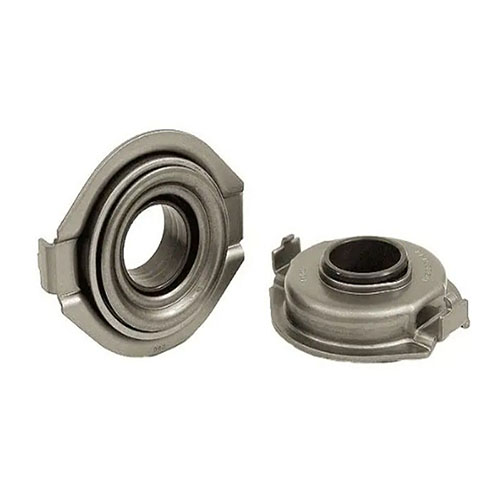
A mechanical type release bearing — also called a throw out bearing — sits between the clutch fork and the pressure plate’s diaphragm spring. Its job is to create a rotating separation surface when the driver depresses the clutch pedal.
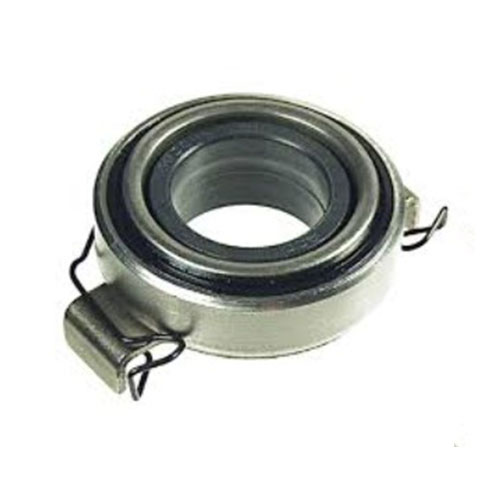
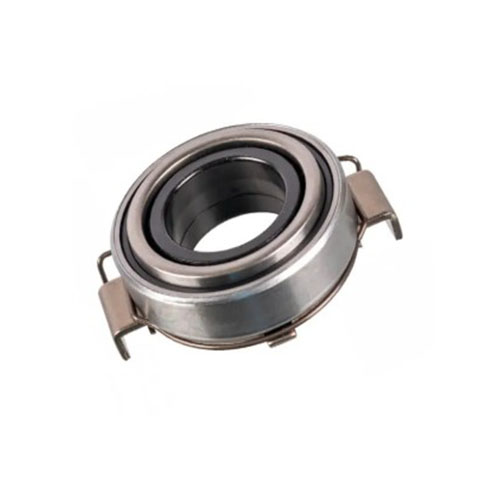
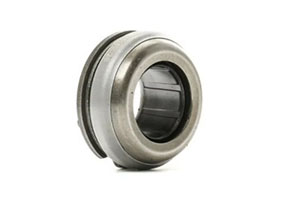
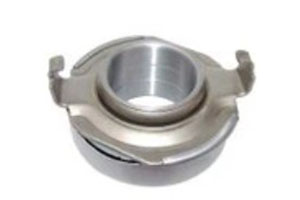
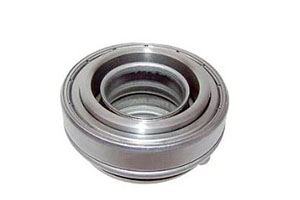
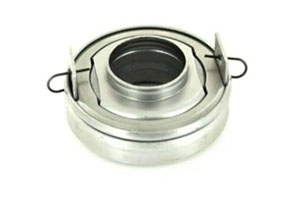
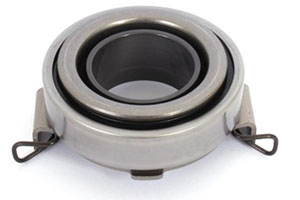
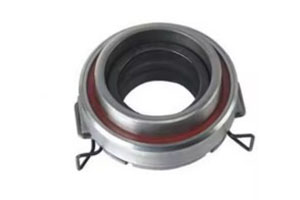
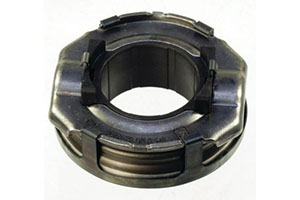
The bearing assembly includes an inner race (fixed onto a guide tube), an outer race (touches the diaphragm spring), rolling elements (steel balls or cylindrical rollers), a retainer cage, and high-temperature grease fill. A rod, cable, or Z‑bar linkage moves the clutch fork, which drives the bearing forward into the spinning spring to break clutch engagement.
Design Advantages
- No hydraulic components:Operated by a simple rod, cable, or Z‑bar linkage — no master cylinder, slave cylinder, or brake fluid to leak.
- Natural pedal feedback:The mechanical connection gives drivers a direct, predictable feel at the pedal, preferred by many experienced operators.
- Lower system cost:Fewer parts mean lower initial purchase price and cheaper replacement compared to hydraulic release systems.
- Tool‑friendly adjustment:A threaded pushrod or cable adjuster lets mechanics compensate for clutch wear externally without transmission removal.
- Easy roadside diagnosis:Mechanical linkages can be inspected and repaired with basic hand tools — no bleeding or fluid checks required.
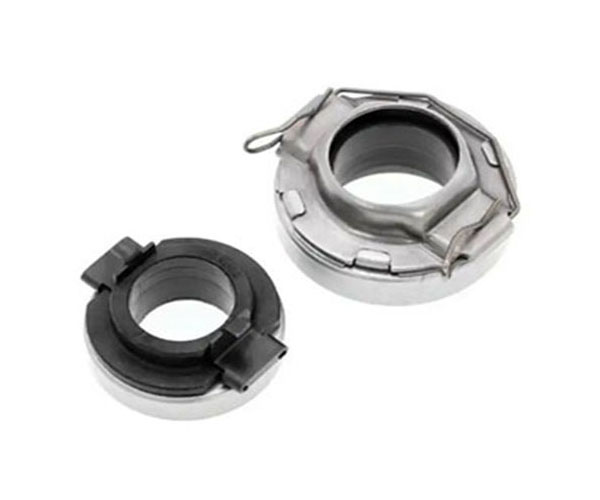
Your Professional Clutch Release Bearing Manufacturer
DUHUI has been manufacturing clutch release bearings since 2003. We operate a dedicated factory and hold ISO 9001 and IATF 16949 certifications for the automotive industry. All bearings are manufactured and tested in accordance with Chinese national standard JB/T 5312-2001. We provide material inspection certificates and finished product inspection certificates for each batch. For international markets, we also handle country-specific access certifications, including CE for the EU and DOT for the US.
Over 1,200 Models Covering Major Car Brands
We currently offer more than 1,200 clutch release bearing models. Our product line covers Japanese, Korean, European, and American car brands, including Honda, Toyota, Hyundai, Ford, and Volkswagen. The DH12 series bearings are fully interchangeable with OEM spare parts. Each bearing is guaranteed to meet original OE standards. These products are widely used in the automotive aftermarket.
Materials and Heat Treatment Process
We use GCr15 bearing steel for both inner and outer rings. The rings undergo quenching and tempering to achieve surface hardness above 58 HRC. Industry common practice for GCr15 clutch release bearings typically targets 58–62 HRC, with some manufacturers reaching up to 65 HRC after high-temperature quenching. After heat treatment, the surface is sandblasted and coated with anti-rust oil for wear and corrosion resistance. We use a high-grade Japanese white lubricating grease. The bearings are sealed and lubricated for life, which reduces friction and extends service life.
Manufacturing and Testing Standards
Our clutch release bearings follow JB/T 5312-2001. Axial clearance is maintained at ≤0.60 mm, with inner race wear kept at ≤0.30 mm. Carburizing heat treatment complies with JB/T 8881-2001, requiring surface carbon concentration of 0.8%–1.0% and an effective hardened layer depth of ≥0.5 mm for impact resistance.
Quality Testing for Materials and Finished Products
We perform multiple tests on both raw materials and finished bearings. The GCr15 steel used for rings must pass JB/T 7361-1994 hardness testing, with hardness deviation kept at ≤±1.5 HRC. For finished clutch release bearings, we conduct:
- High and low temperature tests: normal operation from -40℃ to 150℃.
- Salt spray test: no rust within 72 hours.
- Fatigue test: 300,000 cycles of normal use with no oil leakage or damage.
Service, Capacity, and Quality Commitment
Monthly production capacity exceeds 100,000 sets. Typical lead time for stock models is 15–45 days. For custom orders, sample development takes 7–15 days. We have exported to more than 60 countries and work with automotive aftermarket distributors, wholesale suppliers, and fleet maintenance buyers.
Customization options include: bearing dimensions, sealing types, grease specifications, and packaging. Minimum order quantity (MOQ) for customized bearings is negotiable based on design complexity. All standard models have no MOQ restriction.
Customer complaint rate is maintained below 0.5% annually based on shipment volume. This figure is derived from internal quality records and customer return data. We provide a 12-month warranty against manufacturing defects from the date of shipment.
For each order, we supply inspection reports and, upon request, third-party test reports. Contact us with your target models, annual volume estimates, or any technical questions for a quotation.
Mechanical Release Bearing Classifications & Aftermarket Series
We group our mechanical release bearings first by technical construction (four types) and then by market‑focused series (four families). This dual classification helps buyers quickly match the right bearing to their application.
- Ball‑Type Release Bearings
- Needle Roller Release Bearings
- Self‑Aligning Release Bearings
- Double‑Seal Release Bearings
- Aftermarket Reference Series
Ball‑Type Release Bearings
A ball‑type mechanical release bearing uses hardened steel spheres as its rolling elements. The point contact between balls and raceways keeps friction low, which extends service life in passenger cars and light trucks. These bearings are pre‑lubricated with high‑temperature grease and fitted with integral seals to block contamination — a proven design for daily driving.
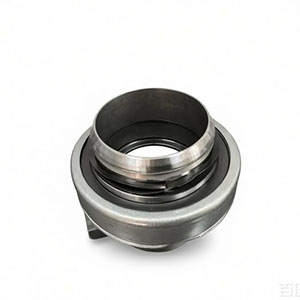
Needle Roller Release Bearings
Needle roller designs replace balls with long, slender cylindrical rollers. The resulting line contact supports higher axial loads within the same radial envelope. This makes needle roller release bearings the correct choice for heavy‑duty trucks, buses, industrial clutch systems, and performance vehicles where standard ball bearings would fail under sustained high force.
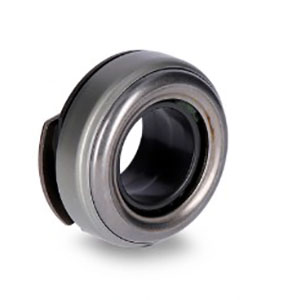
Self‑Aligning Release Bearings
A self‑aligning mechanical release bearing includes a flexible centering mechanism between the stationary sleeve and the bearing itself. When the bearing meets the rotating diaphragm spring, this mechanism automatically adjusts the bearing’s angle to match the spring’s rotational center. That self‑correction eliminates abnormal heat generation and uneven wear, doubling or tripling service life in misaligned installations.
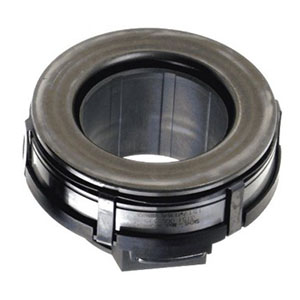
Double‑Seal Release Bearings
Double‑seal bearings have two independent sealing lips on each side of the bearing assembly. The outer lip blocks large debris while the inner lip stops fine dust and moisture. This sealing system retains the factory‑applied grease for the bearing‘s entire life. Use double‑seal mechanical release bearings for tractors, construction equipment, off‑road vehicles, and any application exposed to mud, sand, or water.
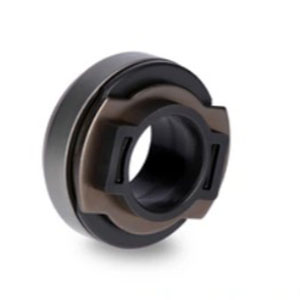
Aftermarket Reference Series
DUHUI offers direct equivalent alternatives to seven widely recognized reference coding families in the automotive aftermarket. Each DUHUI series is manufactured to match the form, fit, and function of the corresponding original brand series, providing a reliable replacement option for distributors and repair shops.
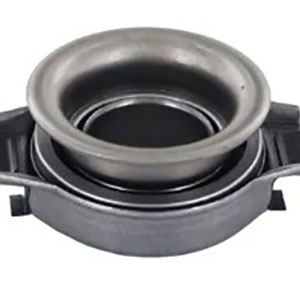
DUHUI VKC Series — Replaces SKF VKC. DUHUI VKC bearings are dimensionally and functionally identical to SKF VKC series (e.g., VKC 2218, VKC 2538). These compact ball‑type mechanical release bearings cross‑reference to LuK 500 0333 20 and SACHS 3163 900 001. DUHUI VKC equivalents cover Asian and European passenger car applications where SKF VKC bearings were originally specified.
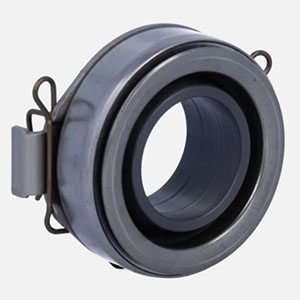
DUHUI RCT Series — Replaces Koyo / JTEKT RCT. DUHUI RCT bearings are built to match Koyo/JTEKT’s RCT‑series clutch release bearings (e.g., RCT4000SA, RCT3306SA, RCT358SA2). These heavy‑duty ball‑type units offer the same boundary dimensions and axial load capacities, providing a direct aftermarket substitute for Japanese and European passenger vehicles, light trucks and performance applications.
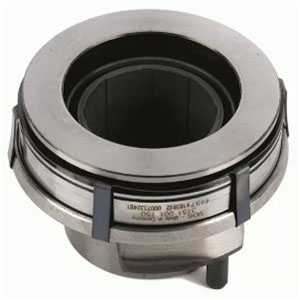
DUHUI NB Series — Replaces NTN NB. DUHUI NB bearings provide a reliable alternative to NTN’s NB‑series clutch release bearings (e.g., NB202FFH8, NB15103S, NB28622). Manufactured to OEM tolerances with forged‑steel construction, these units are engineered for durability. DUHUI NB equivalents are applicable across Asian passenger cars, light commercial vehicles, and industrial transmissions, offering a dependable replacement path for distributors and repair shops.
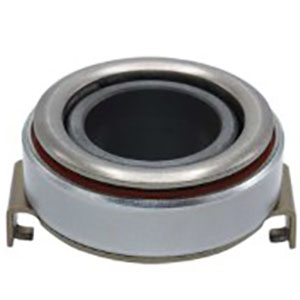
DUHUI TK / TKB Series — Replaces NTN / JTEKT TK / TKB. DUHUI TK/TKB bearings serve as a direct substitute for NTN, JTEKT and other manufacturers’ TK‑series and TKB‑series clutch release bearings (e.g., TK45‑4B, TK33‑1, 47TKB3001, 48TKB3201). These units are designed to handle a wide range of applications — from Mazda, Isuzu and Daihatsu passenger vehicles to Kubota tractor clutch systems — making them a versatile replacement option across diverse vehicle and equipment types.
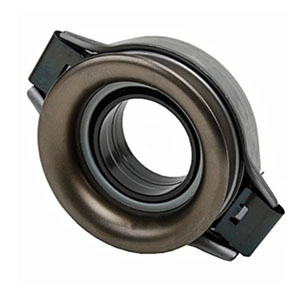
DUHUI 500 Series — Replaces LuK 500. DUHUI manufactures direct replacements for Schaeffler LuK 500 series bearings, including equivalents to LuK 500 0333 20, 500 0275 10, and 500 0352 10. These units match the original load ratings, grease fill, and seal design of LuK bearings, serving the same passenger car and light commercial vehicle applications without performance compromise.
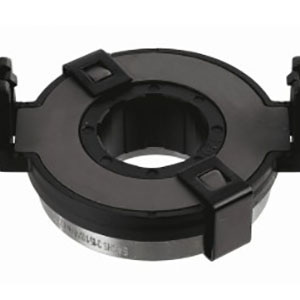
DUHUI 3151 Series — Replaces SACHS 3151. DUHUI 3151 bearings provide a direct aftermarket alternative to ZF SACHS 3151 catalog numbers such as 3151 874 001, 3151 600 557, and 3151 997 001. Built to OEM tolerances, these DUHUI equivalents fit BMW, Mercedes‑Benz, Volvo, Citroën, Fiat, and other European vehicles originally equipped with SACHS release bearings.
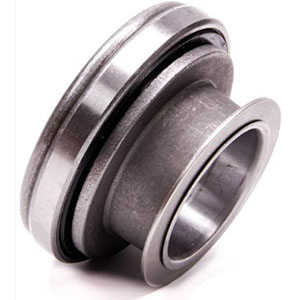
DUHUI 614 Series — Replaces Timken 614. DUHUI 614 series offers a reliable substitute for Timken 614 series bearings, including models like Timken 614122 (Honda Civic), 614114 (Dodge/Ram trucks with self‑aligning design), and cross‑references to NTN NB614111 (Audi/Volkswagen). Each DUHUI 614 equivalent maintains the original inner diameter, outer diameter, width, and sealing configuration, ensuring direct fitment.
Specialized Mechanical Release Bearing Variants
Beyond the four main categories, certain clutch configurations require less common release bearing designs.
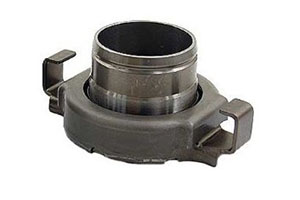
In a pull‑type clutch system, the release bearing must be mechanically connected to the diaphragm spring. Pull‑type bearings are available in fixed (bolted) or snap‑on/off designs, typically found in heavy trucks and some performance aftermarket clutches.
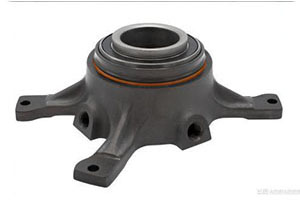
Some bell housings leave very limited axial space for the release bearing. Reduced height (thin section) bearings maintain full load capacity while shaving millimeters off the overall thickness. Used in compact car transmissions and certain racing conversions.
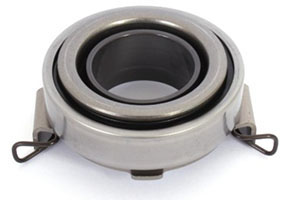
Standard release bearings often have a radiused face to match curved diaphragm spring fingers. Flat faced bearings are designed for round‑nose spring fingers where a radiused face would cause edge loading. Specified for some European and vintage vehicle applications.
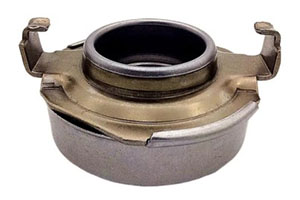
Racing and high‑performance street clutches spin at sustained high RPMs. High‑speed bearings use steel cages (not polymer), high‑temperature grease that does not thin out, and hardened outer shells to resist centrifugal force. Suitable for track days and competitive motorsport.
Industry Applications of Mechanical Release Bearings
Mechanical release bearings appear wherever a human operator controls a manual clutch via mechanical linkage.

Most non‑luxury manual transmission cars still use mechanical release bearings. Ball‑type units handle the moderate loads and frequent engagement cycles of daily commuting. Examples include Toyota Corolla, Honda Civic, and Volkswagen Golf.
Pickups and sport utility vehicles weigh more and often tow trailers. That extra mass translates to higher axial loads on the release bearing. Needle roller or reinforced ball‑type bearings are preferred for Ford F‑150, Chevrolet Silverado, and Toyota Hilux.
Class 6–8 trucks from manufacturers like Freightliner, Kenworth, and Volvo need maximum axial load capacity and long service intervals. Needle roller or self‑aligning mechanical release bearings are standard in these vehicles.
Buses see thousands of clutch engagements per day in stop‑and‑go city routes. Self‑aligning release bearings reduce wear caused by frequent thermal expansion and contraction of the bell housing.

Farm equipment operates in fields filled with dust, dry soil, and plant debris. Double‑seal mechanical release bearings are mandatory here because standard seals fail within weeks. These bearings also resist vibration from rough terrain.
Wheel loaders, backhoes, and skid steers with manual transmissions require release bearings that survive shock loads and contaminated environments. Needle roller or double‑seal designs are the usual specification.
Race cars and tuned street cars need release bearings that stay together at high RPMs. High‑speed variants with steel cages and high‑temperature grease are used in drag racing, circuit racing, and rally applications.
Clutch Release Bearing Technology Comparison
This comparison examines two distinct release bearing systems: mechanical (fork‑actuated) and hydraulic (concentric slave cylinder). Key differences in actuation, maintenance, and application suitability are covered.
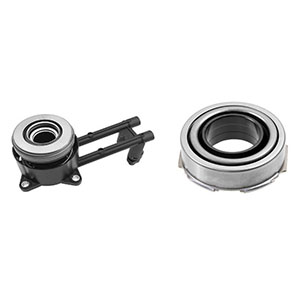
This internal article compares the two clutch release technologies across five key areas: linkage type (rod/cable vs hydraulic fluid), self‑adjustment capability, external serviceability, component count, and typical vehicle segments. Mechanical bearings offer simpler diagnostics and lower repair costs, while hydraulic systems provide self‑adjusting operation and lighter pedal effort. Includes application recommendations for passenger cars, commercial fleets, and performance vehicles.
For more details, please read “Mechanical vs. Hydraulic Clutch Bearings: Key Differences and How to Choose”.
Recommended Mechanical Release Bearing Models
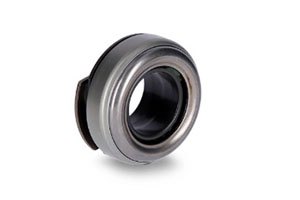
500 0436 60 – Self‑aligning clutch release bearing for VW Golf, Jetta, and Audi A3 manual transmissions. Reduces pedal vibration and noise. Direct replacement for OE VW 02T141165A.
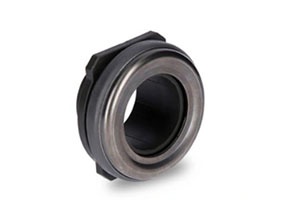
500 1064 30 – Mechanical throw out bearing for Ford Transit, Focus, and Mondeo. High‑temperature grease ensures consistent pedal feel and long service life. Replaces OE YC15‑7548‑AC.
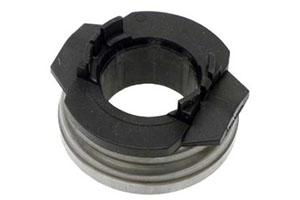
500 0440 100 – Heavy‑duty release bearing for VW Lavida 1.4T and Bora 1.8T. Polymer cage and double lip seals resist dust and moisture. Exact OE fit eliminates clutch drag.
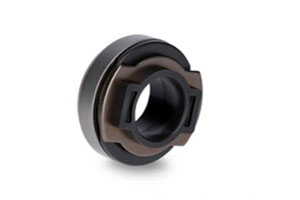
500 1150 10 – Upgraded mechanical clutch release bearing with optimised ball race geometry. Reduces axial play for improved pedal modulation. Fits numerous European models.
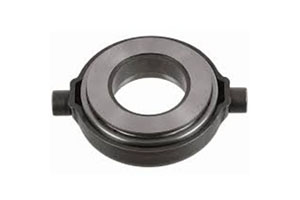
3151 600 786 – OE‑specification release bearing for VW Beetle, Golf, and Caddy (111141165A). Precision raceways minimize wear in stop‑and‑go driving. 100% functionally tested.
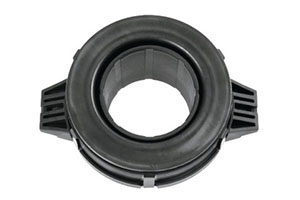
3151 000 370 – Heavy‑duty release bearing for MAN and Scania trucks (81.30550‑0275). Case‑hardened steel with premium sealing. Designed for extreme axial loads and extended fleet intervals.
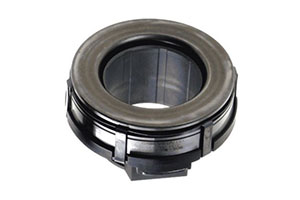
3151 000 144 – Standard mechanical release bearing for VW Group compact cars. Self‑centring cage compensates for minor misalignment. OE fit without modifications.
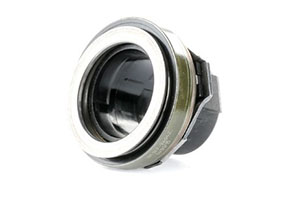
3151 600 706 – Universal clutch release bearing for multiple European and Asian platforms. High‑performance lubricant stable from –40°C to 150°C. Reduces pedal effort and chatter.

RCT337SA3‑2 – OE‑identical release bearing for Toyota Corolla and MR2 (31230‑12170). Super‑finished raceways reduce NVH. Trouble‑free fit with silent operation.
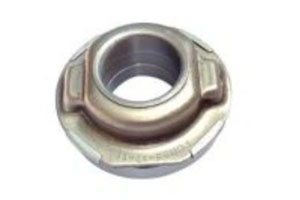
FCR55‑17‑2E – Heavy‑duty release bearing for Mitsubishi Pajero, Delica, and L300. One‑piece stamped housing prevents deformation under off‑road stress.
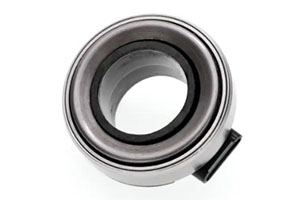
TK40‑16AU3 – Universal release bearing for Subaru, Mazda, and 4WD applications. Patented cage design maintains ball alignment, prevents skewing. Reduces pedal effort.
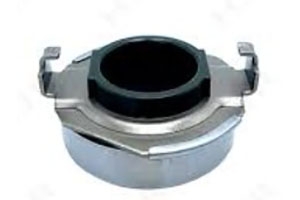
54TKB3604A – OE‑grade throw out bearing for Isuzu ELF series with 2200‑diesel engines. Advanced surface finish reduces friction and improves shift quality.
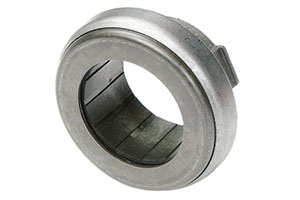
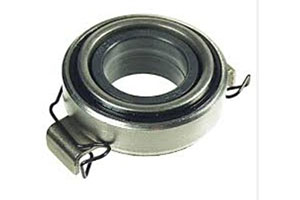
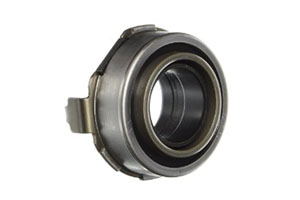
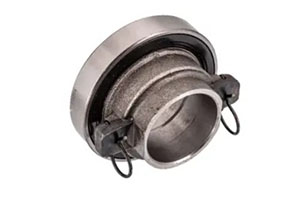
What Is a Mechanical Release Bearing? Complete Technical Guide
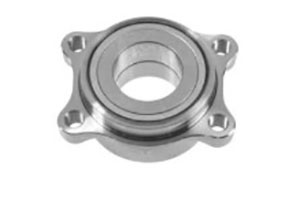
If you press the clutch pedal and hear a grinding noise, or if shifting gears suddenly feels rough, the culprit is often a small but critical component: the mechanical release bearing. Also known as a throw‑out bearing, this part handles the direct physical connection between your foot and the engine’s spinning clutch. How does it work without any hydraulic fluid, and why do some drivers still prefer it over modern systems? This guide walks through its operation, common failure signs, and when to replace it.
A mechanical release bearing is an axial thrust bearing designed exclusively for manual transmissions. Its job is to bridge a stationary clutch fork and a rapidly spinning pressure plate. When you push the clutch pedal, the bearing moves forward, contacts the rotating diaphragm spring, and temporarily releases the clamping force that holds the clutch disc against the flywheel. That split‑second separation lets you change gears without grinding. Release the pedal, and the bearing backs off – full engine power returns to the transmission.
Step‑by‑Step Operation of a Mechanical Release Bearing
The process starts at the clutch pedal. In a mechanical system, the pedal connects directly – through a solid rod, a braided cable, or a multi‑link Z‑bar assembly – to a clutch fork inside the bell housing. Pressing the pedal pulls or pushes one end of the fork. The fork pivots on a ball stud, causing its opposite end to move toward the engine.
That fork end holds the release bearing. The bearing slides along a stationary guide tube (sometimes called a quill or carrier) until its front face contacts the spinning diaphragm spring fingers of the pressure plate. Once contact happens, the bearing’s outer race rotates with the pressure plate while the inner race stays stationary relative to the fork. Rolling elements – either balls or rollers – make this rotating interface possible.
With the clamping force released, the clutch disc stops spinning, and you can select a new gear. When the pedal comes up, the linkage relaxes, the fork retreats, and the bearing loses contact. The pressure plate re‑engages the clutch disc against the flywheel, and torque delivery resumes.
Internal Components – What’s Inside a Mechanical Release Bearing
Every mechanical release bearing contains several precision‑machined parts:
- Inner race – a hardened steel ring that fits onto the guide tube.
- Outer race – a hardened ring that makes direct contact with the diaphragm spring.
- Rolling elements – spherical balls or cylindrical rollers that provide smooth rolling motion.
- Cage – a pressed steel or polymer component that spaces the rolling elements evenly.
- High‑temperature grease – fills internal cavities, formulated to stay effective above 150°C.
- Seals or shields – integral rubber or steel closures that keep contaminants out and grease in.
Some designs come with a pre‑attached carrier housing made from stamped steel or reinforced polymer – that simplifies installation.
How Mechanical Release Bearings Differ by Vehicle Type
The physical size and internal construction of a mechanical release bearing vary significantly depending on the application:
- Passenger cars – relatively small (typically 35–55 mm outer diameter), using ball rolling elements.
- Light trucks – larger, may use heavier‑duty balls or needle rollers.
- Commercial trucks – largest size, reinforced cages, specialized contact face geometries.
- Agricultural and construction equipment – prioritize sealing integrity, often adding extra dust lips.
Mechanical vs Hydraulic Release Bearing – Key Distinctions
Many modern vehicles, especially those built after 2010, use hydraulic release bearings. In a hydraulic system, depressing the clutch pedal pushes fluid from a master cylinder to a slave cylinder or a concentric slave cylinder (CSC) mounted on the transmission input shaft. The CSC contains a piston that pushes the release bearing. Hydraulic systems self‑adjust for clutch wear and offer a lighter pedal feel. However, they require proper fluid levels, are prone to leaks, and cannot be repaired externally.
Mechanical release bearings operate without any fluid. The direct linkage gives the driver a more tactile pedal feel – many enthusiasts prefer this for precise clutch modulation. Mechanical systems have no master cylinder, slave cylinder, or hydraulic lines to fail. Adjusting for clutch wear is straightforward: turn a threaded pushrod or adjust a cable stop. The downside? Mechanical bearings need periodic manual adjustment; neglect leads to premature failure.
For commercial fleets and older vehicles, mechanical release bearings remain the more practical and cost‑effective choice.
Typical Service Environment and Demands
A clutch release bearing does not rotate continuously. It only spins when the clutch pedal is depressed. In stop‑and‑go city driving, that can mean hundreds of engagement cycles per day, each lasting a few seconds. On the highway, the bearing may go minutes or hours without any rotation. This intermittent duty cycle places unique demands on lubrication. The grease must not settle or separate during long stationary periods, yet it must flow immediately when rotation starts.
High‑speed rotation (up to 6,000 RPM or more, depending on engine speed) generates centrifugal force that tries to throw grease out of the rolling elements. Quality mechanical release bearings use specialized thickener systems and base oils to resist this effect.
Why Aftermarket Professionals Choose Mechanical Designs
For independent repair shops and fleet maintenance operations, mechanical release bearings offer several practical advantages:
- Diagnosis is simpler – if the clutch fork moves but the bearing does not disengage properly, the issue is either a seized bearing or a broken linkage; no hydraulic diagnostics needed.
- Replacement parts cost less because there are no master cylinders or hoses to buy.
- External adjustability allows a mechanic to compensate for minor linkage wear without dropping the transmission.
- In many commercial vehicles, that translates directly to less downtime and lower labor costs.
Mechanical Release Bearing Failure and Preventive Maintenance Guide
Recognizing early warning signs of a failing mechanical release bearing can save you from a roadside breakdown and expensive transmission damage. Below are real‑world failure patterns and practical maintenance steps.
Common Failure Symptoms and Their Causes
Grinding Noise When Pedal is Depressed
If a grinding or rumbling sound appears only when you push the clutch pedal down and disappears when you release it, the release bearing is the most likely culprit. The noise comes from worn balls or rollers, spalled raceways, or loss of grease. In advanced cases, the bearing may feel rough when rotated by hand after removal. Do not ignore this symptom – a seized bearing will eat into the pressure plate fingers and destroy the clutch fork.
Clutch Drag or Hard Shifting
When the release bearing cannot fully separate the clutch disc from the flywheel, gears grind during shifting – especially into reverse. This condition may be caused by incorrect linkage adjustment (too little free play) rather than a worn bearing. However, a collapsed bearing carrier or a bearing that has lost its axial clearance will also produce drag. Always check free play first (typically 6–12 mm at the pedal pad) before condemning the bearing.
Pedal Vibration or Chatter
A vibration felt through the clutch pedal during engagement points to uneven contact between the release bearing face and the diaphragm spring fingers. Minor misalignment can be compensated by a self‑aligning bearing. Severe vibration suggests a bent clutch fork, warped bell housing mounting face, or a bearing that has begun to disintegrate. Inspect the fork pivot and bell housing alignment before installing a new bearing.
Premature Bearing Failure (Repeated Occurrences)
If a vehicle goes through release bearings every 20,000 miles or less despite correct installation, look for root causes beyond bearing quality. Common hidden causes:
- A grooved or worn guide tube that binds the bearing
- Missing or damaged dust cover allowing contamination ingress
- Excessive crankshaft end play that changes the pressure plate position
- An incorrectly adjusted linkage that keeps the bearing in constant contact with the diaphragm spring
Preventive Maintenance Checklist for Fleet Operators
- Every 15,000 miles or annually, check clutch pedal free play. Adjust the pushrod or cable to restore factory specification.
- Inspect the external linkage (Z‑bar bushings, cable sheath, pivot ball) for wear. Worn linkage changes the release bearing engagement point.
- When replacing a clutch, always install a new release bearing. Never reuse a used bearing even if it looks good.
- Before sliding a new bearing onto the guide tube, clean the tube surface and apply a thin film of high‑temperature grease. A dry or dirty guide tube will kill a new bearing within weeks.
- For vehicles operating in dust or mud, upgrade to a double‑seal mechanical release bearing even if the original was single‑seal.
Expected Service Life Under Different Conditions
| Application | Expected Service Life |
|---|---|
| Passenger car, normal driving | 80,000 – 160,000 km (50,000 – 100,000 miles) |
| Light truck, occasional towing | 60,000 – 100,000 km (37,000 – 62,000 miles) |
| Commercial truck, highway use | 150,000 – 250,000 km (93,000 – 155,000 miles) |
| Commercial truck, city delivery | 80,000 – 120,000 km (50,000 – 75,000 miles) |
| Agricultural or construction equipment | 1,000 – 2,000 operating hours |
Replacement Best Practices
Industry experts recommend replacing the release bearing whenever you service the clutch assembly or remove the transmission for any reason. Always inspect the guide tube or carrier for grooves, scoring, or wear – a damaged guide tube will cause premature failure of the new bearing regardless of its quality. Thoroughly clean the bell housing interior to remove clutch dust and debris before installation. Apply a thin film of high‑temperature grease to the guide tube surface as specified by the bearing manufacturer. Verify the new bearing’s free play measurement matches the vehicle manufacturer’s specifications before reassembly.
When to upgrade to self‑aligning bearings: If your vehicle exhibits repeated release bearing failures despite proper installation procedures, or if the bell housing alignment cannot be guaranteed due to previous accident damage or aftermarket conversion, upgrading to a self‑aligning mechanical release bearing is recommended. The centering mechanism absorbs rotational center gaps between the diaphragm spring and the bearing, suppressing abnormal heat generation and wear on the contact surfaces.
Conclusion and Actionable Recommendations
A mechanical release bearing is a straightforward but hard‑working component. Its direct linkage provides excellent pedal feel and avoids the fluid‑related failures of hydraulic systems, but it demands periodic manual adjustment and proper lubrication. Key takeaways:
- Grinding noise only when the pedal is down – inspect or replace the bearing immediately.
- Always install a new release bearing during any clutch replacement – reusing an old one is false economy.
- Clean and grease the guide tube before sliding on a new bearing; a dry tube ruins bearings in weeks.
- For fleet vehicles, schedule free‑play checks every 15,000 miles or annually.
Action steps: If you operate or maintain vehicles with mechanical clutches, add the guide tube inspection and free‑play adjustment to your regular preventive maintenance checklist. For a vehicle that sees repeated bearing failures despite correct installation, upgrade to a self‑aligning design – it will pay for itself in reduced downtime and labor costs.
A mechanical release bearing is pushed by a clutch fork that is moved by a solid rod, a cable, or a Z‑bar linkage connected directly to the clutch pedal. No fluids are involved. A hydraulic release bearing uses brake fluid pressurized by a master cylinder to move a slave cylinder or concentric slave cylinder (CSC). Mechanical units require occasional manual adjustment but are simpler and cheaper to repair.
Yes. Industry standard practice is to install a new release bearing with every clutch replacement. The labor cost to access the bearing is identical whether you replace it or not. Reusing an old bearing risks a failure 10,000 miles later, forcing another transmission removal.
A failing mechanical release bearing typically produces a grinding, rumbling, or scraping noise when the clutch pedal is pressed. The noise stops or changes when the pedal is released. If the bearing seizes, you may hear a squealing sound as the seized outer race drags against the pressure plate fingers.
Locate the adjustment mechanism — either a threaded pushrod at the clutch fork or an adjustable cable stop near the pedal. Loosen the locknut, turn the adjuster to reduce free play until the bearing just contacts the pressure plate, then back off to achieve the manufacturer’s specified free play (usually 6–12 mm measured at the pedal pad). Tighten the locknut.
For standard passenger cars up to 2.0L engine size, a ball‑type release bearing is sufficient. For light trucks or vehicles that tow, choose a needle roller type for higher axial load capacity. If the bell housing alignment is questionable (e.g., after an accident or engine swap), choose a self‑aligning bearing. For farm or construction equipment, always choose a double‑seal bearing.
Conversion is possible but requires changing the bell housing to one that accepts a clutch fork and external linkage. You will also need a pedal assembly with a mechanical master cylinder delete or a cable attachment point. Aftermarket conversion kits exist for some older models and custom builds, but this is not a simple bolt‑on job.
Incorrect linkage adjustment that keeps the bearing in constant contact with the pressure plate is the number one cause. Other common causes include: a damaged or rusty guide tube, contamination ingress past failed seals, using the wrong grease type, and exceeding the bearing’s rated axial load (e.g., installing a ball‑type bearing in a heavy truck).
No. Modern mechanical release bearings are sealed units filled with the correct amount of high‑temperature grease at the factory. Attempting to inject additional grease will rupture the seals, allowing contamination to enter and grease to leak out. If a sealed bearing is dry, replacement is the only correct action.
It aligns the bearing’s rotational center to match the rotational center of the diaphragm spring. When the bearing first touches the spinning spring, any offset between the two centers generates heat and wear. The self‑aligning mechanism (typically a rubber or spring centering element between the sleeve and bearing) shifts the bearing into coaxial alignment within milliseconds of contact.
Yes. DUHUI Bearings manufactures mechanical release bearings that cross‑reference to thousands of OEM part numbers from Toyota, Honda, Nissan, Mitsubishi, Subaru, Mazda, Ford, General Motors, Stellantis (Chrysler/Peugeot/Citroën), Volkswagen Group (VW, Audi, SEAT, Škoda), Mercedes‑Benz, BMW, Hyundai, Kia, and commercial vehicle brands including Mercedes‑Benz Trucks, MAN, Volvo Trucks, Scania, and Iveco. Each bearing is tested for dimensional accuracy, noise level, and grease fill before shipment.