Quick Answer
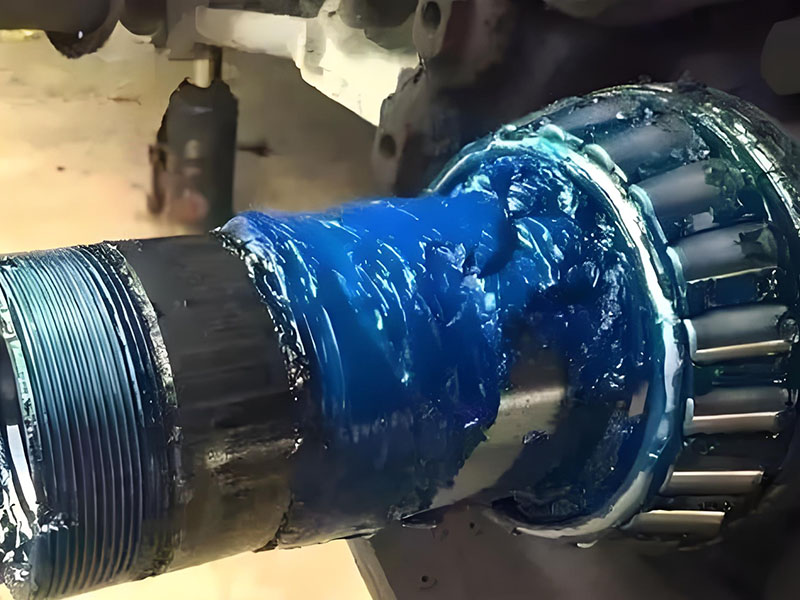
Wheel bearing grease is a specialized lubricant made from base oil, thickener, and additives. It reduces friction, prevents corrosion, and protects bearings from heat and water. Most wheel bearings require NLGI 2 grease with GC-LB certification. Serviceable bearings should be cleaned and repacked every 12,000-30,000 miles or annually, depending on vehicle use. Sealed bearings are maintenance-free and must be replaced as a unit when they fail.
Wheel bearings turn at high speed while supporting the full weight of a vehicle. They also endure the heat generated by braking and exposure to water, road salt, and debris. A well-designed bearing minimizes friction and maximizes longevity, but even the best bearing cannot survive without proper lubrication.
This guide covers everything you need to know about wheel bearing grease – from its composition and types to selection criteria, ratings, and step-by-step repacking instructions. Whether you are a DIY mechanic or a professional technician, you will find practical, actionable information to keep your wheel bearings in top condition.
What Is Wheel Bearing Grease?
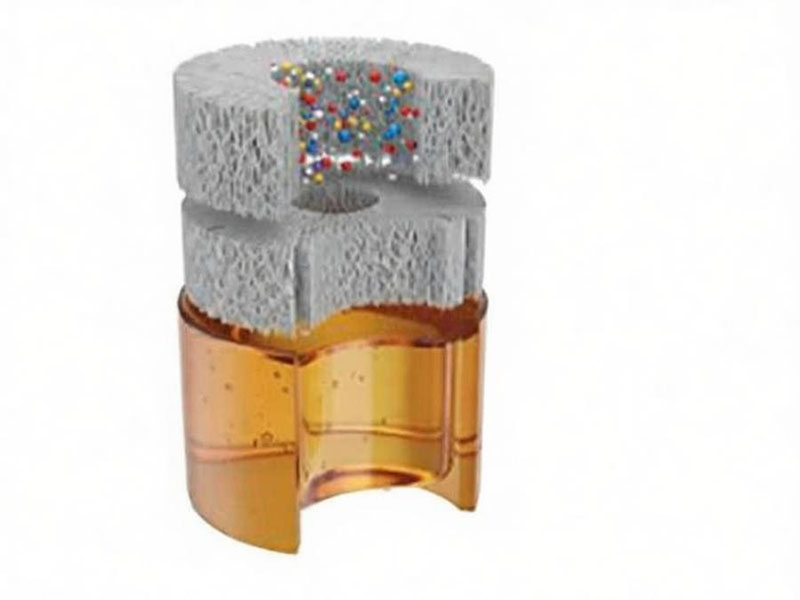
Wheel bearing grease is a carefully balanced combination of three core components:
- Base oil – This can be mineral oil (petroleum-based), vegetable oil, or synthetic oil. The base oil provides the actual lubrication between metal surfaces.
- Thickener (soap) – The thickener gives the grease its semi-solid consistency. In grease, “soap” does not mean household detergent. It is made from fatty acids and provides anti-corrosive properties. Common thickener types include lithium, lithium complex, calcium sulfonate, and silicone-based compounds.
- Additives – These are blended in to enhance specific properties. Common additives include anti-corrosion agents, water-resistant additives, and anti-wear additives.
Each bearing type and manufacturer uses its own specific blend of these ingredients. The formulation determines how the grease performs under heat, pressure, and contamination.
Wheel bearing grease vs. other greases: Wheel bearing grease is formulated differently from chassis grease or general-purpose grease. It must withstand temperatures above 180°C (356°F) generated by disc brakes, resist water washout, and maintain its consistency under high-speed rotation. Chassis grease, by contrast, is not designed for these extreme conditions and will fail if used in wheel bearings.
Synthetic vs. Conventional Wheel Bearing Grease
In the past, wheel bearing grease was almost exclusively made with petroleum-based mineral oil as the base. Today, synthetic oils are increasingly common in grease formulations.
Here is why synthetic-based grease has become the preferred choice:
- Cost competitiveness – Synthetic oil is now cost-competitive with mineral oil, and its price has not risen as fast as conventional base oils. This makes synthetic formulations a practical choice for both manufacturers and end users.
- Better heat resistance – Synthetic oils maintain their lubricating properties at higher temperatures than mineral oils. This is critical for disc brake wheel bearings, which see extreme heat.
- Longer service life – Synthetic greases resist oxidation and thermal breakdown longer than conventional greases.
- Lower friction – Research has shown that mineral oil-based grease exerts a greater influence on friction torque than synthetic oil-based grease under the same viscosity grade. Lower friction means less energy loss and cooler operating temperatures.
- Wide temperature range – Many synthetic wheel bearing greases operate across a range of -40°F to 400°F (-40°C to 204°C), maintaining consistency across a broader range than mineral-based products.
Conclusion: Synthetic-based grease is the better choice for most modern vehicles, particularly those with disc brakes or operating in varied climates.
The Different Types of Wheel Bearing Grease
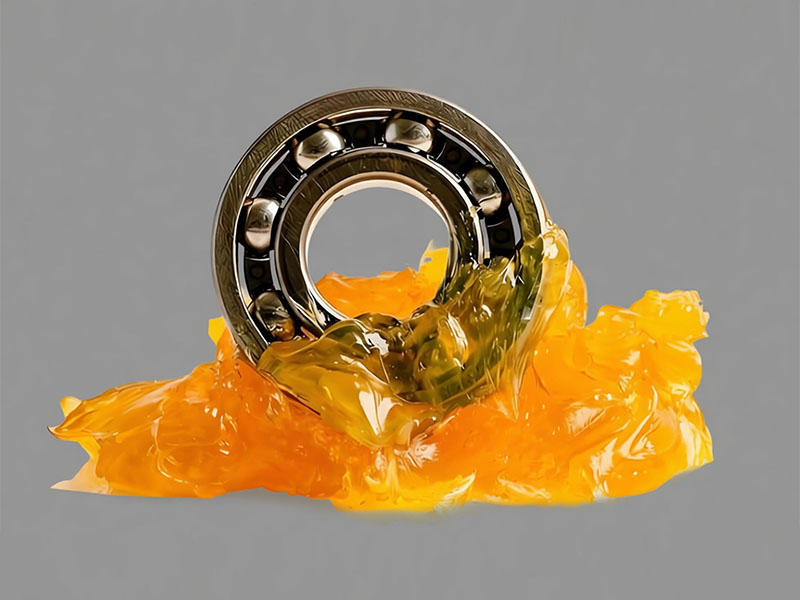
Not all wheel bearing greases are the same. Different formulations suit different applications. Here are the most common types:
General Multi-Purpose Grease
Typically made with a calcium sulfonate thickener. Works well for drum brake wheel bearings, chassis components, and other general lubrication points. This grease resists water effectively but does not perform well under high temperatures. Never use general multi-purpose grease on disc brake wheel bearings – the heat will cause it to break down and lose its lubricating properties.
High-Temperature Multi-Purpose Grease
Silicone-based grease formulated specifically for high-temperature environments. The silicone helps the grease stay stable even when exposed to the intense heat generated by disc brakes. Also protects against water and road contaminants. Performs well in non-high-temperature applications as well, making it more versatile than general-purpose grease.
Moly-Grease
Contains molybdenum disulfide, an anti-wear additive that provides high-pressure protection for metal surfaces. Some automakers, including Ford, require moly-grease for their wheel bearings. The molybdenum additive helps protect bearings under heavy loads and extreme pressure. Always check your vehicle owner’s manual to see if the manufacturer recommends moly-grease for your specific application.
Marine Grease
Designed for boats, boat trailers, and any vehicle regularly submerged in water. Standard bearing greases contain soap-based thickeners, and soap can be water-soluble. Marine grease is loaded with water-resistance additives that prevent the grease from washing out when exposed to water. If your bearings will see frequent water exposure, marine grease is essential.
Lithium Complex Grease
One of the most common recommendations for wheel bearings. Offers a high dropping point, meaning it remains stable at higher temperatures than standard lithium grease. Lithium complex greases often carry NLGI GC-LB certification and provide excellent thermal stability, wear protection, and load-carrying capacity. Suitable for both automotive and industrial applications operating under heavy loads and at moderate to high temperatures. Many premium wheel bearing greases on the market today are lithium complex formulations.
Which Grease Should You Choose? – A Usage-Based Selection Guide
With so many grease types available, choosing the right one can feel overwhelming. Here is a clear selection guide organized by application scenario:
| Application Scenario | Recommended Grease Type | Key Requirements |
|---|---|---|
| Passenger Vehicles (sedans, SUVs, light trucks) | Lithium complex or polyurea-based grease with NLGI GC-LB certification | All-purpose formulation for daily driving conditions including city and highway use |
| Heavy-Duty / Commercial Vehicles (trucks, buses, construction equipment) | Aluminum complex or calcium sulfonate grease with high-viscosity base oil and extreme-pressure (EP) additives | Handles higher loads, offers stronger contamination resistance, and withstands extended service intervals |
| High-Performance / Racing | Full synthetic grease with advanced thickener systems | Extreme thermal stability and low-friction characteristics for sustained high-speed operation |
| Off-Road / Agricultural | Calcium sulfonate or lithium complex grease with high water resistance | Must tolerate mud, dirt, and variable weather conditions |
| Marine / Boat Trailers | Marine grease with high water-resistance additives | Prevents washout during submersion and resists saltwater corrosion |
| Electric Vehicles (EVs) | Specialized conductive or non-conductive grease depending on motor design | Must address electrical current risks while handling higher vehicle weight and instant torque |
General rule: When in doubt, choose an NLGI Grade 2 grease with GC-LB certification. This is the safest starting point for most vehicles.
Key Performance Characteristics of Wheel Bearing Grease
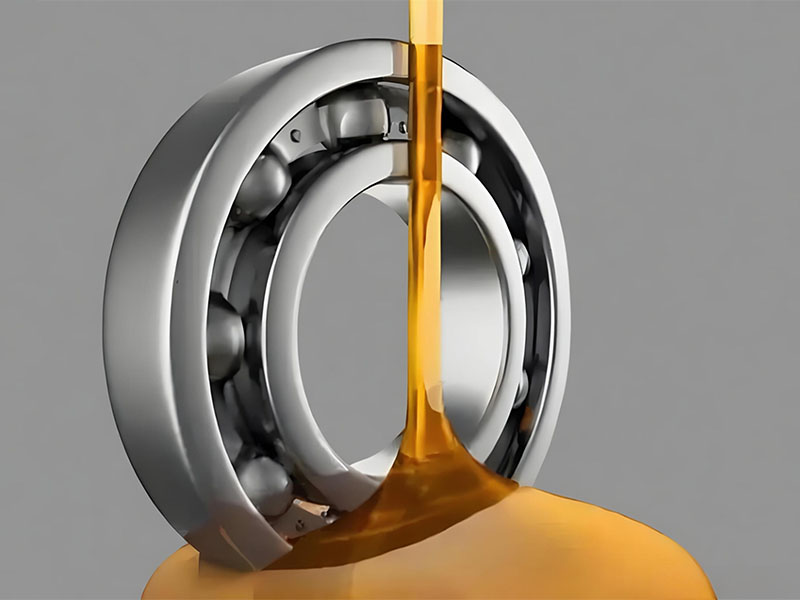
Understanding what makes a grease perform well in real-world conditions goes beyond just reading the label. Here are the four most important performance characteristics:
Temperature Resistance
Grease must remain effective across the full temperature range your bearings encounter. Cold weather can cause grease to thicken, making it difficult to flow. Brake heat can cause grease to thin out or melt.
- Dropping point – The temperature at which grease changes from a semi-solid to a liquid. For wheel bearings, a dropping point well above your operating temperature is essential. GC-LB greases require a minimum dropping point of 220°C (428°F).
Water Resistance
Wheel bearings are constantly exposed to water from rain, puddles, and road spray. Water can wash grease out of bearings or mix with it to form sludge.
- ASTM D1264 Water Washout Test – Measures how much grease is washed away by water at elevated temperatures. GC-LB greases must lose no more than 15% of their weight under this test.
Load-Bearing Capacity
Wheel bearings support the full weight of your vehicle. The grease must form a durable lubricating film that prevents metal-to-metal contact even under heavy loads.
- Extreme-Pressure (EP) additives – Molybdenum disulfide and other EP additives create a protective layer on metal surfaces. GC-LB testing includes the Four-Ball EP Test (ASTM D2596), which measures weld point and load wear index.
Mechanical Stability
As the bearing rotates, the grease is continuously subjected to shear forces. If the grease is not mechanically stable, it will soften or break down over time.
- ASTM D217 Worked Penetration Test – Measures grease consistency before and after being worked mechanically. GC-LB greases are tested for stable penetration values after extended working.
These four characteristics work together. A grease with excellent temperature resistance but poor water resistance will fail in wet conditions. A grease with high load capacity but poor mechanical stability will break down over time. GC-LB certification ensures all four characteristics meet stringent standards.
How Is Wheel Bearing Grease Rated?
Each wheel bearing grease carries a rating that tells you what it is and what it is good for. Understanding these ratings is essential for selecting the right product.
NLGI Letter Ratings (Performance Classification)
The National Lubricating Grease Institute (NLGI), in partnership with ASTM D4950, has established a classification system for automotive service greases. The system uses two category groups:
- G – Wheel bearing lubricants
- L – Chassis lubricants
Within these groups, there are performance classifications:
| Category | Classifications | Description |
|---|---|---|
| Wheel Bearing (G) | GA, GB, GC | GC is the highest performance |
| Chassis (L) | LA, LB | LB is the highest performance |
The automotive industry generally agrees that the highest performance classification in each group – GC for wheel bearings and LB for chassis – is suitable for service relubrication.
GC-LB certification identifies greases that meet the highest standards for both automotive wheel bearings (GC) and chassis points (LB) per ASTM D4950.
In addition to ASTM D4950, the SAE J2695 standard also specifies requirements for wheel bearing greases. Most wheel bearing greases should meet either NLGI GC-LB or SAE J2695 requirements to ensure compatibility with modern vehicle specifications.
NLGI has developed a Certification Mark that appears on product labels. OEM owner’s manuals often refer to this mark and advise users to choose greases carrying it. Only products meeting GC and LB standards are authorized to use the mark.
GC-LB specification requirements (per ASTM D4950) include:
| Test | Method | Requirement |
|---|---|---|
| Worked penetration | D217 | 220-340 mm/10 |
| Dropping point | D2265 | 220°C minimum |
| Water washout (80°C) | D1264 | 15% maximum |
| Oil separation | D1742 | 6% maximum |
| Rust protection | D1743 | Pass |
| Four-ball wear scar | D2266 | 0.6 mm maximum |
| Four-ball EP load wear index | D2596 | 30 kgf minimum |
| Four-ball EP weld point | D2596 | 200 kgf minimum |
| High-temperature life | D3527 | 80 hours minimum |
| Low-temperature torque (-40°C) | D4693 | 15.5 N·m maximum |
| Leakage | D4290 | 10 g maximum |
Grease containers should display both the NLGI grade and the category designation.
NLGI Number Ratings (Consistency)
The NLGI classification system measures grease consistency or hardness. It ranges from 000 (most fluid) to 6 (hardest).
| NLGI Grade | Description | Similar Consistency To |
|---|---|---|
| 000 | Fluid | Cooking oil |
| 00 | Semi-fluid | Applesauce |
| 0 | Very soft | Mustard |
| 1 | Soft | Tomato paste |
| 2 | Medium | Peanut butter |
| 3 | Medium hard | Margarine |
| 4 | Hard | Frozen yogurt |
| 5 | Very hard | Smooth pâté |
| 6 | Block | Cheddar cheese |
NLGI Grade 2 is the most common consistency for wheel bearing grease. It has an ASTM worked penetration at 25°C of 265 to 295 tenths of a millimeter. It is described as having a medium consistency, similar to peanut butter.
Most wheel bearing greases are formulated as NLGI 2 grade and are designed to operate at temperatures as low as -40°C (-40°F).
NLGI Grade 00 is a semi-fluid product used in some sealed hub units. This is a specialized application – NLGI 00 grease should not be used in standard wheel bearings, and NLGI 2 grease should not be used in sealed hub units that require 00 grade.
Important: The NLGI number only tells you the consistency of the grease – not its performance or suitability. Two greases can both be NLGI 2 but have completely different formulations – one may be suitable for wheel bearings, while the other is intended for food machinery or electric motors. Always check the full specification, including the letter rating (GC, GC-LB, etc.).
Sealed Bearings vs. Serviceable Bearings
Before you do any work on wheel bearing grease, you need to know what type of bearings your vehicle has.
Sealed Wheel Bearing Assemblies
Many modern vehicles use sealed wheel bearing cartridges or hub assemblies. These are:
- Maintenance-free – Sealed at the factory; no cleaning, repacking, or periodic maintenance required
- Cannot be lubricated – There is no way to add grease to a sealed bearing
- Replaced as a unit – When a sealed bearing fails, you replace the entire hub assembly
Sealed bearings often last 200,000 miles or more under normal driving conditions. However, when they fail, they usually fail quickly. Warning signs include humming or growling noises while driving and ABS warning lights.
Do not attempt to pry open the seals on a sealed bearing to repack it. The seals are easily damaged, and once distorted, the bearing will continuously lose grease through the damaged seal.
Serviceable Tapered Bearings
Older vehicles, trailers, and some heavy-duty trucks use serviceable tapered roller bearings. These bearings:
- Require regular maintenance – Must be disassembled, cleaned, greased, and adjusted periodically
- Can be serviced with hand tools – Most serviceable bearings can be removed and reinstalled with basic tools
- Benefit from regular repacking – Fresh grease extends bearing life significantly
If your vehicle has serviceable bearings, the following sections will guide you through the maintenance process. If your vehicle has sealed bearings, skip to the maintenance interval section for inspection recommendations – do not attempt to repack them.
How to Repack Wheel Bearing Grease (Step-by-Step)
If you have serviceable bearings, here is the correct procedure for cleaning and repacking them.
Tools and Supplies Needed: Jack and jack stands, socket set and wrench set, bearing grease (correct type for your vehicle), new grease seal, new cotter pin, cleaning solvent (mineral spirits, kerosene, brake cleaner, or hot soapy water), clean rags or shop towels, bearing packer tool (optional but recommended), and a torque wrench.
Step 1: Remove the Wheel and Hub Assembly
Raise the vehicle securely on jack stands. Remove the wheel cover or hub dust cap (grease cap). Remove and discard the cotter key. Remove the spindle nut, washer, and outer bearing. Carefully pull the hub assembly off the spindle.
Step 2: Remove the Inner Bearing
The inner bearing is held in place by the grease seal. Carefully pry out the old grease seal and remove the inner bearing. Discard the old seal – never reuse a grease seal.
Step 3: Clean All Components Thoroughly
Remove all old grease from the bearings, races (the bearing surfaces inside the hub), and the hub cavity.
Use a cleaning solvent such as mineral spirits, paint thinner, kerosene, hot soapy water, or brake cleaner.
This is critical: You must remove all old grease before applying new grease. Residual old grease of a different type can be incompatible with the new grease, leading to separation of the oil from the thickener and bearing failure.
Inspect the bearings and races for pitting, scoring, discoloration, or other damage. If you see any damage, replace the bearings rather than simply cleaning and repacking them.
Step 4: Repack the Bearing with Fresh Grease
There are two common methods:
- By hand: Place a dollop of grease in the palm of your hand. Press the edge of the bearing into the grease, forcing grease into the bearing between the rollers and cage. Rotate the bearing and repeat until grease appears on the opposite side. Work your way around the entire bearing, overlapping sections.
- Using a bearing packer: Place the bearing in the packer and press down to force grease through the bearing from the inside out. This method is faster and more consistent.
Continue until the bearing is completely full of grease – you should see grease squeezing out from between all the rollers.
Step 5: Apply Grease to the Hub Cavity
Apply a light film of grease to the bearing races inside the hub. For the hub cavity (the empty space inside the hub), fill it about one-third full with grease.
Do not overfill the cavity. Too much grease in the cavity can cause overheating as the grease churns and generates friction. Too little grease may not provide adequate lubrication as the bearing spins.
Step 6: Install the New Grease Seal
Insert the inner bearing back into the hub with the small end first. Spread a thin film of grease around the sealing surface (the flat, smooth side).
Install a new grease seal using a seal installation tool. Tap it in evenly until it is fully seated. A new seal is inexpensive and critical for keeping contaminants out and grease in.
Step 7: Reinstall the Hub and Set Bearing Preload
Slide the hub assembly back onto the spindle. Install the outer bearing, washer, and spindle nut.
Tighten the spindle nut while rotating the hub to seat the bearings. Then back off the nut and retighten to the manufacturer’s specified torque. Install a new cotter pin.
Step 8: Final Check
After a short test drive, recheck the wheel bearing adjustment. Some bearings require a slight readjustment after the first few miles as components seat.
Common Mistakes and Early Warning Signs
Mistakes to Avoid
- Mixing incompatible greases – This is one of the most common and costly mistakes. Different thickener types (lithium, calcium sulfonate, silicone, etc.) may not be compatible. When mixed, the thickener and oil can separate – a process called “de-gelling” – causing the grease to liquefy or harden and lose its lubricating properties. If you cannot identify the old grease type, remove all of it before applying new grease.
- Overfilling the hub cavity – Filling the cavity more than one-third full leads to excessive churning, heat buildup, and premature grease breakdown.
- Reusing old grease seals – Old seals are compressed, hardened, or damaged. They will not seal properly, allowing water and dirt to enter and grease to escape.
- Using the wrong grease type – General-purpose grease in disc brake bearings, or NLGI 2 grease in a hub designed for NLGI 00, will lead to premature failure.
- Not cleaning thoroughly – Residual old grease, dirt, or metal particles left in the bearing will contaminate the new grease and accelerate wear.
Early Warning Signs of Bearing Problems
Pay attention to these symptoms:
- Humming, growling, or rumbling noise while driving – this often indicates a failing bearing
- ABS warning light – some wheel speed sensors are integrated with the bearing assembly
- Abnormal tire wear – a loose or worn bearing can cause the wheel to wobble, leading to uneven tire wear on the inside or outside edges
- Excessive wheel play – if you can feel movement when shaking the wheel, the bearing may be loose or worn
If you notice any of these signs, inspect the bearings promptly. In many cases, replacement is the only solution – cleaning and repacking a damaged bearing will not restore it.
How Often Should Wheel Bearing Grease Be Replaced?
The recommended service interval depends on your vehicle type and usage. Here is a clear guideline:
| Usage Type | Recommended Interval |
|---|---|
| Light to normal use (daily commuting, highway driving) | Every 30,000 miles or every other year |
| Heavy use (towing, off-road, dusty conditions, frequent water exposure, mountainous terrain) | Every 12,000 miles or 12 months – whichever comes first |
| Boat trailers / marine applications | Annually, or before each season |
These recommendations are supported by multiple sources. Most automotive manufacturers agree that 30,000 miles is a reasonable baseline for routine passenger vehicle use. However, sources including Hot Rod magazine and trailer manufacturer Lippert recommend the shorter 12,000-mile interval – and this is particularly critical for vehicles with heavy wheel and tire assemblies, such as pickups or vans.
If your vehicle falls into the “heavy use” category – regular towing, frequent off-road driving, dusty environments, or water immersion – shorten the service interval to 12,000 miles or annually.
For sealed bearings: No grease service is required. However, inspect sealed bearings for play or noise at regular intervals, and replace the entire hub assembly if problems are found.
Conclusion
Choosing the right wheel bearing grease and maintaining it properly is essential for bearing life and vehicle safety.
Key Takeaways:
- Use the right type – For most vehicles, choose an NLGI GC or GC-LB certified grease. NLGI Grade 2 is the standard consistency. Synthetic-based greases offer better heat resistance and longer life than conventional mineral-oil greases.
- Know your bearing type – Sealed bearings require no maintenance and must be replaced as a unit. Serviceable bearings need regular cleaning and repacking.
- Follow the correct procedure – Clean thoroughly, remove all old grease, pack the bearing completely, fill the hub cavity one-third full, and always install a new grease seal.
- Service on schedule – For light-duty passenger vehicles, repack serviceable bearings every 30,000 miles or every other year. For heavy-duty use, shorten the interval to 12,000 miles or annually.
- Watch for warning signs – Unusual noises, ABS lights, or abnormal tire wear may indicate bearing problems that require immediate attention.
As a manufacturer with over 20 years of experience in automotive bearings, DUHUI Bearing recommends using synthetic-based, GC-LB certified grease to match the precision engineering of modern wheel bearings. Proper lubrication is the single most effective way to maximize bearing life and prevent premature failure.
FAQs
Q1: How often should wheel bearing grease be replaced?
A: For light-duty passenger vehicles, repack serviceable bearings every 30,000 miles or every other year. For heavy-duty use – towing, off-roading, dusty conditions, or water exposure – shorten the interval to 12,000 miles or annually. Sealed bearings require no grease service – they are replaced as a unit when they fail.
Q2: What is the difference between NLGI 2 and NLGI 00 grease?
A: NLGI 2 is a medium-consistency grease (similar to peanut butter) and is the standard for most wheel bearings. NLGI 00 is a semi-fluid grease (similar to applesauce) used in some sealed hub units. These two grades are not interchangeable – using the wrong consistency can cause bearing failure.
Q3: Can I use chassis grease in wheel bearings?
A: No. Chassis grease is not formulated to withstand the high temperatures generated by brakes, particularly disc brakes. Wheel bearing grease must handle temperatures above 180°C (356°F), while chassis grease is designed for lower-temperature applications. Using chassis grease in wheel bearings will cause it to melt, run out, and leave the bearing unprotected.
Q4: What is the difference between GC and GC-LB certification?
A: GC means the grease meets the highest performance standard for wheel bearings. GC-LB means the grease meets the highest standard for both wheel bearings (GC) and chassis lubrication (LB). Both are excellent for wheel bearings – GC-LB simply indicates the grease is also suitable for chassis points.
Q5: What does SAE J2695 cover?
A: SAE J2695 is an additional standard that specifies requirements for wheel bearing greases. Most wheel bearing greases should meet either NLGI GC-LB or SAE J2695 requirements to ensure compatibility with modern vehicle specifications.
Q6: How can I tell what grease is currently in my bearing?
A: Check the grease container if you have it – look for the NLGI grade and certification mark on the label. If you cannot identify the grease type, the safest approach is to remove all old grease completely before applying new grease. Mixing incompatible thickener types can cause the grease to break down and fail.
Q7: Is synthetic grease really better than conventional grease?
A: Yes. Synthetic-based greases offer better heat resistance, longer service life, lower friction, and perform across a wider temperature range than mineral oil-based greases. Synthetic oil is now cost-competitive with mineral oil, making it the better choice for most applications.
Q8: What does the NLGI number tell me?
A: The NLGI number (0-6) tells you the consistency or hardness of the grease – not its performance or suitability. NLGI 2 is medium consistency (like peanut butter) and is standard for wheel bearings. Always check the full specification, including the letter rating (GC, GC-LB, etc.), to ensure the grease is suitable for your application.