Motorcycle wheel bearings are small yet critical components that allow the wheels to spin freely while supporting the weight of the bike and rider. How long do they last? What symptoms indicate failure? Can you ride with damaged bearings? DUHUI will answer these questions in detail, providing technical insights for both individual riders and commercial buyers.
What Are Motorcycle Wheel Bearings?
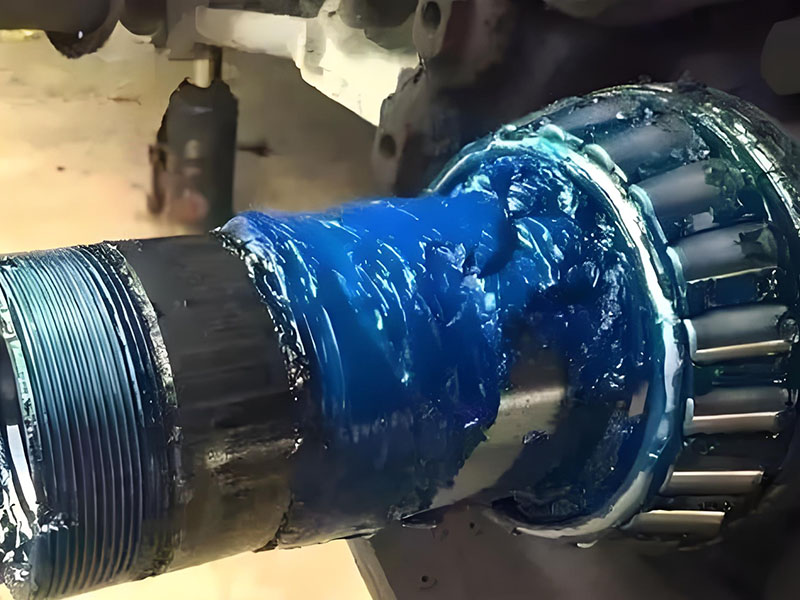
Motorcycle wheel bearings are precision mechanical components typically installed inside the wheel hub. They consist of an inner race, outer race, rolling elements (balls or rollers), and a cage to maintain spacing. Most modern motorcycles use sealed bearings pre-filled with grease, which protect against contamination and reduce maintenance requirements.
Why Are Wheel Bearings Critical for Motorcycle Safety?
Wheel bearings perform two primary functions: supporting the static and dynamic weight of the motorcycle, and enabling the wheels to rotate with minimal friction. Any degradation in bearing performance directly affects handling stability, braking efficiency, and overall rider safety. Worn bearings can cause wheel misalignment, uneven tire wear, and in extreme cases, wheel lock-up or detachment.
How Long Do Motorcycle Wheel Bearings Last?
Under normal riding conditions, motorcycle wheel bearings typically last between 20,000 and 31,000 miles (approximately 32,000 to 50,000 kilometers). However, actual lifespan varies significantly based on several factors:
- Road conditions: Frequent riding on rough, dusty, or wet roads accelerates wear.
- Riding style: Aggressive cornering and hard braking increase lateral loads.
- Climate and environment: Salt, humidity, and temperature extremes degrade seals and lubricant.
- Bearing quality: Bearings made from high-grade steel (e.g., GCr15) with proper heat treatment offer longer service life.
Symptoms of Bad Motorcycle Wheel Bearings
Early detection of bearing failure prevents costly damage and safety hazards. Common symptoms include:
- Abnormal noise – Grinding, rumbling, or clicking sounds coming from the wheel area, especially when spinning the wheel freely.
- Wheel wobble or lateral movement – Visible side-to-side play when the wheel is lifted off the ground.
- Rough rotation – The wheel does not spin smoothly; you feel uneven resistance or catching.
- Excessive play in the axle – The axle can be moved noticeably within the hub.
- Vibrations during riding – Particularly noticeable when cornering, as lateral forces exacerbate bearing looseness.
How to Check Motorcycle Wheel Bearings
A basic check can be performed with the motorcycle securely lifted so the wheel is off the ground:
- Grasp the top and bottom of the tire and try to rock the wheel side to side. Any detectable movement suggests bearing wear.
- Spin the wheel by hand and listen for grinding or roughness.
- For front wheels, turn the handlebars to different angles while spinning – this can reveal wear on one side of the bearing.
If any symptom is present, further inspection or replacement is recommended.
Can You Ride a Motorcycle with Bad Wheel Bearings?
No. Riding with failed or failing wheel bearings is unsafe for the following reasons:
- Serious safety risk – Bearing seizure can lock the wheel, causing sudden loss of control.
- Reduced handling performance – Wheel play compromises cornering stability and straight-line tracking.
- Damage to other components – Excessive wheel movement can damage the axle, spacers, brake calipers, and even the fork or swingarm.
How to Replace Motorcycle Wheel Bearings
Replacement requires removing the wheel, extracting old bearings with a proper puller or drift, cleaning the hub bore, and pressing new bearings evenly into place. This procedure demands mechanical skill and appropriate tools. Many riders opt for professional service. For workshops and distributors, bulk replacement kits are available.
What Types of Bearings Are Used in Motorcycle Wheels?
Three common bearing types are found in motorcycle wheels:
- Sealed ball bearings (e.g., 6202-2RS, 6303-2RS) – Most widely used due to low friction, good radial load capacity, and integrated sealing.
- Tapered roller bearings – Used in some cruiser and touring motorcycles; handle both radial and axial (thrust) loads better, but require precise preload adjustment.
- Needle roller bearings – Occasionally found in rear wheel hubs or as part of combined bearing assemblies; provide high load capacity in a compact radial space.
Cost Considerations for Bulk Purchasing of Motorcycle Wheel Bearings
For businesses purchasing wheel bearings in wholesale quantities, several factors determine final pricing:
- Steel grade – Higher-grade materials like GCr15 (equivalent to AISI 52100) offer better fatigue life and cost more.
- Seal type – Rubber seals (2RS) provide superior contamination protection compared to metal shields (ZZ).
- Branding and packaging customization – Custom boxes, laser etching, or color packaging add to unit cost.
- Delivery terms – FOB, CIF, or EXW terms affect the total landed cost.
Typical bulk prices for standard motorcycle wheel bearings (e.g., 6202-2RS) range from under $1.00 to above $2.00 per piece depending on order volume and specifications. Minimum order quantities for factory-direct supply usually start at 500–1,000 pieces.
Key Questions for B2B Buyers When Sourcing Wheel Bearings
If you are a distributor, workshop chain, or OEM buyer, consider these technical criteria:
- Does the supplier use high-grade steel like GCr15? – Confirm material certification.
- Are the bearings pre-lubricated and sealed? – Factory-filled grease with contact seals ensures ready-to-use installation.
- Are they produced in ISO-certified factories? – ISO 9001 or IATF 16949 certification indicates consistent quality management.
Conclusion
Motorcycle wheel bearings are fundamental to safe and predictable riding. Understanding their lifespan, failure symptoms, inspection methods, and replacement procedures helps riders avoid accidents and reduces downtime. For B2B buyers, selecting high-grade steel bearings from ISO-certified suppliers ensures reliable performance in bulk applications. Regular inspection and timely replacement of motorcycle wheel bearings remain the most effective practices for both safety and equipment longevity.