
What Are One Way Bearings?
In the intricate world of mechanical design, controlling the direction of motion is a fundamental challenge. How do you allow a shaft to spin freely in one direction but instantly...
Read More →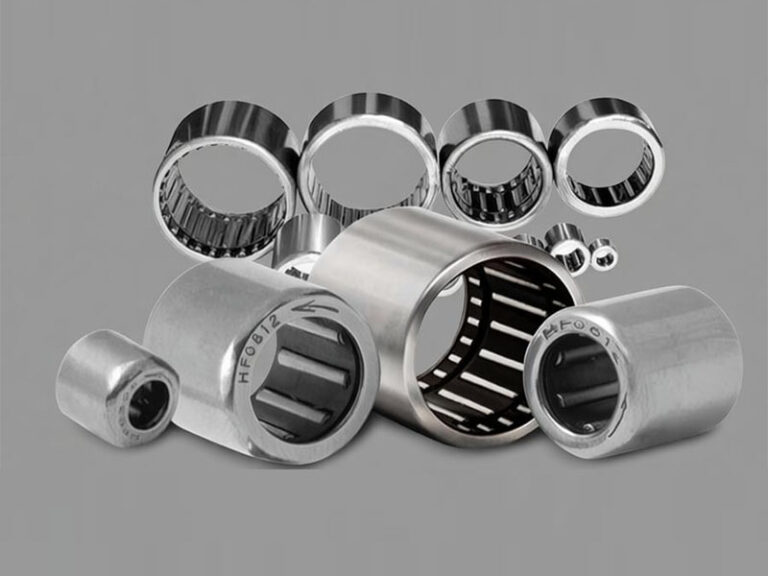
In the intricate world of mechanical design, controlling the direction of motion is a fundamental challenge. How do you allow a shaft to spin freely in one direction but instantly...
Read More →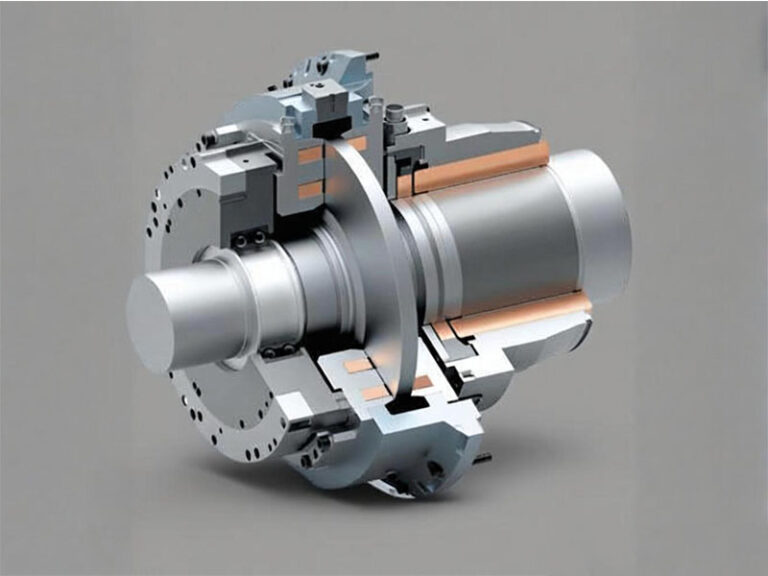
In the world of high-speed machinery and precision engineering, traditional bearings—while reliable and cost-effective—often face limitations. Friction, wear, and the need for lubrication can become significant hurdles in demanding applications....
Read More →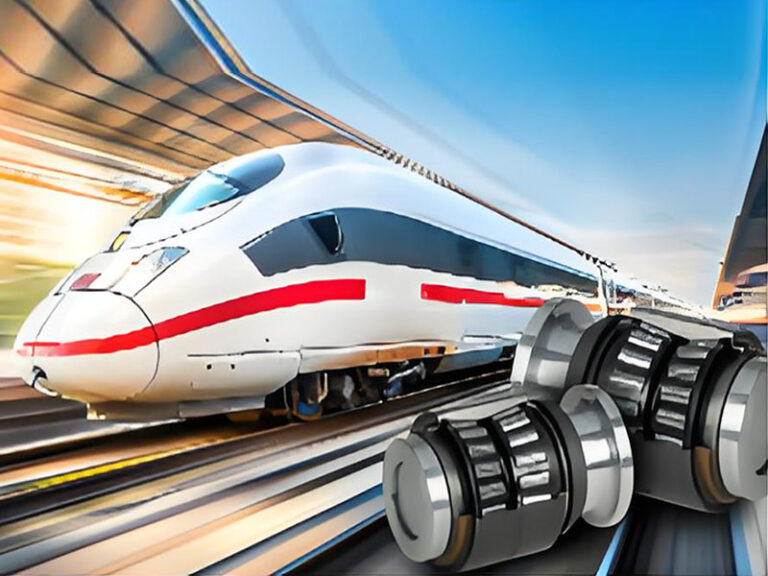
Railway bearings are critical components that support rotating wheelsets, transmit loads from the train to the rails, and enable smooth, low-friction motion at high speeds and heavy loads. Unlike general...
Read More →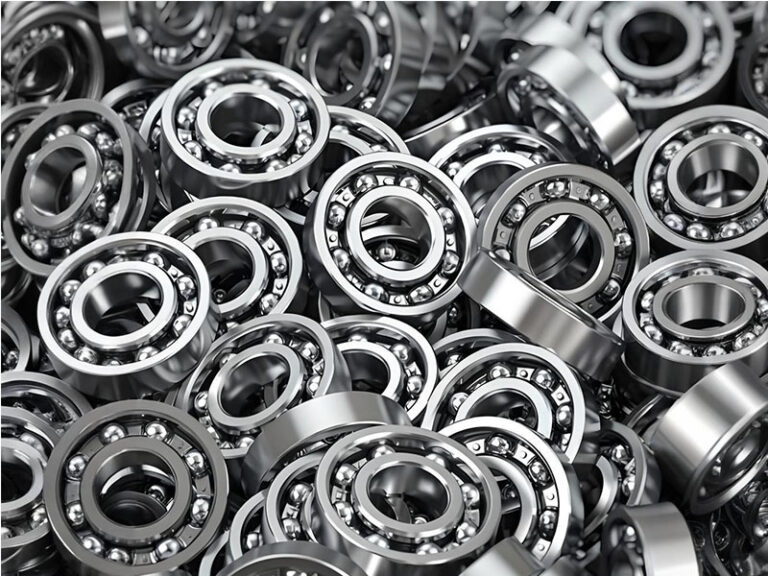
When a shaft rotates inside a machine, something must prevent metal‑to‑metal friction. Ball bearings provide the solution. But how do ball bearings work exactly? Inside every ball bearing, small hardened...
Read More →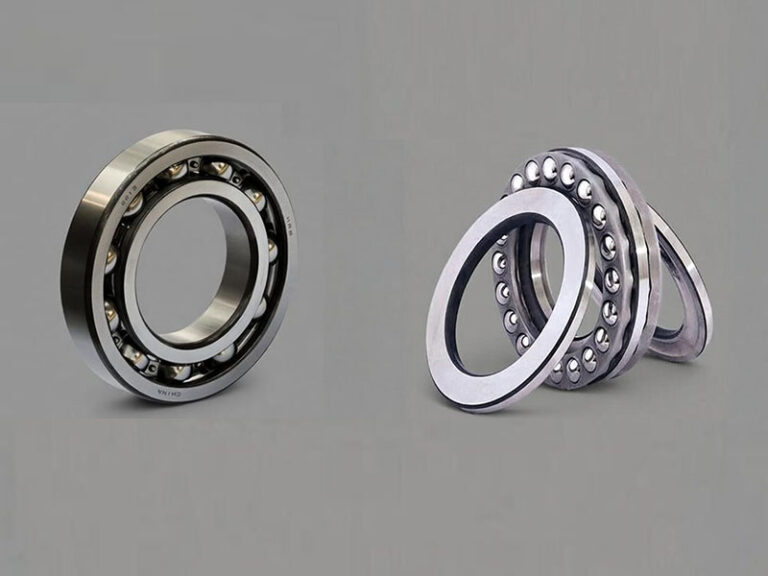
When selecting bearing types for mechanical systems, engineers often compare ball bearing vs thrust bearing to determine which component suits specific load and speed conditions. Ball bearings are designed primarily...
Read More →
Mining operations expose equipment to extreme dust, shock loads, vibration, and temperature fluctuations. Bearings in this environment must maintain reliability under continuous operation. How do mining bearings withstand such conditions?...
Read More →