Quick Answer
Oil seals are found wherever a car needs to retain oil or grease around a rotating shaft while blocking contamination. Common locations include the crankshaft, camshaft, transmission input and output shafts, differential, axle shafts, wheel hubs, power steering pump, and some engine accessories. The exact oil seal location depends on vehicle design and drivetrain layout.
Where is the oil seal in the car? There is not one single oil seal location. A vehicle uses many oil seals around shafts, housings, bearings, and rotating assemblies. Each seal protects a specific lubricated area.
For accurate repair, the location must be described by system and shaft position, not only by the word oil seal. A front crankshaft oil seal and an axle oil seal are different parts with different installation procedures.
Engine Oil Seal Locations
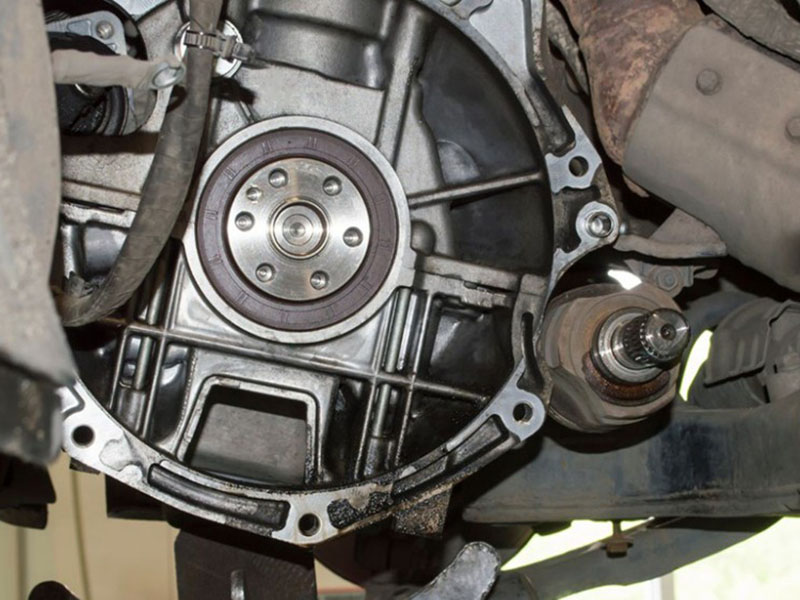
The engine contains several oil seals because the crankshaft and camshaft pass through engine covers while oil remains inside the engine.
- Front crankshaft oil seal: located near the crankshaft pulley or harmonic balancer area.
- Rear crankshaft oil seal: located at the back of the engine near the flywheel or flexplate.
- Camshaft oil seal: used where the camshaft passes through the cylinder head or timing cover in applicable engines.
- Timing-cover shaft seals: some layouts place crankshaft or camshaft radial seals in or beside the timing cover. The cover joint itself normally uses a gasket or formed sealant rather than a shaft oil seal.
Engine oil seal leaks may leave oil near pulleys, timing covers, bellhousing areas, or the bottom of the engine. A correct diagnosis should separate oil seal leakage from valve cover, oil pan, filter, or gasket leakage.
Transmission And Drivetrain Oil Seal Locations
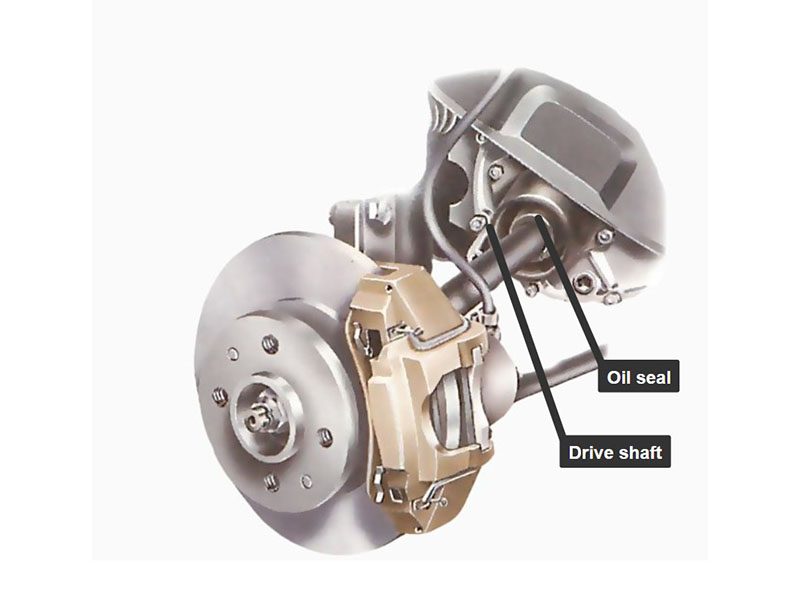
The transmission and drivetrain use oil seals to keep gear oil, automatic transmission fluid, or grease in place while shafts rotate.
- Transmission input shaft seal: seals the shaft entering the transmission in applicable designs.
- Transmission output shaft seal: seals the driveshaft or axle output area.
- Differential pinion seal: seals around the pinion flange or yoke.
- Axle shaft oil seal: seals where an axle shaft exits a transmission, transaxle, or differential.
- Transfer case seals: used on vehicles with four-wheel drive or all-wheel drive layouts.
Wheel Hub And Bearing Area Seals
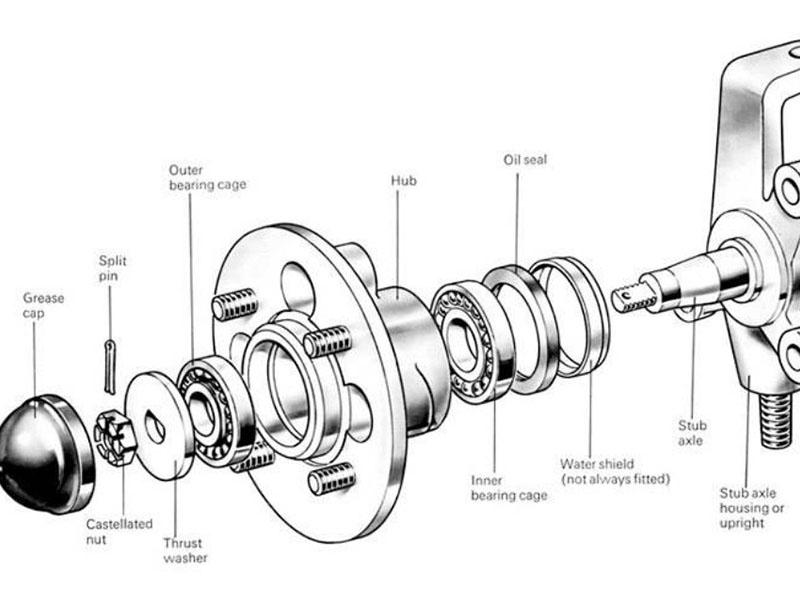
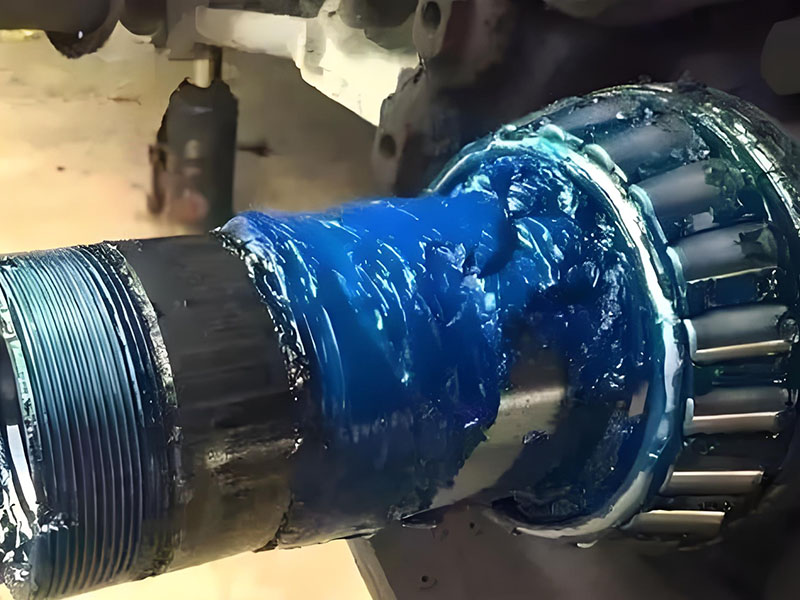
Some wheel hub and bearing assemblies use seals to protect grease and prevent contamination. Designs vary widely. A sealed hub unit may not be serviced the same way as a tapered roller bearing and separate hub seal design.
When selecting a wheel-end seal, confirm axle type, bearing type, hub design, and installation direction. A wrong seal can leak grease, allow water entry, or damage the bearing surface.
Steering, Pump, And Accessory Seals
Oil seals can also appear in steering and accessory components. Hydraulic power steering pumps where fitted, other hydraulic pumps, compressors, and some rotating accessories may use shaft seals to control fluid leakage.
Leak source confirmation is important because oil can travel along brackets, covers, and hoses. The wettest visible area is not always the original leak point.
Parts Often Mistaken For Oil Seals
Not every automotive seal that controls a liquid is an oil seal. The name should match the component design and catalog description.
- A cylinder head normally uses a head gasket between the head and engine block.
- Brake calipers and wheel cylinders use brake-compatible hydraulic seals, not general-purpose oil seals.
- Water pumps commonly use purpose-designed pump sealing systems, which may include a mechanical seal rather than a radial oil seal.
- Shock absorbers use rod sealing and guiding elements designed for reciprocating motion.
Signs Of A Possible Oil Seal Leak
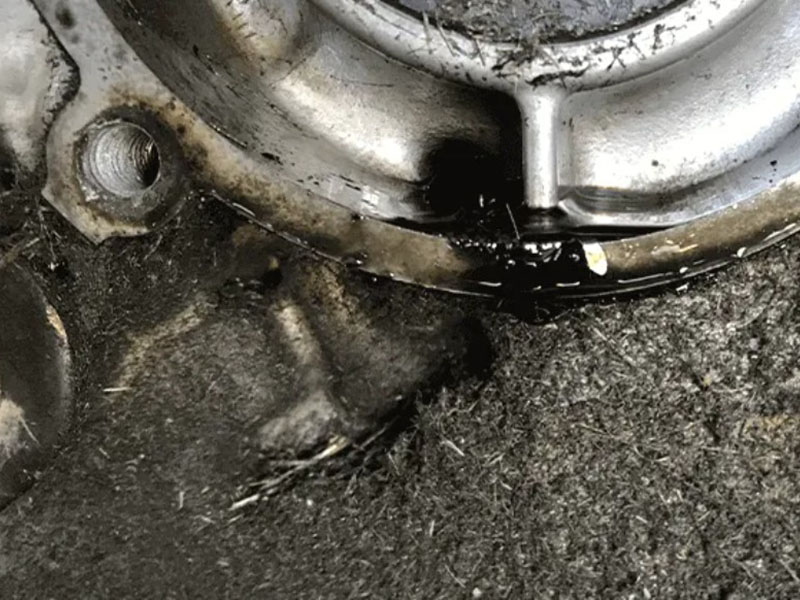
- Oil or fluid around a rotating shaft or pulley
- Drips under the engine, transmission, axle, or differential
- Oil contamination on a timing belt or nearby rubber parts
- Gear oil smell near the axle or differential
- Grease leakage near a wheel hub or bearing area
- Low fluid level after repeated operation
How To Identify The Correct Oil Seal
Use the vehicle model, engine code, drivetrain layout, shaft position, and original part information. Many oil seals look similar, but small differences in lip design, material, depth, and outside diameter can matter.
Before installation, inspect the shaft surface and housing bore. A new seal may still leak if the shaft is grooved, the bore is damaged, the seal is installed crooked, or internal pressure is not controlled.
Conclusion
Oil seals are located throughout the car wherever lubricant must be retained around a rotating shaft. Common areas include the engine, transmission, differential, axle, wheel hub, and steering or pump systems. Correct identification requires the exact system, shaft location, vehicle information, and service procedure.
FAQs
Q1: Is there only one oil seal in a car?
A: No. A car uses multiple oil seals in the engine, transmission, drivetrain, wheel-end, and accessory systems.
Q2: Where is the crankshaft oil seal?
A: The front crankshaft seal is near the crankshaft pulley area, and the rear crankshaft seal is near the flywheel or flexplate area. Access depends on engine layout.
Q3: Can I drive with an oil seal leak?
A: It depends on leak severity and fluid level. A serious leak can reduce lubrication and damage components, so the vehicle should be inspected promptly.
Q4: Why does a new oil seal still leak?
A: Possible causes include shaft wear, incorrect size, wrong installation depth, damaged housing, wrong orientation, contamination, or excessive internal pressure.
Q5: Where are transmission oil seals located?
A: Depending on transmission design, oil seals may be fitted around the input shaft, output shaft, selector shaft, axle outputs, or other rotating interfaces. The exact location and fluid type vary between manual transmissions, automatic transmissions, transaxles, and transfer cases.
Q6: Is a rear main seal leak the same as a transmission input seal leak?
A: No. The rear crankshaft seal retains engine oil, while the transmission input seal retains transmission lubricant in applicable designs. Both leaks may appear near the bellhousing, so fluid identification and inspection are needed before deciding which component requires repair.
Q7: Can a wheel bearing oil seal be replaced separately?
A: It depends on the wheel-end design. A serviceable hub may use a separate replaceable seal, while a sealed hub unit may integrate its seals and bearings into a non-serviceable assembly. Identify the hub and bearing design before ordering parts or planning disassembly.
Q8: How can I find the true source of an automotive oil leak?
A: Clean the affected area, verify the fluid type, and trace the leak from its highest fresh point instead of following old residue downward. Covers, airflow, and rotating parts can spread fluid. Inspection dye or professional diagnosis may help when several possible sources are close together.