Quick Answer
A timing belt and a timing chain both synchronize crankshaft and camshaft movement so engine valves open and close at the correct time. A timing belt is usually quieter and lighter, while a timing chain uses metal links and normally runs in engine oil. The right replacement decision depends on engine design, service history, wear symptoms, and the vehicle manufacturer’s service information.
The difference between timing belt and timing chain matters because both parts control valve timing. If the timing system slips, stretches, breaks, or loses tension, the engine may run poorly or suffer serious internal damage depending on design.
For parts buyers, repair shops, and automotive distributors, the main question is not which design is better in every engine. The practical question is which timing system the engine uses, what parts belong in the kit, and what symptoms mean the system needs inspection.
What A Timing Belt And Timing Chain Do
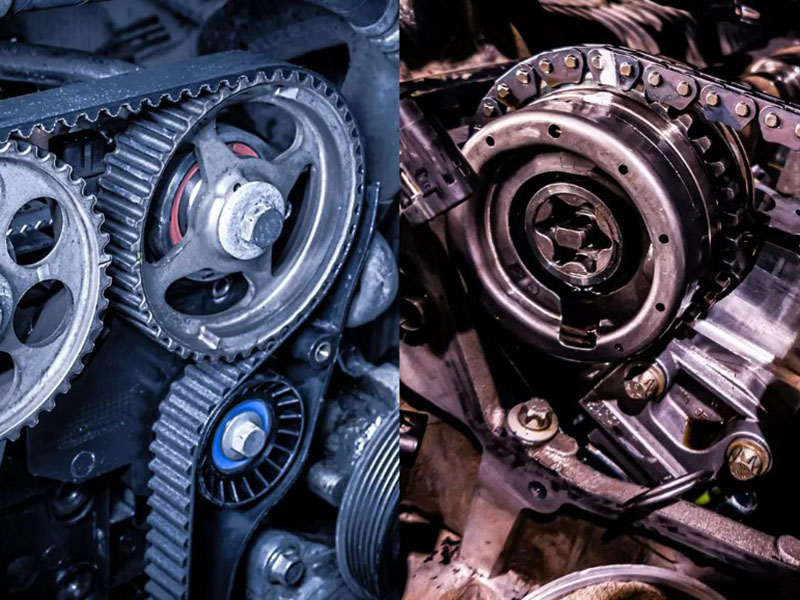
The timing system connects the crankshaft with one or more camshafts. The crankshaft follows piston movement, while the camshaft controls valve opening and closing. Correct synchronization allows air, fuel, compression, combustion, and exhaust flow to happen in the correct order.
Both timing belts and timing chains serve this same basic purpose. They do not create engine power directly, but they make correct combustion timing possible. A worn or misaligned timing system can cause rough running, poor starting, abnormal noise, misfire, or engine warning lights.
Main Differences Between Timing Belt And Timing Chain
| Item | Timing Belt | Timing Chain |
|---|---|---|
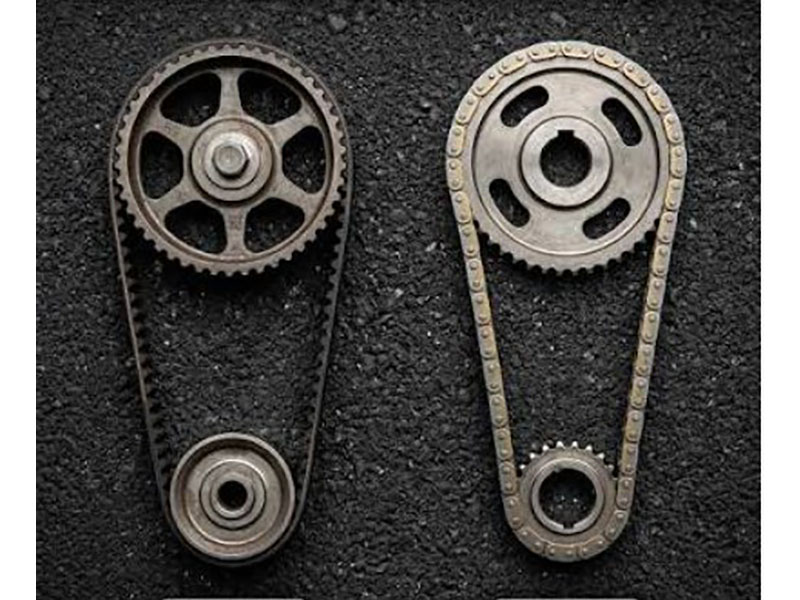
| Material | Reinforced rubber or polymer construction | Metal chain links |
| Lubrication | Normally runs dry behind covers | Normally runs inside the engine with oil lubrication |
| Noise | Usually quieter | Can be noisier when worn or poorly tensioned |
| Service approach | Often replaced by scheduled interval | Follow manufacturer guidance and inspect for noise, wear-related elongation, guide wear, or tensioner problems |
| Related parts | Tensioner, idler, water pump in some engines, seals, covers | Guides, tensioner, sprockets, oil-fed components, cover seals |
Timing Belt: Advantages And Limitations
A timing belt is light, quiet, and efficient. It is commonly used in engines where low noise and compact design are important. Because it is made from reinforced rubber or polymer material, it can age from heat, time, oil contamination, and repeated bending.
The limitation is that a belt often has a defined replacement interval. That interval is not universal. It depends on the engine, climate, driving conditions, and vehicle manufacturer’s service schedule. When replacing a timing belt, technicians often inspect the tensioner, idlers, water pump where applicable, front seals, and covers because old supporting parts can shorten the life of the new belt.
Timing Chain: Advantages And Limitations
A timing chain is metal and usually operates inside the engine with oil lubrication. It is often chosen for durability and high load capability. Many timing chains are designed for long service, but they are not immune to wear.
Wear-related chain elongation, worn guides, weak tensioners, poor oil condition, low oil pressure, or damaged sprockets can affect timing accuracy. A worn chain system may make rattling noise during startup or idle, and some engines may show camshaft correlation fault codes when timing movement exceeds the control range.
How To Tell Which Timing System A Car Uses
The most reliable method is to check the vehicle identification information and service documentation. Engine family, model year, displacement, and production variation can change the timing system.
- Service manual: the safest source for belt or chain identification and replacement procedure.
- Parts catalog: useful when filtered by engine code, model year, and chassis details.
- Engine cover location: belt systems often use external covers, while chain systems are commonly behind metal timing covers, but this is not enough for fitment confirmation.
- Professional inspection: needed when the engine has been swapped, modified, or repaired before.
Failure Symptoms To Watch For
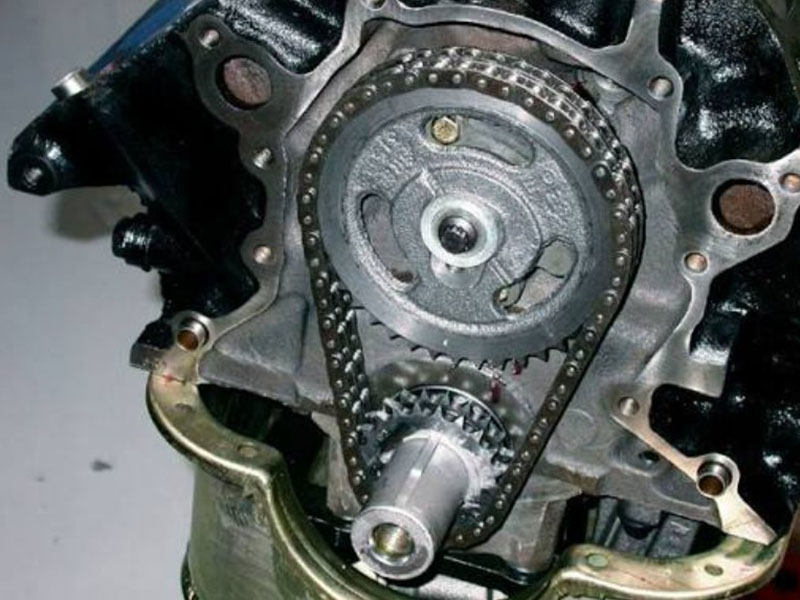
Timing belt and timing chain problems can share similar symptoms because both affect valve timing. Symptoms suggest inspection; they do not prove one exact failed part without diagnosis.
- Rattling, ticking, slapping, or scraping noise near the timing cover
- Hard starting, rough idle, misfire, or reduced power
- Oil leak near timing cover or front crankshaft seal
- Visible belt cracking, glazing, missing teeth, or contamination where inspection is possible
- Engine warning light with timing or camshaft correlation codes
- No-start condition after a belt or chain jump, break, or severe tensioner failure
Replacement And Kit Selection
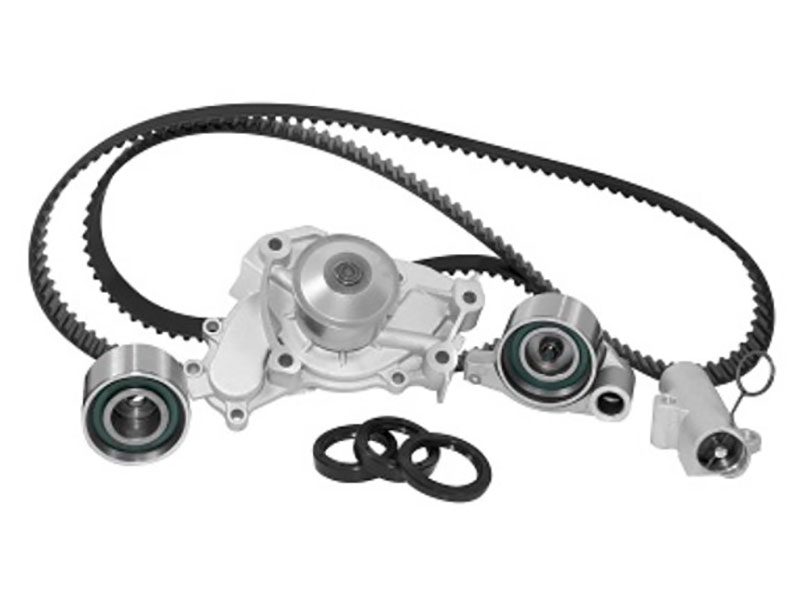
A timing system should be replaced according to the vehicle manufacturer’s procedure. Belt kits commonly include the belt, tensioner, idlers, and sometimes water pump or seals. Chain kits may include the chain, guides, tensioner, sprockets, and gaskets depending on engine design.
Fitment should not be guessed from belt length, chain appearance, or a similar engine. Confirm engine code, production year, cover style, sprocket count, tensioner design, and related sealing parts before ordering.
Conclusion
Timing belt vs timing chain selection is determined by engine design, not personal preference. A belt is usually quiet and may have a scheduled replacement interval, while a chain uses metal links and normally relies on engine lubrication. For reliable service, identify the exact engine, inspect related components, and follow the vehicle manufacturer’s timing procedure.
FAQs
Q1: Is a timing chain better than a timing belt?
A: Not in every case. A timing chain may provide long service, but its links, guides, tensioners, and sprockets can still wear, especially when lubrication is poor. A timing belt can work reliably when replaced according to the applicable schedule with correct supporting parts.
Q2: Can I replace only the timing belt?
A: It depends on the engine and kit requirement. Many repairs replace the belt together with tensioners, idlers, and sometimes the water pump or seals to avoid premature failure from old related parts.
Q3: What happens if the timing system fails?
A: The engine can stall, fail to start, run poorly, or suffer internal damage depending on whether the engine design allows valve and piston contact. Stop operation and inspect the system when serious timing symptoms appear.
Q4: How do I know the replacement interval?
A: Use the vehicle manufacturer’s service schedule for the exact engine. Do not use a universal mileage value because intervals vary by engine design and operating condition.
Q5: Can an oil or coolant leak damage a timing belt?
A: Yes. Fluid contamination can damage belt material and interfere with reliable contact between the belt and sprockets. Identify and repair the leak before installing a new belt, and inspect contaminated tensioners, idlers, covers, and related components.
Q6: Does a timing chain need routine maintenance?
A: A timing chain normally depends on the engine’s lubrication system and the condition of its tensioner, guides, and sprockets. Use the specified engine oil and maintenance schedule, and investigate startup rattle, timing faults, or oil-pressure problems. There is no universal chain replacement interval.
Q7: Can timing belt or timing chain symptoms come from another problem?
A: Yes. Hard starting, misfire, low power, noise, and warning lights can also result from ignition, fuel, sensor, lubrication, or accessory-drive faults. Symptoms should lead to inspection and fault-code diagnosis rather than immediate replacement of the timing system.