Quick Answer
Technically yes—you can still drive with a failing clutch release bearing. But it’s unsafe and we strongly advise against it. A bad release bearing will progressively worsen, and continuing to drive risks damaging the pressure plate, flywheel, and clutch disc. What starts as a $30–$150 bearing replacement can quickly escalate into a $900–$2,500 clutch overhaul. If the bearing seizes completely, the clutch will fail to disengage, leaving you stranded. The moment you hear squealing or grinding when pressing the clutch pedal, schedule a repair immediately.
If you drive a manual transmission vehicle, you’ve probably experienced that unsettling squeal or grinding noise when pressing the clutch pedal. It’s a sound that makes any driver pause—and immediately raises the question: Can I still drive this car, or am I about to be stranded?
This is one of the most common clutch-related concerns among manual transmission drivers. The clutch release bearing (also called the throw-out bearing) is a small but vital component, and when it starts to fail, the symptoms are hard to ignore. In this article, we’ll walk you through what this bearing does, how to recognize the warning signs, whether it’s safe to keep driving, and what you can expect in terms of repair costs—so you can make an informed decision before a minor problem turns into a major expense.
What Is a Clutch Release Bearing?
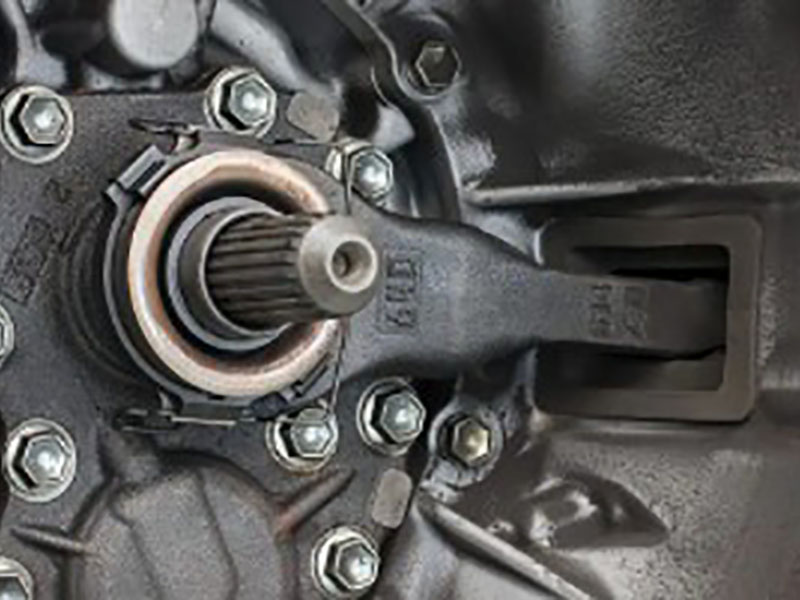
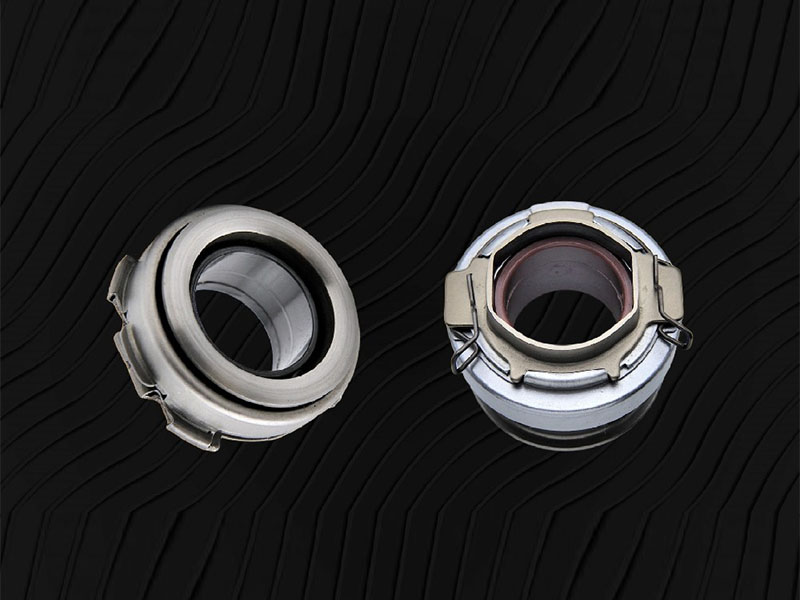
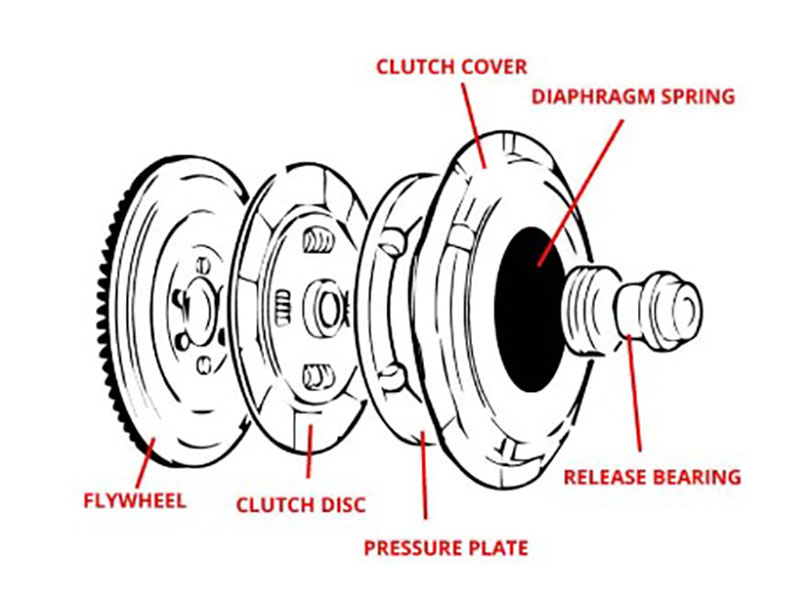
The clutch release bearing—also called the throw-out bearing—is a small but critical component in a manual transmission vehicle. It sits inside the transmission bell housing, positioned between the clutch fork (or hydraulic slave cylinder) and the pressure plate. In newer vehicles with a hydraulic system, the bearing is often integrated with the slave cylinder.
How it works: When you press the clutch pedal, the clutch fork pushes the release bearing forward against the pressure plate’s release fingers (diaphragm spring). This action disengages the clutch disc from the flywheel, interrupting power flow from the engine to the transmission and allowing you to shift gears smoothly. When you release the pedal, the bearing pulls back and the pressure plate re-engages the clutch.
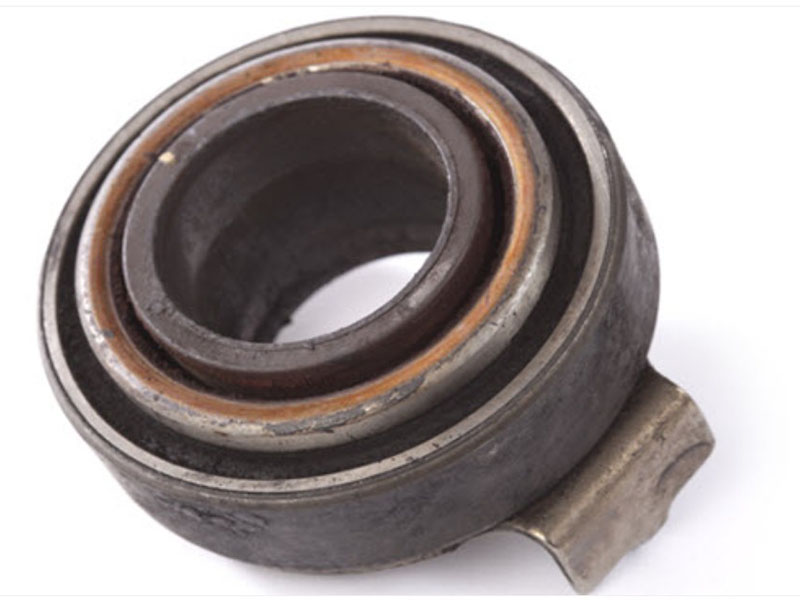
Why it wears out: The bearing experiences constant pressure, friction, and movement every time the clutch is operated. The bearing only spins when the clutch pedal is pressed, but each engagement creates friction and heat. Over time, lubrication breaks down, bearings become pitted, and metal begins to grind against metal. Automatic transmissions use a torque converter and do not have a release bearing.
Symptoms of a Bad Clutch Release Bearing
Recognizing the early warning signs is essential to prevent major repairs. The most common symptoms include:
- Squealing or Whining Noise
A loud squeal or whine when pressing the clutch pedal is one of the first signs of trouble. The noise typically disappears when the pedal is released. This sound occurs because the bearing’s internal components have worn down. - Grinding Sound
If the bearing is severely worn, you may hear grinding noises. This indicates metal-on-metal contact—a serious issue. A severely damaged release bearing often produces loud, grinding noises when placed under pressure. - Chirping or Rattling
As the bearing begins to fail, you might hear chirping or rattling sounds when the clutch pedal is pressed. - Clutch Pedal Vibration
A failing bearing may cause the pedal to vibrate or feel rough when pressed. This occurs when the bearing surface develops uneven wear or internal damage, causing it to wobble or chatter against the pressure plate fingers. - Difficulty Shifting Gears
Hard shifting, gear resistance, or grinding gears can result from a bearing that is not allowing full disengagement of the clutch. If the bearing can’t press evenly or far enough against the pressure plate’s release fingers, the clutch may not fully disengage. This is especially noticeable when trying to engage first gear or reverse. - Stiff Clutch Pedal
The clutch pedal may feel harder to press due to a dry or seized bearing. This issue can worsen to the point where the clutch pedal can’t be pressed in completely, rendering the car inoperable. - Clutch Slippage
In advanced cases, the clutch may slip even when fully engaged. A failing release bearing can contribute to clutch slippage, where the clutch does not fully engage, causing a loss of power transmission and difficulty accelerating. - Burning Smell
A burning odor could come from friction between the bearing and the clutch system due to insufficient lubrication.
Key diagnostic clue: If the noise occurs only when the clutch pedal is pressed and stops when released, the release bearing is likely the problem. If the noise happens when the pedal is released and goes away when pressed, the issue may be a bad transmission input shaft bearing.
Can You Still Drive With a Bad Clutch Release Bearing?
We’ve already given you the short answer—now let’s look at why driving with a bad bearing is so risky, and what actually happens inside your transmission when you keep going.
If the bearing is only starting to fail, the vehicle will usually still drive. However, the longer you continue, the worse the symptoms become. You may eventually experience severe noise during driving, loss of smooth gear shifting, and risk of the clutch failing completely.
Driving with a bad clutch release bearing is a gamble that rarely pays off—each time you press that pedal, you’re accelerating the bearing’s deterioration. The bearing can seize, overheat, and damage the pressure plate fingers, leading to hard shifting, clutch drag, and—in worst cases—a vehicle that won’t disengage the clutch at all.
Our recommendation: Do not continue driving beyond what is necessary to get to a repair shop. Schedule an inspection immediately upon noticing symptoms.
Risks of Driving With a Bad Clutch Release Bearing
- Damage to Other Clutch Components
A failing release bearing puts extra stress on the pressure plate, flywheel, and clutch disc. If the bearing seizes or breaks apart, it can shear off the pressure plate fingers, causing catastrophic damage. Repairing all these parts together is far more expensive than just replacing the bearing early. - Transmission Problems
Hard shifting or incomplete disengagement can wear down transmission gears and synchronizers. If the release bearing breaks completely, it can lead to catastrophic transmission failure, requiring expensive repairs. - Breakdown on the Road
If the bearing seizes completely, you may lose the ability to disengage the clutch, making the car undriveable. You could be stranded on the road. - Increased Repair Costs
Replacing a single bearing is cheaper, but ignoring it may force you to replace the entire clutch assembly. A bearing that fails completely can damage the clutch fork, pressure plate, or even the transmission input shaft. Repair costs jump from a few hundred dollars to over a thousand if you delay.
How Long Can You Drive With a Bad Clutch Release Bearing?
There is no fixed answer—it depends on the bearing’s wear level and your driving habits.
The reason for this wide variation is simple: a bearing that has just begun to wear may produce only minor noise for quite some time, while a bearing that has already lost its internal lubrication or developed significant pitting can fail within a matter of days. Driving style also plays a major role—frequent stop-and-go traffic and aggressive shifting will accelerate failure much faster than highway cruising.
A release bearing can go bad before 80,000 miles, especially if you ride the clutch or shift roughly. Some drivers report continuing for hundreds or even thousands of miles with a noisy bearing before complete failure. However, in other cases, failure can occur within days.
The final outcome is certain: The bearing will eventually overheat, seize, and cause the clutch to stop disengaging. At that point, the vehicle cannot be driven at all.
Bottom line: You might get lucky and drive for a while, but you are gambling with your safety and your wallet. Don’t wait—schedule the repair as soon as possible.
Replacement Cost
Data based on 2025 U.S. automotive repair industry averages.
Bearing Cost Only: A quality clutch release bearing itself typically costs $30 to $150 depending on brand and type. In the UK market, expect £20–£100 for the part alone.
Labor Cost: Since replacing the bearing requires removing the transmission, labor costs are substantial. Independent shops typically charge $300 to $800 for labor, with most shops billing $80–$180 per hour and the job taking 3–10 hours depending on the vehicle. In the UK, labor adds £150–£300.
Full Clutch Kit Replacement (2025 Prices):
- Clutch kit (pressure plate, friction disc, release bearing): $150–$800+ for parts
- Typical clutch replacement for a mainstream car: $900–$2,500 installed
- Compact models: $700–$1,200
- AWD, performance, or luxury vehicles: $1,400–$3,000+
- If the flywheel also needs replacement: $1,400–$3,500
What most mechanics recommend: Because removing the transmission is the major expense, most mechanics suggest replacing the entire clutch kit (pressure plate, clutch disc, release bearing, and pilot bearing) at the same time. Doing it all at once saves you from paying for a second labor bill later.
How to Prevent Premature Release Bearing Failure
Prevention is always cheaper than repair. Here are eight practical measures to extend the life of your release bearing:
- Avoid “riding” the clutch. Don’t rest your foot on the clutch pedal while driving. This keeps the bearing in partial contact with the pressure plate, causing it to spin continuously and wear out much faster.
- Shift to neutral at stops. When waiting at traffic lights, shift into neutral and release the clutch pedal rather than holding the pedal down. This reduces unnecessary bearing engagement.
- Use the clutch properly. Press the pedal all the way to the floor when shifting, and release it smoothly. Avoid aggressive launches and rough shifts.
- Maintain proper clutch free play. Ensure the clutch has the correct free travel adjustment. If free play is too small, the bearing stays in constant contact with the pressure plate and spins continuously, drastically reducing its life. If free play is too large, the clutch may not fully release.
- Keep transmission fluid at the proper level. The release bearing needs lubrication. Low transmission fluid levels can accelerate bearing wear.
- Avoid harsh driving conditions. Frequent stop-and-go city driving, towing, and heavy loads all shorten bearing life.
- Schedule regular inspections. Have a technician check the clutch system during routine maintenance.
- Replace the bearing with every clutch job. The release bearing should always be replaced whenever the clutch is replaced—it’s cheaper to do both at once than to pay for a second labor bill later.
When to Replace the Bearing
- Immediately when symptoms appear. If you hear persistent squealing, grinding, or chirping when pressing the clutch pedal, or if you feel vibration, stiffness, or difficulty shifting, schedule a repair immediately.
- During every clutch replacement. The release bearing should be replaced whenever the clutch is replaced, regardless of its condition. Since the transmission must be removed to access either component, it makes no sense to leave an old bearing in place.
- At high mileage. If your vehicle has high mileage (generally over 80,000–100,000 miles), consider replacing the entire clutch kit, as all components experience similar wear.
Conclusion
Can you drive with a bad clutch release bearing? Technically, you can. But it is not safe, not cost-effective, and not recommended.
The bearing itself is relatively inexpensive ($30–$150), but the labor to replace it is substantial because the transmission must be removed. If you ignore the problem, you risk damaging the pressure plate, flywheel, clutch disc, and even the transmission itself—turning a few hundred dollars into a repair bill of $1,000 or more.
Our advice: The moment you hear squealing or grinding when pressing the clutch pedal, get your vehicle to a repair shop. Have the bearing inspected, and if replacement is needed, strongly consider replacing the entire clutch kit at the same time. This approach saves you from paying twice for the same labor and ensures your clutch system is reliable for years to come.
Brought to you by DUHUI Bearing—an IATF 16949 certified manufacturer with over 20 years of experience in automotive bearing production. For more technical resources, visit our Knowledge Center or explore our bearing product range.
FAQs
Q1: Is a clutch release bearing the same as a throw-out bearing?
A: Yes—they are two names for the exact same component. “Throw-out bearing” is the common term in North America, while “clutch release bearing” is the more formal technical name.
Q2: Can I replace just the release bearing without replacing the clutch?
A: Technically, yes—the bearing can be replaced on its own. However, most mechanics do not recommend it. Because removing the transmission is the major expense, it makes financial sense to replace the entire clutch kit (pressure plate, clutch disc, release bearing, and pilot bearing) at the same time. If you replace only the bearing and the clutch fails soon after, you’ll pay for transmission removal all over again.
Q3: What is the normal lifespan of a clutch release bearing?
A: Under normal use, a release bearing typically lasts 50,000 to 100,000 miles, and in some cases up to 120,000 miles or more. However, in stop-and-go city traffic or with aggressive driving habits, failure can occur at 60,000 miles or less. Riding the clutch or rough shifting can cause failure before 80,000 miles.
Q4: How can I tell if it’s the release bearing or a transmission input shaft bearing?
A: The key difference is when the noise occurs. If you hear squealing, chirping, or grinding only when the clutch pedal is pressed, and the noise disappears when released, the release bearing is likely the culprit. If the noise occurs when the pedal is released and goes away when pressed, it’s more likely a transmission input shaft bearing issue. Definitive diagnosis often requires removing the transmission for visual inspection.
Q5: Is there any temporary fix if I must drive with a bad release bearing?
A: There is no reliable temporary fix for a failing release bearing. The only safe course is to minimize clutch usage—shift into neutral at stops, avoid holding the clutch pedal down, and drive only as far as necessary to reach a repair shop. Do not use the vehicle for daily commuting or long trips.
Q6: What causes a release bearing to fail prematurely?
A: Common causes include:
- Riding the clutch—resting your foot on the pedal while driving
- Holding the clutch down at traffic lights instead of shifting to neutral
- Improper clutch free play adjustment—too little play keeps the bearing constantly spinning
- Low transmission fluid—inadequate lubrication
- Aggressive driving—rough shifts and hard launches
- Incorrect installation—bearing fitted 180 degrees out or improperly seated
Q7: Will a bad release bearing trigger a check engine light?
A: No. The release bearing is a purely mechanical component with no electronic sensors or connection to the vehicle’s ECU. You will not see a check engine light. Diagnosis relies entirely on auditory clues (noise), tactile feedback (pedal vibration or stiffness), and driving feel (shifting difficulty).
Q8: Is replacing a release bearing considered a major repair?
A: It’s not a major overhaul, but it is a moderate to significant repair because the transmission must be removed to access the bearing. The job typically takes 3 to 10 hours depending on the vehicle. Some vehicles require removing the subframe, driveshaft, and exhaust components, which increases both time and cost.