Quick Answer: You should not continue driving with a bad idler pulley. While some vehicles may last a few days or even months before the pulley completely fails, the actual window is unpredictable. A seized pulley can snap the serpentine belt within minutes, causing immediate loss of power steering, alternator charging, and water pump circulation. The safest action is to replace the pulley as soon as abnormal noise appears.
A squealing, chirping, or grinding noise from under the hood often points to a problem in the engine’s accessory drive system. One of the most common causes is a failing idler pulley. This article explains what an idler pulley does, how to recognize failure symptoms, and most importantly—how long you can safely drive with a bad idler pulley before risking serious damage.
What an Idler Pulley Does and Why It Matters
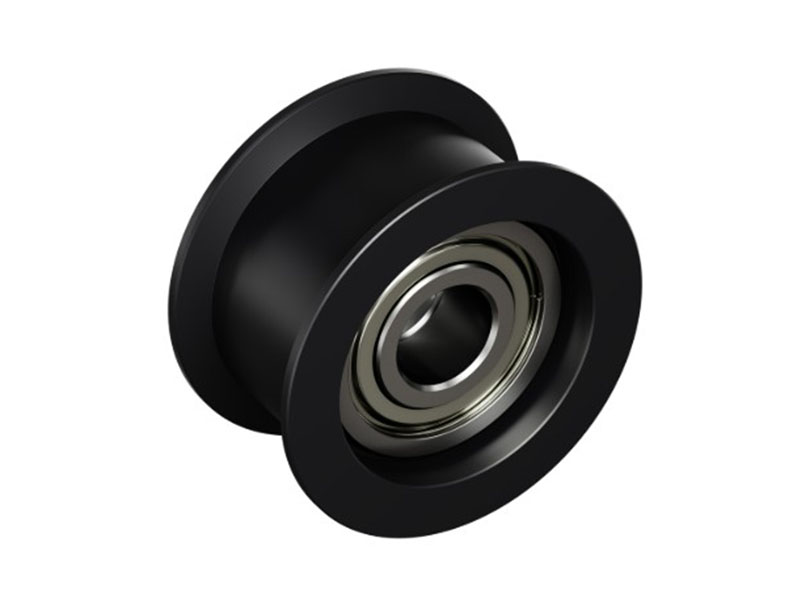
The idler pulley is a non‑driven wheel in the engine’s accessory drive system. Unlike pulleys attached to components such as the alternator, water pump, or power steering pump, the idler pulley does not power any accessory. Its sole function is to guide the serpentine belt along the correct path, maintaining proper alignment as the belt loops around the engine’s accessories.
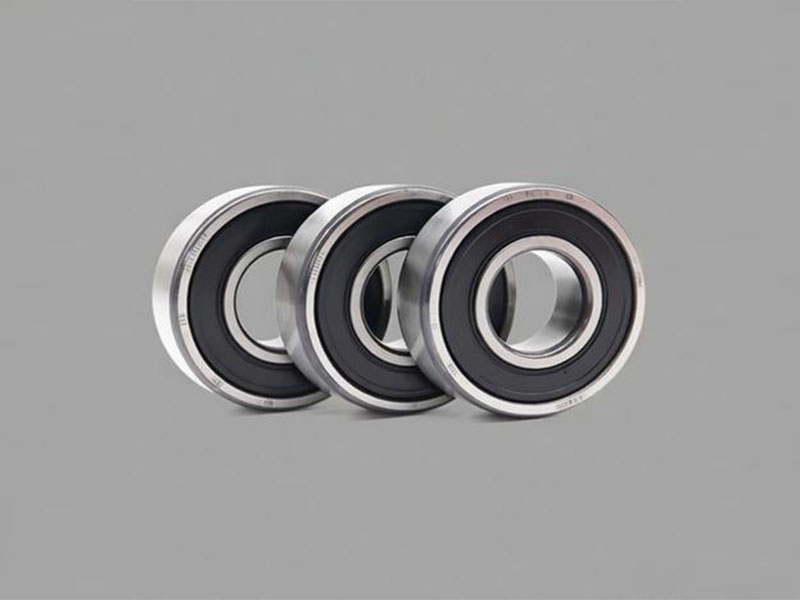
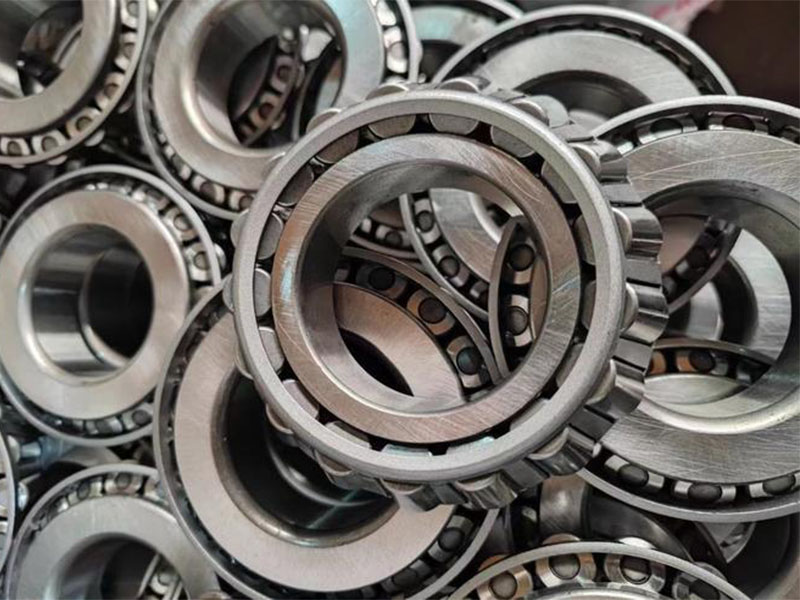
Inside the idler pulley is a sealed ball bearing that allows the pulley to rotate freely with minimal friction. This bearing is the most critical component for service life. Over time, the bearing loses its internal grease, wears down, or becomes contaminated. When this happens, the pulley no longer spins smoothly, resulting in increased friction, abnormal noise, and eventually belt misalignment or failure.
If left unaddressed, a failing idler pulley can lead to simultaneous failure of multiple systems—loss of power steering, engine overheating, and electrical system shutdown—potentially causing costly engine damage or creating a safety hazard.
Bad Idler Pulley Symptoms
Recognizing early warning signs allows you to address the problem before it causes broader damage. Below are the most common symptoms of a bad idler pulley.
- Abnormal Noise
Noise from the front of the engine is the most frequent early indicator. When the idler pulley bearing begins to fail, it often produces a high‑pitched squealing or chirping sound, typically more noticeable at idle or during acceleration. As the bearing deteriorates further, the noise may change to a grinding or whining sound that varies with engine RPM. Some drivers also report a rattling or roaring noise from the pulley area. - Visible Wear or Damage
A visual inspection can reveal many issues. With the engine off, examine the idler pulley for cracks, chips, or excessive surface wear. Also inspect the serpentine belt—if the idler pulley is misaligned, the belt may show frayed edges, glazed (shiny) areas, or rubber powder accumulation nearby. When the engine is running, a faulty pulley may visibly wobble instead of spinning in a true plane. - The Hand‑Spin Test
Remove the serpentine belt and spin the idler pulley by hand. A healthy pulley should rotate smoothly for about one to two revolutions and then stop. If the pulley spins too freely—continuing to rotate for a long time like a “fidget spinner”—the internal grease has likely dried up, and failure is imminent. Conversely, if the pulley feels rough, gritty, or difficult to turn, the bearing is already damaged. - Accessory Malfunctions
When the idler pulley causes the serpentine belt to slip or break, engine‑driven accessories begin to fail. You may notice heavy steering (loss of power steering assist), dimming lights or a battery warning light on the dashboard (alternator failure), or warm air from the vents when the air conditioning is on. - Warning Lights
The idler pulley itself does not send signals to the engine control unit (ECU). However, belt slippage or failure can trigger secondary warning lights. Loss of alternator output illuminates the battery/charging warning light. Water pump stoppage may cause the engine temperature gauge to rise, triggering an overheat warning. In some vehicles, the Check Engine light may appear with fault codes related to charging or cooling system performance.
How Long Can You Drive With a Bad Idler Pulley?
Core Recommendation
The safest advice is not to continue driving. A bad idler pulley should be inspected and replaced as soon as possible. While some vehicles may operate for months with a mildly noisy pulley, others fail completely within a matter of days. There is no reliable way to predict exactly when a failing pulley will cause belt failure.
Potential Consequences of Continued Driving
Driving with a bad idler pulley carries substantial risks:
- Serpentine Belt Dislodgement or Breakage. A seized or misaligned idler pulley can cause the serpentine belt to slip off its track or snap entirely. Once the belt fails, every accessory it drives stops functioning simultaneously—alternator, water pump, power steering pump, and air conditioning compressor.
- Loss of Power Steering. If the belt dislodges while driving, power steering assist is lost immediately. The steering wheel becomes significantly heavier, requiring much greater effort to turn. On highways or when navigating curves, sudden loss of power steering can contribute to loss of vehicle control.
- Engine Overheating and Serious Damage. The water pump is typically driven by the serpentine belt. When the belt stops turning the water pump, coolant no longer circulates. Engine temperatures can rise rapidly—in some cases within minutes—potentially leading to blown head gaskets, warped cylinder heads, or complete engine failure.
- Battery Drain and Stalling. With the alternator no longer generating power, the vehicle runs entirely on battery reserves. Depending on battery age and electrical load, this may last anywhere from 20 to 90 minutes before the battery is depleted and the engine stalls, leaving you stranded.
- Safety Hazard. The simultaneous loss of power steering, electrical power, and engine cooling while driving—especially at night or in remote areas—creates a serious safety risk. The responsible action is to pull over safely as soon as unusual noises are heard and arrange for a tow or mobile repair service.
How to Prevent Premature Idler Pulley Failure
Proper maintenance of the entire accessory drive system significantly extends idler pulley service life and prevents unexpected breakdowns.
- Replace the Serpentine Belt at Recommended Intervals. Many vehicle manufacturers suggest inspecting the accessory drive system around 60,000 miles (96,000 km) and replacing the belt between 60,000 and 100,000 miles (96,000–160,000 km), depending on the vehicle. When the belt is replaced, the idler pulley and tensioner should be inspected at the same time.
- Replace Idler Pulleys and Tensioners Together. The belt, idler pulley, and tensioner experience wear at similar rates. If only the belt is replaced while a worn idler pulley remains in service, the new belt may fail prematurely within weeks or months due to misalignment or excessive drag, requiring another repair.
- Use Quality Replacement Parts. Low‑cost, unbranded pulleys often use inferior bearings and materials that corrode or wear out more quickly. In harsh operating environments—high ambient temperatures, dusty conditions, frequent A/C use—pulley life is further reduced. For consistent performance and longevity, choose pulleys that use pre‑lubricated bearings with high‑temperature seals from reputable manufacturers.
- Inspect During Routine Maintenance. Even without noise or visible issues, periodic inspection of the belt drive system is wise. Listen for changes in engine bay sounds, check for belt glazing or fraying, and have the system evaluated during oil changes or tire rotations.
- Keep the Engine Compartment Clean. Accumulated dirt and debris can accelerate pulley bearing wear. While cleaning the engine bay does not prevent bearing fatigue entirely, it helps maintain proper component function and makes visual inspections more effective.
Conclusion
The idler pulley may appear to be a minor component, but it plays a central role in keeping the engine’s accessory drive system reliable. When the idler pulley bearing fails, the serpentine belt can slip off or break, causing simultaneous loss of the alternator, water pump, power steering pump, and A/C compressor. These failures can lead to engine overheating, electrical system shutdown, steering difficulty, and potentially serious engine damage.
Do not ignore warning signs such as squealing or grinding noises from the engine bay, visible belt wear, or sudden changes in steering feel or electrical performance. Prompt diagnosis and replacement of a failing idler pulley are far less costly than repairing the consequences of an overheated engine or a roadside breakdown.
When replacement is necessary, choose quality components from reliable manufacturers and consider replacing the serpentine belt and tensioner at the same time to ensure the entire system operates as intended. Regular inspection and proactive maintenance of the accessory drive system are among the simplest and most effective ways to avoid unexpected failures and protect your engine.
Frequently Asked Questions
Q1: Can I drive with a noisy idler pulley?
You can physically drive, but it is not recommended. A pulley that produces squealing or grinding noise already has measurable bearing wear. Continued operation risks belt failure and loss of multiple engine‑driven accessories. Have the system inspected immediately.
Q2: How do I tell if it’s the idler pulley or the tensioner pulley?
The difference lies in mounting. An idler pulley is bolted to a fixed bracket and serves only as a belt guide. A tensioner pulley is mounted on a spring‑loaded or hydraulic arm and maintains belt tension. With the belt removed, spin each pulley by hand and feel for roughness or side‑to‑side play. Both should be inspected whenever belt work is performed.
Q3: How long does it take to replace an idler pulley?
For a professional mechanic, replacing a single idler pulley typically takes 20 minutes to 1.5 hours, with most jobs under one hour. If the serpentine belt or tensioner is replaced at the same time, total labor time increases modestly because these components are in the same area.
Q4: What is the typical cost of idler pulley replacement?
In the United States, parts typically range from $20 to $100, depending on aftermarket or OEM components. Labor rates range from $110 to $175 per hour, with total combined costs between $151 and $320. In other markets, costs vary by region.
Q5: Should I replace the serpentine belt when I replace the idler pulley?
Yes—it is strongly recommended. The belt and idler pulley wear at similar rates. If a worn belt remains in service while a new pulley is installed, the old belt may still fail prematurely and damage the new pulley. Replacing both together ensures proper system operation and avoids redundant labor costs.
Q6: Can a bad idler pulley cause engine damage?
Yes, indirectly. If the idler pulley seizes and causes the serpentine belt to break, the water pump stops working, leading to rapid engine overheating. Overheating can damage head gaskets, warp cylinder heads, or scuff pistons. In interference‑type engines, a timing belt idler pulley failure can cause piston‑to‑valve contact, requiring major engine repair or replacement.
Q7: Will a bad idler pulley always make noise?
Not always. In early stages of bearing wear, a pulley may exhibit increased rotational resistance or minor misalignment without producing audible noise. This is why visual inspection and the hand‑spin test during routine maintenance are valuable—they can catch problems before noise develops.
Q8: Can I replace only the idler pulley bearing instead of the whole pulley?
In some vehicles, bearing replacement is technically possible. However, it requires specialized tools and the risk of improper installation is high. Most professional recommendations favor replacing the complete idler pulley assembly. A new bearing of uncertain quality or one damaged during installation may fail quickly, leading to repeat repairs.
Q9: How often should idler pulleys be replaced?
There is no universal interval, but most idler pulleys last between 50,000 and 100,000 miles (80,000–160,000 km) under normal driving conditions. Environmental factors such as high heat, dust, and frequent A/C use shorten service life. The best practice is to inspect the idler pulley whenever the serpentine belt is replaced and replace it if any roughness, noise, or side‑to‑side play is detected.
Q10: Is it safe to replace an idler pulley myself?
For mechanically experienced DIYers, replacing an idler pulley is an easy to intermediate task requiring basic hand tools (socket set, ratchet, possibly a belt removal tool). However, correct belt routing is critical. If you are uncertain about the procedure, professional installation ensures proper torque specifications and component compatibility.