Quick answer: A throwout bearing (clutch release bearing) disengages the clutch when you press the pedal, allowing gear changes. Symptoms of failure include grinding or squealing noise when pressing the pedal (which stops when released), vibration, and difficulty shifting. Bearing cost is $30–100, but labor runs 4–6 hours—total typically $330–820. Replace it during any clutch job and consider replacing the pilot bearing at the same time.
The throwout bearing, also called a clutch release bearing, is a small but essential component in manual transmission vehicles. It allows the clutch to disengage when the driver presses the pedal, enabling smooth gear changes. This guide explains how it works, how to recognize failure symptoms, when and how to replace it, what it costs, and how to choose a quality replacement.
What Is a Throwout Bearing?
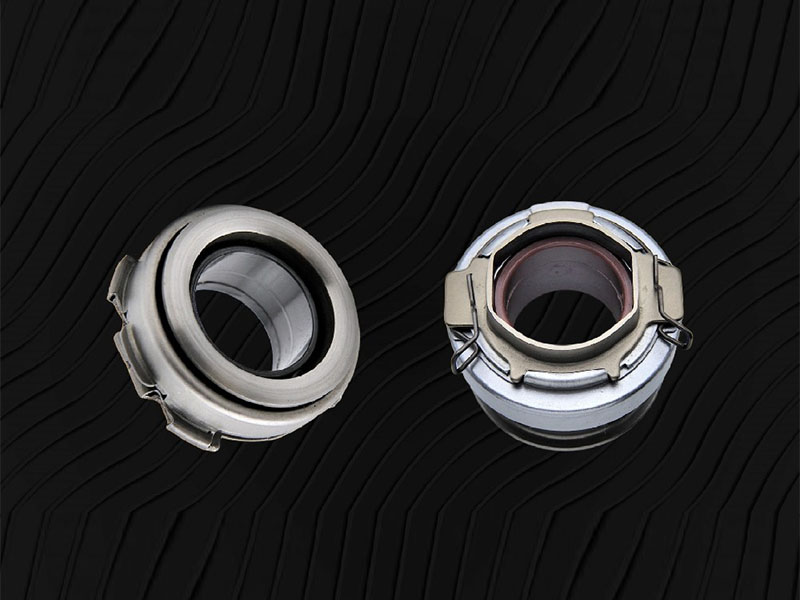
A throwout bearing (also known as a clutch release bearing) is a critical component in manual transmission systems. Located inside the bellhousing between the engine and the transmission, this bearing serves a single but essential function: it disengages the clutch when the driver presses the clutch pedal.
The throwout bearing is a thrust-type bearing that connects the stationary clutch fork or hydraulic actuator to the spinning pressure plate. When the clutch pedal is depressed, the bearing moves forward to contact the diaphragm spring fingers of the pressure plate. This action releases the clutch disc from the flywheel, interrupting power flow from the engine to the transmission and allowing the driver to shift gears smoothly.
Throwout bearings can be manufactured in various sizes and configurations depending on vehicle application, but their fundamental design and purpose remain consistent across all manual transmission vehicles.
How Does a Throwout Bearing Work?
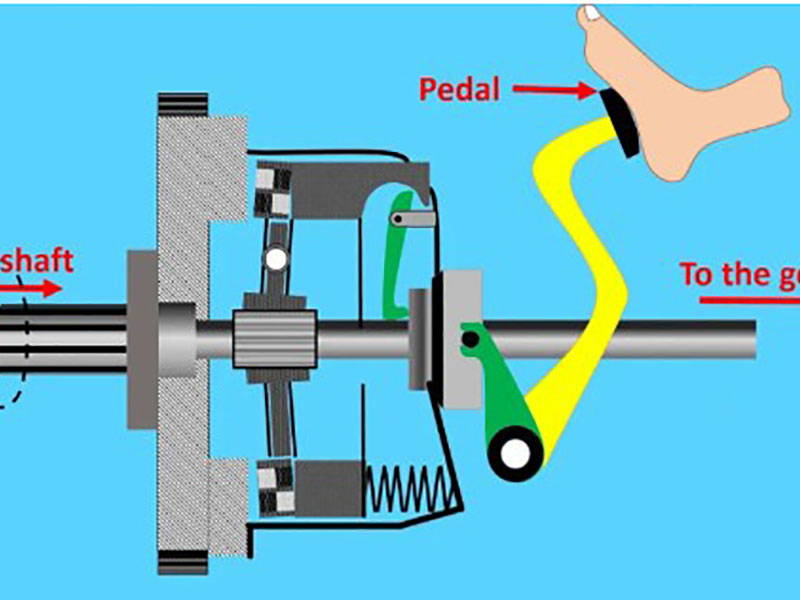
To understand the throwout bearing’s operation, it helps to consider its position within the clutch assembly. The pressure plate is bolted to the flywheel and rotates whenever the engine is running. The friction disc, which is splined to the transmission’s input shaft, sits between the flywheel and the pressure plate. The throwout bearing sits on the input shaft and operates between the clutch release mechanism and the pressure plate.
When the driver presses the clutch pedal, the clutch fork (or hydraulic slave cylinder) pushes the throwout bearing forward. The bearing contacts the pressure plate’s diaphragm spring fingers, applying force that pulls the pressure plate away from the clutch disc. With the pressure plate disengaged, the clutch disc spins freely, and the driver can shift the transmission into the desired gear.
When the driver releases the clutch pedal, the throwout bearing retracts. The pressure plate re-engages, clamping the clutch disc against the flywheel and resuming power transfer from the engine to the wheels. Importantly, the throwout bearing only spins when the clutch pedal is pressed — during normal driving with the clutch engaged, the bearing remains stationary.
Mechanical vs. Hydraulic Actuation
The throwout bearing can be actuated through either mechanical or hydraulic means:
- Mechanical actuation uses a clutch fork that rides on a pivot inside the bellhousing. The fork is moved by a linkage (often called a Z-bar), a cable, or an external hydraulic cylinder that pushes or pulls the fork.
- Hydraulic actuation uses fluid pressure. When the driver presses the clutch pedal, fluid from the clutch master cylinder is forced through hydraulic lines into the slave cylinder. This forces the bearing forward to contact the pressure plate. In many modern vehicles with internal slave cylinders (CSC — Concentric Slave Cylinder), the hydraulic actuator is integrated into the bearing assembly itself.
Despite the differences in actuation methods, the throwout bearing’s core function remains identical: to enable smooth clutch disengagement and gear changes.
Symptoms of a Bad Throwout Bearing
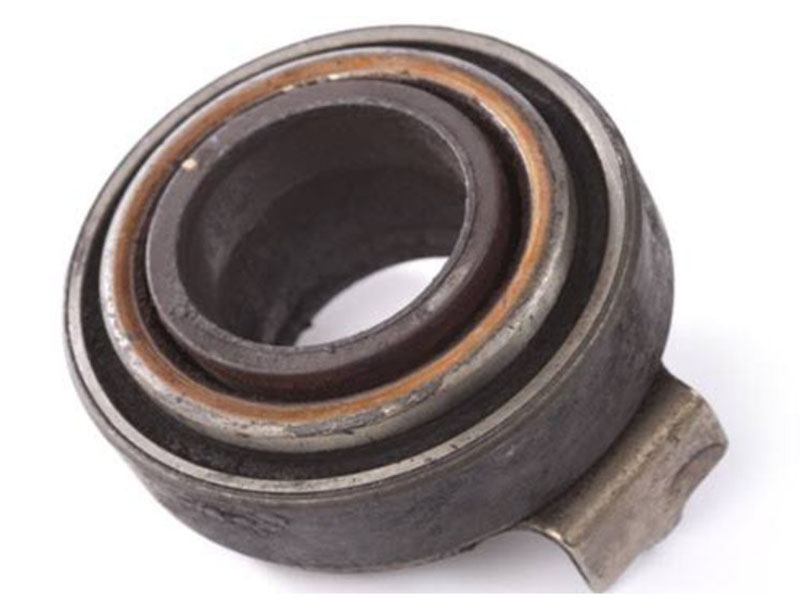
A failing throwout bearing typically produces clear and repeatable symptoms. Recognizing these early signs can prevent more extensive — and more expensive — clutch or transmission damage.
- Noise when the clutch pedal is depressed — The most common symptom is an unusual noise (grinding, squealing, chirping, or rattling) that occurs when the clutch pedal is pressed and disappears when the pedal is released. This noise results from worn internal components within the bearing, creating metal-on-metal contact or allowing parts to rattle. Diagnosis tip: Start the vehicle, put it in neutral, and press the clutch pedal several times while listening. If the noise occurs only when the pedal is pressed and stops when released, the throwout bearing is likely the problem.
- Vibration or pulsation through the clutch pedal — A worn throwout bearing can cause noticeable vibration or pulsation felt through the pedal. This occurs when the bearing surface develops uneven wear or internal damage, causing it to wobble or chatter against the pressure plate fingers.
- Stiff, heavy, or inconsistent pedal feel — If the throwout bearing is failing, the clutch pedal may feel stiffer than normal, require more force to depress, or exhibit inconsistent resistance throughout its travel. This symptom often progresses gradually and should be addressed promptly.
- Difficulty shifting or gear grinding — When the throwout bearing cannot press evenly or far enough against the pressure plate’s release fingers, the clutch may not fully disengage. The clutch disc continues to drag slightly against the flywheel even when the pedal is fully depressed, causing gear grinding or resistance when shifting, particularly when engaging first gear or reverse.
- Clutch slipping or poor engagement — In severe cases, a failing throwout bearing can prevent the pressure plate from fully engaging, leading to clutch slippage under load and accelerated wear on the entire clutch assembly.
- Visible play or damage on inspection — During a visual inspection (with the transmission removed), a failing throwout bearing may show visible signs of damage: pitting on the bearing surface, excessive radial play, rough rotation when spun by hand, or visible cracks in the bearing housing.
When to Replace the Throwout Bearing
Determining the right time to replace a throwout bearing requires understanding several key scenarios.
- Every clutch job — Mechanics universally recommend replacing the throwout bearing whenever the clutch assembly is replaced, regardless of whether the existing bearing shows visible wear. Accessing the bearing requires removing the transmission. Replacing a $30–100 part at the time of a clutch replacement costs far less than paying for additional labor later when the bearing inevitably fails.
- When symptoms appear — If any of the symptoms described above become noticeable, the throwout bearing should be replaced as soon as practical. Delaying replacement risks additional damage to the pressure plate fingers, clutch fork, and potentially the transmission input shaft.
- Concentric hydraulic units (CSC) — In vehicles equipped with a Concentric Slave Cylinder (where the hydraulic actuator is integrated into the bearing assembly), failure of either the bearing or the hydraulic seal requires complete replacement of the unit. These integrated units cannot be serviced component by component.
How to Replace a Throwout Bearing
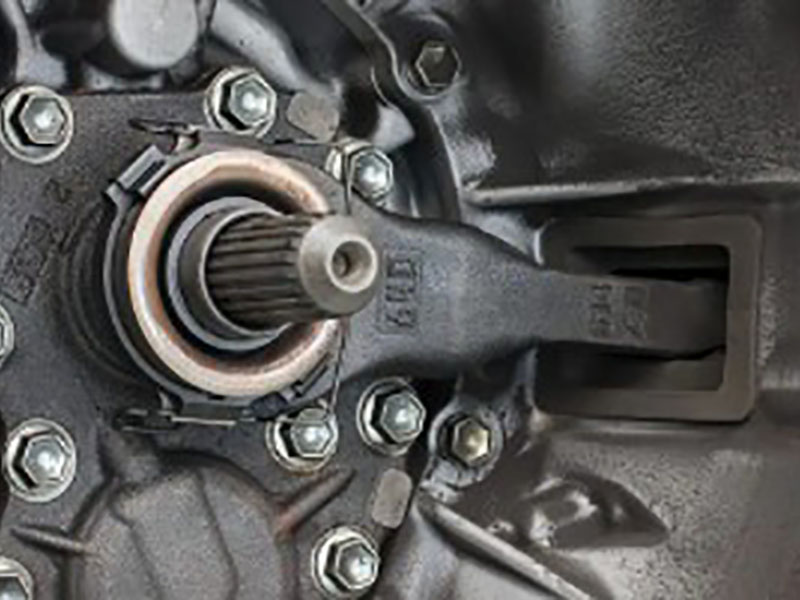
Replacing a throwout bearing requires moderate to advanced mechanical skill. This section provides a generalized overview — specific procedures vary significantly by vehicle make and model.
Tools and materials commonly needed
Floor jack and jack stands, transmission jack or support, socket and wrench set (metric and standard), torque wrench, screwdrivers, pliers and snap ring pliers, brake cleaner or degreaser, high-temperature grease (moly-base), replacement throwout bearing, clutch alignment tool (if replacing clutch disc).
Generalized replacement steps
- Safety and preparation — Disconnect the battery. Raise and securely support the vehicle.
- Disconnect systems — Remove the driveshaft (on rear-wheel drive vehicles) or CV axles (on front-wheel drive). Disconnect the shifter linkage and, if applicable, the clutch hydraulic line.
- Support the transmission — Position a transmission jack under the unit. Remove the transmission mounting bolts while supporting the engine from above.
- Access the throwout bearing — Separate the transmission from the engine and slide the transmission rearward. The throwout bearing will be visible on the input shaft.
- Remove the old bearing — Depending on the design, the bearing may slide off the clutch fork or require unbolting. For CSC units, the assembly bolts to the transmission front cover.
- Inspect surrounding components — Check the clutch fork pivot for wear, inspect the input shaft bearing retainer for grooves or scoring, and examine the pressure plate fingers for damage.
- Install the new bearing — Apply a thin film of recommended grease to the bearing retainer surface. Install the new bearing onto the clutch fork or transmission front cover.
- Avoid over-lubrication — excess grease can contaminate the clutch disc.
- Reassemble — Reinstall the transmission. Use a clutch alignment tool to center the clutch disc if the clutch was removed. Follow manufacturer torque specifications for all bolts.
- Reconnect and test — Reconnect hydraulic lines, linkage, and driveshaft. Lower the vehicle, reconnect the battery, and test clutch operation before driving.
Common pitfalls and tips
- Replace related parts together — Always replace the throwout bearing when replacing the clutch disc or pressure plate. The small additional cost prevents major future expenses.
- Use a clutch alignment tool — If the clutch disc was removed, a proper alignment tool is essential for correct disc centering.
- Follow torque specifications — Over-torquing or under-torquing bellhousing and pressure plate bolts leads to premature component failure.
- Inspect the clutch fork — Check the fork for wear at the pivot point and where it contacts the throwout bearing. Replace if significant wear is visible.
- Replace the pilot bearing — While the transmission is removed, replace the pilot bearing (located in the flywheel or crankshaft) as a preventive measure.
Cost and labor time overview
The throwout bearing itself is relatively inexpensive — typically $30–100. However, accessing the bearing requires removing the transmission, which is labor-intensive. A qualified mechanic typically requires four to six hours to complete the replacement. With labor rates ranging from $75–120 per hour, total cost at a repair shop generally falls between $330 and $820, with the majority of the expense attributed to labor. These figures vary by vehicle make, model, geographic location, and whether related components (such as the full clutch kit) are also replaced.
How to Source a Quality Throwout Bearing
When purchasing a throwout bearing, quality directly impacts service life and reliability. Here are key indicators of a well-manufactured bearing.
OEM specifications and quality standards
Quality throwout bearings are manufactured to meet or exceed Original Equipment (OEM) specifications. This means the bearing’s dimensions, materials, load ratings, and tolerances align with the original manufacturer’s design requirements. Manufacturing certifications such as ISO 9001 and IATF 16949 indicate adherence to rigorous quality management systems.
Material and design considerations
Quality throwout bearings use premium-grade steel for the rolling elements and races, with proper heat treatment to achieve required hardness and wear resistance. Housing materials (typically engineered polymers or precision-machined metals) must withstand the thermal and mechanical loads encountered in service.
Working with reliable suppliers
For automotive professionals and repair shops, sourcing throwout bearings from established manufacturers with proven quality management systems reduces the risk of premature failure. As a manufacturer serving both OEM and aftermarket customers, DUHUI Bearing produces throwout bearings that meet stringent quality requirements, with comprehensive quality control covering material selection, precision machining, assembly, and final testing.
Preventive Maintenance and Best Practices
While the throwout bearing is a wear component with a finite service life, proper driving habits and routine attention can maximize its lifespan.
- Listen for early warning signs — Pay attention to how the clutch sounds and feels. Any change in noise characteristics or pedal feel when depressing the clutch warrants investigation. Early detection prevents cascading damage.
- Avoid “riding” the clutch — Resting your foot on the clutch pedal while driving — even lightly — keeps the throwout bearing in partial contact with the pressure plate. This causes unnecessary wear. When stopped at traffic lights, shift to neutral and release the clutch pedal.
- Use quality parts — Choose throwout bearings from reputable manufacturers that meet or exceed OEM specifications. Inferior bearings with poor materials or loose tolerances fail prematurely and can damage surrounding components.
- Ensure proper installation — Incorrect installation — including improper lubrication, damage during handling, or failure to replace related components — is a common cause of premature failure. Follow manufacturer procedures and torque specifications.
Conclusion
The throwout bearing — though a small component within the manual transmission system — plays an indispensable role in enabling smooth gear changes. Understanding how it works, recognizing the symptoms of failure, and knowing when to replace it can prevent more extensive clutch and transmission damage while controlling repair costs.
For automotive professionals and vehicle owners alike, the key takeaways are clear: replace the throwout bearing as a preventive measure during any clutch job, address symptoms promptly when they arise, source quality components from reputable manufacturers, and adopt driving habits that minimize unnecessary bearing wear. Regular attention to clutch system condition — listening for unusual noises and monitoring pedal feel — provides the best protection against unexpected clutch failure.
Frequently Asked Questions (FAQs)
Q1: Is a throwout bearing the same as a clutch release bearing?
A1: Yes. “Throwout bearing” and “clutch release bearing” are two names for the same component. The terms are used interchangeably in automotive service literature.
Q2: How long does a throwout bearing last?
A2: Service life varies significantly based on driving habits, vehicle type, and manufacturing quality. A release bearing may fail before 80,000 miles under harsh driving conditions — particularly if the driver frequently “rides” the clutch — but can last significantly longer with careful operation. There is no fixed replacement interval; replacement is based on symptoms or performed preventively during clutch jobs.
Q3: Can I drive with a bad throwout bearing?
A3: While the vehicle may remain operable in the short term, driving with a failing throwout bearing is not recommended. Continued operation risks damage to the pressure plate fingers, clutch fork, and transmission input shaft. A seized bearing can leave the vehicle stranded or cause sudden drivability issues. The repair cost climbs significantly if additional components are damaged by neglect.
Q4: What is the difference between a throwout bearing and a pilot bearing?
A4: The throwout bearing disengages the clutch when the pedal is pressed. The pilot bearing (or pilot bushing) is a small bearing located in the center of the flywheel or crankshaft that supports the transmission’s input shaft tip. These are different components with distinct functions, but both are commonly replaced during a clutch job.
Q5: Do I need to replace the pilot bearing when replacing the throwout bearing?
A5: It is strongly recommended. The pilot bearing is accessible only when the transmission is removed — the same labor required for throwout bearing replacement. Replacing both components simultaneously is efficient and prevents a future failure that would require transmission removal again.
Q6: Why does my throwout bearing make noise only when the clutch pedal is pressed?
A6: The throwout bearing is engaged (rotating and under load) only when the clutch pedal is pressed. When the pedal is released and the clutch is engaged, the bearing retracts and stops spinning. Therefore, bearing-related noises occur exclusively during pedal depression.
Q7: How much does throwout bearing replacement cost?
A7: The bearing itself costs $30–100, but the majority of expense is labor (4–6 hours). Total cost at a repair shop typically ranges from $330–820. Costs vary by vehicle make and geographic location.
Q8: What other parts should be replaced with the throwout bearing?
A8: When replacing a throwout bearing, especially if the transmission has been removed for access, consider replacing the clutch disc, pressure plate, pilot bearing, and (on vehicles with cable-actuated clutches) inspecting the clutch cable for proper adjustment.