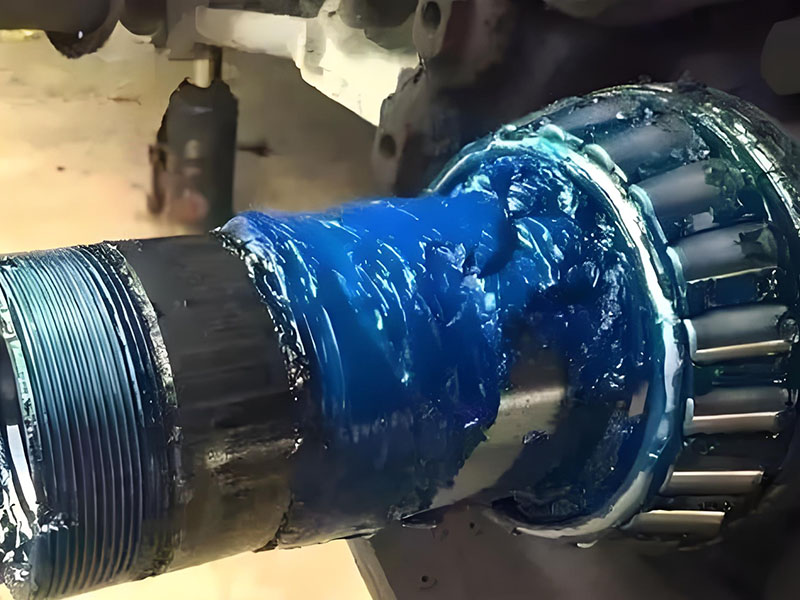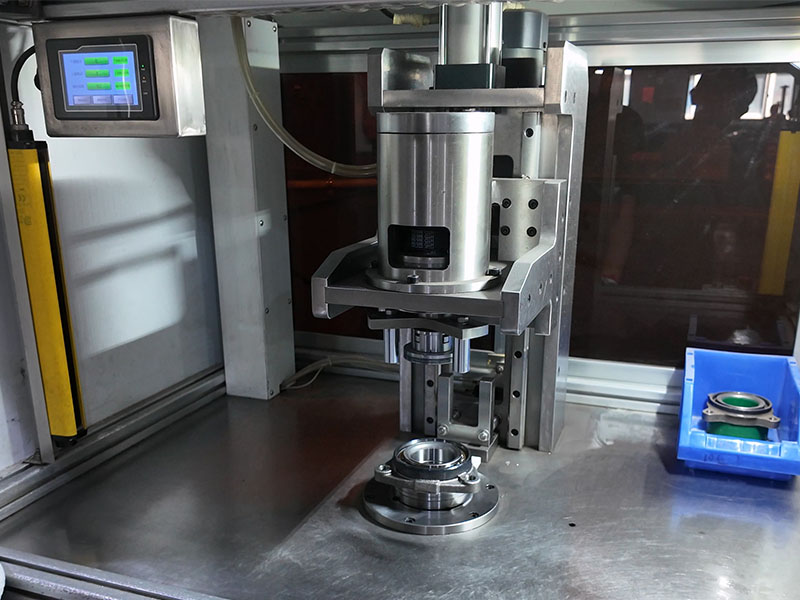
When it comes to the performance and durability of rotating machinery, every component matters. Among these, bearing retainers and cages play a critical yet often overlooked role. Whether you are designing new equipment or maintaining existing systems, understanding the different types, materials, and designs of bearing retainers is essential.
In this guide, DUHUI will explore what bearing retainers are, their types, materials, advantages, and how to choose the right one for your application.
What Are Bearing Retainers and Cages?
A bearing retainer, also known as a bearing cage, is a component used in rolling-element bearings to separate and guide the rolling elements (balls or rollers). It maintains even spacing, prevents contact between elements, and ensures smooth operation under load.
Primary functions:
- Maintain consistent spacing between rolling elements
- Reduce friction and heat generation
- Improve load distribution
- Extend bearing service life
Types of Bearing Retainers by Bearing Application
The type of retainer used depends largely on the bearing design and application requirements.
Ball Bearing Retainers
Designed for ball-type bearings, these retainers are commonly found in:
- Deep groove ball bearings
- Angular contact ball bearings
- Thrust ball bearings
They are typically lighter and designed to accommodate the point contact of ball bearings.
Roller Bearing Retainers
Used in bearings with cylindrical or tapered rolling elements, these retainers are built to handle:
- Cylindrical roller bearings
- Spherical roller bearings
- Tapered roller bearings
Roller bearing retainers are generally more robust due to the line contact and higher loads involved.
Bearing Cage Materials: Properties and Applications
The material of a bearing cage directly influences its performance, durability, and suitability for specific operating conditions.
Metal Cages
- Carbon Steel: Offers high strength and cost-effectiveness. Ideal for general industrial applications.
- Brass: Provides excellent wear resistance and performs well in high-speed and heavy-load environments.
- Bronze: Known for good corrosion resistance, often used in marine or heavy machinery applications.
Plastic Cages
- Nylon Crown (PA): Lightweight, low friction, and quiet operation. Suitable for moderate speeds and clean environments.
- Reinforced Nylon Crown (TW): Enhanced mechanical strength for more demanding applications.
- Polyethylene Crown (PE): Good chemical resistance, ideal for food processing or chemical industries.
- PEEK Crown (PK): Exceptional high-temperature resistance and mechanical properties. Used in aerospace, automotive, and precision equipment.
- PTFE Crown (PT): Extremely low friction and chemically inert. Suitable for harsh chemical environments.
Phenolic Resin Cages
Lightweight yet strong, these cages are commonly used in high-speed precision bearings, such as those in machine tool spindles.
Bearing Retainer Designs by Shape
Beyond materials, the physical design of a retainer also affects its functionality.
- Crown Retainers: Feature a snap-in design that holds balls in place. Commonly used in ball bearings for simplicity and ease of assembly.
- Ribbon Retainers: Made from thin metal strips, often used in smaller bearings where space is limited.
- Cage Retainers: Full-ring structures that provide maximum strength and stability. Typically used in heavy-duty roller bearings for industrial applications.
Key Advantages of Using Quality Bearing Cages
Investing in high-quality bearing retainers offers several performance benefits:
- Reduced Friction: Prevents direct contact between rolling elements, minimizing heat and energy loss.
- Extended Bearing Life: Proper spacing reduces wear and fatigue.
- Enhanced Reliability: Consistent performance under varying loads and speeds.
- Improved Load Capacity: Even distribution of load across all rolling elements.
- Noise and Vibration Dampening: Especially with plastic cages, which absorb shock and reduce operational noise.
- Easier Maintenance: Some designs allow for better lubrication flow and retention.
Factors to Consider When Choosing a Bearing Retainer
Selecting the right retainer is critical for optimal bearing performance. Consider the following:
- Material and Type: Match the material to your operating environment—temperature, lubrication type, and chemical exposure all matter.
- Load and Speed Requirements: High-speed applications benefit from lightweight materials like PEEK or phenolic resin, while heavy loads may require brass or steel.
- Operating Environment: Humidity, dust, contamination, and temperature extremes influence material choice and retainer design.
Common Issues with Bearing Retainers
Even well-designed bearings can fail if the retainer is compromised. Common problems include:
- Wear and Tear: Often caused by insufficient lubrication or excessive speed.
- Contamination: Dirt, dust, or moisture can damage the retainer and rolling elements.
- Misalignment: Leads to uneven load distribution and premature failure.
- Overloading: Exceeds the mechanical limits of the retainer material.
- Improper Installation: Can cause deformation, imbalance, or noise.
- Fatigue Failure: Results from repeated stress cycles over time.
Bearing Retainers vs. Ball Separators: What’s the Difference?
Although the terms are sometimes used interchangeably, there is a technical distinction:
- Bearing Retainers: A broad term referring to cages used in both ball and roller bearings.
- Ball Separators: Specifically designed for ball bearings to maintain ball spacing and prevent contact.
In practice, both serve the same fundamental purpose—guiding and spacing rolling elements—but are optimized for different bearing types.
Conclusion
Choosing the right bearing retainer is not just a technical detail—it directly impacts equipment performance, maintenance costs, and operational reliability. By understanding the types, materials, and designs available, you can make informed decisions that enhance your machinery’s lifespan.
At DUHUI Bearing, we bring 20 years of manufacturing expertise and 15 years of global export experience to every product we deliver. Whether you need standard or custom bearing retainers, our team is ready to provide solutions tailored to your specific requirements.