Quick Answer – Hydraulic vs Mechanical Clutch:
- Which has lighter pedal? Hydraulic is generally lighter. But pedal effort depends mostly on the pressure plate spring, not the actuation type.
- Which needs less maintenance? Hydraulic needs no manual adjustment, but requires brake fluid change every 2 years. Mechanical needs periodic cable lubrication and free‑play adjustment.
- Which one should you choose? Hydraulic for daily traffic or high‑torque engines. Mechanical for classic car authenticity or budget builds.
Drivers of manual transmission vehicles often notice significant differences in clutch pedal feel and engagement smoothness. These differences typically come down to the actuation system: hydraulic clutch versus mechanical clutch (cable clutch).
Mechanical clutches were standard on most vehicles built before 2000 and remain common on many motorcycles and all‑terrain vehicles. Hydraulic clutches have become the default choice for modern passenger cars and performance vehicles since the 1990s. Neither system is inherently superior. The appropriate selection depends on the driver’s preferences, the vehicle’s intended use, and the owner’s willingness to perform periodic adjustments.
This article provides an objective hydraulic vs mechanical clutch comparison, covering operating principles, maintenance requirements, performance characteristics, and practical considerations for those evaluating a potential conversion.
What Is a Mechanical Clutch?
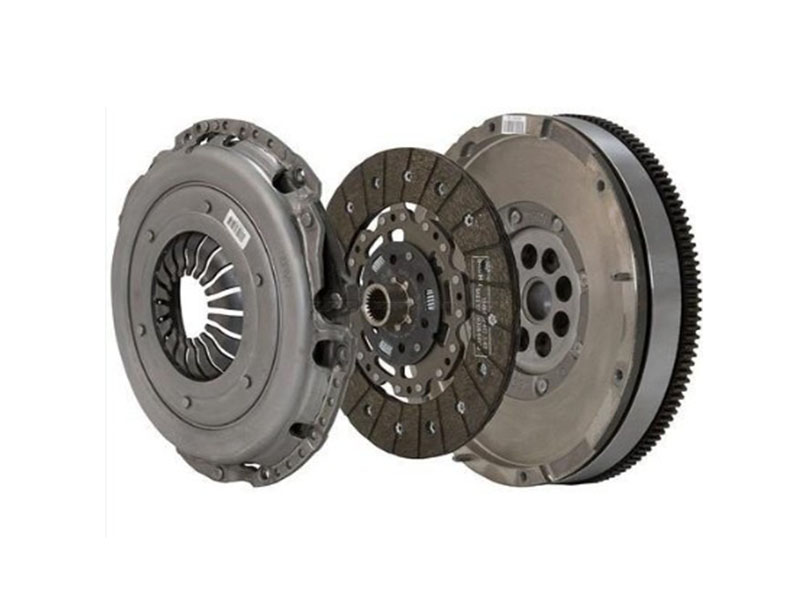
A mechanical clutch, also referred to as a cable clutch, transmits force from the clutch pedal to the clutch release mechanism using a steel Bowden cable. When the pedal is depressed, the cable pulls on the clutch fork. The fork then pushes the release bearing against the pressure plate diaphragm spring, which disengages the clutch disc from the flywheel.
Inside the cable assembly, a nylon liner reduces sliding friction and protects the inner wire from contaminants. The system contains no fluids, seals, or cylinders. Its simplicity is both an advantage and a limitation.
Current market presence: Mechanical clutches are rarely found on new passenger cars. However, they remain in production on many motorcycles, scooters, and ATVs, where low weight and straightforward servicing are valued. Classic car owners often retain the original mechanical setup to preserve factory authenticity.
What Is a Hydraulic Clutch?
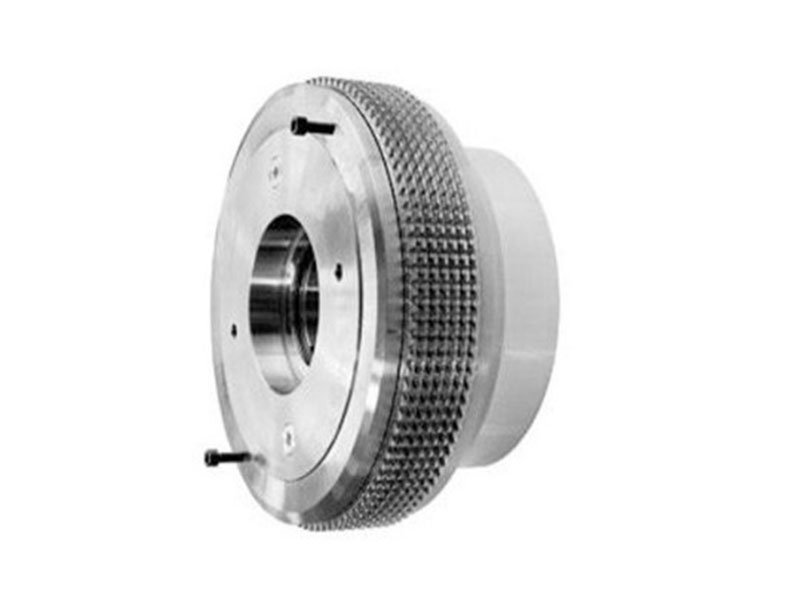
A hydraulic clutch replaces the steel cable with a sealed hydraulic circuit. The key components include a clutch master cylinder (attached to the pedal assembly), a hydraulic line (rigid pipe or flexible hose), a slave cylinder (mounted on the transmission or bell housing), and the clutch release bearing.
When the driver presses the pedal, the master cylinder piston converts mechanical force into hydraulic pressure. The fluid – typically DOT3 or DOT4 brake fluid – transmits this pressure through the line to the slave cylinder. The slave cylinder piston extends, pushing either a conventional clutch fork or, in concentric designs, directly actuating the release bearing.
Two common hydraulic layouts:
- External slave cylinder – Pushes a conventional clutch fork. Servicing is relatively easy because components are accessible without removing the transmission.
- Concentric slave cylinder (CSC) – Integrates the slave cylinder and release bearing into a single unit inside the bell housing. This design is more compact and eliminates the clutch fork, but transmission removal is required for any repair or replacement.
Since the 1990s, hydraulic clutches have become the standard on most production cars, light trucks, and an increasing number of motorcycles.
Key Differences Between Hydraulic and Mechanical Clutches
The table below summarizes the major technical distinctions.
| Feature | Mechanical Clutch | Hydraulic Clutch |
|---|---|---|
| Pedal effort | Can be heavier; influenced by cable condition and routing | Generally lighter; more consistent over time |
| Wear compensation | Manual adjustment required as clutch disc wears | Automatic; no manual adjustment |
| Maintenance needs | Periodic cable lubrication, tension checks, and free‑play setting | Fluid replacement every 2 years; occasional air bleeding |
| Component cost | Lower manufacturing and replacement cost | Higher initial cost; more expensive repairs |
| Pedal travel feel | Fixed by cable lever ratio; engagement point predictable | Tunable via master/slave cylinder bore sizes |
| Routing flexibility | Limited by minimum bend radius and heat exposure | Lines can be routed away from exhaust and other hot components |
| Common failure modes | Cable rust, stretching, fraying, or snapping | Fluid leaks, seal aging, moisture absorption, air ingress |
Key Technical Comparisons and Insights
What Determines Pedal Effort?
A common misconception is that converting from a mechanical to a hydraulic system automatically lightens pedal effort. In reality, the clutch pressure plate’s spring load is the dominant factor. A heavy‑duty pressure plate designed for high torque capacity will feel stiff regardless of whether it is actuated by a cable or by hydraulic fluid. Conversely, a light pressure plate with a well‑lubricated, correctly routed cable can produce a very light pedal feel.
If a mechanical clutch feels excessively heavy, the cause is often worn linkage components – a corroded pivot ball, a worn fork ball socket, a dry or frayed cable – rather than an inherent limitation of the cable principle.
Maintenance Realities Compared
Hydraulic clutches are not maintenance‑free. Brake fluid is hygroscopic, meaning it absorbs atmospheric moisture over time. Water contamination leads to corrosion inside the master and slave cylinders, which can damage seals and cause clutch disengagement failure. Fluid replacement every two years is standard practice. Air trapped in the system (from leaks, aging, or improper bleeding) creates a spongy pedal and reduces effective travel – bleeding restores normal function.
Mechanical clutches require more frequent but simpler attention. The cable must be lubricated periodically, especially after exposure to water, mud, or road salt. Free play at the pedal must be checked and adjusted as the clutch disc wears. Neglected cables can stretch, fray, or snap, leaving the vehicle inoperative until the cable is replaced.
Response Time and Torque Capacity
From a hydraulic perspective, brake fluid is nearly incompressible. When the master cylinder piston moves, pressure reaches the slave cylinder almost instantaneously. Therefore, engagement speed does not differ meaningfully between the two systems – both respond as fast as the driver moves the pedal.
However, hydraulic systems can generate higher thrust forces for a given pedal input because the master/slave cylinder area ratio can be selected. This makes hydraulic actuation advantageous for high‑torque engines that require a stiff pressure plate. The hydraulic system can reliably disengage a heavy plate without requiring excessive pedal force.
Racing and Off‑Road Applications
Hydraulic clutches are widely preferred in competitive driving and off‑road use. Under sustained high engine loads and elevated under‑hood temperatures, a hydraulic system maintains consistent pedal feel and release characteristics. A mechanical cable, by contrast, may become stiffer or exhibit uneven friction as heat affects the cable liner and lubricant. Riders and drivers report that hydraulic systems offer better modulation, allowing them to focus more on vehicle control.
Hydraulic vs Mechanical: Tuning Differences
Mechanical clutch tuning is limited to adjusting cable free play and verifying the pivot geometry. Hydraulic systems offer more flexibility. The relationship between master cylinder bore diameter and slave cylinder bore diameter determines pedal travel and effort:
- Smaller master cylinder bore → Higher hydraulic multiplication → Lighter pedal feel, but longer pedal travel.
- Larger master cylinder bore → Firmer pedal, shorter travel.
A common tuning mistake in hydraulic systems is mismatched bore sizes, which can cause incomplete clutch release (the clutch does not fully disengage) or an engagement point very close to the floor. Professional builders measure the required fork or release bearing travel – typically 0.400 to 0.500 inch (10 to 12 mm) for diaphragm spring clutches – and calculate the correct piston area ratio. Adding a remote bleeder fitting simplifies future fluid changes and air bleeding – a feature not applicable to mechanical systems.
Application Recommendations
- Daily driving in heavy traffic – Hydraulic clutches reduce left‑leg fatigue and require no frequent adjustments.
- High‑power or modified vehicles – Heavy‑duty pressure plates are easier to operate with hydraulic assistance.
- Classic car restoration / judged shows – Retaining the original mechanical system preserves authenticity.
- Tight engine compartments – Hydraulic lines can be routed around hot exhaust headers or large engine blocks, whereas a mechanical cable may suffer heat damage or binding.
Conversion from Mechanical to Hydraulic Clutch
Reasons for Conversion
- Eliminate a stiff, notchy pedal caused by an aging cable or worn linkage.
- Remove the risk of cable failure due to heat from modified exhaust systems.
- Improve driving comfort, particularly in stop‑and‑go traffic.
- Achieve more consistent clutch release after engine performance upgrades that require a heavier pressure plate.
Cost and Difficulty
Aftermarket hydraulic conversion kits for popular classic car models typically cost around 500 USD. Installation difficulty ranges from moderate to hard – suitable for experienced DIY mechanics or professional automotive shops.
Basic installation steps:
- Remove the existing cable, brackets, and the original clutch fork (if the kit uses a concentric slave cylinder).
- Drill and mount the master cylinder on the firewall (if no existing mounting points are present).
- Install the slave cylinder – either external type or concentric.
- Connect the hydraulic line and reservoir.
- Bleed the system to remove all air.
- Test pedal travel and free play; adjust pushrod length if necessary.
Important considerations: Follow the kit manufacturer’s instructions for bore sizing and clearance measurements. A remote bleeder line is strongly recommended for future maintenance.
Key Technical Data for a Proper Upgrade
- Release bearing travel – Most diaphragm spring clutches require approximately 0.400 inch (10 mm) of bearing movement for full disengagement.
- Air gap – When disengaged, the friction disc should have roughly 0.090 inch (2.3 mm) clearance from the flywheel and pressure plate.
- Pedal free play – A small amount of free play (typically 0.5 to 1.0 inch measured at the pedal pad) ensures the release bearing does not remain in contact with the pressure plate during normal driving.
Conclusion
Choose a mechanical clutch if you prefer a simple, low‑cost system; you are comfortable with periodic cable lubrication and free‑play adjustments; you are restoring a classic car to original factory specification; or you do not mind the occasional cable replacement. Mechanical clutches remain a reliable solution for many applications.
Choose a hydraulic clutch if you want lighter, smoother pedal effort with automatic wear compensation; you drive in heavy traffic daily; your vehicle produces high torque (requiring a stiff pressure plate); or your engine compartment is too tight for a mechanical cable. The additional cost of a hydraulic system is often justified by improved driving comfort and reduced maintenance frequency.
In the hydraulic vs mechanical clutch decision, neither system is objectively better than the other. The appropriate choice depends on the specific vehicle, the driver’s preferences, and the owner’s willingness to perform regular adjustments or maintenance.
Frequently Asked Questions
Q1: Is a hydraulic clutch completely maintenance‑free?
A1: No. It requires no manual free‑play adjustment, but the brake fluid must be replaced every two years. If the pedal feels spongy, bleeding is needed to remove trapped air.
Q2: Does a hydraulic clutch always feel lighter than a mechanical one?
A2: Not necessarily. The pressure plate’s spring load is the main factor. For the same pressure plate, a properly sized hydraulic system typically requires less pedal effort, but a heavy‑duty plate will feel stiff under any actuation system.
Q3: Can air in a hydraulic clutch cause delayed engagement?
A3: Air makes the pedal feel soft and reduces effective travel, leading to incomplete disengagement. This does not create a “delay” in the sense of slow response, but the clutch may not release fully until the pedal is near the floor. Bleeding removes the air.
Q4: Is a concentric slave cylinder (CSC) reliable?
A4: CSC designs save space and eliminate the clutch fork. However, if a CSC leaks or fails, the transmission must be removed for repair. Many experienced mechanics prefer external slave cylinders for easier serviceability.
Q5: Is converting from mechanical to hydraulic worth the cost?
A5: For daily drivers or modified high‑torque vehicles – yes, the improvements in comfort and consistency are valuable. For a classic car that sees occasional use and retains original character, a well‑maintained cable system is perfectly adequate.
Q6: What fluid does a hydraulic clutch use?
A6: Most use DOT3 or DOT4 brake fluid, the same as the vehicle’s braking system. Never use mineral oil or silicone‑based fluids unless explicitly approved by the manufacturer, as seal materials may swell or degrade.
Q7: My motorcycle clutch feels soft – is it broken?
A7: On a hydraulic motorcycle clutch, first check the fluid level and bleed the system. If the problem persists, the master or slave cylinder seals may be worn. On a cable‑operated motorcycle, inspect the cable for fraying, kinks, or lack of lubrication.
Q8: My mechanical clutch is very heavy. Must I convert to hydraulic?
A8: Not immediately. Inspect the pivot ball, fork socket, and cable condition. Replacing a worn pivot ball or lubricating the cable can dramatically reduce effort. Convert only if you need a heavy‑duty pressure plate (for example, after an engine performance upgrade) and cannot achieve acceptable pedal effort with a fresh cable.
Q9: Is bleeding a hydraulic clutch difficult?
A9: It requires patience but is manageable for a home mechanic. Gravity bleeding or pressure bleeding works best. Use a clear tube and a catch bottle. Bleed from the slave cylinder (farthest from the master) toward the master cylinder. A remote bleeder line simplifies the process significantly.
Q10: How does a hydraulic clutch perform in extreme conditions (cold weather, heat, water, mud)?
A10: Performance varies by condition. In extreme cold, brake fluid viscosity increases, temporarily making the pedal feel stiffer until the fluid warms up – though mechanical cables may also stiffen due to grease solidification. Under high heat or sustained heavy use (racing, towing), hydraulic systems generally maintain consistent feel better than cables, but overheating the clutch can boil the fluid and cause vapor lock (spongy pedal). High‑temperature DOT4 or DOT5.1 fluids offer higher boiling points. For water and mud exposure, hydraulic systems are sealed and typically unaffected by brief crossings, but contaminated fluid (via compromised seals) lowers boiling point and accelerates corrosion. Mechanical cables can also draw in water through worn end fittings. After deep water or mud, both systems should be inspected – hydraulic fluid checked for contamination, mechanical cables dried and re‑lubricated. Overall, neither system is immune, but hydraulic systems with regular fluid changes are generally preferred for harsh environments.
Q11: How does the clutch release bearing differ between mechanical and hydraulic systems?
A11: In mechanical clutches, the release bearing is pushed by a fork and experiences side loads plus axial forces. Bearing life depends heavily on fork pivot condition. In hydraulic systems with an external slave cylinder, the bearing still sees side loads but force application is smoother. In concentric slave cylinder (CSC) designs, the bearing receives pure axial thrust with no fork, which generally extends life but requires transmission removal for replacement. External slave designs allow bearing replacement without removing the transmission in many vehicles.