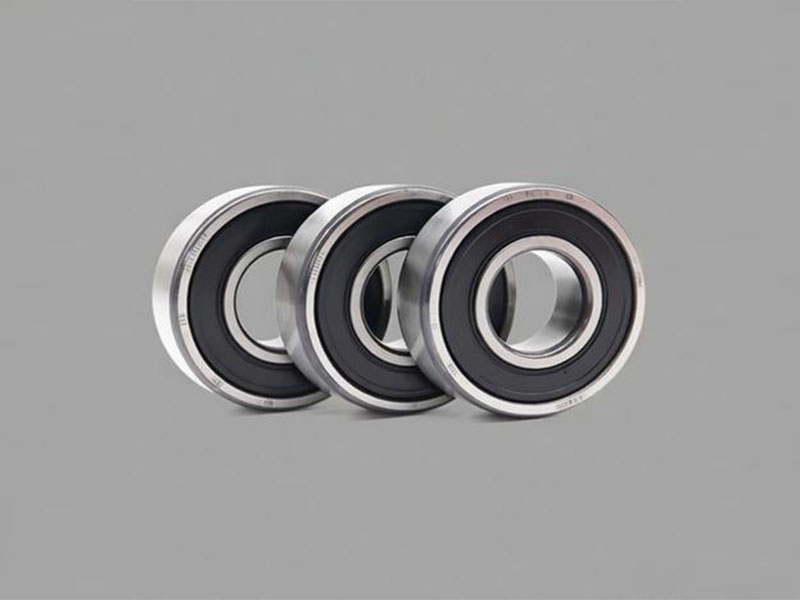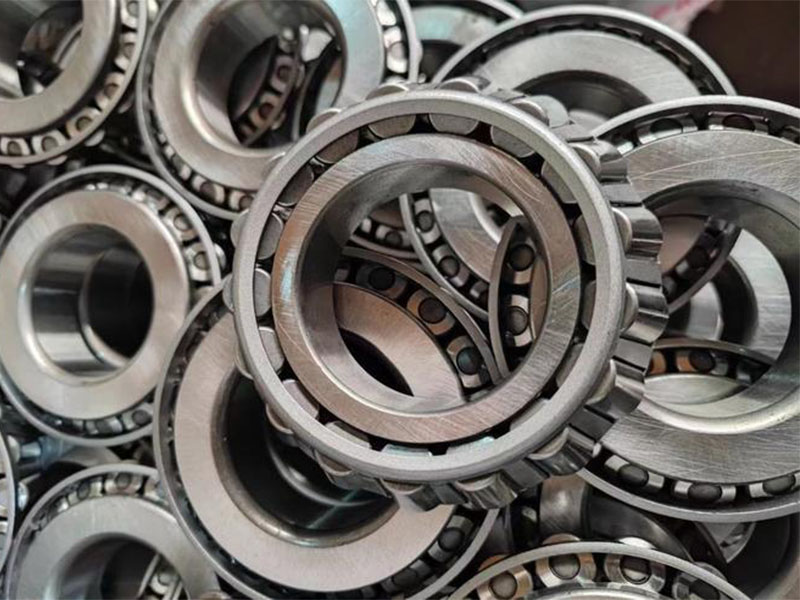
Choosing the right bearing is a critical decision that directly impacts equipment performance and operational safety. With countless options available in the market, knowing how to judge quality bearings effectively can save you from premature failures and costly downtime. DUHUI will walk you through 7 essential steps to evaluate bearing quality, helping you make informed purchasing decisions every time.
Evaluate the Bearing Manufacturer
The journey to judging bearing quality begins long before you see the product—it starts with the manufacturer behind it.
- Research the Manufacturer’s History and Industry Position: A manufacturer with decades of specialized experience in bearing production typically maintains more stable quality control systems. Look for companies that focus specifically on bearings relevant to your application, whether automotive wheel hubs or industrial machinery.
- Check User Reviews and Market Reputation: Real-world feedback from other buyers provides invaluable insights. Search for testimonials from businesses similar to yours. Pay attention to comments about consistency, delivery reliability, and after-sales support—not just product quality.
- Verify Quality System Certifications: Legitimate certifications demonstrate commitment to manufacturing standards. Key certifications include ISO 9001 for quality management and IATF 16949 specifically for automotive suppliers. Always verify these credentials through official registries when possible.
Inspect the Bearing Packaging
Packaging is often the first tangible evidence of a manufacturer’s attention to detail and care for product protection.
Confirm Packaging Integrity and Moisture Protection: Quality bearings reach you in undamaged packaging with proper moisture barriers. Look for VCI (Vapor Corrosion Inhibitor) paper or sealed plastic wraps that prevent rust during storage and transit. Torn or hastily repackaged boxes are warning signs.
Verify Packaging Labels: The label should clearly display the bearing model number, size specifications, manufacturer name, and country of origin. Ensure all information matches what you ordered and appears professionally printed—not handwritten or blurry.
Check for Anti-Counterfeit Labels or Verification Methods: Many reputable manufacturers now include scratch-off QR codes or holographic labels that allow online authenticity verification. Take a moment to verify these if available.
Examine Surface Finish and Tactile Quality of Bearing
Your eyes and hands are powerful inspection tools. Surface condition reveals much about manufacturing precision and storage conditions.
Observe for Rust, Scratches, or Burrs: Carefully examine all visible surfaces under good lighting. Genuine quality bearings show absolutely no rust spots, pitting, or discoloration. The surfaces should be free of scratches and raised burrs that could indicate poor handling or manufacturing defects.
Feel for Smoothness and Uniformity: Gently run your finger across the bearing surfaces. A quality bearing feels consistently smooth, with no rough patches or irregular textures. Rotate the bearing slowly and feel for any grit, vibration, or inconsistent resistance—these signal internal issues.
Check Chamfer Uniformity and Machining Marks: The chamfers (angled edges) should be clean, uniform, and free from tool marks. Sloppy or uneven chamfers suggest rushed manufacturing and poor quality control throughout production.
Check Bearing Rigidity
Rigidity directly affects how a bearing performs under load and maintains precision in your application.
Understand Material and Heat Treatment Processes: High-quality bearings use specially formulated steel with precise heat treatment that creates a hard, wear-resistant surface while maintaining a tough interior. Ask manufacturers about their material sources and heat treatment methods.
Review Official Rigidity Data or Test Reports: Reputable manufacturers provide technical documentation including rigidity values and stiffness curves. These numbers help you compare products objectively and select appropriately for your load requirements.
Test Deformation Through Simple Pressure or Rotation: Hold the bearing and apply gentle pressure while rotating. A quality bearing should feel solid with minimal detectable play. Excessive flexibility or “sponginess” under light pressure indicates insufficient rigidity for demanding applications.
Consider Shaft Diameter When Selecting Bearings
Proper fit between bearing and shaft is fundamental to performance and longevity.
Review Dynamic and Static Load Ratings: Compare the published dynamic load rating (Cr) and static load rating (Cor) against your application requirements. These numbers directly influence bearing life under your specific operating conditions.
Understand Life Testing Standards: Familiarize yourself with L10 life calculation methods and whether the manufacturer follows ISO or ABMA standards. This knowledge helps you interpret lifespan claims realistically.
Conduct Trial Runs When Possible: If circumstances permit, install the bearing for a test run. Monitor operating temperature—excessive heat indicates problems. Listen carefully for unusual noise patterns that could signal internal defects or improper fit.
Prioritize Installation and Removal Convenience of Bearing
Even the highest quality bearing will fail prematurely if improperly installed or difficult to maintain.
Precisely Measure Shaft Diameter and Tolerances: Use accurate micrometers to measure both shaft diameter and bearing inner diameter. Document these measurements to ensure proper fit before installation begins.
Confirm Bearing Inner Diameter and Shaft Fit Type: Understand whether your application requires interference fit (press fit) or clearance fit. Verify that the bearing’s specified tolerances match your shaft dimensions and fit requirements.
Consider Operating Temperature Effects on Dimensions: Remember that thermal expansion changes fit clearances. Account for your normal operating temperature range when selecting fit types to prevent seizing or loosening during use.
Test Durability and Load Capacity of Bearing
Long-term performance depends on design features that support proper installation and maintenance throughout the bearing’s service life.
Check for Installation Slots and Removal Threaded Holes: Quality bearings often include thoughtful features like properly machined snap ring grooves or threaded holes in flanges that simplify mounting and dismounting without damaging components.
Review Recommended Installation Tools and Methods: Reputable manufacturers provide clear installation guidelines and tool recommendations. Following these instructions correctly dramatically extends bearing life.
Evaluate Ease of Operation in Confined Spaces: Consider your actual working environment. Will you have adequate clearance for proper installation tools? Features that simplify handling in tight spaces demonstrate a manufacturer’s understanding of real-world maintenance challenges.
Conclusion
Learning how to judge quality bearings systematically protects your equipment and your investment. By following these 7 steps—evaluating manufacturer credibility, inspecting packaging, examining surface finish, checking rigidity, considering shaft dimensions, prioritizing installation convenience, and testing durability—you can confidently select bearings that deliver reliable, long-lasting performance. Take your time with each evaluation step; your machinery will thank you.
For questions about bearing selection or specifications, contact DUHUI Bearing. Our team understands the importance of quality and is ready to support your application needs.