Choosing an auto parts supplier is an early operating decision for a new store, not simply a comparison of quotations. Product and application accuracy, order terms, replenishment, and claims handling all affect how reliably the retailer can serve its own customers.
The purchasing decision should begin with the store’s local market. Vehicle population, common repair demand, target price levels, and the planned online or offline sales model determine which products and supplier capabilities are genuinely useful.
Match the Supplier to the Store’s Market
A new auto parts store needs a defined product plan before it builds inventory. Buyers should identify the vehicle applications they expect to serve, the categories they can support with sufficient product knowledge, and the stock depth they can finance without creating slow-moving inventory.
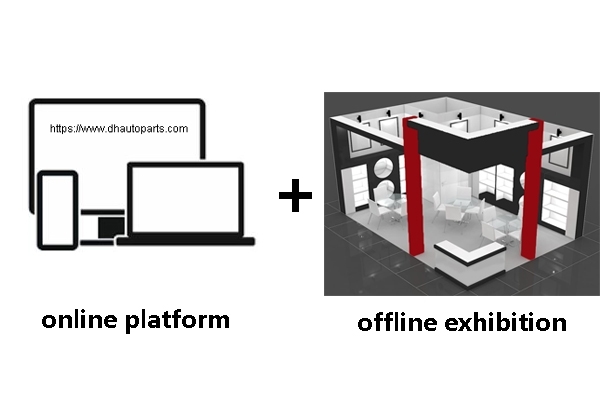
An online store may place greater weight on catalog accuracy, packaging, dispatch speed, and data that can be used on sales platforms. A physical store may prioritize immediate availability, local vehicle coverage, and dependable replenishment of frequently requested parts.
Starting with a focused category, such as wheel hub bearings, can simplify product training and inventory control. The decision should still follow verified local demand rather than the supplier’s available catalog alone.
Five Checks for an Auto Parts Supplier
- Product and application information: Confirm part numbers, vehicle coverage, specifications, and how fitment data is maintained.
- Quality evidence: Ask what inspections, samples, and product documents are available for the destination market.
- Commercial terms: Compare the landed cost, minimum order quantities, payment terms, packaging, and included services.
- Supply continuity: Review normal lead times, reorder procedures, shortage notices, and the handling of discontinued products.
- After-sales responsibility: Define the evidence, response time, cost allocation, and process for warranty, damage, return, or order discrepancy cases.
A competitive quotation has limited value when responsibilities are unclear. Written purchasing terms help both parties manage price changes, unavailable items, delivery adjustments, and claims without relying on assumptions made before the first order.
Questions to Resolve Before the First Order
- Which products and vehicle applications will form the initial assortment?
- What quantities can be reordered, and how quickly can they be supplied?
- How will samples, inspections, packaging, and documentation be handled?
- Who will communicate shortages, substitutions, and delivery changes?
- What records are required when an after-sales case occurs?
Business registration, tax, licensing, environmental, and product compliance requirements vary by market and should be confirmed with local authorities or qualified advisers. Supplier approval does not replace those preparations, but it connects them to everyday purchasing and inventory decisions.
Automotive Bearings as a Focused Product Category
DUHUI is an automotive bearing manufacturer established in Zhejiang, China, in 2003. For wholesalers and new parts stores evaluating a bearing category, the relevant discussion includes product scope, application information, ordering arrangements, supply communication, and after-sales expectations.
A new store should compare those terms with its own market data, operating budget, and customer needs. The strongest supplier relationship begins with clear responsibilities on both sides and a product range the retailer is prepared to understand and support.