Quick Answer
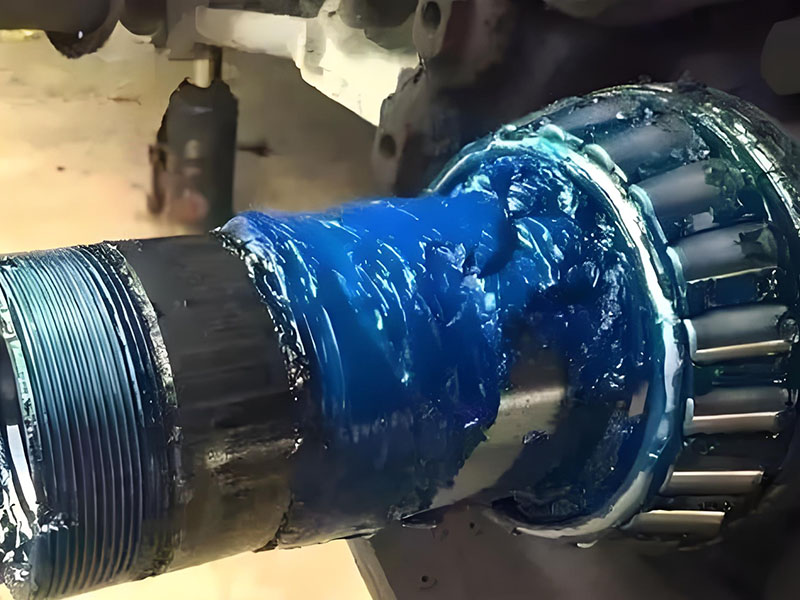
An oil seal is a sealing component used around rotating or moving shafts to retain lubricant and block dust, water, and other contaminants. In cars and machinery, oil seals help protect bearings, gears, engines, transmissions, and axles. Correct selection depends on shaft size, housing size, rotation, pressure, temperature, lubricant, material, and installation condition.
What is an oil seal? In automotive and mechanical equipment, an oil seal is a small but important part that separates lubricated internal components from the outside environment. It helps keep oil or grease in the system while reducing contamination from dust, mud, and water.
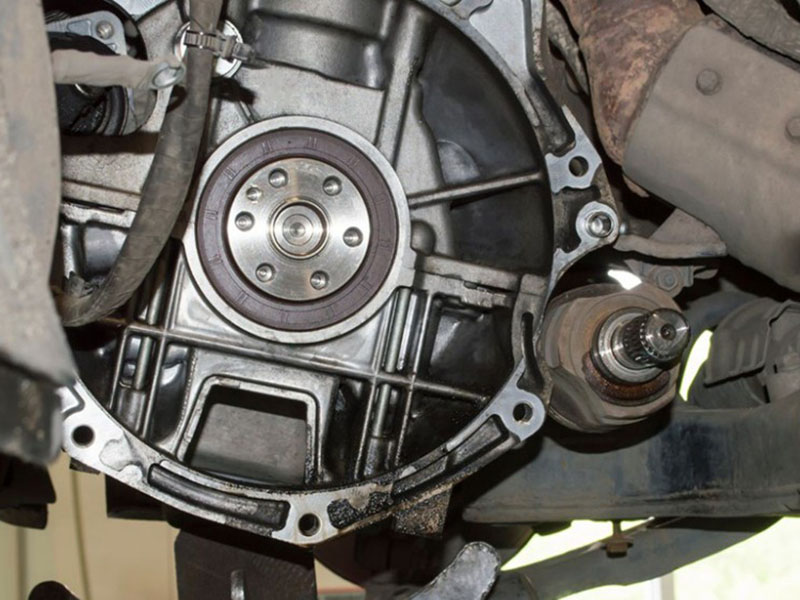
Oil seals are common near crankshafts, camshafts, transmissions, differentials, wheel hubs, pumps, motors, and bearing housings. Their design looks simple, but the wrong size, material, or installation method can quickly lead to leakage.
Basic Function Of An Oil Seal
The main function of an oil seal is sealing around a shaft. One side of the seal faces lubricant, while the other side may face air, dust, water, or road contamination. The sealing lip maintains contact with the shaft surface and forms a controlled sealing line.
- Retain lubricant: helps keep oil or grease around bearings, gears, and moving parts.
- Block contamination: reduces entry of dust, water, mud, and abrasive particles.
- Protect components: supports bearing and gear life by maintaining lubrication and cleanliness.
- Control leakage: reduces visible oil loss and related maintenance problems.
Main Structure Of An Oil Seal
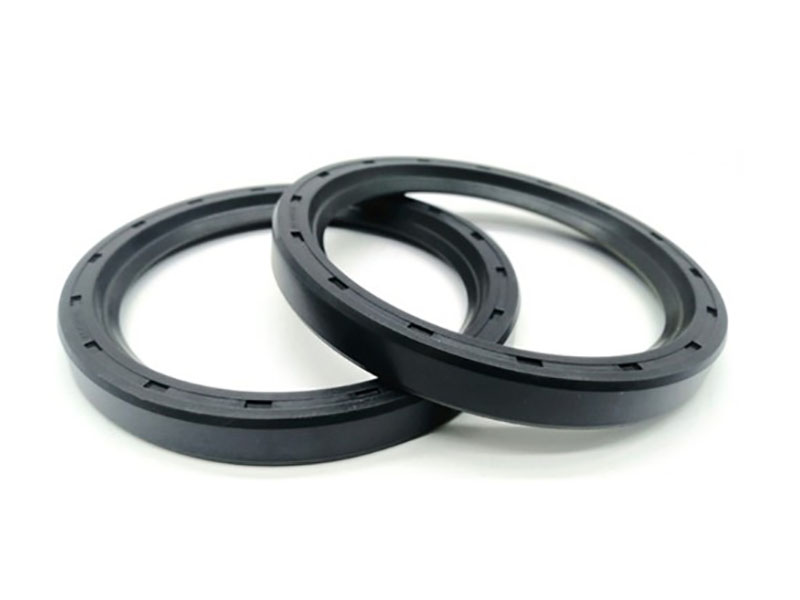
A common radial oil seal includes a sealing lip, rubber body, metal case or skeleton, and sometimes a garter spring. Some designs also include a dust lip to improve contamination exclusion.
| Part | Purpose |
|---|---|
| Sealing lip | Contacts the shaft and controls lubricant leakage |
| Dust lip | Helps block external dust or water where the design includes it |
| Metal case or skeleton | Supports shape and helps the seal fit the housing bore |
| Rubber or elastomer body | Provides flexibility and sealing contact |
| Garter spring | Helps maintain radial lip force on the shaft in many designs |
Common Types Of Oil Seals
Oil seal classifications overlap, and supplier terminology is not universal. A seal may be classified at the same time by the medium it retains, the motion it handles, its lip and spring design, outside diameter construction, material, pressure capability, or hydrodynamic lip features.
- Medium and environment: oil retention, grease retention, or contaminant exclusion.
- Motion: most automotive oil seals are radial seals for rotating shafts; seals for rotating housings or reciprocating motion require designs made for those conditions.
- Lip and spring design: single lip, auxiliary dust lip, spring-loaded lip, or a profile engineered without a garter spring.
- Case structure: exposed metal case, rubber-covered case, or embedded metal reinforcement.
- Material and operating condition: selected for the lubricant, temperature, shaft speed, pressure, and chemical exposure.
Common descriptive oil seal types include:
- Single-lip oil seal: used mainly for lubricant retention in cleaner environments.
- Double-lip oil seal: adds a secondary dust lip for better contamination exclusion.
- Rubber-covered oil seal: helps sealing in housings where bore surface quality needs compensation.
- Metal-cased oil seal: offers rigid outside diameter support in suitable housings.
- Skeleton oil seal: uses an internal metal reinforcement to support the elastomer shape.
How An Oil Seal Works
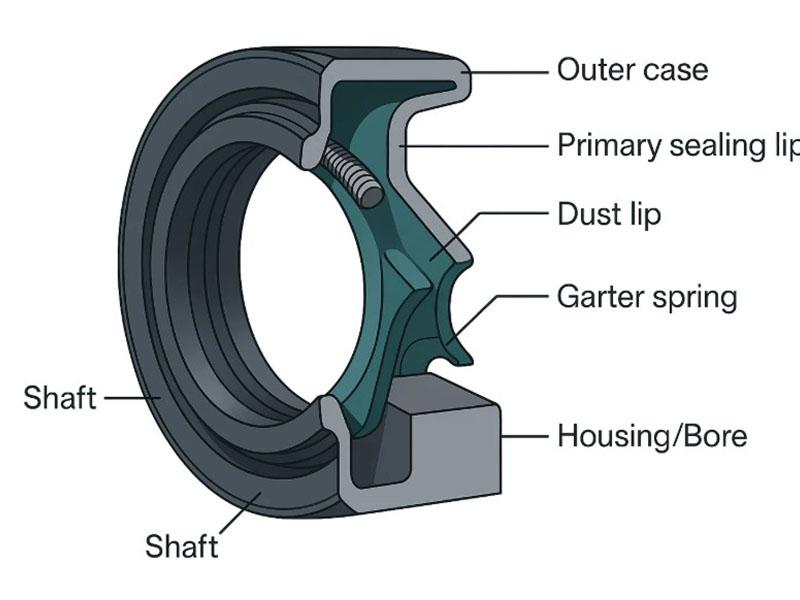
An oil seal works by creating controlled contact between the sealing lip and the shaft. The lip pressure, shaft surface finish, lubricant condition, and seal material all affect performance. Too little contact may leak. Too much contact can create heat and wear.
Many leakage problems are caused by installation or surrounding parts rather than the seal alone. Shaft scratches, poor bore condition, wrong orientation, contamination, excessive runout, high temperature, or blocked ventilation can all damage sealing performance.
How To Choose An Oil Seal
Correct oil seal selection starts with dimensions and working conditions. The required inside diameter, outside diameter, and width must match the shaft and housing. Material must suit the lubricant, temperature, speed, and chemical exposure.
- Confirm shaft diameter, housing bore, and seal width.
- Check rotation speed, temperature, lubricant type, and pressure condition.
- Select lip design for oil retention, dust exclusion, or both.
- Match rubber material to heat, oil, fuel, water, and chemical exposure.
- Inspect shaft surface before installation.
Conclusion
An oil seal is a shaft sealing part that retains lubricant and blocks contamination. Its function depends on the correct structure, material, size, shaft surface, and installation method. For automotive parts, confirm the exact application and supplier specification before selecting a replacement oil seal.
FAQs
Q1: Is an oil seal the same as a shaft seal?
A: In many automotive and industrial uses, oil seal often refers to a radial shaft seal. Naming can vary, so selection should be based on dimensions, material, lip design, and working conditions.
Q2: What causes an oil seal to leak?
A: Common causes include shaft wear, incorrect installation, wrong seal size, damaged lip, poor housing fit, heat, pressure, contamination, or incompatible material.
Q3: Can an oil seal be reused?
A: Reuse is usually not recommended after removal because the lip, case, or spring may be damaged. Use the service procedure for the specific assembly.
Q4: Which way should an oil seal face?
A: Orientation depends on what the seal must retain or exclude. In many designs, the main sealing lip faces the lubricant side, but the service manual or seal drawing should confirm it.
Q5: What is the difference between an oil seal and a gasket?
A: An oil seal commonly controls lubricant around a rotating shaft, while a gasket usually seals a stationary joint between two flanges or housings. Their materials, geometry, installation method, and movement capability are different, so they should not be treated as interchangeable parts.
Q6: Is an oil seal the same as an O-ring?
A: No. A radial oil seal normally uses a formed lip to contact a rotating shaft. An O-ring seals through compression in a designed groove and may be used in static or specially engineered dynamic applications. The two products require different housing and surface conditions.
Q7: Can internal pressure make an oil seal leak?
A: Yes. Pressure above the seal’s design capability can distort the lip, increase friction, or force lubricant past the sealing interface. A blocked vent or another system fault can also raise internal pressure. Use a pressure-rated design where required and correct the pressure source.
Q8: Why is shaft surface condition important for an oil seal?
A: The sealing lip runs directly on the shaft surface. Grooves, scratches, rust, burrs, excessive runout, or unsuitable finish can interrupt the sealing line and accelerate wear. Inspect the shaft and use the applicable repair or replacement procedure before fitting a new seal.
Q9: What is the best oil seal material?
A: There is no single best material. The correct elastomer or sealing material depends on lubricant chemistry, temperature, shaft speed, pressure, contamination, and expected service conditions. Use the seal manufacturer’s compatibility data and the application specification rather than selecting by color or appearance.