Quick Answer: A failing idler pulley usually makes a high‑pitched squeal or chirping noise from the engine bay. The noise may change with engine speed. To confirm, remove the serpentine belt and spin the pulley by hand. If it feels rough, wobbles, or spins too freely (more than 1‑2 rotations), replace it. Driving with a bad pulley risks belt failure and engine overheating.
A high-pitched squeal or chirping from the engine bay often points to a noisy idler pulley. Many drivers ignore the sound until the belt breaks or the engine overheats. This article explains what an idler pulley does, the symptoms and causes of a noisy idler pulley, how to diagnose it accurately, and when replacement becomes necessary. One common question is: Is a noisy idler pulley dangerous? The answer is covered in the safety section below.
What Is an Idler Pulley?
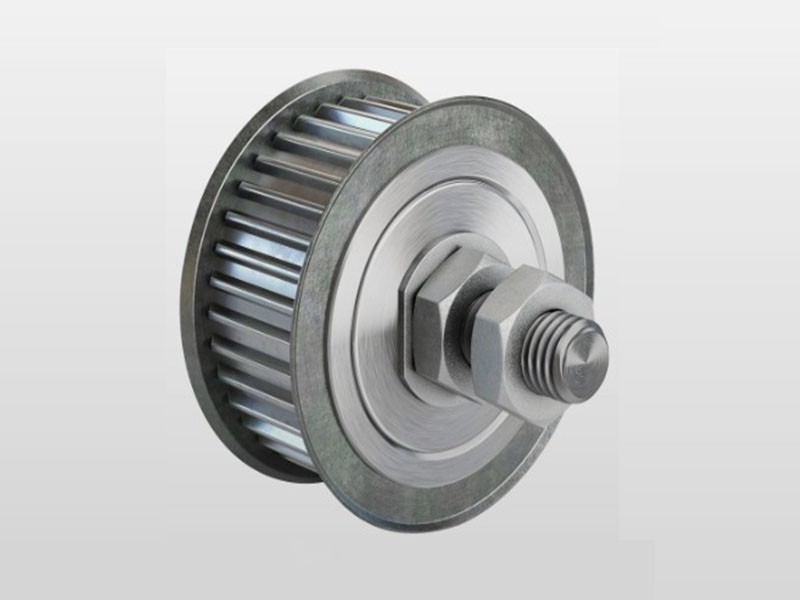
An idler pulley is a non‑driven wheel mounted on a fixed bracket in the engine’s accessory belt drive system. Unlike a tensioner pulley, it does not power any component. Its main tasks are to guide the serpentine belt along a precise path and to increase belt wrap around accessories such as the alternator, air conditioning compressor, power steering pump, and sometimes the water pump. By maintaining proper belt routing and reducing vibration, the idler pulley contributes to the reliable operation of all belt‑driven devices.
Common Symptoms of a Noisy Idler Pulley
When an idler pulley begins to fail, it typically produces one or more of the following signs:
- Unusual belt noise – Continuous squealing, chirping, or a rubbing sound that may worsen during idle or acceleration. Some failures generate a clicking or rattling noise.
- Vibration in the cabin or steering wheel – If the pulley rotates unevenly due to bearing wear, vibrations can travel through the belt and become noticeable on the steering wheel or vehicle body.
- Visible belt damage – The serpentine belt may show frayed edges, cracks on the ribs, or abnormal polished grooves caused by a rough or misaligned pulley surface.
- Accessory performance issues – A slipping belt from a seized or wobbly idler pulley can trigger the battery warning light, heavy power steering, weak air conditioning, or even engine overheating if the water pump loses drive.
- Bearing failure noise – A low‑pitched rumble or growl, often accompanied by noticeable lateral play when the engine is off, indicates the internal bearing has deteriorated.
- Pulley lock‑up – When the bearing seizes completely, the stationary pulley rubs against the moving belt, producing intense squealing and quickly burning the belt.
What Causes an Idler Pulley to Become Noisy?
Several mechanical factors contribute to idler pulley noise. Understanding the root cause helps prevent repeat failures.
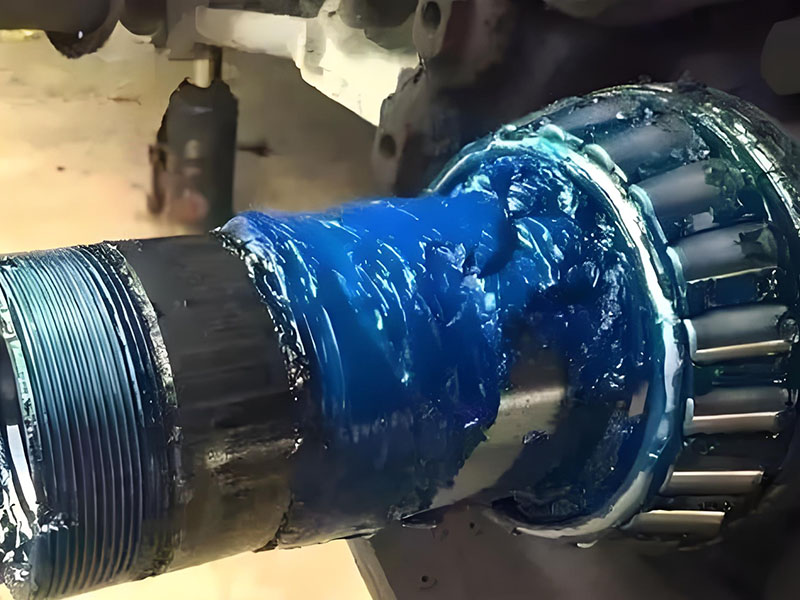
- Worn bearing (most frequent cause) – The internal ball bearing loses grease over time due to high engine heat, contamination, or simply age. Once the grease dries out, metal‑to‑metal contact creates friction and noise. This is the primary reason for a noisy idler pulley.
- Belt misalignment – If the idler pulley is not perfectly aligned with the crankshaft pulley or other accessory pulleys, the belt experiences uneven lateral stress. This misalignment produces a chirping or squeaking sound, especially at idle.
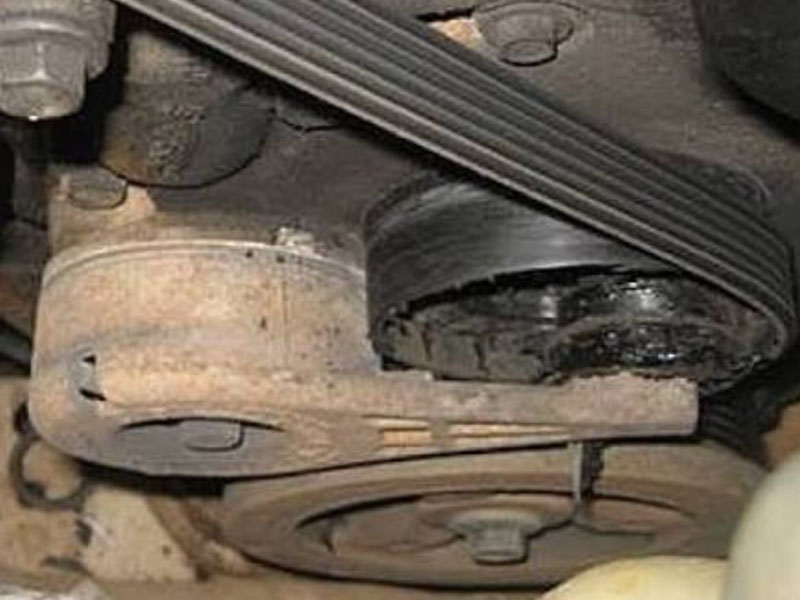
- Contaminated or aged pulley surface – Dirt, oil, coolant, or power steering fluid dripping onto the pulley can degrade its surface. On plastic/composite pulleys, age‑related cracking or melting from nearby heat sources can also generate noise.
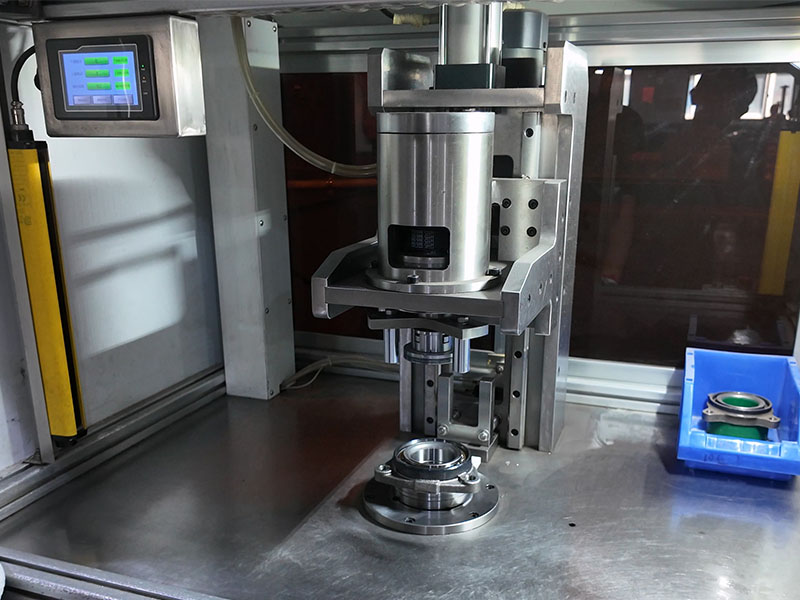
- Manufacturing defects or physical damage – Cracks, chips, or excessive runout (wobble) from poor initial manufacturing or improper installation (e.g., overtightened mounting bolt) may cause premature bearing failure.
How to Diagnose a Noisy Idler Pulley
A methodical diagnostic process saves time and avoids unnecessary part replacements.
- Isolate the noise source – With the engine idling, use a mechanic’s stethoscope or a long screwdriver (handle to ear, tip against the pulley’s center bolt) to listen for grinding or squealing. Alternatively, remove the serpentine belt and start the engine for 10–15 seconds. If the noise disappears, the issue lies within the belt drive system – often a noisy idler pulley or tensioner.
- Remove the belt and inspect each pulley – Once the belt is off, spin each idler and tensioner pulley by hand. This step is the most reliable way to detect bearing problems.
- Check for radial and axial play – Grip the outer edge of the pulley and try to wiggle it. Any perceptible movement (side‑to‑side or up‑and‑down) indicates bearing wear.
- Test free spin (coast down) – Give the pulley a firm spin with your fingers. A healthy pulley stops almost immediately due to internal grease resistance. If it spins freely for more than one or two rotations, the grease has dried out and the bearing is failing.
- Inspect the pulley surface – Look for grooves, pitting, chips, or discoloration (blue/brown from overheating). Damaged surfaces will damage a new belt.
- Feel for roughness – Rotate the pulley slowly while feeling for a grinding or gritty sensation. Any roughness confirms bearing damage.
- Verify alignment – Use a straightedge or simply observe the belt’s tracking on the pulley. If the belt rides beyond the edge of the pulley or shows uneven wear, misalignment exists. Check the idler pulley mounting bracket for damage.
Safety and Driving Considerations
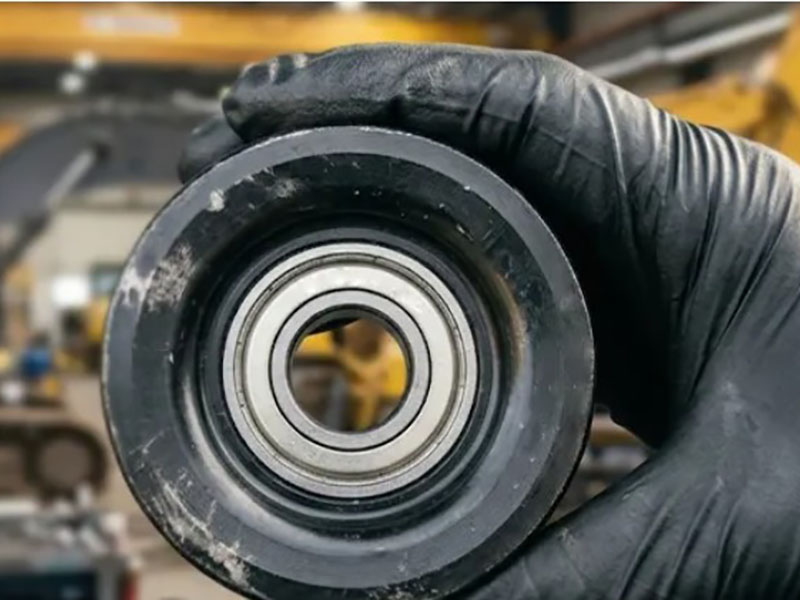
Is it safe to drive with a noisy idler pulley? No, continued driving is not recommended. While the pulley may not fail immediately, the risks increase with every mile.
Potential consequences of a failed idler pulley include:
- Belt detachment – A seized or wobbling pulley can throw the serpentine belt off the system. This causes simultaneous loss of power steering, alternator charging (battery dies), and water pump function.
- Engine overheating – If the water pump stops turning due to belt slip or detachment, engine temperature rises rapidly. Overheating can warp cylinder heads or blow head gaskets within minutes.
- Secondary mechanical damage – A pulley that seizes completely may fracture and send debris into the belt path. This can damage the timing cover, radiator fan, nearby hoses, or even the crankshaft pulley.
If the noise is minor and the belt still tracks correctly, you may drive cautiously to a nearby repair shop. However, avoid long trips or heavy engine loads.
Prevention and Routine Maintenance
Regular inspection and proactive replacement extend the life of idler pulleys and the entire belt system.
- Periodic visual checks – Inspect the serpentine belt and idler pulley every oil change or 10,000 miles (16,000 km). Look for belt cracks, fraying, glazing, and pulley rust, grease leakage, or uneven wear.
- Keep the engine clean – Prevent oil, coolant, or power steering fluid from dripping onto the belt and pulleys. Contaminants accelerate rubber degradation and bearing failure.
- Replace as a set – When replacing the serpentine belt (or timing belt on engines where the idler runs on the timing belt), replace all idler and tensioner pulleys at the same time. This avoids mismatched wear and reduces future labor costs.
- Choose quality parts – Avoid unbranded or very low‑cost pulleys. A properly manufactured pulley with a high‑grade bearing and precise machining offers better resistance to heat and longer service life.
Estimated Replacement Cost
Replacement costs vary by vehicle make, model, and local labor rates. The typical range in the U.S. market is:
- Total cost: $160 – $270 (parts + labor)
- Parts only: $20 – $100 (some basic pulleys as low as $40)
- Labor: $140 – $170 (typically 1.0 – 1.5 hours)
Note that some vehicles require removal of additional components (e.g., engine mount, cooling fan, or alternator) for access, which may increase labor time. Always request a firm estimate before approving repairs.
Conclusion
A noisy idler pulley should never be ignored. The sound almost always indicates a worn bearing, misalignment, or contamination. Timely diagnosis using the belt‑removal and spin‑test method can prevent belt failure, engine overheating, and costly secondary damage. Replacing the pulley together with the serpentine belt is the most reliable approach. Regular visual inspections every oil change help catch problems early. By understanding the symptoms and causes outlined above, vehicle owners can make informed repair decisions and maintain the integrity of the accessory belt drive system.
Frequently Asked Questions (FAQ)
Q: What is the difference between idler pulley noise and tensioner pulley noise?
A: An idler pulley is rigidly mounted and produces a continuous squeal or chirp when its bearing fails. A tensioner pulley is mounted on a spring‑loaded arm; its failure often causes intermittent rattling or a rhythmic clicking sound, and you may see the tensioner arm bouncing during engine operation.
Q: Can I drive with a bad idler pulley?
A: Not recommended. A failed idler pulley can cause belt detachment, leading to loss of power steering, alternator output, and water pump function. Overheating or a dead battery on the road are real risks.
Q: Should I replace the serpentine belt at the same time as the idler pulley?
A: Yes. A worn or glazed belt can accelerate wear on a new pulley. Conversely, a failing pulley often damages the belt. Replacing both together ensures reliable operation and saves labor if done at the same time.
Q: How do I tell which idler pulley is making noise?
A: Remove the belt, then spin each pulley by hand. A failing pulley will spin too freely (more than 1‑2 rotations), feel rough when turned slowly, or have visible wobble. Use a stethoscope or screwdriver with the engine running to confirm before disassembly.
Q: How long does an idler pulley typically last?
A: There is no fixed mileage, but most idler pulleys last between 60,000 and 100,000 miles (approx. 100,000 – 160,000 km). Many manufacturers recommend replacing them together with the serpentine belt or timing belt.
Q: Where can I buy a replacement idler pulley?
A: Auto parts retailers such as AutoZone, CARiD, 1A Auto, and RockAuto carry idler pulleys for most vehicle models. Always verify fitment by year, make, engine size, and optionally the OE part number.
Q: Why is my idler pulley still noisy after replacement?
A: Possible causes include a misaligned belt, a faulty tensioner that is not providing correct belt tension, or a low‑quality replacement pulley with inferior bearings. Double‑check belt routing and alignment. Also ensure the mounting bracket is not bent.
Q: How many idler pulleys does a car have?
A: Most vehicles have one idler pulley in the serpentine belt system, but some engines (especially with multiple accessories or a longer belt path) may have two or more. Check your vehicle’s belt diagram under the hood or in the service manual.
Q: Can I use a tensioner pulley as an idler pulley?
A: Generally no. Even if the diameter matches, the construction differs. Tensioner pulleys are designed for dynamic spring loading, not fixed mounting, and their bearings may not withstand the same radial load pattern. Always use the correct part specified for your vehicle.
Q: How do I know for sure my idler pulley needs replacement?
A: Listen for persistent squealing or chirping. With the engine off and belt removed, spin the pulley – roughness, excessive free spin, or side‑to‑side play confirms bearing failure. Any visible wobble or cracked pulley body also warrants immediate replacement.