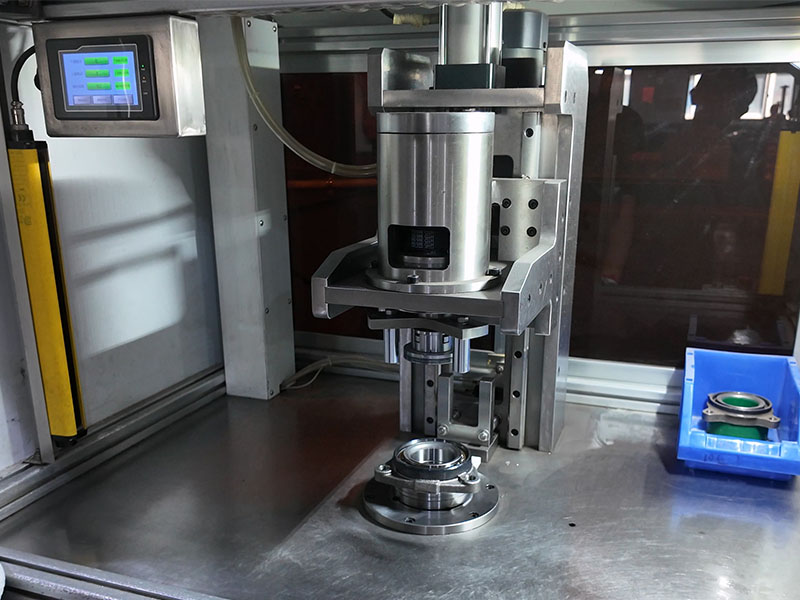
You’re washing your car and notice it: one of your wheel centre caps is missing. A small, seemingly insignificant piece of plastic. You might wonder, “Do I really need to replace that? Can I just drive without it?” It’s a common question, and the answer isn’t just about looks. In this article, DUHUI will explore the critical role of wheel centre caps, the real consequences of driving without them, and how to maintain them. As a professional manufacturer of automotive precision components like wheel hub bearings, we understand the vital importance of protecting these systems from the elements.
The Critical Protective Functions of Wheel Centre Caps
At first glance, a wheel centre cap appears to be purely cosmetic. However, its primary job is far more practical. It serves as a robust protective barrier against a host of threats:
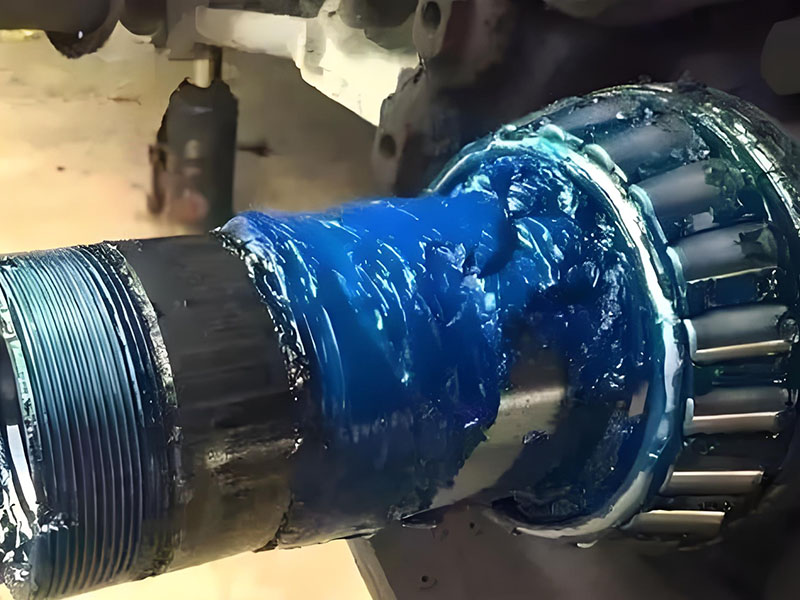
- Shielding Against Contaminants: Dust, road grime, water, and, most importantly, corrosive road salt (used in winter) are constantly trying to invade the most sensitive part of your wheel assembly. The centre cap protects the axle hub, the wheel nuts, and the end of your wheel hub bearing.
- Preserving Precision Components: From a manufacturer’s perspective, we know that contaminants are a leading cause of premature bearing failure. A missing centre cap allows moisture and abrasive particles to bypass the bearing’s delicate seals, contaminating the grease and leading to noise, vibration, and eventual failure. That small plastic cap is a crucial first line of defense for these high-precision, safety-critical components.
What Happens When a Wheel Centre Cap is Lost?
If you lose a centre cap, the consequences aren’t always immediate, but they are inevitable. Here’s what you can expect:
1.Mechanical Exposure and Accelerated Aging: The first thing you’ll notice is the exposed axle nut and hub surface. Without its protective cover, this area becomes vulnerable to rust. What starts as surface oxidation can quickly escalate, making the hub difficult to remove for future brake or bearing service.
2.The Hidden Threat to Your Wheel Bearings: This is where the real damage occurs. A missing centre cap creates an open pathway for moisture and debris to reach the wheel bearing’s seal. Over time, this can lead to:
- Seal Failure: Grit and salt can cut or degrade the rubber seal.
- Grease Contamination: Water and dirt mix with the high-quality grease inside the bearing, reducing its lubricating properties.
- Premature Bearing Wear: The result is a noisy, failing wheel bearing—a costly repair that could have been prevented by a simple, inexpensive cap.
3.A Potential Road Hazard: A loose or poorly secured centre cap can detach while driving, becoming a projectile that could damage another vehicle or cause a safety hazard for drivers behind you.
Is It Safe to Drive Without a Centre Cap?
Short-Term Impact: Technically, yes. Your car will not immediately lose steering, braking, or handling capabilities. This is why many people ignore a missing cap.
Long-Term Impact on Costs: The real cost is in accelerated degradation. Driving without a centre cap for an extended period significantly increases the risk of premature rust on the hub and, more critically, the failure of your wheel hub bearings. Replacing a wheel bearing is a complex, labor-intensive job that costs far more than a set of centre caps. In this sense, that small missing part is a ticking time bomb for your wallet.
How to Monitor and Prevent Centre Cap Loss
Being proactive is the best way to avoid these issues. Regularly inspect your centre caps for:
- Visual Inspection: Look for any gaps between the cap and the wheel, signs of cracking, fading, or warping. Any of these indicate it’s time for a replacement.
- Auditory & Tactile Cues: Listen for a clicking or rattling sound coming from a wheel, especially at low speeds. This can be a sign that a centre cap is loose.
- Retention Mechanism: The plastic clips that hold the cap in place can become brittle and break over time. If you notice a cap is easily wiggled by hand, its retention mechanism is failing.
To prevent loss, avoid using a pressure washer directly on the centre caps, as the high-pressure water can force its way behind the cap and loosen it. Also, perform a quick check after tire rotations or winter driving.
How to Replace a Wheel Centre Cap: A Step-by-Step Guide
If you need to replace a cap, follow this simple guide for a secure fit.
Preparation
- Confirm Specifications: Centre caps are not universal. Measure the diameter of the existing cap or the wheel’s center bore. Note the type of retention system (usually clip-in).
- Choose Quality Material: Opt for a cap made from durable ABS plastic. This material offers excellent resistance to UV rays and temperature changes, ensuring a long life.
Replacement Steps
- Remove the Old Cap: If the cap is already missing, you’re ahead of the game. If a damaged cap is still in place, you can carefully pry it out using a flathead screwdriver (protect the wheel surface with a cloth) or remove the wheel to push it out from behind.
- Clean the Surface: This step is critical. Before installing the new cap, thoroughly clean the hub and the inner surface of the wheel. Remove all rust, dirt, and old grease. This ensures a proper fit and prevents that existing grime from continuing to attack your wheel hub bearing.
- Install the New Cap: Align the cap with the center bore. Press it firmly and evenly with the palm of your hand until all the retaining clips snap securely into place. You should hear a click.
Final Check: After installation, give the cap a gentle tug to ensure it’s firmly seated. Check for any interference or rubbing against the wheel.
Conclusion
So, are wheel centre caps necessary? Absolutely. While they may seem like a minor detail, they are a vital, low-cost safeguard for your vehicle’s more expensive and safety-critical components. They protect your wheel hub bearings from the elements, maintain your wheels’ appearance, and prevent potential hazards. Regularly inspecting and promptly replacing a missing or damaged centre cap is a simple yet highly effective investment in your vehicle’s longevity and your peace of mind.