Quick answer: Key signs of a bad wheel hub bearing include humming or growling noise that changes with speed, vibration felt in the steering wheel or floorboard, clunking on turns, uneven tire wear, vehicle pulling to one side, or an ABS warning light. To confirm, lift the wheel and check for play (12 and 6 o’clock) or roughness when spinning. Ignoring these symptoms can lead to wheel detachment or expensive damage to the axle and knuckle.
Your vehicle’s wheel hub bearing is a small but vital component that supports the entire weight of the car while allowing the wheels to spin with minimal friction. When it begins to fail, it doesn’t just compromise ride comfort—it becomes a safety concern. The key symptoms of wheel hub bearing damage often start subtly, but recognizing them early can prevent costly repairs and dangerous failures. So, what should you listen and feel for? DUHUI will tell you the most common warning signs to help you decide when to take action.
Common Signs of a Failing Wheel Hub Bearing
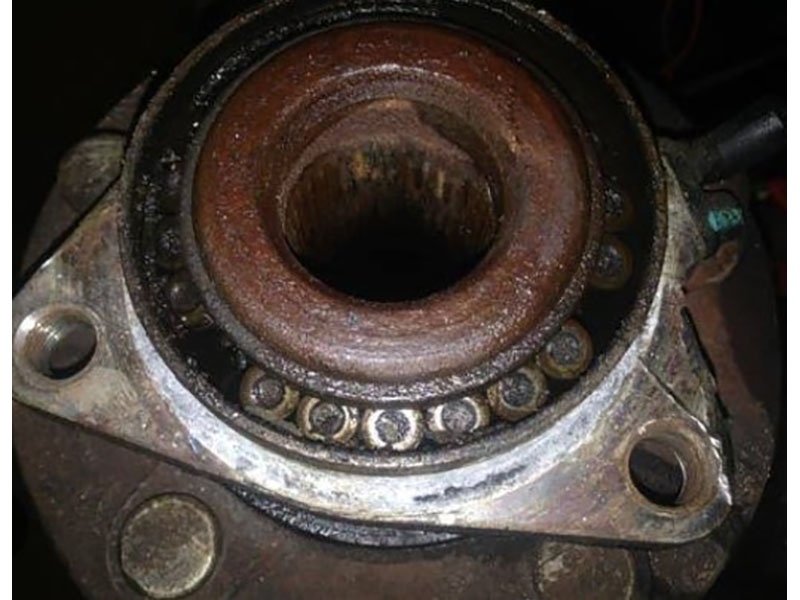
A worn wheel hub bearing rarely stays silent for long. From acoustic clues to changes in vehicle handling, here are the symptoms to watch for.
Unusual Noises: Humming, Rumbling, or Growling
One of the most distinctive key symptoms of wheel hub bearing damage is a rhythmic noise that changes with vehicle speed. A humming, rumbling, or growling sound—often mistaken for tire noise—typically increases in pitch and volume as you accelerate. If you hear this, try gently swerving left and right; if the noise gets louder when you load one side, that side’s bearing is likely the culprit.
Clunking or Knocking on Turns or Bumps
When a wheel hub bearing has excessive internal wear or looseness, you may hear a clunking or knocking sound, especially when driving over uneven surfaces or making sharp turns. This indicates advanced bearing degradation and should be addressed immediately.
Vibration in the Steering Wheel or Floorboard
Excessive play caused by a damaged bearing can transmit vibration through the chassis. For front bearings, you’ll often feel it in the steering wheel; for rear bearings, the vibration may be felt in the seat or floor. This symptom frequently accompanies the humming noise and is another of the key symptoms of wheel hub bearing damage that should not be ignored.
Uneven or Premature Tire Wear
A failing bearing alters wheel alignment dynamics, leading to uneven tire wear such as cupping or scalloping. If you notice one tire wearing significantly faster or in an unusual pattern, a worn hub bearing could be the root cause.
Vehicle Pulling to One Side (Especially When Braking)
While often blamed on alignment, a faulty wheel hub bearing can also cause the vehicle to pull to one side, particularly during braking. The excessive movement allows the wheel to tilt slightly, affecting brake caliper positioning and creating a pulling sensation.
ABS Warning Light Activation
Many modern wheel hub bearings integrate the ABS wheel speed sensor. As the bearing wears, the additional movement can disrupt the sensor signal, triggering the ABS warning light on your dashboard. If your ABS light comes on without other braking issues, a failing hub bearing is a strong possibility.
How to Confirm the Key Symptoms of Wheel Hub Bearing Damage
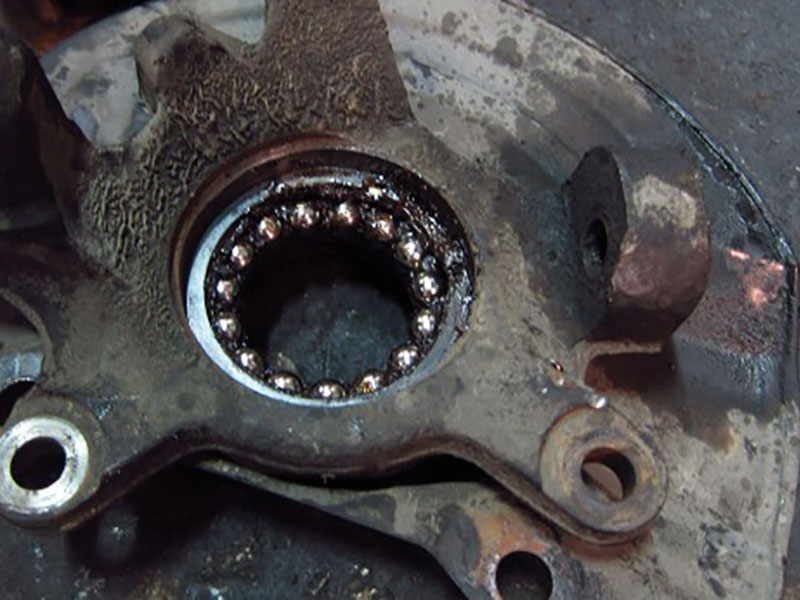
Once you’ve identified potential warning signs, proper diagnosis helps confirm the issue before replacing parts.
- Road Test: Drive in a safe area and listen for noise changes with speed and steering input. Swerving left and right helps isolate which side is affected.
- Lift and Wheel Check: Safely raise the vehicle, support it with jack stands, and spin each wheel by hand. Listen for grinding or roughness. Then grab the wheel at 12 and 6 o’clock and try to rock it; any noticeable play indicates a worn bearing.
- Professional Tools: Mechanics use electronic chassis ears and oscilloscopes to pinpoint bearing noise and analyze ABS sensor signals, providing a definitive diagnosis.
Why Timely Replacement Matters
Delaying repair after observing the key symptoms of wheel hub bearing damage can lead to more than just discomfort. A severely worn bearing may cause:
- Safety risks: In extreme cases, the bearing can seize or cause wheel detachment.
- Expensive secondary damage: A loose wheel can damage the CV axle, steering knuckle, and brake components.
- Reduced control: Vibration and pulling affect steering and braking performance.
Professional Replacement Recommended
Replacing a wheel hub bearing often requires specialized tools such as a hydraulic press (for press-in designs) and high-torque equipment. For safety and durability, choosing a high-quality replacement is essential. DUHUI Bearing manufactures precision hub units that meet or exceed OEM standards, ensuring reliable performance for both professional workshops and vehicle owners.
What to Expect After Replacement
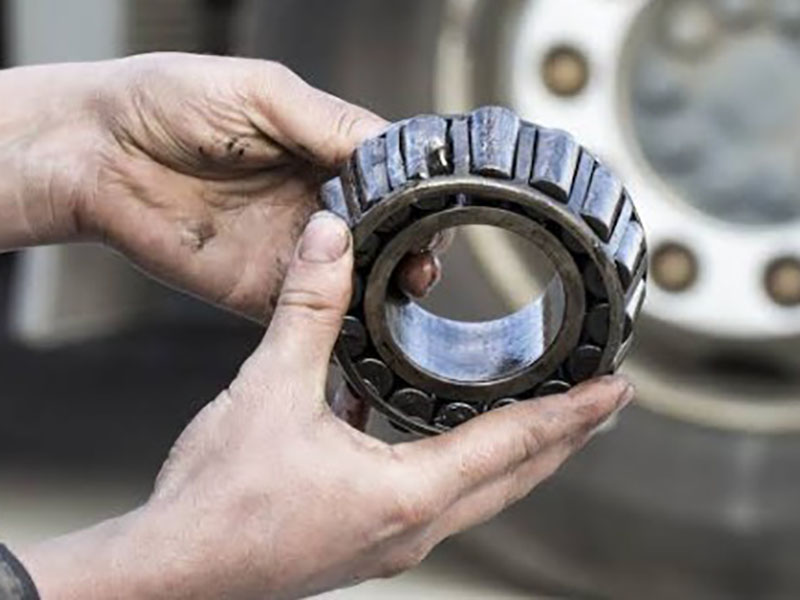
Once a damaged bearing is correctly replaced, the symptoms should disappear. The humming noise will cease, vibrations will stop, and the vehicle will track straight without pulling. If the ABS light was triggered by the bearing, it will also turn off after a proper repair.
Conclusion
Recognizing the key symptoms of wheel hub bearing damage—unusual noises, vibrations, uneven tire wear, pulling, or ABS warnings—is your first step toward maintaining safe vehicle operation. Ignoring these signs can turn a simple repair into a complex and costly one. Of course, when replacement becomes necessary, the reliability of the new part matters as much as the repair itself.