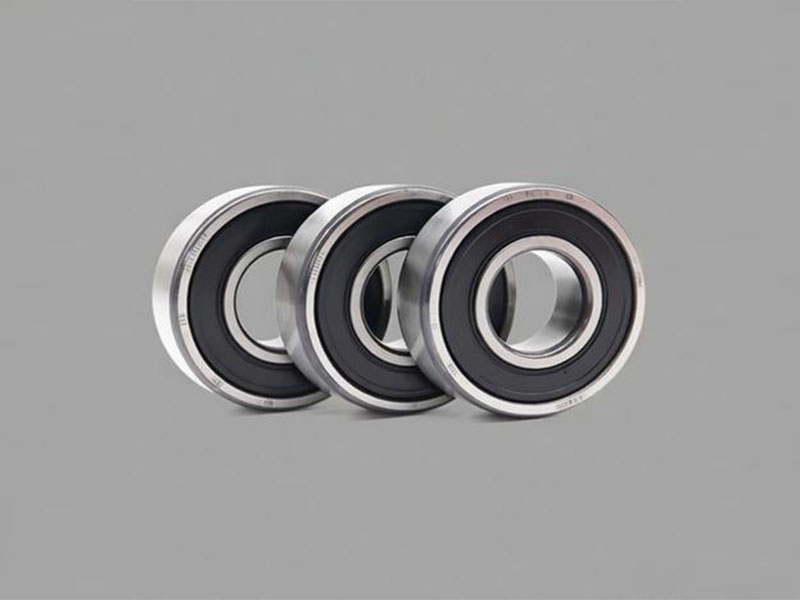
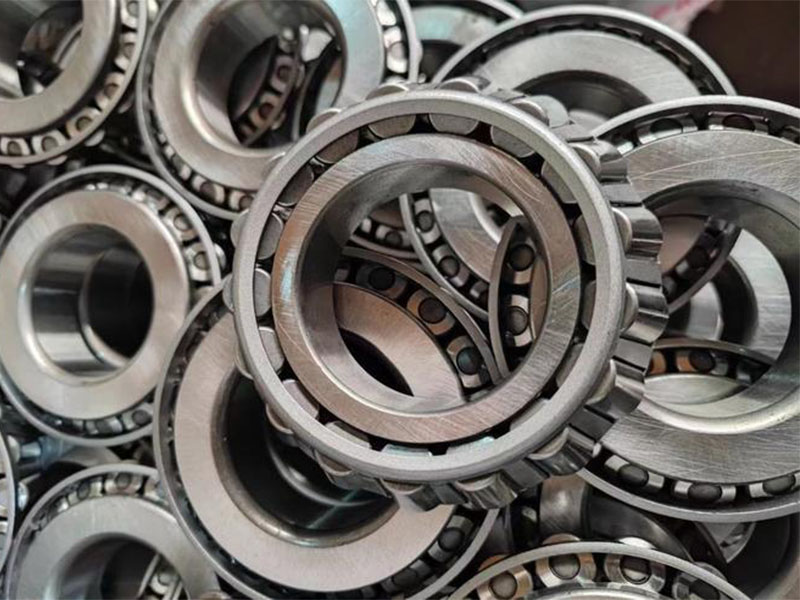
Knowing how to remove a bearing correctly is a fundamental maintenance skill. Whether you are servicing industrial machinery, automotive components, or agricultural equipment, the process requires more than just brute force. The goal is to extract the old bearing safely without damaging the critical surfaces of the shaft or housing. Using the wrong technique can lead to costly downtime and component replacement. DUHUI will provide a professional, step-by-step overview of the safest and most effective bearing removal methods.
Pre-Removal Preparations
Before applying any tool, proper preparation ensures efficiency and safety.
- Identify the Bearing Type and Fit: First, determine if you are working with a ball bearing, a roller bearing, or a tapered bore bearing. Understanding how the bearing is mounted—whether it’s a press fit on the shaft or a slip fit—is crucial. This assessment dictates which removal technique you will use.
- Clean and Lubricate the Area: Clean the surrounding area to prevent contaminants from entering the machine during removal. Apply a high-quality penetrating oil to the bearing’s inner ring and the shaft interface. Allow it to soak in; this helps to loosen rust and corrosion, making the removal process significantly easier.
- Prepare Necessary Safety Gear: Safety is paramount. Always wear safety glasses to protect your eyes from metal fragments and heavy-duty work gloves to guard against sharp edges and hot surfaces. If working on powered equipment, ensure it is properly locked out and tagged out.
Proven Methods for Bearing Removal
There are several reliable methods for removing a bearing. The best choice depends on the bearing’s size, fit, and condition.
Using Mechanical Pullers (The Preferred Method)
A mechanical puller, also known as a拉马, is the most common and recommended tool for how to remove a bearing without causing damage.
- Advantages: Pullers apply steady, even force, which minimizes the risk of deforming the shaft or the bearing housing. They are suitable for a wide range of bearing sizes and types.
- Types and Proper Use: Pullers are available in mechanical (screw-type) and hydraulic versions. For hydraulic pullers, the force is generated by a hydraulic ram, allowing for controlled removal of extremely tight bearings. Critical Tip: Always ensure the puller’s jaws are securely hooked onto the inner ring of the bearing. Pulling on the outer ring transmits force through the rolling elements, which can damage the bearing and make removal harder.
Hydraulic Method for Tight Fits
For large bearings found in heavy machinery or those with an interference fit, the hydraulic method is a highly effective solution.
- How It Works: This technique involves injecting high-pressure oil between the bearing’s inner ring and the shaft. The oil film expands the inner ring slightly and lubricates the contact surface, allowing the bearing to be removed with minimal force.
- Key Advantages: It offers high precision, immense force, and excellent control, making it the professional’s choice for challenging applications.
Thermal Method (Induction Heating)
Using heat is another effective method, particularly for removing inner rings from shafts.
- The Principle: An induction heater rapidly heats the bearing’s inner ring. The ring expands due to thermal expansion, breaking the tight fit and allowing it to be slid off the shaft easily.
- Critical Risks and Warnings: This method requires careful temperature control. Overheating can cause the bearing steel to anneal (soften), permanently ruining its hardness and integrity. There are also risks of burns and fire. Never use an open flame (like a torch) to remove a bearing. Direct flame causes uneven heating, almost always leads to material damage, and poses severe safety hazards.
Destructive Removal (The Last Resort)
Sometimes, a bearing is so severely damaged or seized that non-destructive methods fail.
- When to Use: This approach is only for bearings that are already scrap and will not be reused or analyzed for failure.
- Significant Risks: Be aware that this method carries a high risk of damaging the shaft journal. Metal fragments can also fly off, creating a safety hazard.
- Safest Approach: If necessary, the safest way is to carefully use an angle grinder to cut a slit in the bearing race, being extremely cautious not to gouge the shaft. Once the cut is almost through, use a cold chisel to crack the race and relieve its grip.
Pro Tips for Stubborn Bearings
- Be Patient with Penetrants: If the bearing is rusted, apply penetrating oil and let it work for several hours or even overnight.
- Always Follow the Manual: Consult the equipment manufacturer’s service manual for specific procedures or torque specifications related to your machine.
- Use the Right Tool for Blind Housings: If the bearing is seated in a blind hole (a housing with no access from the back), you will need a specialized blind bearing puller or a slide hammer attachment.
- Know When to Ask for Help: If a removal is too complex or risky, consulting a professional maintenance technician can prevent a costly mistake.
Post-Removal Inspection and Installation Advice
Once you have successfully removed the bearing, the job isn’t over.
- Inspect the Shaft and Housing: Carefully examine the shaft journal and bearing housing for any signs of scoring, galling, or wear. Minor burrs can be removed with fine emery cloth.
- Clean All Surfaces: Thoroughly clean the shaft and housing bore to remove any rust, debris, or old lubricant. The surfaces must be perfectly clean for the new bearing to function correctly.
- Installing the New Bearing: Proper installation is just as important as removal. Remember to apply force only to the ring that is being press-fit (usually the inner ring when installing onto a shaft). Use a proper bearing installation tool or a press to ensure the new bearing is seated squarely and securely.
Conclusion
Mastering how to remove a bearing is an essential skill for effective equipment maintenance. By choosing the right method—whether a simple mechanical puller or advanced hydraulic techniques—and following proper safety and preparation steps, you can protect your machinery and ensure a successful repair.
Once the old bearing is safely out, the next critical step is selecting a high-quality replacement. At DUHUI Bearing, we understand the precision required for reliable performance. As a professional manufacturer, we produce a wide range of durable automotive wheel hub bearings and other industrial bearings designed to meet rigorous quality standards.