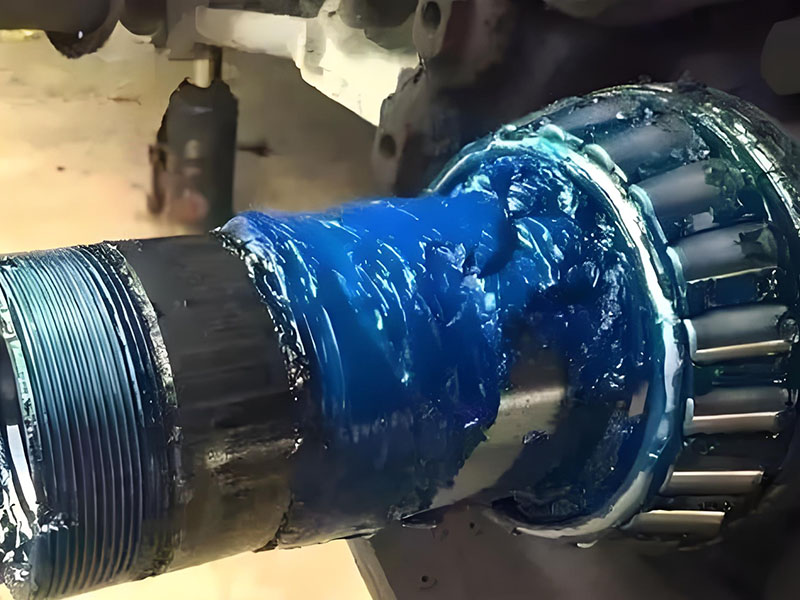
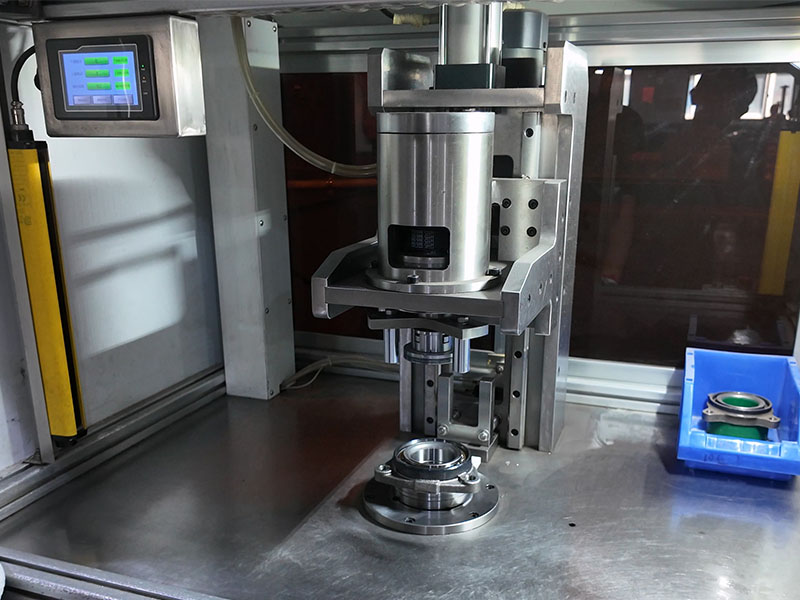
In the world of precision engineering, the choice of materials can make or break a system’s performance. For bearings, valves, and instrumentation, ceramic balls have emerged as a superior alternative to traditional steel, offering unique properties like corrosion resistance, electrical insulation, and the ability to run without lubrication.
DUHUI provides a clear, practical comparison of the five main types of engineering ceramic balls, exploring their core advantages and most common applications.
Alumina Oxide Balls: Perfect for High Heat
Alumina Oxide (Al₂O₃) balls are the most widely used engineering ceramic balls, prized for their excellent balance of performance and affordability.
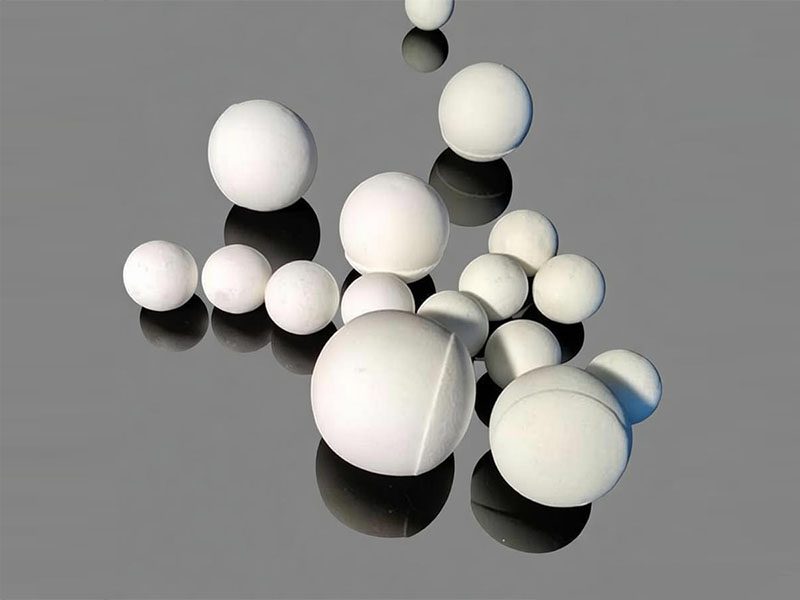
Key Advantages:
- Excellent High-Temperature Resistance: Can withstand continuous operating temperatures up to 1740°C, maintaining structural integrity where steel would fail.
- High Hardness & Wear Resistance: Provides excellent durability in abrasive environments.
- Electrically Insulating: Prevents current passage through bearings, mitigating a common cause of electric motor failure.
Primary Applications:
You’ll find alumina balls in applications where cost-effectiveness is key, but reliability cannot be compromised. Common uses include chemical pumps, down-hole pumps, industrial valves, flowmeters, and general industrial bearings where extreme precision isn’t the primary requirement.
Zirconia Balls: Tough Under Pressure
If your application involves impact, cyclic stress, or requires a material that resists cracking, Zirconia (ZrO₂) is often the best choice. Often called “ceramic steel,” it possesses the highest fracture toughness of any engineering ceramic.
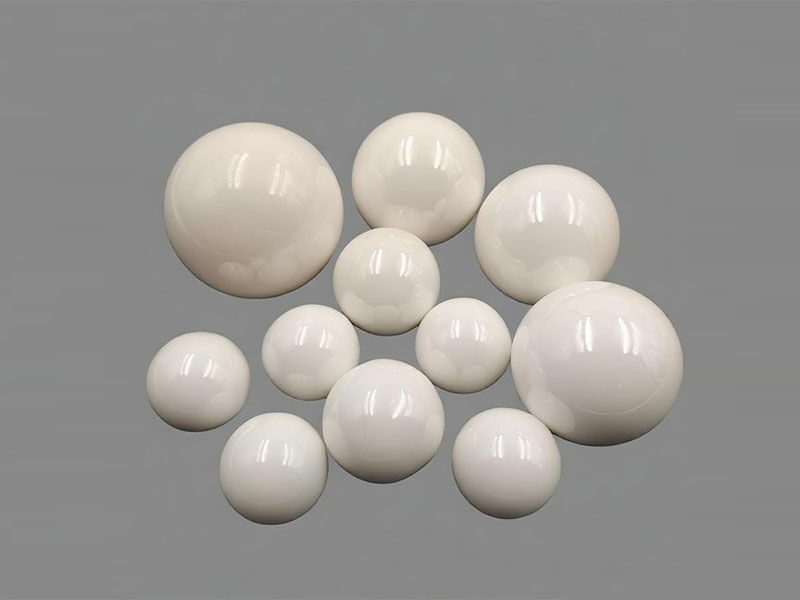
Key Advantages:
- Exceptional Fracture Toughness: Its unique “transformation toughening” mechanism means it actually becomes stronger in the face of mechanical stress.
- High Compressive Strength: Can withstand significant loads without deforming.
- Low Thermal Conductivity: Acts as a thermal barrier, protecting other components.
Primary Applications:
Zirconia balls excel in environments with fluctuating pressures and potential shock loads. They are the preferred choice for check valves in flow control systems, metering pumps, and precision bearings in applications requiring high reliability under pressure.
Ruby Sapphire Balls: Strong and Accurate
For applications demanding the utmost in precision and an immaculate surface finish, synthetic Ruby and Sapphire balls are in a class of their own. These single-crystal corundum balls are second only to diamond in hardness.
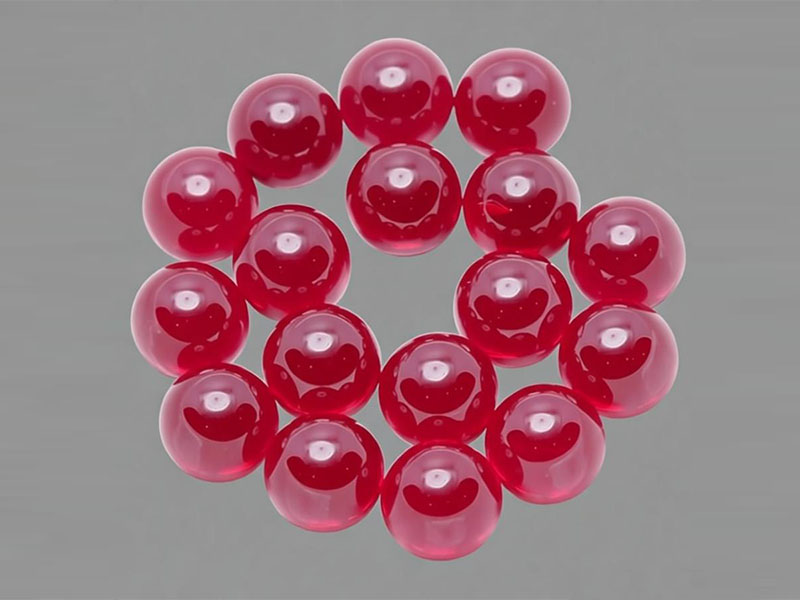
Key Advantages:
- Extreme Hardness: Offers exceptional scratch and wear resistance for long-term precision.
- Superior Thermal Conductivity: Dissipates heat effectively, preventing localized hot spots.
- Chemically Inert: Resists attack from virtually all acids and alkalis, ensuring longevity in harsh chemical environments.
Primary Applications:
These properties make them indispensable for high-end instrumentation. They are commonly used as bearings in precision measuring devices, as probes in surface testers, and as critical wear points in analytical and medical equipment.
Silicon Nitride Balls: A Top Pick for Bearings
When it comes to high-performance hybrid bearings, Silicon Nitride (Si₃N₄) is the undisputed industry standard. It is the material of choice for applications demanding extreme speeds, reliability, and longevity.
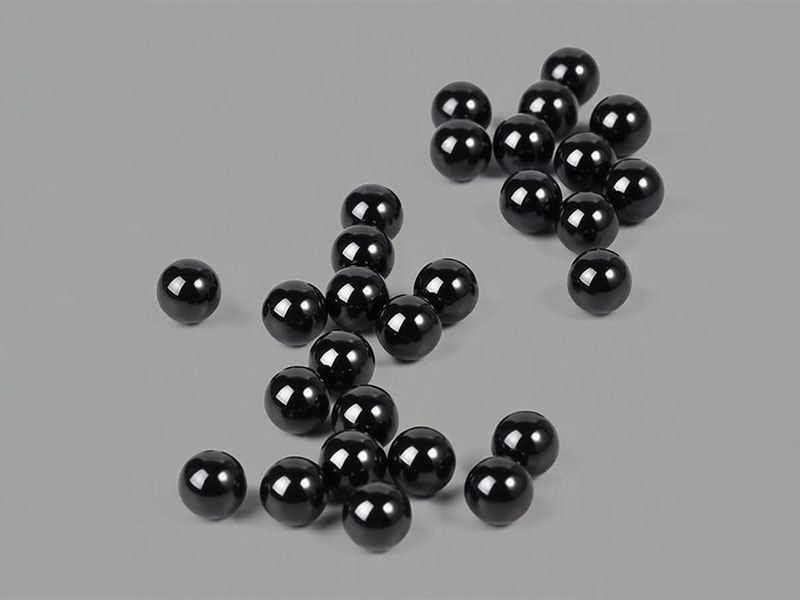
Key Advantages:
Superior High-Temperature Performance: Maintains strength and hardness at elevated temperatures where steel would soften.
Reduced Friction & Self-Lubrication: Its fine micro-structure and unique properties allow it to run with minimal lubrication and even form a protective layer in boundary conditions.
Ideal for High-Speed and Heavy Loads: Its low density (40% of steel) dramatically reduces centrifugal forces and skidding in high-speed rotations.
Long Service Life: High hardness and fracture resistance lead to exceptional rolling contact fatigue life.
Primary Applications:
Silicon nitride is the top pick for high-speed machine tool spindles, electric vehicle motors, wind turbine bearings, and aerospace components where performance and reliability are non-negotiable.
Silicon Carbide Balls: Built to Last
When the operating environment is truly extreme—think high temperatures, corrosive chemicals, and abrasive wear—Silicon Carbide (SiC) stands alone as the most durable option.
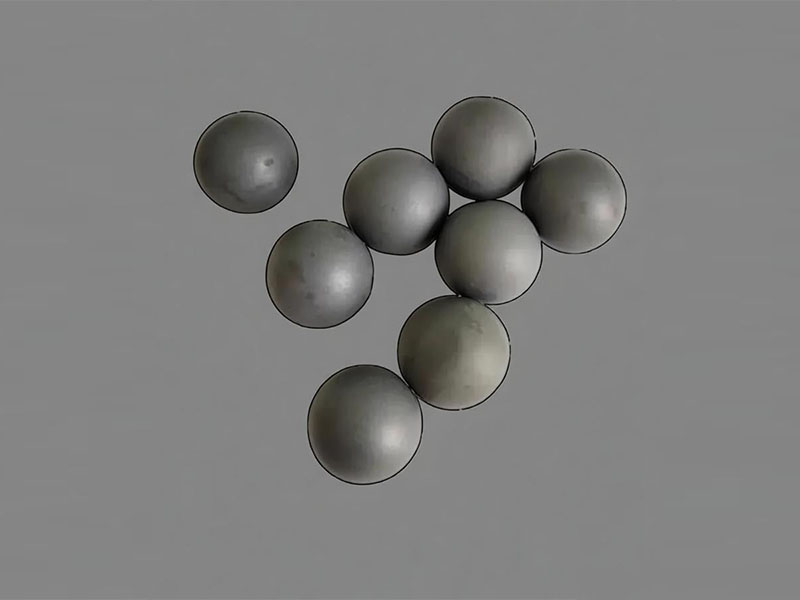
Key Advantages:
- Extreme Hardness: Possesses hardness approaching that of diamond, offering unmatched resistance to wear.
- Excellent Thermal Stability: Maintains its properties at very high temperatures.
- Moderate Density: Offers a good balance of lightness and strength.
- Superior Corrosion Resistance: Resists attack from nearly all acids, alkalis, and solvents.
- High Thermal Conductivity: Rapidly dissipates heat, preventing thermal stress and damage.
Primary Applications:
Silicon carbide balls are built for the most challenging industrial environments. They are commonly found in high-performance mechanical seals, aerospace actuation systems, semiconductor processing equipment, and energy sector components where failure is not an option.
Comparative Overview: Types of Ceramic Balls
To help you make a quick comparison, here is a summary of the key characteristics of each material:
| Type | Material | Key Properties | Primary Uses | Special Features |
| Alumina Oxide | Alumina Oxide (Al₂O₃) | High-temperature resistance, hardness, abrasion resistance | Chemical pumps, valves, general bearings | Can withstand temperatures up to 1740°C |
| Zirconia | Zirconium Oxide (ZrO₂) | High fracture toughness, crack resistance | Check valves, precision bearings | Becomes stronger under stress; low thermal conductivity |
| Ruby/Sapphire | Synthetic Sapphire (Corundum) | Extreme hardness, precision, chemical inertness | Instrument probes, measuring devices | Thermal expansion 25% of most metals |
| Silicon Nitride | Silicon Nitride (Si₃N₄) | Low density, low friction, high strength | High-speed bearings, EV motors, aerospace | Reduces friction; ideal for high-speed & high-load |
| Silicon Carbide | Silicon Carbide (SiC) | Extreme hardness, thermal resistance, corrosion resistance | Aerospace, energy, semiconductor equipment | Excellent corrosion resistance; efficient in extremes |
Choosing the right ceramic ball for your application is a critical engineering decision. If you are developing a new system or looking to upgrade an existing one, understanding these material properties is the first step toward optimizing performance and reliability.
For more detailed specifications or to discuss your specific requirements, please feel free to reach out to the DUHUI Bearing team. We are here to help you find the perfect solution.