In the world of machinery and motion, few components are as ubiquitous yet understated as the ball bearing. From the wheels of your car to the hard drive of your computer, these small metal spheres play a pivotal role in enabling modern life.
At DUHUI Bearing, we have spent the last 20 years perfecting the art of bearing manufacturing and 15 years exporting our solutions globally. We understand that choosing the right bearing starts with understanding its purpose. This comprehensive guide explores the question, “What are ball bearings used for?” and demonstrates why DUHUI is the trusted partner for your engineering needs.
Understanding Ball Bearings
What Are Ball Bearings?
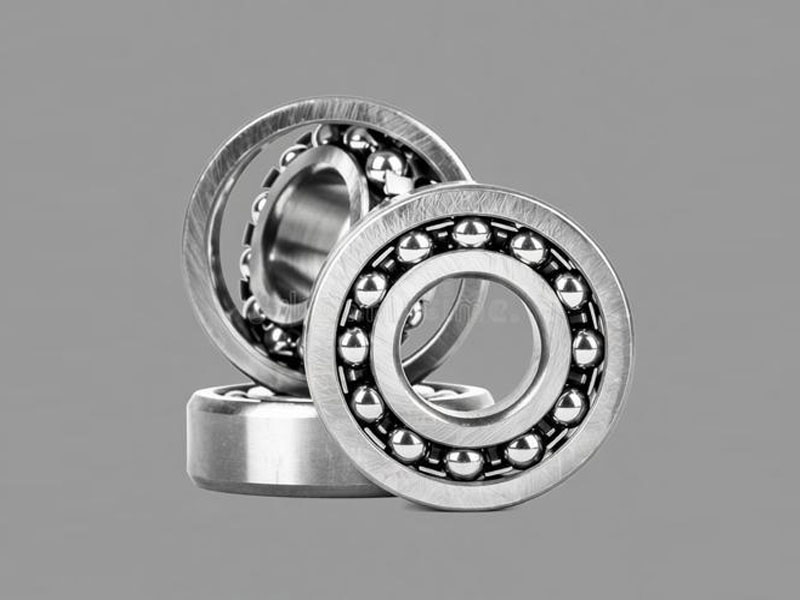
A ball bearing is a type of rolling-element bearing that uses balls to maintain the separation between the bearing races. Its primary purpose is to reduce rotational friction and support radial and axial loads.
Core Components:
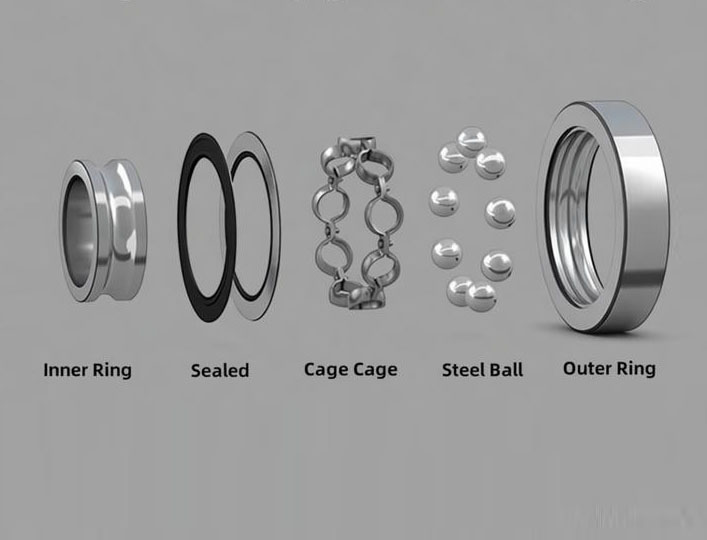
- Inner Ring: The smaller ring that mounts onto a rotating shaft.
- Outer Ring: The larger ring that fits into a housing.
- Balls: The rolling elements that carry the load and reduce friction.
- Cage/Retainer: A component that separates the balls, ensuring even spacing and preventing contact during operation.
The Main Functions of Ball Bearings
Ball bearings are precision-engineered to perform three critical tasks:
- Reducing Friction: By replacing sliding motion with rolling motion, they dramatically decrease energy loss and heat generation.
- Supporting Loads: They handle radial loads (perpendicular to the shaft) and axial loads (parallel to the shaft).
- Precise Positioning: They constrain the relative motion of machinery parts, ensuring accuracy and rigidity.
Types of Ball Bearings
To meet the diverse demands of global industries, ball bearings come in various designs:
- Deep Groove Ball Bearings: The most versatile type, ideal for high speeds and both radial/axial loads.
- Thrust Ball Bearings: Designed specifically for high axial loads in applications like automotive transmissions.
- Self-Aligning Ball Bearings: Tolerant to shaft misalignment, common in woodworking machinery.
- Angular Contact Ball Bearings: Designed for combined loads, crucial in machine tool spindles.
- Flanged Bearings: Easy to mount, often used in conveyor systems and automotive accessories.
- Thin Section Bearings: Space-saving solutions for robotics and aerospace.
- Miniature Bearings: For small motors and dental drills.
- Stainless Steel Bearings: Corrosion-resistant for medical and food processing.
- Ceramic Bearings: Non-conductive and lightweight, used in high-performance racing and vacuum environments.
How Do Ball Bearings Work?
The principle is simple yet effective. As the inner race rotates, the balls roll within the grooves of the races. This rolling action generates significantly less heat and wear than sliding contact. The cage ensures the balls don’t rub against each other, maintaining smooth, continuous motion.
What Are Ball Bearings Used For?
Given their mechanical advantages, ball bearings are found in almost every industry. Here is a detailed breakdown of their applications.
Industrial Applications
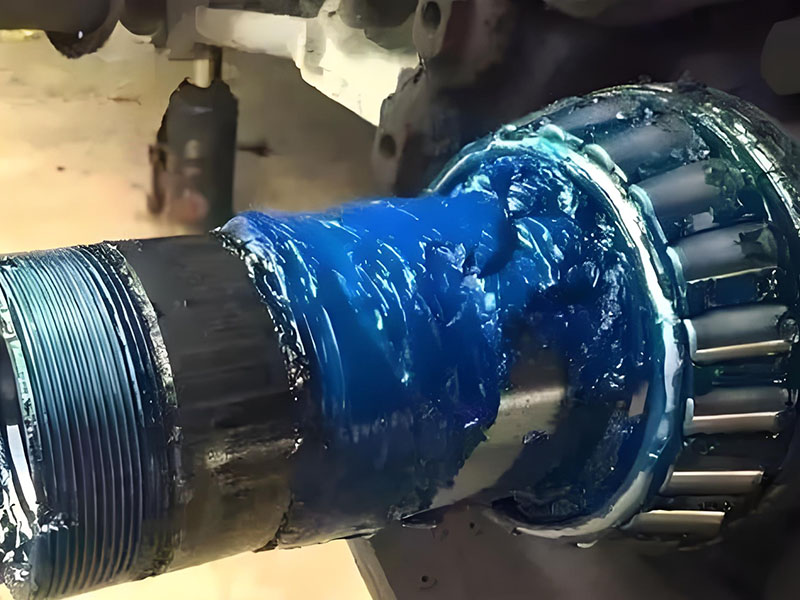
- Automotive Industry: The backbone of modern vehicles. Bearings are found in engines (pumps and alternators), transmissions, and critically, in wheel hub bearings which must endure harsh road conditions and heavy loads.
- Aerospace Industry: Reliability is paramount. Bearings are used in aircraft engines, landing gear mechanisms, and flight control actuators to ensure safety at high altitudes.
- Manufacturing: Conveyor belts and assembly lines rely on bearings to move products efficiently and continuously.
- Robotics: The mechanical arms and joints of industrial robots require precision thin-section bearings for smooth, accurate movement.
Mechanical & Engineering Applications
- Electric Motors: From small cooling fans to massive industrial pumps, bearings support the rotor.
- Power Tools: Drills, grinders, and saws need high-speed bearings for durability.
- HVAC Systems: Air conditioning compressors and fans use bearings to circulate air quietly.
Automotive & Transportation (DUHUI’s Expertise)
As a specialist in this field, DUHUI provides bearings that ensure vehicle safety and performance.
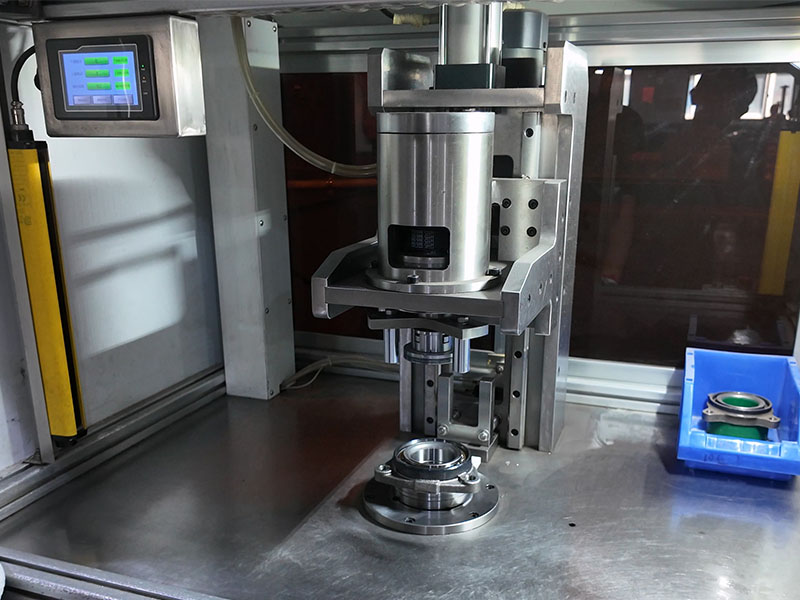
- Wheel Hub Bearings: These are critical safety components. They support the vehicle’s weight and allow the wheel to rotate with minimal friction. A failure here can lead to wheel detachment. DUHUI’s 20 years of experience ensure our hub bearings meet strict OEM quality standards.
- Axles and Driveline: Bearings in the axles support the vehicle’s weight and drivetrain forces.
- Transmissions: They allow gears to spin freely, enabling smooth gear changes.
Medical & Healthcare Applications
Precision and hygiene are key in this sector.
- Surgical Instruments: High-speed drills and saws used in operations require miniature, sterile-compatible bearings.
- Medical Scanners: CT and MRI machines use large, precision bearings to rotate the scanning gantry smoothly around the patient.
- Prosthetics: Advanced prosthetic limbs use bearings to replicate the natural motion of human joints.
Sports & Entertainment
- Skateboards & Rollerblades: The iconic ABEC-rated bearings determine how fast and long a skater can glide.
- Fishing Reels: Smooth drag systems rely on tiny ball bearings to prevent line tangling and breakage.
- Bicycles: Bearings are in the hubs, pedals, headset, and bottom bracket, defining the ride quality.
Home & Consumer Goods
- Household Appliances: Washing machines (drum support), vacuum cleaners (motor), and ceiling fans all contain bearings.
- Furniture: Kitchen drawer slides often use ball bearings for smooth, silent operation.
Aerospace & Defense
- Aircraft Engines: Bearings must withstand extreme temperatures and rotational speeds.
- Missile Guidance: Precision bearings ensure the accuracy of navigation systems.
- Military Vehicles: Rugged bearings are required for tanks and transport vehicles in extreme terrains.
Marine & Nautical Applications
- Boat Engines: Marine engines use corrosion-resistant bearings to withstand the humid saltwater environment.
- Sailing Equipment: Pulleys and rigging systems use bearings to make sail adjustments easier, even under heavy wind load.
Why Choose DUHUI Bearing?
Understanding what ball bearings are used for is the first step. Ensuring they perform reliably is where DUHUI excels.
- 20 Years of Manufacturing Expertise: We have honed our processes to produce bearings with tight tolerances and long service lives.
- 15 Years in Global Export: We understand the logistics and quality standards required by international clients. From Europe to the Americas, DUHUI bearings are trusted worldwide.
- Engineering Support: We don’t just sell parts; we provide solutions. Whether you need a standard deep groove bearing or a custom-engineered hub unit, our team is ready to assist.
- Commitment to Quality: Adhering to international standards, we ensure every bearing that leaves our factory meets the demands of its specific application—automotive, industrial, or otherwise.
Conclusion
From the wheels of a high-speed train to the precision of a surgical robot, ball bearings are the unsung heroes of motion. As industries evolve towards higher efficiency and greater precision, the demand for high-quality bearings only grows.
Looking for a reliable partner for your next project? Whether you are an automotive OEM or a maintenance procurement manager, DUHUI Bearing has the experience and the product range to keep your world turning.
Contact DUHUI Bearing Today for a consultation or a quote. Let us put our 20 years of experience to work for you.