Quick Answer
Wheel bearings are located inside the wheel hub assembly at each corner of your vehicle.
Front wheel bearings sit at the center of the steering knuckle. On FWD and AWD cars, they are pressed or bolted into the knuckle with a splined hole for the drive axle. On RWD cars, two separate bearings mount onto a spindle.
Rear wheel bearings vary by drivetrain: FWD cars use a bolt‑on hub unit on a non‑driven stub axle. RWD cars place bearings inside the axle housing to support the drive axles. AWD rear hubs have a splined center for the driveshaft.
Wheel bearings are critical components that allow each wheel to spin smoothly while supporting the vehicle’s weight. Every wheel on your car has its own set of bearings, but the exact location varies. Front and rear wheels are different, and the drivetrain type – front‑wheel drive (FWD), rear‑wheel drive (RWD), or all‑wheel drive (AWD) – also changes where and how the bearings are mounted. This article focuses solely on the location of wheel bearings, helping you find them on any vehicle.
What Are Wheel Bearings
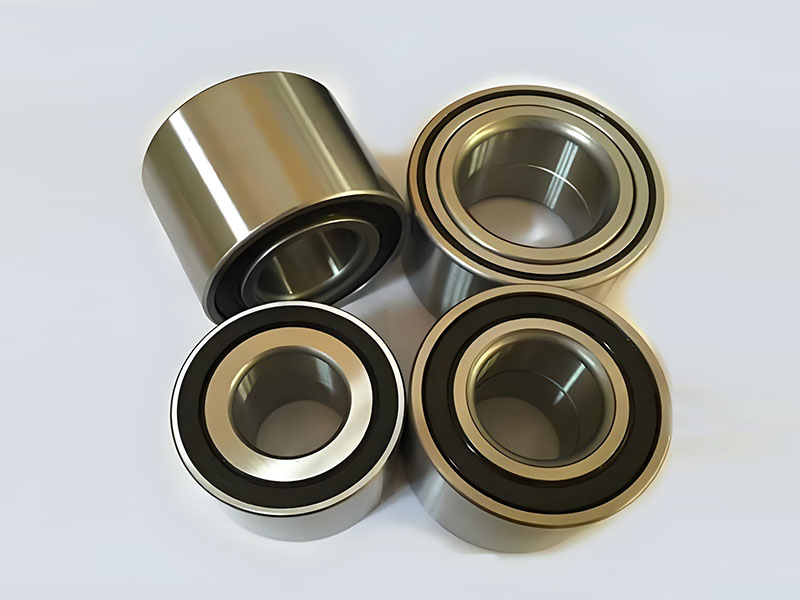
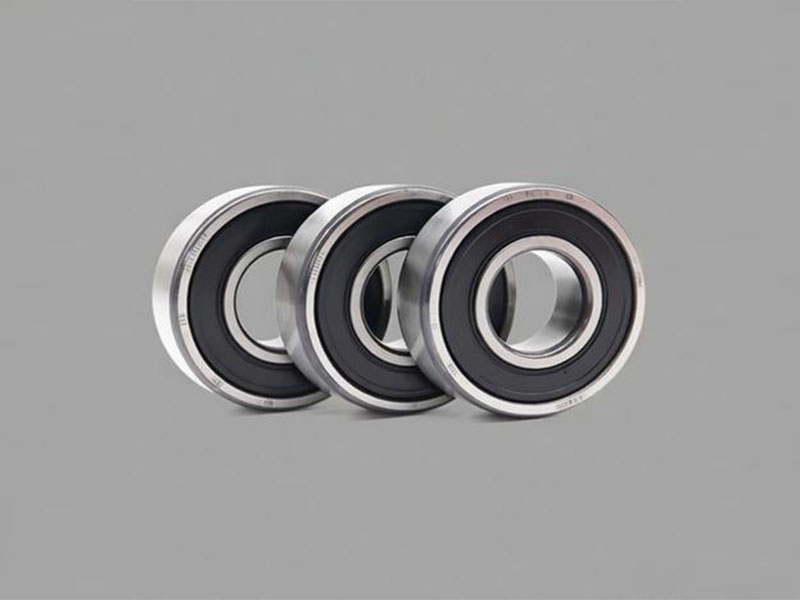
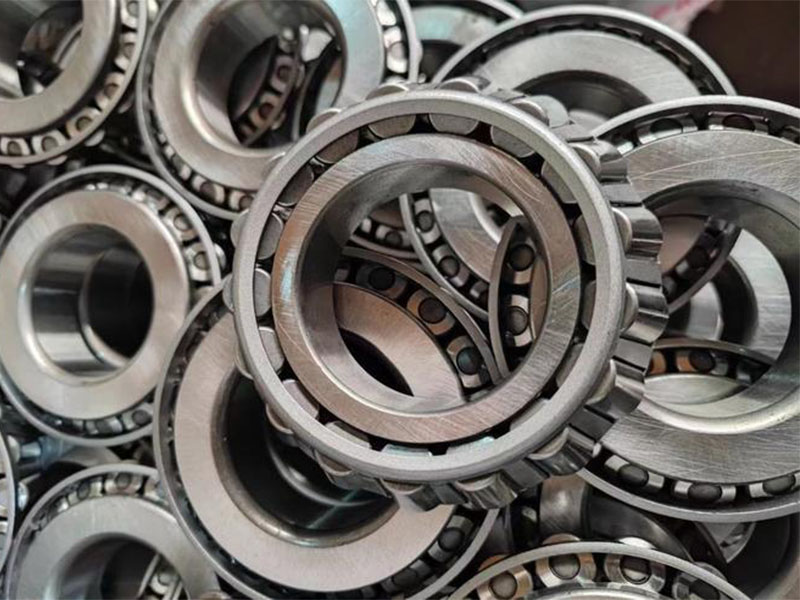
Put simply, wheel bearings are the parts that let your wheels spin freely while the rest of the car stays still. Each bearing is a set of steel balls or rollers held inside a sealed metal ring, packed with grease and closed off with rubber seals. On modern cars, these bearings are sealed for life – you don’t grease them; you replace the whole unit when they wear out.
Where does the bearing sit? Between the stationary part of the suspension (the steering knuckle or spindle) and the rotating wheel hub. That in‑between position is what allows the wheel to turn without dragging the suspension along. It also carries the car’s weight and handles the extra forces from cornering and braking. That’s why bearings are always right at the center of the hub, lined up exactly with the axle.
Front Wheel Bearing Location
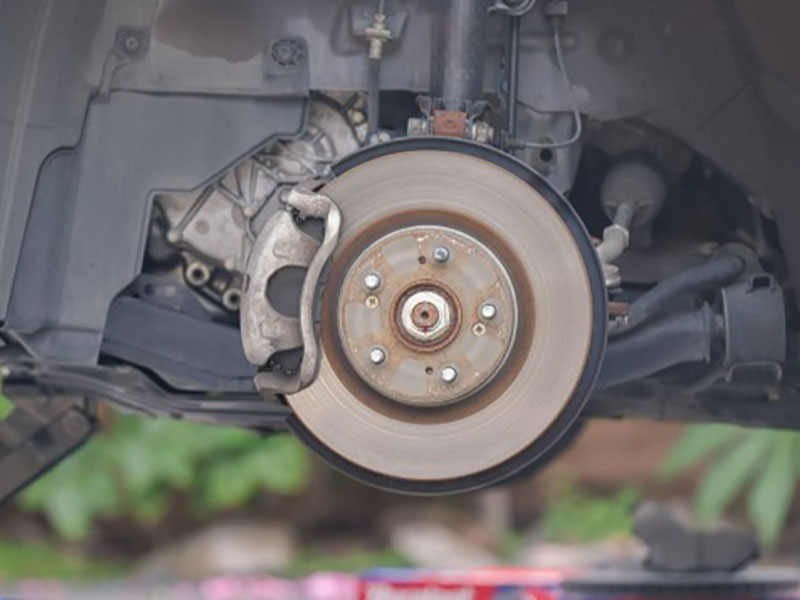
The front wheel bearing is located inside the front wheel hub assembly, at the center of the steering knuckle. After removing the brake caliper and brake rotor, you will see the hub and bearing assembly mounted in the knuckle. However, the exact mounting differs by drivetrain.
Front‑wheel drive (FWD) vehicles: In a typical FWD car, the front wheel bearing is pressed into the steering knuckle. A circlip (snap ring) secures the bearing in place. The wheel hub is then pressed into the bearing’s inner race. The drive axle (half shaft) passes through the splined center of the hub and bearing. When you look at the steering knuckle from the side, the bearing is exactly in the middle, between the knuckle and the hub flange.
Rear‑wheel drive (RWD) vehicles: On RWD vehicles, the front wheels are not driven. Instead of a drive axle, there is a stationary spindle. The front wheel bearing is located on this spindle. RWD front hubs typically use two separate bearings: a larger inner bearing and a smaller outer bearing. Both are packed with grease and pressed onto the spindle. A retaining nut holds the hub assembly in place. The inner bearing, being larger, sits closer to the steering knuckle and carries most of the vehicle’s weight.
All‑wheel drive (AWD) vehicles: Most modern AWD vehicles use a sealed hub and bearing unit that bolts to the steering knuckle with four bolts. The center of the bearing has splines that mate with the front axle half shaft. The location is still the center of the knuckle, but the attachment is by bolts rather than a press fit. This design makes replacement easier.
No matter the drivetrain, the front wheel bearing is always located at the center of the front wheel hub, directly in line with the axle or spindle, and inside the steering knuckle.
Rear Wheel Bearing Location
The rear wheel bearing location varies even more than the front, because rear wheels may be driven (RWD and AWD) or non‑driven (most FWD vehicles). Below is a breakdown by drivetrain type.
Front‑wheel drive (FWD) vehicles: On a FWD car, the rear wheels are not connected to the engine. They simply follow the front wheels. The rear wheel bearing is integrated into a hub unit that bolts to a rear stub axle or to the rear axle’s longitudinal link. Typically, four bolts hold the hub and bearing assembly to the rear knuckle or axle flange. There is no drive axle passing through the bearing. The bearing’s location is at the center of the rear wheel hub, but it is attached to a non‑driven axle stub.
Rear‑wheel drive (RWD) vehicles: On RWD cars and trucks, the rear wheels are driven. The rear wheel bearings are located inside the rear axle housing. They support the rear axle shafts. Two common designs exist: pressed‑on bearings and bolt‑on bearings. Pressed‑on bearings are pressed onto the axle shaft itself and then the axle is inserted into the housing. Bolt‑on bearings are bolted to the wheel carrier or the axle tube flange. Straight roller bearings are often used on RWD rear axles because they handle heavy loads well. In both cases, the bearing is positioned between the axle shaft and the axle housing, at the outer end of the axle tube.
All‑wheel drive (AWD) vehicles: AWD vehicles drive all four wheels. The rear wheel bearing is similar to the front unit but with a splined center that accepts the rear driveshaft stub axle. The hub and bearing assembly bolts to the rear knuckle or axle carrier. The bearing location is at the center of the rear hub, just like on a FWD car, but the hub has a splined hole to transmit torque from the driveshaft to the wheel.
To summarize: rear wheel bearings are always found at the center of the rear wheel hub, but whether they are attached to a driven axle (RWD/AWD) or a non‑driven stub axle (FWD) depends on the vehicle type.
Differences by Drivetrain Type
The table below clearly shows how wheel bearing location and mounting differ between FWD, RWD, and AWD vehicles for both front and rear wheels.
| Drivetrain | Front Wheel Bearing Location | Rear Wheel Bearing Location |
|---|---|---|
| Front‑Wheel Drive (FWD) | Pressed into steering knuckle; splined center for half shaft | Bolt‑on hub unit to rear stub axle or longitudinal link; no drive axle |
| Rear‑Wheel Drive (RWD) | Two separate bearings on spindle; inner (large) and outer (small); held by retaining nut | Inside axle housing; pressed onto or bolted to axle shaft; supports drive axle |
| All‑Wheel Drive (AWD) | Bolt‑on sealed unit to knuckle; splined for half shaft | Bolt‑on sealed unit to rear knuckle; splined for rear driveshaft stub axle |
Key location takeaways: FWD vehicles have pressed front bearings and simple bolt‑on rear bearings. RWD vehicles have spindle‑mounted front bearings (two per side) and housing‑mounted rear bearings. AWD vehicles use bolt‑on, splined hub units at both ends.
How to Visually Identify the Location
If you need to visually locate a wheel bearing on a vehicle, follow these steps. Safety first: always use jack stands and never rely on a jack alone.
- Lift the vehicle and remove the wheel. With the wheel off, you will see the brake rotor and caliper.
- Remove the brake caliper and rotor. (You can hang the caliper with a wire so the brake hose is not stretched.)
- Look at the center of the exposed hub. What you see is the wheel hub flange. The bearing is inside this flange, between the hub and the steering knuckle (front) or the axle stub (rear).
- Identify the mounting method.
- If you see a splined hole in the center (front of an FWD/AWD car), the bearing is pressed or bolted around that splined hub.
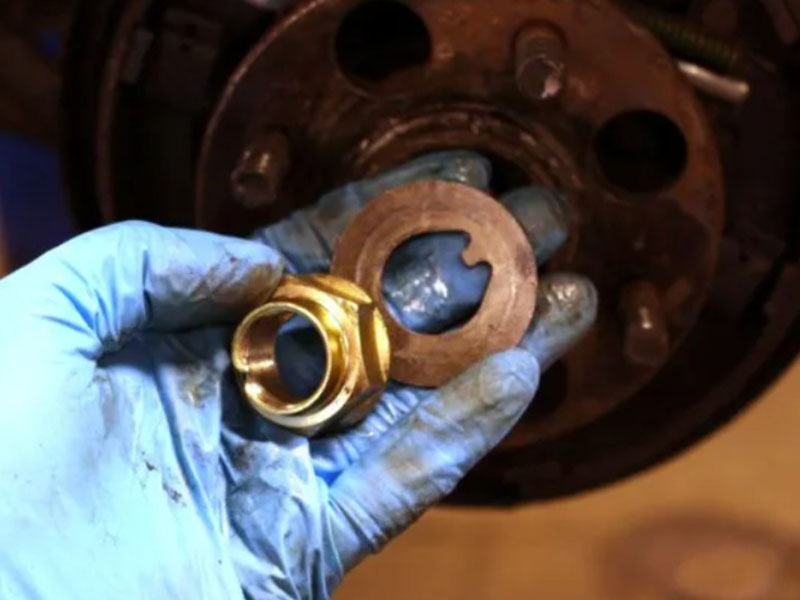
- If you see a spindle with a large nut and a flat washer (typical RWD front), the two bearings are pressed onto that spindle under the hub.
- On a rear FWD car, you will see a hub unit with four bolt heads on the back side, visible once the rotor is removed.
- On a rear RWD car, you may see the axle shaft protruding; the bearing is inside the axle tube end, often behind a retaining plate.
You cannot see the actual balls or rollers without disassembling the bearing. But the hub and bearing assembly is clearly visible as the metal component that connects the wheel mounting studs to the suspension.
Conclusion
So, where are wheel bearings located? They are located inside the wheel hub assembly at each corner of your vehicle. Front wheel bearings are found at the center of the steering knuckle. On FWD and AWD cars, they are pressed or bolted into the knuckle with a splined center for the drive axle. On RWD cars, the front bearings are two separate units mounted on a spindle. Rear wheel bearing locations depend on drivetrain: FWD cars use a simple bolt‑on hub unit on a non‑driven stub axle; RWD cars place the bearings inside the axle housing to support the drive axles; AWD cars use a bolt‑on splined hub unit similar to the front. To visually identify a wheel bearing, remove the wheel and brake rotor – the hub and bearing assembly is the metal component that connects the wheel studs to the suspension. Modern vehicles integrate the bearing into a sealed, non‑serviceable hub assembly that is replaced as a unit. By understanding these location principles, you can quickly identify where wheel bearings are located on any car or light truck.
FAQs
Q1: Are front wheel bearings located in the same place on FWD and RWD vehicles?
A: No. On FWD vehicles, the front wheel bearing is pressed into the steering knuckle and has a splined center for the drive axle. On RWD vehicles, the front bearings are two separate units (inner and outer) mounted on a stationary spindle with a retaining nut.
Q2: Where are rear wheel bearings located on a front‑wheel drive car?
A: On a FWD car, rear wheel bearings are located in a bolt‑on hub unit attached to the rear stub axle or the rear axle’s longitudinal link. No drive axle passes through them.
Q3: Do all‑wheel drive vehicles have the same rear bearing location as front‑wheel drive vehicles?
A: Similar, but not identical. Both use a bolt‑on hub unit. However, AWD rear hubs have a splined center hole to accept the rear driveshaft stub axle, while FWD rear hubs have a solid center (or non‑splined).
Q4: Can I see the wheel bearing without taking anything apart?
A: No. The wheel bearing is enclosed inside the hub assembly. To see the hub assembly itself, you must remove the wheel and brake rotor. You will not see the actual rolling elements without pressing the bearing apart.
Q5: Why does a rear‑wheel drive car have two front wheel bearings per side?
A: RWD front wheels use a separate inner and outer bearing on the spindle. The inner bearing is larger because it carries most of the vehicle’s weight. The outer bearing provides additional support and positioning. This design dates back to non‑driven front axles.
Q6: Is the ABS sensor considered part of the wheel bearing location?
A: The ABS sensor is located near the wheel bearing, usually bolted to the steering knuckle or axle carrier. On many modern hub units, the magnetic encoder ring is built into the bearing seal. So while the sensor is separate, its location depends on the bearing’s position.
Q7: How do I tell if the bearing I am looking at is for the front or rear wheel?
A: Look at the suspension around it. If the component is connected to a steering tie rod and allows the wheel to turn left/right, it is a front wheel bearing location. If the component is fixed and does not steer, it is a rear wheel bearing location. Also, front bearings on FWD/AWD cars have a splined hole; rear bearings on FWD cars do not have a splined hole.