Quick Answer
Driving with a bad tensioner pulley causes belt slippage, misalignment, or breakage. This disables the alternator, water pump, and power steering pump. The engine may overheat, the battery will drain, and steering becomes heavy. If the timing belt tensioner fails in an interference engine, pistons hit valves, destroying the engine. Repair costs range from $455–$600 for replacement versus thousands for engine rebuild.
A bad tensioner pulley is not a component that can be ignored. Many drivers first notice unusual noises from the engine bay—squeaking, chirping, or grinding sounds—yet continue driving, assuming the issue is minor. In reality, a failing tensioner pulley sets in motion a chain of mechanical events that can escalate from a simple noise complaint to catastrophic engine failure.
This article examines the technical consequences of driving with a bad tensioner pulley, why immediate attention is critical, and what vehicle owners need to know before the problem worsens.
What Is a Tensioner Pulley and Why Does It Matter?
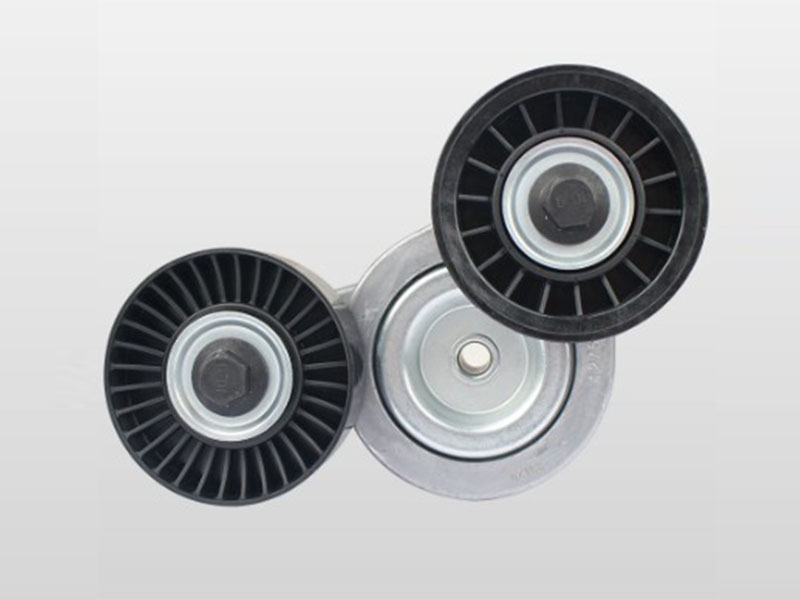
A belt tensioner is a pulley mounted on either a spring‑loaded arm or a hydraulic actuator. Its primary function is to maintain consistent tension on the serpentine belt or timing belt that drives essential engine accessories. Without proper tension, belts cannot transfer rotational power efficiently from the crankshaft to components such as the alternator, water pump, power steering pump, and air conditioning compressor.
The tensioner pulley differs from an idler pulley in a fundamental way: while the idler pulley serves as a fixed guide to route the belt along the correct path, the tensioner pulley actively applies pressure to keep the belt taut. Tensioner pulleys may use mechanical springs or hydraulic pistons to maintain the correct belt tension automatically.
When a tensioner pulley begins to fail—typically due to bearing wear, loss of grease, or weakening of the internal spring mechanism—it can no longer perform this critical function. A worn pulley may misalign the belt, allow excessive slack, or seize entirely.
Recognizing the Signs of a Bad Tensioner Pulley
Identifying a failing belt tensioner early is the most effective way to prevent extensive damage. The following symptoms indicate a tensioner pulley problem:
- Abnormal belt or pulley noise. The most common symptom of a defective drive belt tensioner is noise from the belts or tensioner assembly. If the tensioner is loose, the belts may squeak or squeal, particularly during cold starts or when the engine is under load. When the pulley bearing wears out, the vehicle may produce a grinding or rattling noise from the pulley itself. A worn bearing can also cause high‑pitched chirping sounds that vary with engine speed.
- Unusual belt wear. A defective tensioner pulley often causes accelerated and uneven belt wear. A failing pulley can cause fraying along the edges of the belt, glazing on the belt surface, or visible cracking. In severe cases, the belt may break entirely.
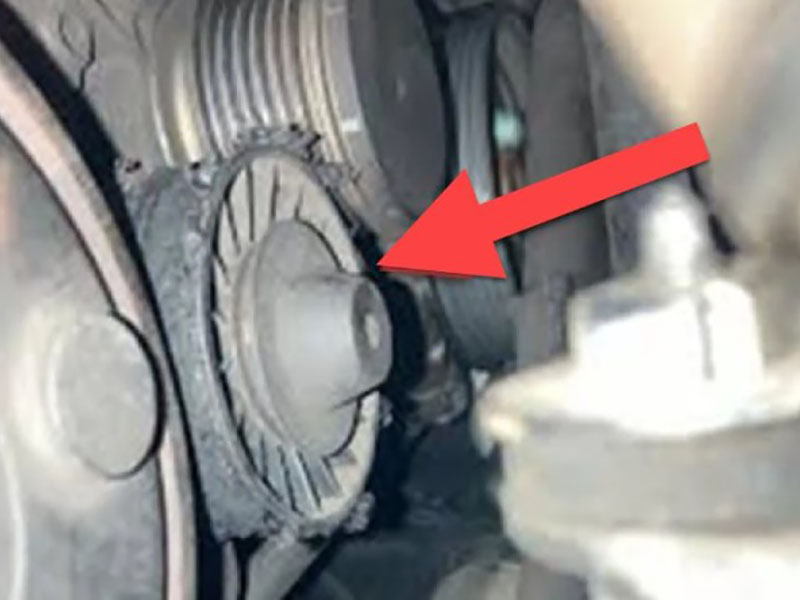
- Misalignment or visible pulley movement. When the tensioner arm pivot bushing wears out, the pulley may rock side to side instead of rotating smoothly. This misalignment causes the belt to track incorrectly and generates chirping noises.
- Excessive tensioner arm bounce. The damper within the tensioner moderates spring action. As this damper wears, the tensioner arm may bounce or chatter away from the belt, causing excessive belt slippage. Any visible bouncing or chattering under normal engine operation indicates that the tensioner has already failed and requires immediate replacement.
- Belt‑driven accessory failure. A seized or loose drive belt tensioner can cause the belt to snap, disabling the alternator, water pump, and other belt‑driven accessories. This typically manifests as overheating, battery discharge warning lights, loss of air conditioning, or increased steering effort.
Consequence One: Serpentine Belt System Breakdown
When a driver continues operating a vehicle with a bad tensioner pulley, the first system to suffer is the serpentine belt drive. Worn tensioners allow belts to slip and become glazed. These worn parts can cause belts to slip on the alternator pulley, triggering a check engine light.
A misaligned tensioner pulley forces the belt to run at an incorrect angle, causing accelerated wear to the belt sidewall. If the pulley bearing loses its lubrication and seizes, the belt will begin rubbing against a stationary pulley surface. The belt will overheat, develop cracks, and eventually break.
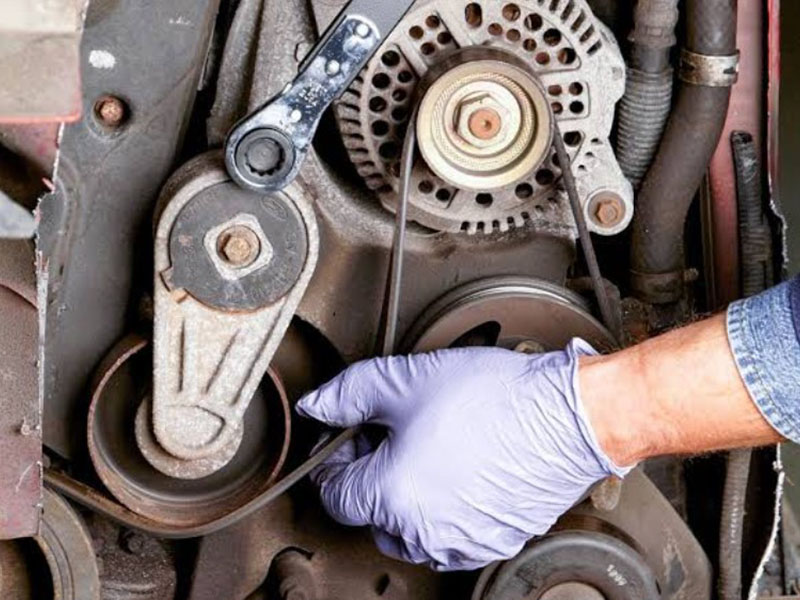
A broken serpentine belt leaves the vehicle stranded. Without the belt driving the water pump, coolant circulation ceases, and the engine overheats. Without alternator drive, the electrical system runs solely on battery power until the battery is depleted. The vehicle will then stall, often in traffic or at highway speeds, creating significant safety risks.
Consequence Two: Interference Engine Catastrophic Failure
The most severe consequence of driving with a bad tensioner pulley involves the timing belt system in interference engines. A timing belt tensioner applies pressure to the back of the timing belt, keeping it taut around the camshaft pulleys, crankshaft pulley, and water pump pulley. When this tensioner fails, the timing belt can lose tension, slip teeth, or break.
In interference engines—which constitute the majority of modern passenger car engines—loss of timing synchronization causes direct contact between pistons and valves. The result is bent valves, broken pistons, and severe internal engine damage. This type of failure typically requires either a complete engine replacement or a top‑end rebuild costing thousands of dollars.
A failing timing belt tensioner produces distinct warning signs: the check engine light may illuminate due to timing‑related misfires, the engine may run rough or exhibit power loss, or the engine may crank without starting if timing has already been compromised. Ignoring these signals can lead to sudden and catastrophic engine failure.
Consequence Three: Secondary System Failures and Safety Risks
Beyond the engine itself, a bad tensioner pulley compromises multiple vehicle systems that directly affect driver safety.
- Loss of power steering assist. When the drive belt loses tension or detaches, the power steering pump stops receiving drive power. Steering effort increases dramatically, particularly at low speeds. While the vehicle remains controllable through the mechanical steering linkage, the sudden increase in steering effort can startle a driver and contribute to loss of vehicle control in emergency maneuvers.
- Engine overheating. A slipping or broken belt stops the water pump, causing coolant to stagnate. The engine temperature rises rapidly. Overheating can warp cylinder heads, blow head gaskets, and cause further internal damage. Even if the engine is stopped before critical overheating occurs, the stress on gaskets and seals may already have been compromised.
- Electrical system failure. The alternator requires belt drive to generate electrical power. Without proper belt tension, the alternator cannot maintain battery charge. Warning lamps illuminate, electronics may behave erratically, and eventually the battery depletes completely. The vehicle then stalls, potentially in hazardous conditions.
- Air conditioning compressor failure. While not safety‑critical, a seized tensioner pulley or broken belt disables the air conditioning compressor. In hot climates, loss of cabin cooling can contribute to driver fatigue and reduced concentration.
Preventive Maintenance and Replacement Recommendations
Given the severe consequences of tensioner pulley failure, preventive maintenance is the most cost‑effective strategy.
Inspection interval. Automotive professionals recommend inspecting the belt tensioner and idler pulleys every 50,000 miles or whenever the serpentine belt is replaced. According to NAPA Belts/Hoses, tensioner and serpentine system components should be inspected at 60,000 miles and replaced by 90,000 miles.
Replace as a system. When a tensioner pulley fails, replacing only the pulley is insufficient. The entire tensioner assembly should be replaced, as internal wear to the spring, damper, or pivot bushing compromises the unit regardless of pulley condition. Additionally, when replacing a failing tensioner, the serpentine belt and any idler pulleys should be replaced simultaneously. Worn tensioners can damage new belts rapidly, and mixing new components with worn ones reduces overall system lifespan.
Professional diagnosis. A professional technician can rotate the tensioner arm through its full range of motion with the engine off and cold. Any sticking, roughness, or unusual resistance indicates bearing surface wear and requires tensioner replacement.
Cost Comparison: Preventive Replacement vs. Major Repair
The financial case for addressing a bad tensioner pulley promptly is compelling. Replacing a belt tensioner assembly, serpentine belt, and idler pulleys typically costs between $455 and $600 in parts and labor.
By contrast, repairing an interference engine after a timing belt tensioner failure—which may involve bent valves, damaged pistons, and cylinder head work—can cost several thousand dollars. Engine replacement costs are higher still. Postponing replacement invites catastrophic failure and very expensive repair costs.
Conclusion
Driving with a bad tensioner pulley is a risk that no vehicle owner should take lightly. The progression from a simple squeaking noise to a seized engine can happen quickly, especially in interference engines where timing belt tensioner failure leads to piston‑to‑valve contact. The financial and safety consequences far outweigh the relatively modest cost of replacing the tensioner assembly, belt, and idler pulleys in time. Recognizing the early warning signs—noises, belt wear, accessory malfunctions, or tensioner arm bounce—and acting immediately is the only way to avoid a breakdown or a destroyed engine.
FAQs About Bad Tensioner Pulleys
Q1: Can I drive a short distance with a bad tensioner pulley?
Short‑distance driving is not recommended. A tensioner pulley that is already making noise or showing signs of wear can fail completely at any moment. If the belt breaks or the pulley seizes while driving, the vehicle could lose power steering, alternator output, and water pump function simultaneously. If immediate repair is not possible, limit driving to the shortest possible distance to a repair facility and monitor all gauges and warning lights continuously.
Q2: How do I know if my bad tensioner pulley is a safety risk?
A bad tensioner pulley becomes a safety risk when it affects power steering assist or causes the engine to stall unexpectedly. If you notice increased steering effort, battery warning lights, or engine temperature rising above normal operating range, the tensioner failure has progressed to a hazardous stage. Parking the vehicle and arranging a tow is the safest course of action.
Q3: What is the difference between a bad tensioner pulley and a bad idler pulley?
Both components are pulleys, but they serve different functions. An idler pulley is mounted on a fixed bracket and simply guides the belt along its designated path. A tensioner pulley is mounted on a spring‑loaded or hydraulic arm and actively applies force to maintain belt tension. Both can fail due to bearing wear, but a failing tensioner pulley introduces the added risk of inadequate belt tension, which affects all belt‑driven accessories and can lead to timing failure in interference engines.
Q4: Will a bad tensioner pulley always make noise before failing?
Not always. While noise—squeaking, chirping, squealing, or grinding—is the most common early symptom, some tensioner failures occur progressively without prominent noise. Weak spring tension may reduce belt tension gradually, causing the belt to slip without producing loud squealing. This scenario can still lead to alternator undercharging, water pump inefficiency, and eventual belt failure.
Q5: Can a bad tensioner pulley damage a new belt?
Yes. Installing a new serpentine belt without replacing a worn tensioner pulley will likely destroy the new belt rapidly. A misaligned pulley wears the belt sidewall; a seized pulley overheats and cracks the belt surface; a tensioner with weak spring tension allows the belt to slip and become glazed. Always replace the belt and tensioner together as a system.