Quick Answer: Replacing a bad idler pulley takes about 30 to 60 minutes. First, disconnect the battery. Then remove the serpentine belt, unbolt the old pulley, and install the new one. Torque the center bolt to your vehicle manufacturer’s specification (commonly 40 ft‑lb). Finally, reinstall the belt and reconnect the battery. A torque wrench is required to avoid damage.
A worn idler pulley can cause belt squeal, belt slippage, or even loss of engine accessories like the alternator and power steering pump. Knowing how to replace a car idler pulley correctly saves repair costs and prevents roadside breakdowns. This guide walks through the complete replacement process using basic hand tools.
What Is an Idler Pulley and How to Spot Failure
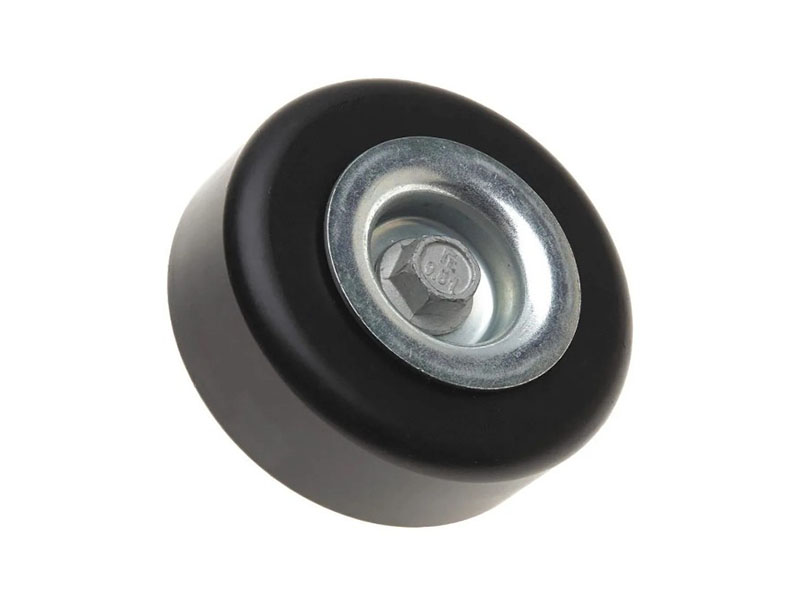
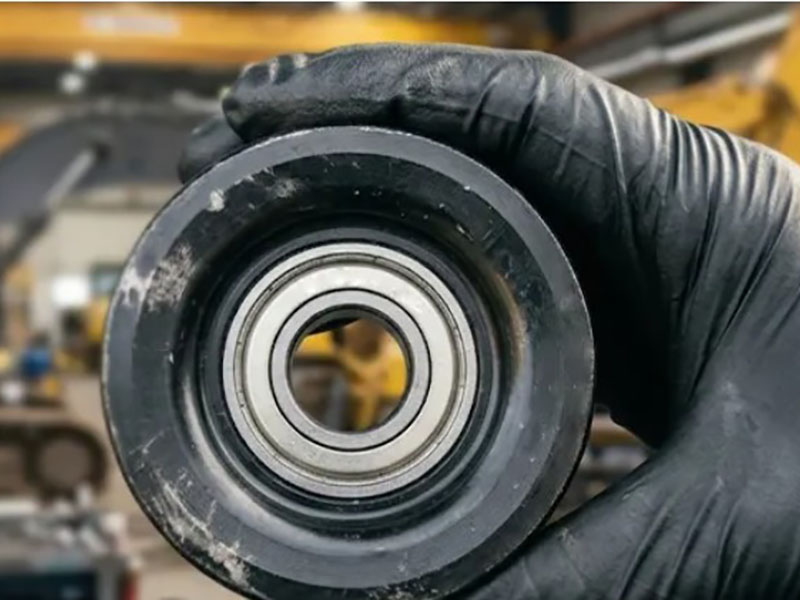
The idler pulley is a fixed, non‑spring‑loaded pulley that guides the serpentine belt around the engine’s accessories. Unlike the spring‑loaded tensioner pulley, the idler pulley does not adjust belt tension — it only provides a smooth, low‑friction surface for the belt to travel over. Most passenger vehicles use one or two idler pulleys, depending on the belt routing.
Common signs that an idler pulley needs replacement include:
- High‑pitched squeaking or chirping from the front of the engine, especially at idle
- A grinding noise that indicates bearing wear or contamination
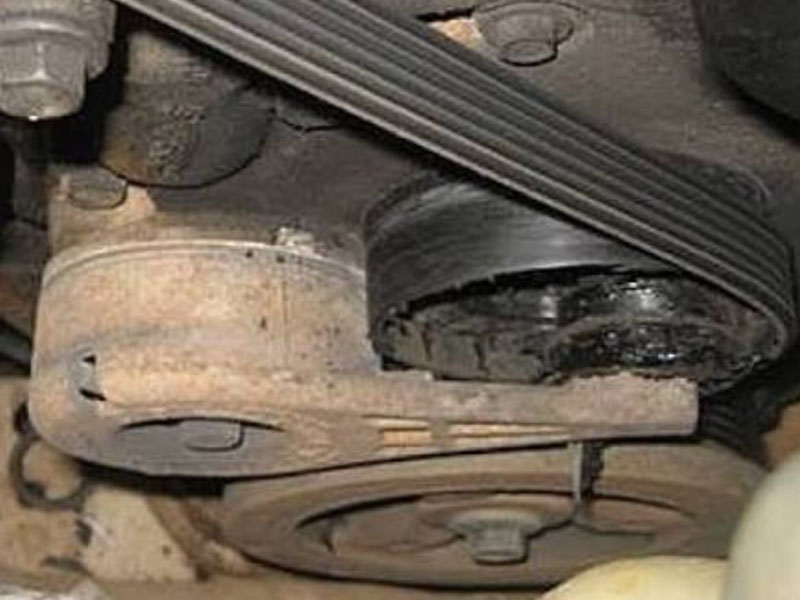
- Visible belt cracking or glazing near a specific pulley
- Excessive pulley wobble or roughness when spun by hand after belt removal
Industry data shows that most idler pulleys last between 50,000 and 100,000 miles (80,000–160,000 km). Replacing the serpentine belt at the same time is a common practice because both parts wear at similar rates.
Tools and Parts You Will Need
Parts
- Replacement idler pulley – verify fitment by year, make, model, and engine
- (Recommended) New serpentine belt if the old one shows any cracks or glazing
Tools
- Socket set and ratchet (metric or SAE, depending on your vehicle)
- Torque wrench – essential for achieving correct bolt tightness without damage
- Belt tensioner tool or a long breaker bar (½‑inch drive works for most tensioners)
- Safety glasses and mechanic’s gloves
Important safety step: Disconnect the negative battery cable before working near the belt drive. This prevents accidental engine cranking or electric fan activation.
Step-by-Step Replacement Procedure
Release serpentine belt tension
Locate the belt tensioner – it is a spring‑loaded pulley with a square or hexagonal hole for a breaker bar. Insert the tool and rotate the tensioner away from the belt. While holding it, slip the belt off one pulley (e.g., the alternator or the idler pulley itself). Gently lay the belt aside. If your vehicle uses an alternator‑mounted idler pulley, you may need to loosen the alternator pivot bolt and push the alternator downward to relieve belt tension.
Tip: Take a clear photo of the belt routing before removal. Many engines have a decal under the hood, but a photo serves as a reliable backup.
Remove the old idler pulley
With the belt out of the way, use a socket and ratchet to remove the center bolt that holds the idler pulley in place. Keep the bolt, any washers, spacers, and backing plates — you must reuse these with the new pulley in the exact same order. Pull the old pulley straight off its mounting boss. Inspect the mounting surface for rust or debris and clean it if necessary.
Install the new idler pulley
Compare the new pulley against the old one. Confirm that the outside diameter, width, and bearing alignment are identical. If the new pulley does not come with hardware, reuse the original bolt, washers, and spacers exactly as removed. Place the new pulley onto the mounting boss, then hand‑tighten the retaining bolt. Do not use power tools at this stage — you risk cross‑threading.
Torque the pulley bolt to specification
Look up the correct torque value for your specific engine in a service manual. As a general reference, many engines require 40 ft‑lb (54 Nm). However, values vary:
- Some Honda and Acura models: 21 ft‑lb (28 Nm)
- Many GM V6 and V8 engines: 37–41 ft‑lb (50–55 Nm)
- Some European vehicles (BMW, Mercedes): 25–30 ft‑lb (34–40 Nm)
Set your torque wrench to the specified value and tighten the bolt until the wrench clicks. Over‑torquing can crack the pulley or strip the mounting bracket threads. Under‑torquing may cause the bolt to loosen from vibration, leading to pulley wobble and belt damage.
Reinstall the serpentine belt
Route the belt following your reference photo or the under‑hood diagram. Use the tensioner tool again to relieve tension, then slip the belt over all pulleys, finishing with the last one that provides the most access. Slowly release the tensioner and visually confirm that the belt sits fully inside every pulley groove.
Final checks and reconnection
Ensure no tools or loose items remain near moving parts. Reconnect the negative battery cable. Start the engine and listen for any unusual noises. Let the engine idle for one minute, then turn it off and re‑inspect the belt tracking and pulley alignment. A correctly installed idler pulley should spin quietly with no visible wobble.
Conclusion
Replacing a failed idler pulley restores correct serpentine belt tracking and prevents expensive accessory failures. The job is DIY‑friendly with basic hand tools, a torque wrench, and a vehicle‑specific replacement pulley. Always verify torque values from a reliable source. For long‑term reliability, consider replacing the serpentine belt and the tensioner pulley at the same time if they show similar mileage or wear. Using precision‑manufactured components — such as those from IATF 16949 certified suppliers like DUHUI Bearing — helps ensure proper fit, bearing longevity, and quiet operation.
Frequently Asked Questions (FAQ)
Q1: Can I replace only the idler pulley without changing the belt?
A: Yes, if the serpentine belt is relatively new (less than 20,000 miles) and shows no cracking, glazing, or fraying. However, industry practice recommends replacing both the belt and all idler/tensioner pulleys together because their service lives are similar. A worn belt will accelerate wear on a new pulley.
Q2: How do I know if the noise comes from the idler pulley or the tensioner pulley?
A: Remove the belt and spin each pulley by hand. A healthy pulley turns smoothly with slight resistance. A pulley that feels rough, grinds, or spins too freely (more than 1–2 rotations) has failing bearings. Also check the tensioner arm — if it moves weakly or sticks, replace the entire tensioner assembly, not just its pulley.
Q3: What happens if I drive with a bad idler pulley?
A: A seized or wobbling idler pulley will overheat and shred the serpentine belt. Once the belt breaks or comes off, the alternator stops charging (causing battery drain), power steering fails, and the water pump may stop circulating coolant — leading to engine overheating. In many modern vehicles, a lost belt can also damage wiring or hoses nearby.
Q4: Is a torque wrench really necessary for idler pulley replacement?
A: Yes. Idler pulley bolts thread into aluminum or cast‑iron brackets with specific torque limits. Using only a ratchet often results in under‑tightening (bolt loosens from engine vibration) or over‑tightening (stripped threads or cracked pulley housing). A torque wrench provides repeatable, factory‑correct clamping force.
Q5: How long does an idler pulley replacement take?
A: For most cars and light trucks, a DIY replacement takes 30 to 60 minutes. Professional technicians typically complete the job in under an hour because they have direct access to torque specifications and belt routing diagrams.
Q6: Are all idler pulleys the same?
A: No. Idler pulleys vary in diameter, width, bearing type (deep‑groove ball bearings or roller bearings), and mounting bolt pattern. Some are designed for the smooth backside of the belt (backside idlers) while others contact the ribbed side. Always use a vehicle‑specific replacement. An incorrect pulley will misalign the belt, causing rapid edge wear and noise.
This guide is for general informational purposes. Always consult your vehicle’s factory service manual for model‑specific torque values and procedures. DUHUI Bearing is an IATF 16949 certified manufacturer of automotive pulleys and bearings — but this article does not promote any specific product; it provides neutral, repair‑focused information.