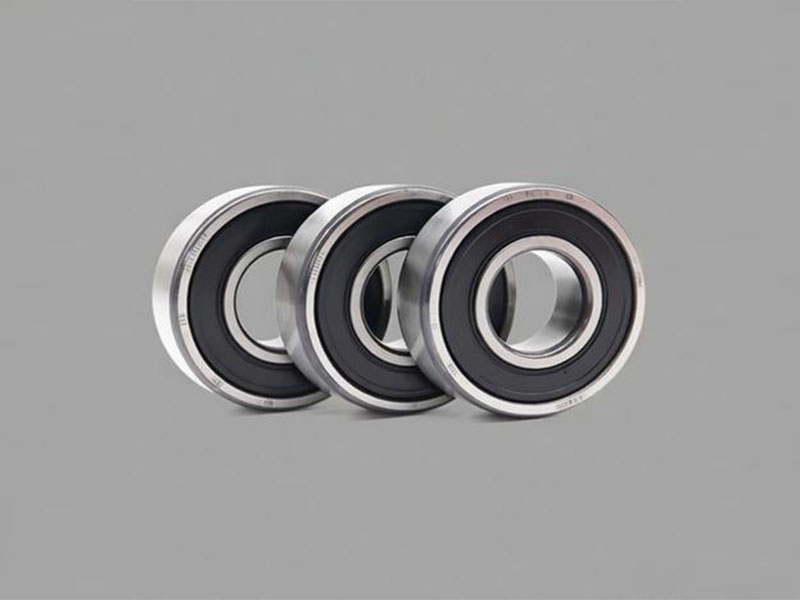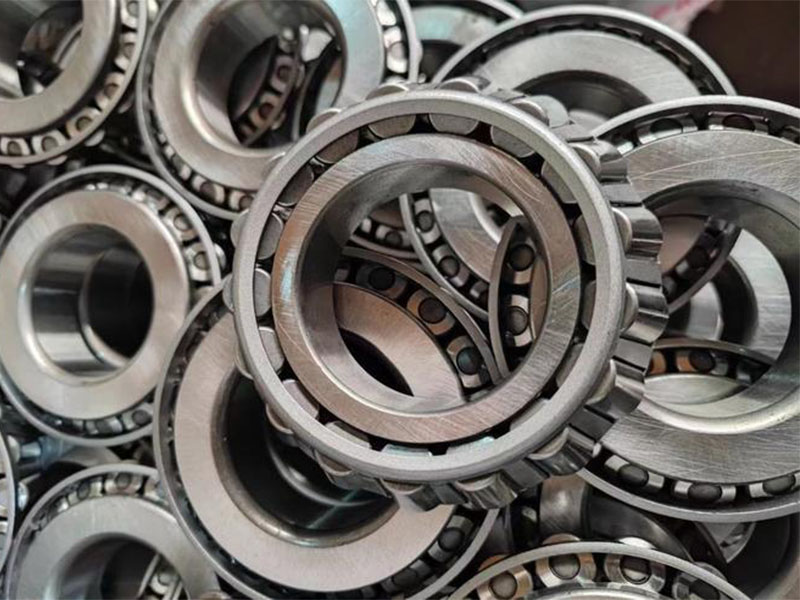
A grinding or chirping noise when you depress the clutch pedal often signals a failing clutch release bearing (also known as a throw‑out bearing). Ignoring this symptom can lead to damage to the pressure plate, flywheel, and even the transmission input shaft. Learning how to replace a clutch release bearing correctly – and understanding when to do it – saves costly repairs and repeated labor. This guide covers everything from diagnosis to final testing, based on field experience and manufacturer specifications.
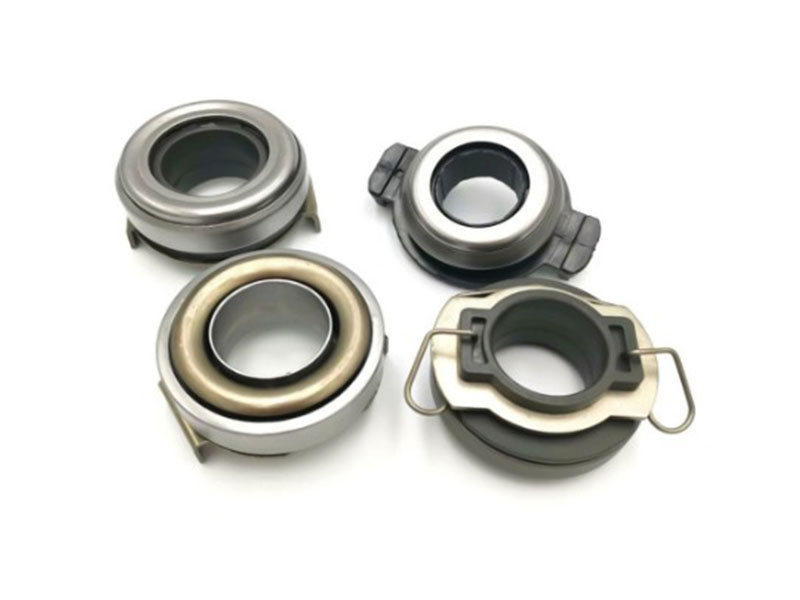
How to Tell If Your Clutch Release Bearing Is Bad
Before learning how to replace a clutch release bearing, you must confirm that the bearing itself is the problem. The most common symptoms include:
- Noise when depressing the clutch – A high‑pitched squeal, grinding, or rattling that appears only when the pedal is pushed down. This is the classic sign of a worn release bearing.
- Vibration in the clutch pedal – A pulsation or rough feeling, especially near the engagement point.
- Difficulty shifting gears – The clutch does not fully disengage, causing gear clash or a stubborn shift lever.
- Clutch pedal feels hard – Increased resistance due to internal bearing drag or lack of lubrication.
- Clutch slip (severe failure) – Engine speed rises without a corresponding increase in vehicle speed.
- Burning smell – Overheated clutch components, often accompanied by slip.
Key diagnostic tip: Release bearing noise occurs only when the pedal is depressed. If noise is present in neutral with the pedal up and goes away when you depress the pedal, suspect the transmission input shaft bearing instead.
What Causes a Clutch Release Bearing to Fail?
Understanding failure modes helps mechanics and vehicle owners prevent repeat failures. Common causes include:
- Bad driving habits – Resting your foot on the clutch pedal (“riding the clutch”) keeps the bearing constantly loaded. Using the clutch to hold on a hill also accelerates wear.
- Lubrication issues – Factory‑sealed bearings lose their grease over time, especially under high heat. Contamination from dust, water, or oil shortens bearing life.
- Installation errors – Fitting the bearing backwards (180° rotated) or damaging the guide tube leads to rapid failure. A worn clutch fork or pivot ball also causes poor bearing alignment.
- Incorrect preload – Modern hydraulic clutches require a specific preload. Too little preload causes rattle; too much overloads the bearing.
- Low‑quality replacement parts – Inferior bearings may have poor steel, insufficient heat treatment, or loose internal clearances.
How Long Can You Drive on a Failing Release Bearing?
The time between first symptoms and complete failure varies significantly – from a few hundred miles to tens of thousands of miles, depending on driving habits, vehicle use, and the severity of damage.
- Mild symptoms (light noise) – Some owners drive for thousands of miles, but the risk of secondary damage increases over time.
- Moderate failure – Continued driving may cause the bearing to disintegrate, break pressure plate diaphragm springs, or wear grooves in the guide tube. Repair costs escalate quickly.
- Severe failure (bearing seizure) – The entire clutch assembly can be destroyed, requiring replacement of the flywheel, pressure plate, clutch disc, and release bearing.
Core principle: The failure already exists when you hear noise. The sooner you address it, the lower the total repair cost.
Step‑by‑Step: How to Replace a Clutch Release Bearing
Replacing a clutch release bearing requires transmission removal. Before starting, confirm that the noise is indeed from the release bearing and not the transmission input shaft or pilot bearing (see the diagnostic test in the first section). Below is the standard procedure for most front‑engine vehicles.
Tools and Parts Needed
- Safety stands and a floor jack (or a vehicle lift)
- Transmission jack or a second helper
- Socket set and combination wrenches
- Torque wrench (mandatory for pressure plate bolts)
- Clutch alignment tool (plastic or universal type)
- High‑temperature lithium grease
- Brake fluid (if a concentric slave cylinder is used)
Parts to Prepare (Current Market Estimates)
| Part | Price Range (USD) | Note |
|---|---|---|
| Release bearing (single) | $30 – $80 | Varies by brand and vehicle |
| Full clutch kit (disc + pressure plate + bearing) | $150 – $500 | Most standard passenger cars |
| Pilot bearing / bushing | $10 – $30 | Replace simultaneously |
| Flywheel (if worn or damaged) | $50 – $200 | Inspect before reassembly |
Replacement Procedure
- Step 1 – Vehicle Preparation
Disconnect the negative battery cable. Raise the vehicle securely on jack stands. Remove underbody shields, the exhaust system (if it blocks transmission access), and the driveshaft or axle shafts as required. - Step 2 – Remove the Transmission
Disconnect the clutch slave cylinder (do not let it hang by the hose). Support the transmission with a transmission jack, remove the bellhousing bolts, and carefully separate the transmission from the engine. Lower the transmission and move it aside. - Step 3 – Remove the Old Clutch and Release Bearing
Unbolt the pressure plate in a star pattern. Remove the pressure plate and clutch disc. Mark the disc orientation (flywheel side vs. transmission side). The release bearing is usually clipped to the clutch fork. Slide the fork off the pivot ball and pull the bearing off the input shaft.
Critical inspection: Check the clutch fork, pivot ball, and input shaft guide tube for grooves, burrs, or excessive wear. Replace any damaged components before reassembly. - Step 4 – Install the New Release Bearing
Apply a thin, even layer of high‑temperature lithium grease to the guide tube and the pivot ball. Do not over‑grease – excess can migrate to the clutch disc. Position the new release bearing onto the fork, ensuring the retaining clips snap into place. Slide the fork with the bearing onto the guide tube and re‑engage the pivot ball. - Step 5 – Install the New Clutch and Reassemble
Place the new clutch disc against the flywheel, insert the alignment tool to center the disc, then install the new pressure plate. Tighten the pressure plate bolts in a star pattern to the manufacturer’s torque specification (typically 15–25 ft‑lbs for passenger cars; always verify with your vehicle’s service manual). Remove the alignment tool. Reinstall the transmission, ensuring the input shaft enters the clutch disc splines smoothly. Tighten bellhousing bolts to factory torque. - Step 6 – Bleed the Hydraulic System (if applicable)
If your vehicle has a concentric slave cylinder (CSC) integrated with the release bearing, refill the clutch master cylinder with fresh brake fluid and bleed the system until no air bubbles remain. Air in the line will cause a soft pedal and incomplete clutch disengagement. - Step 7 – Final Testing
Lower the vehicle, reconnect the battery, and start the engine. Depress and release the clutch pedal several times. Listen for abnormal noises and feel for smooth engagement. Take a short test drive to confirm that gear changes are crisp and the clutch does not slip.
How Much Does Clutch Release Bearing Replacement Cost?
Parts Cost (Current Market Estimates)
| Component | Price Range (USD) |
|---|---|
| Release bearing (single) | $30 – $80 |
| Full clutch kit | $150 – $500 |
| Pilot bearing/bushing | $10 – $30 |
| Flywheel (if needed) | $50 – $200 |
Labor Cost (Current Market Estimates)
| Shop Type | Hourly Rate (USD) | Hours | Labor Cost (USD) |
|---|---|---|---|
| Independent garage | $90 – $160 | 4 – 10 | $360 – $1,600 |
| Dealership | $120 – $200 | 4 – 10 | $480 – $2,000 |
Typical Total Cost by Vehicle Type
| Vehicle Type | Estimated Total (USD) |
|---|---|
| Economy car (FWD) | $700 – $1,300 |
| Midsize sedan/SUV | $900 – $1,700 |
| Large truck / luxury / AWD | $1,200 – $2,800+ |
Note: These ranges reflect typical independent shop rates in North America. Actual costs vary by location, vehicle model, and whether additional components (such as a dual‑mass flywheel or slave cylinder) need replacement.
How to Make Your Clutch Release Bearing Last Longer
- Change driving habits – Shift to neutral at stops. Do not rest your foot on the clutch pedal. Avoid “riding the clutch” in traffic.
- Regular inspections – Check clutch master/slave cylinder fluid level and condition. Contaminated fluid affects pedal feel and bearing preload.
- Replace the full clutch kit – Always replace the disc, pressure plate, release bearing, and pilot bearing together. Their wear cycles are aligned.
- Choose quality bearings – Reputable brands (SKF, Timken, NSK, or manufacturers like DUHUI Bearing that follow ISO standards) offer better steel, heat treatment, and sealing.
- Proactive replacement – Consider replacing the clutch system every 80,000–100,000 miles as preventive maintenance, depending on driving conditions.
Notable Bearing Brands and Manufacturers
| Brand | Characteristics |
|---|---|
| SKF | Global OE supplier, moderate price |
| Timken | Cast housing, suitable for heavy‑duty use |
| NSK / NTN / Koyo | Japanese quality, common on Asian vehicles |
| Luk / Sachs | Clutch system specialists |
| Exedy | Complete clutch kits |
| DUHUI Bearing | ISO‑certified manufacturer, custom solutions available, low MOQ, two‑year warranty |
Selection Tips
- Daily driver / economy car – SKF, NSK, or Timken all work well; price differences are small.
- Performance / heavy‑duty – Choose Timken (full cast housing) or a heavy‑duty version from South Bend.
- Best long‑term value – Buy a full clutch kit from a reputable brand to ensure all components match.
- Avoid counterfeit parts – Be wary of very cheap bearings from unknown sources. A failed low‑quality bearing can destroy the entire clutch.
Common Mistakes When Replacing a Clutch Release Bearing (And How to Avoid Them)
Frequent Errors
| Mistake | Consequence |
|---|---|
| Installing the release bearing backwards | Immediate noise, rapid failure, damaged guide tube |
| Uneven torque on pressure plate bolts | Warped pressure plate, clutch drag |
| Not using an alignment tool | Difficult transmission installation; may damage pilot bearing |
| Replacing only the release bearing | Other worn parts will fail soon, requiring another transmission removal |
| Applying grease to the clutch disc friction surface | Immediate slip, complete failure |
Safety and Practical Advice
- Replacing a clutch release bearing involves removing many chassis and drivetrain components. Follow safety rules strictly (use jack stands, a transmission jack, and wheel chocks).
- If you lack a lift, a transmission jack, or mechanical experience, strongly consider a professional shop. A single mistake can double the repair cost.
Conclusion
Knowing how to replace a clutch release bearing involves accurate diagnosis, careful disassembly, and attention to detail during installation. The most important principle is to replace the entire clutch kit – disc, pressure plate, release bearing, and pilot bearing – whenever the transmission is removed for a bearing failure. This approach saves labor costs and ensures reliable operation for thousands of miles. Equally important is adopting driving habits that minimize unnecessary bearing contact, such as shifting to neutral when stopped. For professional repair shops and experienced DIYers, following the torque specifications, lubrication limits, and alignment steps described above will deliver a long‑lasting repair.
Frequently Asked Questions (FAQs)
Q1: How long can I drive with a bad clutch release bearing?
A1: It varies from a few hundred miles to potentially tens of thousands of miles, depending on driving conditions and the severity of the damage. However, the risk of secondary damage increases with every mile. A seized bearing can break the pressure plate diaphragm springs or wear through the guide tube, turning a relatively low‑cost repair into a much more expensive one.
Q2: Can I replace only the release bearing without changing the clutch disc?
A2: Technically yes, but it is not recommended. The clutch disc and pressure plate wear at similar rates. Installing a new bearing against a worn disc or pressure plate often leads to chatter, slipping, or premature failure of the new bearing. A complete clutch kit is the most cost‑effective solution.
Q3: Do I need special tools to replace a clutch release bearing?
A3: Basic hand tools and a torque wrench are mandatory. A transmission jack and a clutch alignment tool are highly recommended. Some vehicles require specific spline tools or a hydraulic bleeder, but most DIY repairs can be done with standard equipment.
Q4: How much does it cost to replace a clutch release bearing?
A4: Parts: $30–80 for the bearing alone, or $150–500 for a complete clutch kit. Labor: 4–10 hours at $90–200 per hour. Total typical range: $700–1,700 for most passenger cars. Front‑wheel‑drive vehicles often cost more because of additional disassembly (axles, subframe).
Q5: What is the difference between a conventional release bearing and a concentric slave cylinder (CSC)?
A5: A conventional release bearing is pushed by an external fork. A CSC combines the hydraulic slave cylinder and the release bearing into one unit that sits on the input shaft. CSCs are common in many modern vehicles; they require bleeding after replacement and are usually replaced as a complete assembly.
Q6: Why does my new release bearing still make noise?
A6: Possible reasons: incorrect bearing orientation, improper preload, air in the hydraulic system (for CSC), or a misaligned clutch disc. Double‑check installation steps and verify that the guide tube is not grooved.
Q7: How do I know if the noise is from the release bearing or the transmission?
A7: Perform this simple test: With the engine running and transmission in neutral, listen with the clutch pedal up (no noise from release bearing). Then depress the pedal. If the noise appears or changes, it is likely the release bearing. If the noise is present in neutral with the pedal up and goes away when you depress the pedal, suspect the transmission input shaft bearing.