Are you hearing a humming noise from your wheel, feeling vibration through the steering wheel, or seeing an ABS warning light? These signs often point to a failing wheel bearing or hub assembly. Before you install a new replacement hub assembly, there are several technical factors that affect safety, performance, and service life. DUHUI will cover what professional installers and experienced DIY users should know — from selecting the correct part to torque specifications and post‑installation alignment.
What a Hub Assembly Does
A modern hub assembly integrates multiple components into a single, pre‑sealed unit. It typically contains:
- The wheel bearing – usually a double‑row angular contact ball bearing or tapered roller bearing, designed to support vehicle weight and allow smooth rotation.
- A hub flange – mounts the wheel and brake rotor directly.
- An integrated ABS sensor ring (tone ring) – works with the vehicle’s anti‑lock braking system to provide wheel speed signals.
Because the assembly is factory‑sealed and pre‑greased, it is not serviceable. When it fails, the entire replacement hub assembly must be installed as a unit.
Symptoms That Indicate Replacement Is Needed
Recognizing a failing hub assembly before it causes further damage is important. Common symptoms include:
- Humming, growling, or rumbling noise – changes with vehicle speed, often louder when turning toward the affected side.
- Vibration through the steering wheel or floor – especially at highway speeds.
- ABS warning light illuminated – a damaged tone ring or sensor can trigger the light.
- Uneven tire wear or loose steering feel – excessive bearing play affects wheel geometry.
- A clicking sound when turning – more common in older or severely worn assemblies.
If you observe any of these signs, inspect the hub assembly and plan for replacement hub assemblies as soon as possible.
How to Choose the Correct Replacement Hub Assembly
Selecting the wrong part is a common mistake that leads to fitment issues or premature failure. Before purchasing, verify:
- Vehicle make, model, year, and trim level – even small differences (e.g., ABS type, wheel bolt pattern) can matter.
- OE part number – compare with the original unit’s casting number or reference the manufacturer’s catalog.
- ABS sensor type – passive (magnetic induction) vs. active (Hall effect) systems are not interchangeable.
- Bolt pattern and flange offset – measure if possible, or use a reliable cross‑reference.
- Quality grade – premium aftermarket or OE‑spec assemblies offer better sealing and bearing material than economy lines.
A correctly matched replacement hub assembly will include the proper tone ring, bolt holes, and electrical connector (if sensor is integrated).
Clean and Inspect the Surrounding Area
Contamination or damage in the mating surfaces can cause misalignment and rapid bearing failure. Before installing the new hub assembly:
- Thoroughly clean the steering knuckle’s mounting face with a wire brush or fine sandpaper. Remove all rust, old threadlocker, and debris.
- Inspect the CV axle splines for wear, burrs, or rust. Clean and lightly grease them if needed (do not grease the knuckle surface).
- Check brake dust shields – bent shields can rub against the new hub or ABS ring.
- Examine mounting bolts and threads in the knuckle. Damaged threads must be repaired (chased or helicoiled) before installation.
- Verify that the ABS wiring harness and connector are intact. Broken wires or corroded pins will trigger a fault code.
Use the Correct Torque Specifications
Hub assemblies are sensitive to clamping force. Over‑tightening or under‑tightening the mounting bolts directly affects bearing preload and housing distortion. Consequences include:
- Premature bearing wear or noise
- Warped hub flange causing brake pulsation
- Loose assembly leading to steering play and safety hazards
Always use a calibrated torque wrench. Find the factory torque value for your vehicle – typical ranges for hub mounting bolts are between 60–120 Nm (44–89 lb‑ft), but always confirm. Tighten in a star pattern if more than three bolts.
Avoid Reusing Old Hardware
Many modern vehicles use torque‑to‑yield (TTY) fasteners for hub assemblies. These bolts are designed to stretch plastically during initial tightening. Reusing them can result in:
- Reduced clamping force because the bolt has lost its elastic range.
- Risk of bolt fracture under dynamic loads.
- Abnormal bearing play and noise.
If the manufacturer specifies new bolts, or if the old bolts show thread damage, corrosion, or necking, install a new set. Apply a small amount of threadlocker (medium strength, e.g., Loctite 243) unless specified otherwise by the vehicle maker.
Post‑Installation Checks You Should Plan For
Even before you start the installation, be aware that the job is not complete after bolting on the replacement hub assembly. After installation, you must perform:
- Wheel alignment – replacing a hub assembly does not directly change alignment angles, but if you removed suspension components (e.g., lower control arm) to access the hub, alignment is mandatory. Even if not, checking toe is recommended.
- A road test – listen for abnormal noise, feel for vibration, and confirm the ABS light does not reappear.
- Final wheel torque – lug nuts must be torqued to the vehicle’s specification (typically 100–140 Nm) after lowering the vehicle. Re‑torque after 50–100 km (30–60 miles).
Frequently Asked Questions (FAQ)
1. Can I install only one replacement hub assembly?
Yes, replacing a single failed unit is acceptable. However, if the other side has similar mileage (over 120,000 km / 75,000 miles) and shows early signs of wear, replacing both can save future labor costs.
2. How long should a replacement hub assembly last?
A quality replacement hub assembly from a reputable manufacturer typically lasts 100,000–150,000 km (60,000–90,000 miles). Severe driving conditions (potholes, water immersion, dirt roads) reduce this range.
3. Do I need a press to install hub assemblies?
Most modern vehicles use bolt‑on hub assemblies that attach directly to the steering knuckle. No press is required. Older vehicles (pre‑2000s) often use press‑in bearings – these require a hydraulic press and special adapters. Always verify your vehicle type.
4. Why does my ABS light stay on after replacing the hub assembly?
Common causes: mismatched ABS tone ring type (passive vs active), incorrect air gap (if sensor is separate), damaged wiring or connector, a faulty new sensor, or the sensor was not fully seated. Use an OBD2 scanner that reads ABS codes to identify the exact fault.
5. Can I drive with a bad hub assembly?
No. A severely worn bearing can overheat, lock up, or cause the wheel to separate from the vehicle. It also disables ABS and traction control. Replace it immediately.
6. Should I replace the wheel speed sensor at the same time?
If the sensor is separate from the hub assembly and shows no damage, it does not need routine replacement. However, if the old hub had a failing tone ring that may have contaminated the sensor with metal debris, cleaning or replacing the sensor is wise.
7. What is the difference between a hub assembly and a wheel bearing?
A wheel bearing is just the rolling element (balls or rollers and races). A hub assembly includes the bearing, hub flange, ABS tone ring, and often the sensor. Hub assemblies are bolt‑on, while a bare bearing usually requires pressing into a separate hub.
8. How do I check for wheel bearing play without lifting the vehicle?
You cannot. Jack up the vehicle safely, grip the tire at 12 and 6 o’clock, and rock it. Any noticeable clunk or movement indicates bearing play. Compare with the opposite side.
9. Can a new hub assembly fail immediately after installation?
Yes, but rarely. Immediate failure is usually caused by incorrect installation (wrong torque, contaminated knuckle surface, damaged threads) or a defective part (poor quality control). Always test drive immediately after installation to catch any issues.
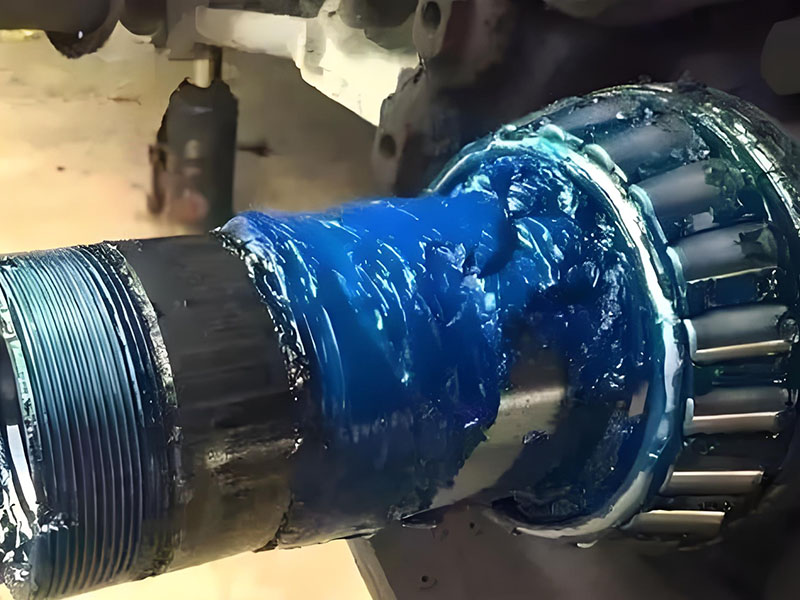
10. Do I need to pack grease into a new hub assembly?
No. Replacement hub assemblies are factory‑sealed and pre‑lubricated for the entire service life. Adding grease would require disassembly, which damages the seal and voids any warranty.
Conclusion
Installing replacement hub assemblies requires more than basic mechanical skill. Proper part selection, cleaning of mounting surfaces, correct torque application, and avoiding reused hardware are all critical to achieving a safe, long‑lasting repair. Before you begin, confirm the symptoms, choose a quality assembly that matches your vehicle’s ABS system, and plan for post‑installation alignment and testing. Following these guidelines reduces the risk of premature failure and ensures your wheel bearing system performs as designed.