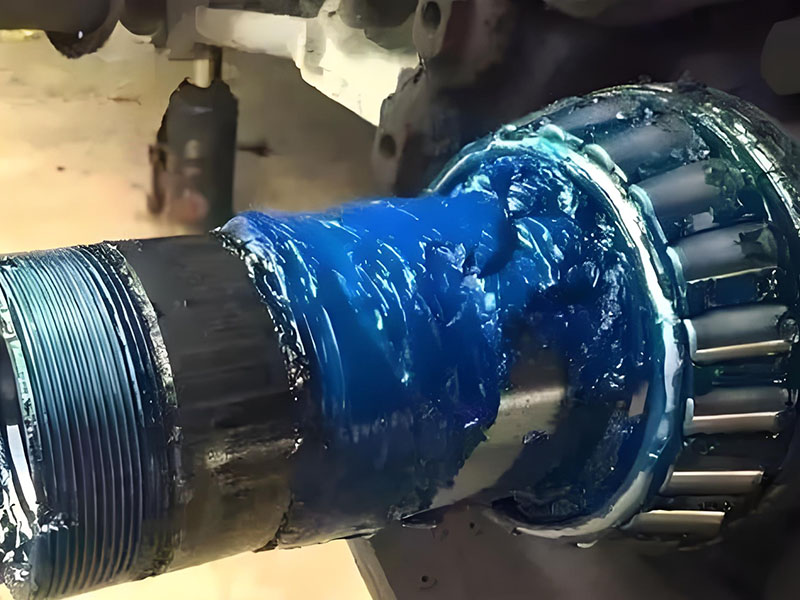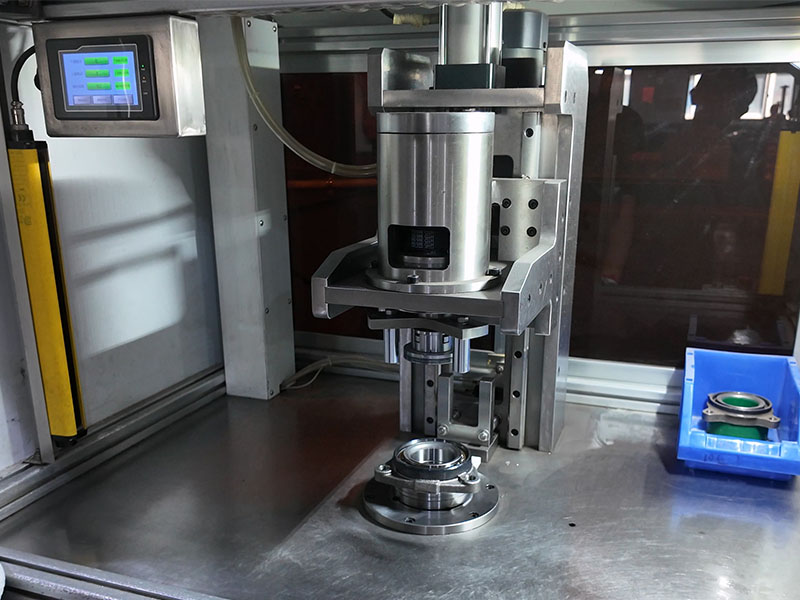
Wheel hubs are the critical interface between a vehicle’s wheels and its suspension or drivetrain. Without a properly functioning wheel hub, the wheel cannot rotate smoothly, carry the vehicle’s weight, or maintain alignment. DUHUI will explain what wheel hubs are, where they are located, how they work together with the wheel bearing, and answer common questions about their operation and failure.
What Is a Wheel Hub?
A wheel hub is a forged or cast metal component (typically steel or aluminum) that mounts directly to the wheel bearing. The wheel itself bolts to the hub via lug studs or bolt holes. On many modern vehicles, the wheel hub comes pre-assembled with the wheel bearing and sometimes an ABS sensor ring – this complete unit is called a wheel hub assembly. However, the term “wheel hub” alone refers to the structural part that provides the mounting surface for the wheel and connects to the steering knuckle or axle shaft.
Where Is the Wheel Hub Located?
The wheel hub sits inside the wheel, behind the brake rotor or drum. It is positioned between the brake components, the suspension knuckle, and the axle shaft. More specifically, the wheel hub connects to:
- Brake rotor or drum – The rotor slides over the hub’s pilot bore.
- Steering or suspension knuckle – The hub bearing is pressed or bolted into the knuckle.
- Axle shaft (on drive wheels) – The outer CV joint or axle stub splines into the hub.
On non‑drive wheels (e.g., rear wheels of front‑wheel‑drive cars), the hub rotates freely on the bearing without torque from an axle.
How Does a Wheel Hub Work? (The Role of the Bearing)
Although the wheel hub itself does not rotate relative to the wheel (they are bolted together), the hub with the wheel bearing enables rotation. Here is the step‑by‑step working principle:
- The wheel hub provides a rigid, precisely machined mounting surface for the wheel. The wheel’s lug nuts clamp the wheel to the hub.
- Inside the hub is a wheel bearing – either a tapered roller bearing, ball bearing, or a sealed hub unit bearing. The bearing’s inner ring is typically pressed onto the hub, while the outer ring is fixed to the steering knuckle (or the reverse for some designs).
- When the vehicle moves, the wheel and hub rotate as one piece. The bearing allows this rotation with minimal friction by rolling elements (balls or rollers) between the inner and outer rings.
- On a drive wheel, the axle shaft or CV joint transmits engine torque to the hub via splines. The hub then transfers that rotational force directly to the wheel.
- On a non‑drive wheel, the hub simply rotates freely on the bearing as the wheel rolls.
Throughout operation, the wheel hub and bearing together support the vehicle’s static and dynamic loads, while maintaining the wheel’s perpendicular alignment to the road.
Key Functions of the Wheel Hub and Bearing Assembly
The combined hub‑bearing unit performs three essential tasks:
- Smooth rotation at highway speeds – The bearing’s low rolling resistance enables speeds over 200 km/h (120 mph) without overheating or seizing.
- Support thousands of pounds of vehicle weight – Each corner of a typical passenger car carries 600–900 lbs of static load, plus additional dynamic loads during cornering, braking, and acceleration.
- Maintain proper wheel alignment – The hub’s precise machining ensures the wheel’s mounting face is perpendicular to the bearing axis. Any deviation would cause camber or toe errors, uneven tire wear, and poor handling.
Frequently Asked Questions (FAQs)
What is the purpose of a wheel hub?
The wheel hub provides a strong, accurately positioned mounting point for the wheel and houses the bearing that allows the wheel to rotate. It also connects the wheel to the steering and braking systems.
Can a wheel hub fail without the bearing failing?
Yes, though less common. The hub itself can crack due to impact (e.g., pothole or curb strike) or corrode severely. The lug studs can strip or break. In such cases, the bearing may remain functional but the hub still needs replacement.
Is a wheel hub the same as a hub assembly?
Not exactly. A “wheel hub” alone refers to the metal flange that bolts to the wheel. A “wheel hub assembly” (or hub unit) is a pre‑assembled part that includes the hub, the wheel bearing, and often an ABS tone ring, sealed as one maintenance‑free unit. Many modern cars use hub assemblies, while older or heavy‑duty vehicles may have separate hubs and bearings.
How long do wheel hubs last?
For most passenger vehicles, original‑equipment wheel hubs and bearings last between 100,000 and 150,000 miles (160,000–240,000 km). Driving conditions (water, dirt, salt) and load significantly affect lifespan. Aftermarket quality varies – a well‑manufactured hub can achieve similar durability.
What are common symptoms of a failing wheel hub or bearing?
Typical signs include: a humming, grinding, or rumbling noise that changes with wheel speed; excessive wheel play (wobble) when lifted; ABS warning light (if the tone ring is damaged); uneven brake rotor wear; or steering vibration.
Can a wheel hub be repaired or must it be replaced?
Worn wheel bearings inside a hub assembly are generally not serviceable – the entire hub assembly must be replaced. If the hub flange is cracked, studs are damaged, or the bearing race is pitted, replacement is the only safe option. Regreasing or adjusting old‑style tapered roller bearings is possible on some separable hub designs, but most modern sealed units are non‑repairable.
How to check a wheel hub for excessive play?
Raise the wheel off the ground. Grasp the tire at the 12 o’clock and 6 o’clock positions, then push and pull alternately. Any noticeable clunking or movement indicates a worn hub bearing. For more precision, use a dial indicator on the hub flange while rocking the wheel.
Can I drive with a bad wheel hub?
Driving with a failing wheel hub is not recommended. A loose wheel can affect steering control, increase stopping distance, and potentially cause the wheel to detach. At minimum, continued driving accelerates damage to the bearing, brake rotor, and axle components.
Should wheel hubs be replaced in pairs?
There is no mechanical requirement to replace both front hubs or both rear hubs simultaneously. However, if one hub has failed due to high mileage or harsh conditions, the opposite side often has similar wear. Replacing both can save labor costs later. Always inspect the other side; if it shows any noise or play, replace in pairs.
Conclusion
Wheel hubs are not simply passive flanges – they work in direct conjunction with wheel bearings to enable smooth, load‑carrying rotation while keeping the wheel correctly aligned. Understanding how wheel hubs function helps technicians diagnose noise, play, or ABS faults accurately. For vehicle owners, recognizing early signs of hub or bearing wear can prevent unsafe driving conditions and more costly repairs. Manufacturers such as DUHUI Bearing produce precision wheel hubs and hub assemblies that meet OE specifications, offering reliable alternatives for the aftermarket. Regular inspection and timely replacement of worn hubs ensure safe and efficient vehicle operation.