When a bearing starts producing abnormal sounds during operation, it often signals an underlying issue. Bearing noise is not merely an acoustic nuisance—it can help diagnose problems before failure occurs. This article explains the causes of bearing noise, its impact on machinery, and practical solutions. Topics cover lubrication, contamination, misalignment, overloading, and component defects. Whether you maintain industrial equipment or automotive wheel hub bearings, understanding these principles will help reduce downtime and extend service life.
What Leads to Noisy Bearings?
Bearing noise can arise from multiple sources. Identifying the root cause is the first step toward an effective solution. The following factors are the most common contributors.
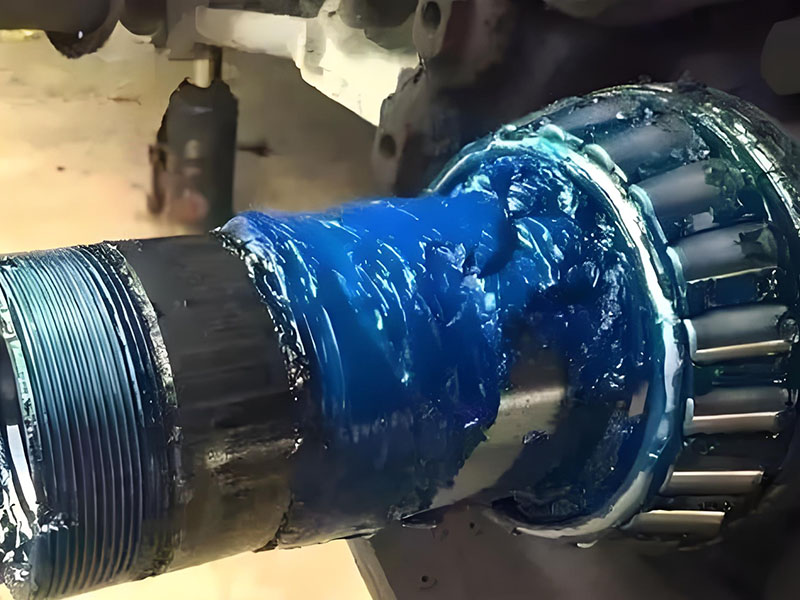
Lack of lubrication. Insufficient or improper lubrication increases friction between bearing components. This leads to metal-to-metal contact and audible noise. According to maintenance industry data, poor lubrication accounts for approximately 36% of premature bearing failures. Both under-lubrication and over-lubrication cause problems. Excessive grease can lead to churning and overheating. Insufficient lubricant fails to maintain a protective film between rolling elements and raceways.
Contamination. Foreign particles—dirt, dust, metal chips, moisture, or process debris—can enter a bearing and disrupt smooth motion. Even microscopic contaminants act as abrasives, creating irregular noise patterns such as “sandy” or grinding sounds. Contamination is responsible for around 14% of bearing failures.
Misalignment. When bearing components are not properly aligned relative to the shaft or housing, uneven loading occurs across rolling elements. This condition produces cyclic noise that may vary with rotational speed. If left unaddressed, misalignment accelerates wear significantly.
Overloading. Operating a bearing beyond its rated load capacity accelerates internal wear and generates abnormal noise. Overloading may also cause elastic deformation of bearing components.
Defective components. Worn or damaged parts—balls, rollers, raceways, cages, or seals—produce distinct noise signatures. Common damage types include brinelling (impact indentations), flaking (fatigue spalling), rust, and cage fracture.
Other causes. Improper mounting techniques account for roughly 16% of premature failures. Excessive internal clearance, incorrect fit between bearing and shaft/housing, and vibration from surrounding machinery also contribute.
What Is the Impact of Bearing Noise?
While bearings often outlast the machinery they serve, approximately 10% may develop noise-related problems. The consequences of ignoring bearing noise include the following.
Reduced efficiency. Increased friction causes energy loss and higher operating costs. More power is needed to maintain rotational speed.
Premature wear. Bearing noise is a precursor to mechanical wear. Continued operation accelerates damage to rolling elements and raceways, shortening service life.
Safety risks. Unaddressed bearing issues can escalate into catastrophic failures. Excessive vibration may compromise equipment stability, especially in rotating machinery and automotive applications.
Downtime. Unplanned bearing failures disrupt production, cause financial losses, and increase maintenance costs.
What Should You Do if Your Bearing Starts Making Noise?
Follow a systematic approach to diagnose and resolve the issue.
Diagnose the source. Listen to the sound characteristics. Irregular sandy noise suggests contamination. Cyclic metallic sounds often indicate raceway flaws. High-pitched squeaking points to lubrication issues. Inspect the bearing and surrounding components for visible wear or damage. For automotive applications, such as noisy wheel hub bearings, perform a road test. Observe how noise changes with speed, turning, and braking to isolate the source.
Address lubrication issues. If lubrication is insufficient, replenish or replace the lubricant. Use a product suitable for operating conditions (speed, load, temperature range). Do not over-lubricate, as excess grease increases temperature and drag.
Clean and inspect. Remove contamination from the bearing and housing. After cleaning, inspect rolling elements, raceways, cages, and seals for wear or damage.
Check for misalignment. Verify that the bearing is properly aligned with the shaft and housing. Correct small deviations without replacing the bearing. If shaft bending or housing distortion caused misalignment, address those underlying issues.
Monitor performance. After corrective actions, regularly monitor for any recurrence of abnormal noise. Use acoustic emission detection or vibration monitoring where available. If noise persists or worsens, bearing replacement may be necessary.
Can Bearing Noise Issues Be Prevented?
Yes. Proactive maintenance and probloper installation can prevent most bearing noise prems.
Regular lubrication. Implement a scheduled lubrication program using quality products appropriate for the application. Both lubricant type and quantity matter.
Proper alignment. Accurately align bearing components with shafts and housings. Verify alignment during installation and periodically during operation.
Contamination control. Use appropriate sealing arrangements. Keep housing designs clean. Store unused bearings in original packaging in dry environments. Always wear clean gloves during handling.
Load management. Do not operate bearings beyond rated load capacity. If higher loads are required, select bearings with appropriate specifications.
What Additional Measures Help Prevent Bearing Noise Long-Term?
Long-term prevention requires a comprehensive strategy that includes quality assurance, personnel training, and advanced monitoring.
Ensure routine inspections. Regularly check for increased vibration, unusual noise, temperature rise, and lubricant condition. For industrial equipment, weekly or monthly preventive maintenance is recommended. Bearings should be thoroughly cleaned at least once per year and relubricated with fresh grease.
Provide training to personnel. Improper mounting causes roughly 16% of premature failures. Train staff to use correct tools (pullers, induction heaters, impact rings) and to apply pressure evenly to the correct race.
Invest in high-quality bearings. Precision-manufactured bearings offer better dimensional accuracy, surface finish, and material consistency. For automotive wheel hub applications, bearings with optimized raceway geometry and high-quality steel provide quieter operation and longer life.
Adopt predictive maintenance techniques. Use sensors to track temperature, vibration, and acoustic emissions. Acoustic emission technology is effective for detecting early-stage bearing damage. For automotive applications, listening devices and stethoscopes help isolate noise sources during test drives.
Frequently Asked Questions
Q1: Can misalignment affect bearing noise?
A1: Yes. Misalignment is a major cause of bearing noise. Uneven loading creates cyclic noise patterns and accelerates wear. Verify alignment during installation and correct it promptly when noise develops.
Q2: How important is monitoring for addressing bearing noise?
A2: Critical. Monitoring helps diagnose existing noise and prevent future issues. Vibration analysis and acoustic emission detection identify early signs of wear. For industrial applications, predictive maintenance enables scheduled interventions rather than unplanned downtime.
Q3: Can noise issues in bearings be resolved without replacing the entire bearing?
A3: Yes, in many cases. Noise from contamination, improper lubrication, or minor misalignment can often be resolved by cleaning, relubrication, and realignment. If damage such as spalling, brinelling, rust, or cage fracture has occurred, replacement is necessary.
Q4: How critical is addressing bearing noise for overall machinery performance?
A4: Essential. Bearing noise is often the earliest detectable indicator of developing problems. Ignoring it leads to increased friction, reduced efficiency, accelerated wear, safety risks, and unplanned downtime. Timely intervention maintains operational efficiency and extends equipment life.
Summary
Bearing noise is a diagnostic signal that should not be overlooked. Common causes include lubrication deficiencies, contamination, misalignment, overloading, and component defects. Unaddressed noise leads to reduced efficiency, premature wear, safety risks, and downtime. Effective responses involve systematic diagnosis, lubricant management, cleaning, alignment verification, and performance monitoring. Proactive prevention through regular lubrication, alignment control, contamination management, and load management avoids most issues. Long-term prevention requires routine inspections, personnel training, quality bearings, and predictive maintenance techniques. Apply these strategies to manage bearing noise and its operational impact effectively.