You’ve just installed a brand-new wheel hub assembly, and instead of spinning freely, it feels tight or stiff. It’s a common concern that often leaves car owners wondering: is this a sign of a high-quality part, or a problem in the making? The answer lies in understanding the sophisticated engineering behind a modern wheel hub assembly. DUHUI will explain why a new wheel hub assembly feels stiff, what to expect during the break-in period, and how to identify when that stiffness is a warning sign you shouldn’t ignore.
The Science Behind the Stiffness: Why a New Wheel Hub Assembly Is Designed This Way
A new wheel hub assembly’s initial stiffness is not a defect; it’s a deliberate outcome of its precision design. Let’s break down the three key factors that contribute to this characteristic.
Precision Engineering and Bearing Preload
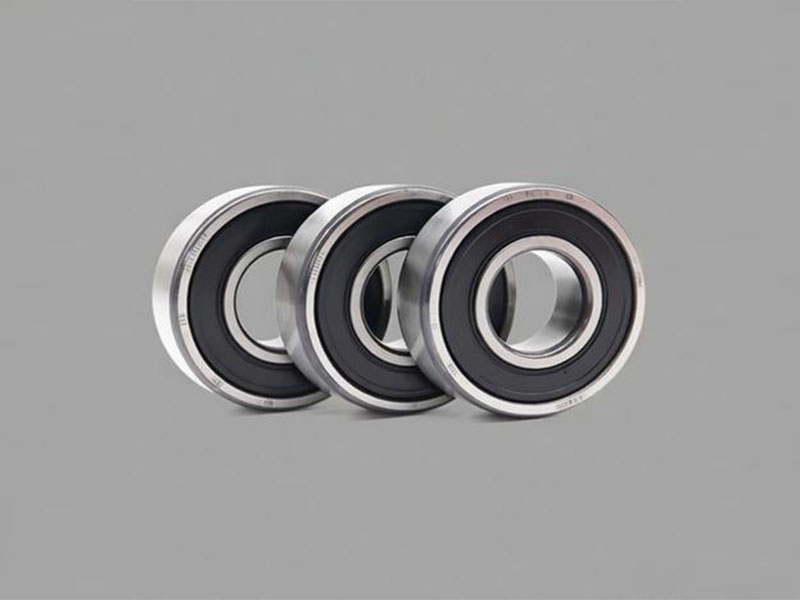
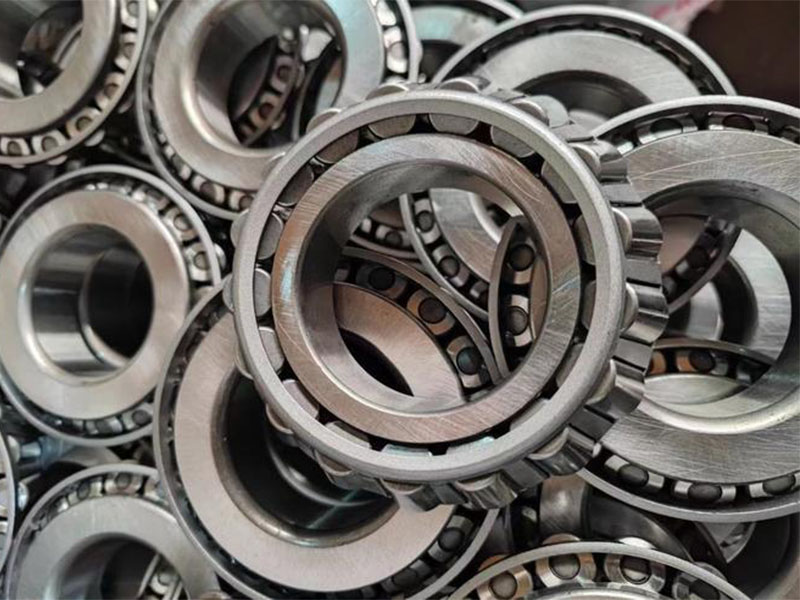
At the heart of a wheel hub assembly is a set of high-precision bearings. To ensure zero play and maximum stability under the immense loads of driving, manufacturers apply a specific amount of bearing preload. This preload eliminates internal clearance, ensuring that the bearings are in constant, optimal contact with the raceways. This meticulous setup is what provides the rigidity and long service life that quality wheel hub assemblies are known for. As a manufacturer, DUHUI Bearing emphasizes that this precise preload is a hallmark of a well-engineered wheel hub assembly.
High-Viscosity Grease for Long-Term Protection
Inside your new wheel hub assembly is a fresh, high-quality grease. Unlike the worn-out grease in an old, loose hub, this new grease has a higher viscosity (thickness). It’s designed to provide superior lubrication, reduce long-term wear, and protect against corrosion. This initial thickness adds to the rotational resistance you feel. Think of it as a protective cushion that will settle over time within your wheel hub assembly, rather than a sign of a malfunction.
The Role of New Seals
Modern wheel hub assemblies are sealed units designed to keep contaminants like water, dirt, and road salt out. New seals are made from resilient rubber and are intentionally tight against the hub’s surface to create a perfect barrier. This initial tightness contributes to the overall stiffness you feel. This robust sealing is critical for maintaining the integrity of the entire wheel hub assembly over tens of thousands of miles.
The Break-In Period: When Will Your Wheel Hub Assembly Feel Normal?
So, when can you expect that new wheel hub assembly to feel like a “normal” part of your vehicle? Patience is key, as most hubs require a short break-in period.
The Running-In Process
The running-in or break-in period is the time it takes for the new components of your wheel hub assembly to settle into their working environment. During the first 100 to 300 miles of normal driving, the high-viscosity grease will begin to distribute evenly across the bearing surfaces, and the new seals will slightly conform to their mating surfaces. You should notice a gradual reduction in stiffness as your wheel hub assembly “breaks in.”
The Influence of Temperature
Temperature plays a significant role in how your wheel hub assembly feels. When the hub is cold, especially on a winter morning, the grease is at its thickest, making the wheel hub assembly feel very stiff. As you drive, the natural friction from rolling and braking generates heat, which in turn thins out the grease, reducing resistance. If the stiffness is only present when the car is cold and disappears after a short drive, it is almost certainly a normal characteristic of a new wheel hub assembly.
How to Judge Normal vs. Abnormal
A good rule of thumb is that a new wheel hub assembly should feel smooth, albeit tight. If you have the wheel off the ground, you should be able to spin it by hand. It might not spin freely for several rotations like an old, worn hub, but the rotation should be smooth, with no grinding, roughness, or “notchy” spots. A consistent, even resistance is normal for a quality wheel hub assembly.
When Stiffness Signals a Problem: Red Flags to Watch For
While initial stiffness is normal, there are critical instances where it indicates a serious problem with your wheel hub assembly. Being able to distinguish these is vital for your safety.
Issues with Part Sourcing and Quality
Not all wheel hub assemblies are created equal. A wheel hub assembly from an unknown source may lack the precision engineering required for correct preload. It could be manufactured with poor tolerances, leading to excessive preload (making it far too tight) or insufficient preload (which will cause premature looseness and failure). Choosing a quality manufacturer like DUHUI Bearing ensures that your wheel hub assembly is built to precise specifications, minimizing the risk of these issues from the start.
Common Installation Errors
Proper installation is just as critical as the part itself. Common mistakes that lead to abnormal stiffness in a wheel hub assembly include:
- Damaging the Seals: Nicking or deforming a seal during installation will not only cause stiffness but also lead to future contamination and failure of the wheel hub assembly.
- Incorrect Axle Nut Torque: The axle nut is what sets the bearing preload. If it is over-torqued, it will crush the internal components of the wheel hub assembly, causing excessive friction, heat, and immediate failure.
Critical Warning Signs That Require Immediate Attention
If you experience any of the following symptoms alongside stiffness, it’s time to stop driving and have your wheel hub assembly inspected by a professional:
- Screeching or Grinding Noise: This is a classic sign of a bearing that has lost lubrication or is experiencing metal-on-metal contact within the wheel hub assembly. Stiffness combined with noise is a major red flag.
- Abnormal Heat Generation: After a drive, carefully (without burning yourself) feel the wheel and the hub area. If one wheel is significantly hotter than the others, it indicates excessive friction within the wheel hub assembly, likely from a faulty part or over-torqued axle nut.
- ABS Warning Light: Modern wheel hub assemblies often house the ABS (Anti-lock Braking System) wheel speed sensor. If a wheel hub assembly is installed incorrectly, the sensor gap is wrong, or the internal magnetic encoder ring is damaged, it will trigger the ABS light on your dashboard. This is a clear sign of a problem.
Conclusion
A new wheel hub assembly feeling stiff is usually a positive sign of precision engineering, featuring the correct preload, high-viscosity grease, and effective new seals. This characteristic is part of a normal break-in period and should subside into smooth, quiet operation over the first few hundred miles.
However, it’s crucial to stay vigilant. If the stiffness in your wheel hub assembly is accompanied by grinding noises, excessive heat, or an ABS warning light, it signals a problem that needs immediate professional attention.