You’ve just bought a brand-new universal joint (U-joint) for your driveshaft. You pick it up, try to move the bearing caps by hand, and it feels… stiff. A wave of doubt hits you: “Is this normal? Should new u-joints be tight, or did I get a defective part?”
This is one of the most common questions among DIY mechanics and even some professional technicians. The short answer is yes, new u-joints are supposed to feel tight. In fact, that initial stiffness is a critical indicator of quality and precision engineering. But why is this the case? And what happens if you ignore the correct installation procedure? DUHUI will draw on our expertise as a professional bearing manufacturer to explain the engineering behind a tight new U-joint, how it naturally wears over time, and the one installation mistake that can instantly ruin it.
Why New U-Joints Require Precision Fit
If you’re holding a new, high-quality U-joint, like those manufactured by DUHUI Bearing, and it feels tight, that’s a good sign. This sensation is a direct result of its design as a precision bearing system.
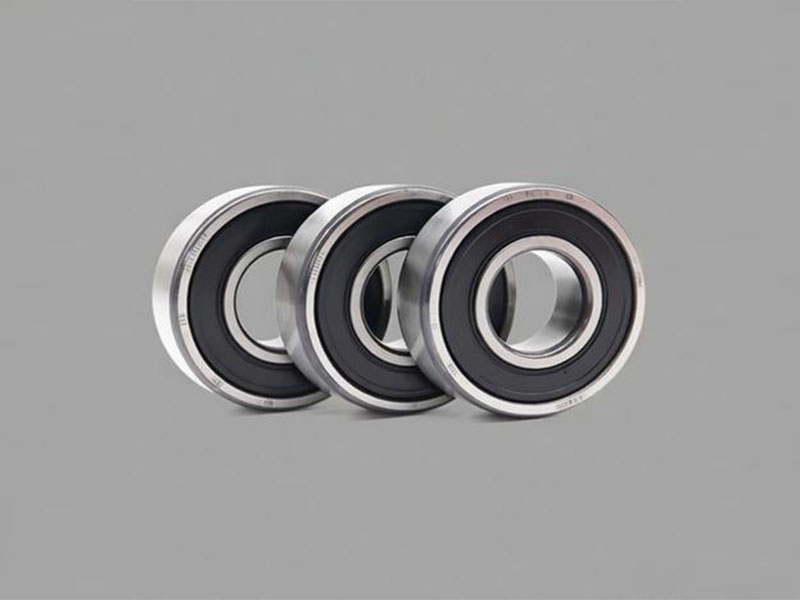
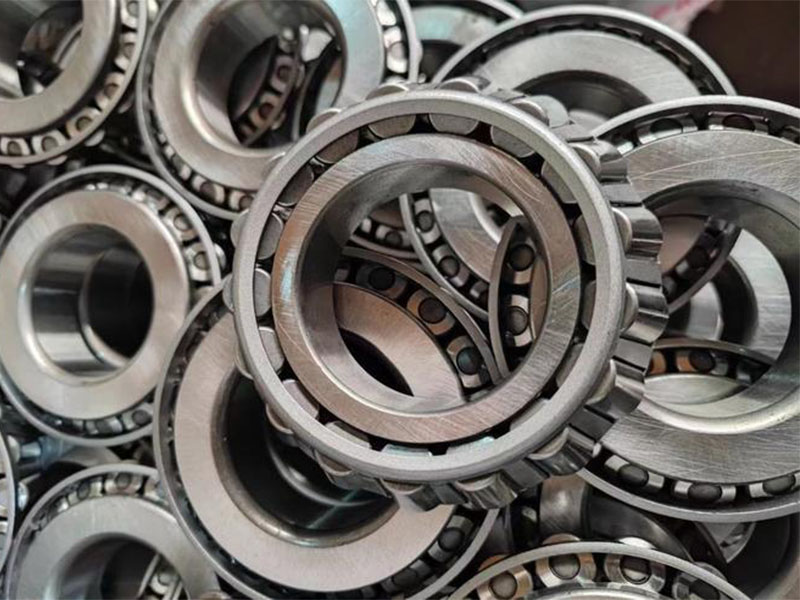
A U-joint is not a loose-fitting mechanical link; it’s a sophisticated assembly consisting of a cross journal, bearing cups, and a set of tiny, hardened steel needles (needle bearings). During manufacturing, these components are engineered with extremely tight tolerances. The fit between the needle bearings and the bearing cup, as well as the preload on the assembly, is calculated to be near zero or even slightly negative. This ensures:
- Zero Vibration: A tight fit eliminates any slack that could cause driveshaft vibration at high speeds.
- Perfect Alignment: It maintains the precise centering of the driveshaft yokes.
- Long-Term Reliability: The initial tightness ensures the sealing system works effectively, keeping contaminants out and lubricant in.
Reputable manufacturers adhere to strict quality control standards to ensure every new part meets these precise specifications. So, rest assured, that “tight” feeling is a feature, not a flaw.
How New U-Joints Become “Loose” Over Time
To fully appreciate why new U-joints are tight, it’s helpful to understand their lifecycle. A U-joint will transition from “new and tight” to “worn and loose” through two distinct phases.
The Natural Progression from “Tight” to “Worn”
- Break-in Period: During the initial miles of operation, the microscopic peaks on the surfaces of the needle bearings and the cross journal will gently wear down. This is a normal “lapping-in” process. You might notice the U-joint feels slightly less stiff after this break-in, but it will remain firmly seated without any play.
- Long-term Wear: Over tens of thousands of miles, constant rotational forces, impact loads, and potential contamination will cause gradual, microscopic wear on the bearing surfaces. This erosion slowly increases the internal clearance. This is when you begin to feel the “looseness”—that slight rotational play or clunk—which is the definitive sign of a worn U-joint.
A Direct Comparison: New vs. Worn U-Joints
| Feature | New U-Joint | Worn U-Joint |
| Hand Feel | Tight, smooth resistance to movement. | Loose, noticeable angular play or “slop.” |
| Internal Clearance | Precision-fit with zero (or negative) clearance. | Increased clearance due to wear on bearings and cross. |
| Performance | No vibration, quiet operation, accurate power transfer. | Potential for driveline clunk, vibration at speed, and eventual failure. |
Attempting to judge a new U-joint’s quality by how “loose” it feels is a fundamental misunderstanding. A new, high-quality U-joint should never feel like a worn one.
How “Over-Tightening” Destroys a New U-Joint
While a new U-joint is designed to be tight, one installation error can turn that tightness into a catastrophic failure. The most common and deadly mistake is pressing the bearing caps too deep into the yoke.
The Fatal Error and Its Consequences
When installing a U-joint, the bearing cap must be pressed in only until it is flush with the yoke, allowing the retaining clip (circlip) to be seated perfectly in its groove.However, using excessive force or improper tools can drive the cap too far inward. This seemingly small error has severe consequences:
- Disrupts Needle Bearing Alignment: The cap presses against the end of the needle bearings, forcing them out of their proper alignment within the bearing cup. They can become tilted, crossed, or even dislodged.
- Damages the Cage or Rollers: Once the needles are misaligned, the rotational force will cause them to grind against the bearing cage or the cross journal, leading to immediate damage like cracking or galling.
- Leads to Seizure or Premature Failure: The result is a U-joint that is either seized from the start (unable to articulate) or one that will fail prematurely within a few hundred miles, producing noise, vibration, and ultimately breaking.
The Takeaway: Proper installation is just as important as part quality. Always use the correct press tools, apply pressure evenly, and ensure the caps are seated to the exact depth for the retaining clips. When in doubt, consult a professional.
Conclusion
So, should new u-joints be tight? Absolutely. A tight new U-joint is a hallmark of precision engineering, ensuring a vibration-free driveline and long service life. The journey from “tight” to “loose” is a natural wear cycle that should take tens of thousands of miles.
Choosing a high-quality component is the first step, but the journey doesn’t end there. Correct installation is critical to protect the precision engineering inside. By avoiding the common mistake of pressing the caps too deep, you safeguard your investment and ensure your vehicle’s safety and reliability.