If you’re asking, “How often should U-joints be replaced?” you’re already thinking critically about your vehicle’s drivetrain health. Generally, universal joints (U-joints) should be inspected regularly and replaced between 60,000 and 80,000 miles. However, this is not a one-size-fits-all rule. The actual replacement interval depends heavily on driving conditions, vehicle type, maintenance habits, and the quality of the components themselves. Ignoring a worn U-joint can lead to vibrations, strange noises, and even catastrophic driveline failure. In this guide, we’ll help you understand the signs of wear, the factors that affect U-joint life, and how to ensure your vehicle stays safe and reliable.
What Are U-Joints and Their Role in Your Vehicle?
U-joints, or universal joints, are critical components found on the driveshafts of most rear-wheel-drive and four-wheel-drive vehicles. They allow the driveshaft to flex and transmit power at varying angles as your suspension moves up and down. Essentially, they connect the transmission to the differential, enabling smooth power transfer even when the axle isn’t perfectly aligned with the transmission. Given their constant motion and exposure to stress, dirt, and moisture, U-joints are wear items that require periodic attention.
Recommended Replacement U-Joint Lifespan
While the 60,000- to 80,000-mile mark is a good rule of thumb, several factors can shorten or extend a U-joint’s life:
- Driving Conditions: Frequent stop-and-go traffic, towing heavy loads, off-roading, or driving on rough roads puts extra stress on U-joints, potentially requiring replacement closer to 50,000 miles.
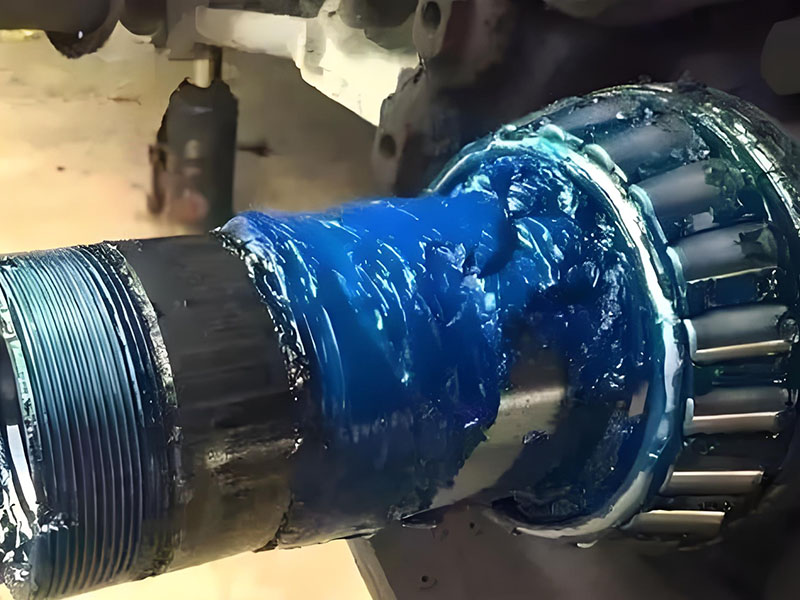
- Lubrication: U-joints with grease fittings (zerks) need regular lubrication. If neglected, they can fail prematurely. Sealed, maintenance-free U-joints typically last longer but must be replaced as a unit when worn.
- Vehicle Type: Larger vehicles like trucks and SUVs, especially those used for towing, exert more force on U-joints, leading to shorter service life.
- Quality of Parts: Investing in high-quality U-joints from reputable manufacturers like DUHUI Bearing ensures better materials and precision engineering, which can extend replacement intervals.
Ultimately, the best answer to “how often should U-joints be replaced?” is: follow your vehicle manufacturer’s recommendations, but also pay attention to the warning signs outlined below.
Common Causes of U-Joint Failure
Understanding why U-joints fail can help you prevent premature wear. The most common culprits include:
- Lack of Lubrication: Insufficient grease causes metal-on-metal contact, leading to rapid wear, heat buildup, and seizing.
- Misalignment: Incorrect driveline angles, often caused by lifted suspensions or improper installation, place constant stress on the U-joint, wearing it out unevenly.
- Loose Connections: Worn or loose retaining clips, yokes, or bolts can allow the U-joint to move excessively, accelerating wear.
- Normal Wear and Tear: Over time, even with proper maintenance, the needles inside the bearing caps can fatigue, corrode, or break due to millions of rotations.
Consequences of Driving with Worn U-Joints
Delaying U-joint replacement can lead to a cascade of problems, affecting both safety and your wallet:
- Vibrations During Acceleration or Deceleration: A worn U-joint creates an imbalance in the driveshaft, resulting in noticeable vibrations that worsen with speed.
- Clunking Noises: You may hear a distinct clunk or squeak when shifting gears, accelerating from a stop, or changing direction. This often indicates excessive play in the joint.
- Transmission Seal Leakage: Excessive driveshaft movement from a failing U-joint can damage the transmission output shaft seal, leading to expensive fluid leaks.
- Complete Driveline Failure: In extreme cases, a U-joint can catastrophically fail, causing the driveshaft to detach, potentially damaging the undercarriage and creating a serious safety hazard.
How to Diagnose Failing U-Joints
Regular inspection is key. Here are three ways to check your U-joints:
- Visual Inspection: Safely raise the vehicle and inspect the U-joints. Look for rust around the bearing caps, missing or damaged grease fittings, and any signs of grease leakage.
- Physical Check: Grab the driveshaft near the U-joint and try to move it up and down or side to side. Any noticeable play or looseness indicates a worn joint. Also, check for seized joints that won’t pivot smoothly.
- Road Test Diagnosis: Drive slowly in a parking lot, turning the steering wheel fully and listening for clicks. On the road, note any vibrations that occur at specific speeds or when accelerating/decelerating.
Step-by-Step Overview of U-Joint Replacement
Replacing U-joints requires mechanical skill and the right tools. While many DIYers tackle this job, it can be challenging. Here is a high-level overview:
- Tools and Parts Needed: New U-joints (quality ones from DUHUI Bearing are recommended), a press or large vise, snap-ring pliers, sockets, and a torque wrench.
- Remove the Driveshaft: Safely support the vehicle, mark the orientation of the driveshaft for reinstallation, and unbolt it from the differential and transmission.
- Replace the U-Joints: Remove the snap rings and press out the old bearing caps. Carefully press in the new U-joint, ensuring the needles are properly seated. Reinstall the snap rings.
- Reinstall and Test: Reinstall the driveshaft, torque all bolts to specifications, and perform a road test to ensure smooth operation.
Common Myths and Mistakes in U-Joint Maintenance
Avoid these common pitfalls to ensure your U-joints last and perform correctly:
- Myth 1: “If It’s Not Making Noise, It’s Fine.” Internal wear can occur long before noise develops. Regular physical inspections are essential.
- Myth 2: “More Grease Is Always Better.” Over-greasing a U-joint can blow out the seals, allowing contaminants in. Grease slowly until you see it purge slightly from the seals.
- Myth 3: “Just Replace the U-Joint, Not the Related Parts.” Always inspect the yoke and driveshaft for wear or damage. If these are worn, a new U-joint will fail prematurely.
Conclusion
Knowing how often U-joints should be replaced—and recognizing the signs of failure—is crucial for vehicle safety and performance. Regular inspections and timely replacements can save you from costly repairs and breakdowns. Whether you’re a professional mechanic or a DIY enthusiast, choosing a reliable replacement part is just as important as the replacement itself.
At DUHUI Bearing, we are committed to providing durable, precision-engineered U-joints and bearings that drivers around the world trust. When it’s time for a replacement, choose quality. Choose DUHUI Bearing.