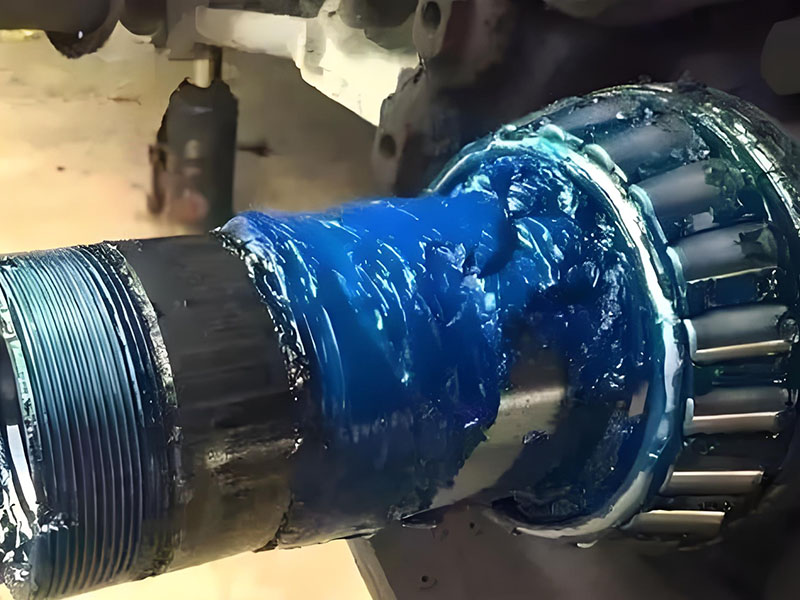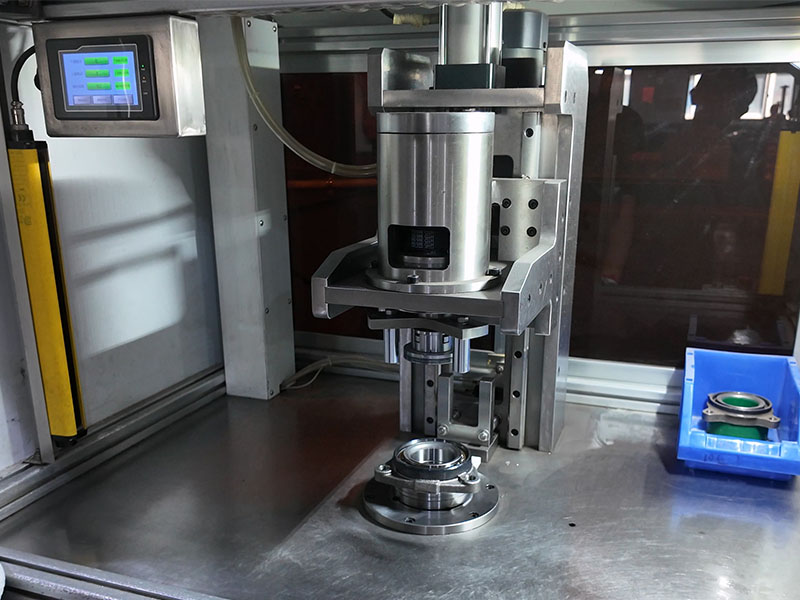
Proper lubrication is the lifeblood of any rotating component, and wheel bearings are no exception. Choosing the right wheel bearing grease and applying it correctly is critical for vehicle safety, performance, and longevity. DUHUI will dive deep into the composition, types, classifications, and best practices for wheel bearing grease, hoping to be helpful to you.
What is Wheel Bearing Grease?
Wheel bearing grease is a semi-solid lubricant specifically formulated to reduce friction, dissipate heat, and protect against wear and corrosion in the demanding environment of a wheel hub. Unlike engine oil, grease stays in place, providing a continuous lubricating film even under high pressure and centrifugal forces.
Core Components of Grease
Grease is not just “oil”; it’s a sophisticated blend of three essential ingredients:
- Base Oil (70–95%) : This is the actual lubricant. It can be mineral-based (derived from petroleum) or synthetic (chemically engineered). The base oil determines the grease’s viscosity and low‑temperature performance.
- Thickener (5–20%) : Often called a “soap,” this acts like a sponge that holds the base oil. Common thickeners include lithium, lithium complex, calcium, and polyurea. The thickener gives grease its semi‑solid consistency.
- Additives (0–10%) : These are performance enhancers. They include extreme pressure (EP) agents, anti‑wear additives, oxidation inhibitors, rust preventatives, and friction modifiers.
Synthetic vs. Mineral Oil‑Based Grease
One of the first decisions when selecting wheel bearing grease is the type of base oil.
Mineral Oil‑Based Grease
Refined from crude oil, mineral‑based greases are cost‑effective and perform well in moderate temperatures and loads. They are suitable for many older vehicles and light‑duty applications. However, they have a narrower operating temperature range and can oxidize faster under high heat.
Synthetic Oil‑Based Grease
Engineered in a lab, synthetic greases offer superior thermal stability, oxidation resistance, and low‑temperature fluidity. They maintain their consistency across a wider temperature range (from -40°C to over 200°C) and provide longer service life. For modern vehicles with sealed hubs or those operating in extreme conditions, synthetic grease is often recommended.
How to Choose
Consider your vehicle’s operating conditions. For everyday passenger cars in normal climates, a high‑quality mineral‑based grease may suffice. For heavy‑duty trucks, high‑performance vehicles, or extreme temperatures, synthetic grease is the better investment.
Common Types of Wheel Bearing Grease
Beyond the base oil, greases are formulated for specific applications. Here are four common types you’ll encounter:
General Purpose Multi‑Purpose Grease
Designed for a wide range of automotive applications, including chassis, universal joints, and wheel bearings. It usually has a lithium thickener and moderate EP additives. Suitable for most standard vehicles.
High Temperature Multi‑Purpose Grease
Formulated with synthetic oils or advanced thickeners (like lithium complex) to withstand the intense heat generated by disc brakes. It resists melting and oxidation, making it ideal for modern vehicles with high‑performance braking systems.
Molybdenum Disulfide (Moly) Grease
Contains molybdenum disulfide, a solid lubricant that provides exceptional protection under extreme pressure and boundary lubrication conditions. Moly grease is often used in heavy‑duty applications, constant‑velocity joints, and where shock loads are present. It is generally not recommended for high‑speed wheel bearings due to potential incompatibility with some additives, but it has specialized uses.
Marine Grease
Engineered to resist water washout and saltwater corrosion. It typically contains a calcium or aluminum complex thickener and strong rust inhibitors. While it can be used in boat trailers, it’s not always the best choice for high‑speed automotive wheel bearings because it may lack the necessary high‑temperature performance.
Understanding NLGI Grades and Classifications
The National Lubricating Grease Institute (NLGI) classifies greases by consistency, which is measured by penetration.
The Meaning of Numbers (Consistency)
The NLGI number ranges from 000 (very fluid) to 6 (very hard). For wheel bearings, the most common grades are:
- NLGI #2: The standard for most automotive wheel bearings. It offers a good balance between staying in place and pumpability.
- NLGI #1: Slightly softer, used in some centralized lubrication systems or extremely cold climates.
- NLGI #3: Harder, used in some high‑speed applications or where leakage is a concern, but less common.
Always check your vehicle’s specifications; NLGI #2 is the default for the vast majority of wheel bearing applications.
The Meaning of Letters (Additives and Properties)
Sometimes you’ll see letters after the NLGI number, such as “GC” or “LB.” These are defined by ASTM standards:
- GC (Wheel Bearing Service) – indicates the grease has passed high‑temperature performance tests for automotive wheel bearings.
- LB (Chassis Service) – indicates good load‑carrying and anti‑wear properties for chassis components.
A grease labeled “GC-LB” meets the requirements for both wheel bearing and chassis applications and is a safe, versatile choice for most vehicles.
Why You Should Never Mix Different Wheel Bearing Greases
Mixing different types of wheel bearing grease can have serious consequences.
Chemical Incompatibility
Different thickeners (e.g., lithium vs. polyurea) are often not compatible. When mixed, they can react, causing the grease to soften, harden, or separate.
Potential Consequences
- Lubrication Failure: Loss of consistency leads to inadequate film thickness, causing metal‑to‑metal contact.
- Leakage: Incompatible mixtures may become fluid and leak out of the bearing seals.
- Structural Breakdown: The grease can lose its ability to stay in place, leading to dry bearings and catastrophic failure.
Safety Recommendation: Always completely remove old grease before applying a new type. If you are unsure of the existing grease, clean the bearing thoroughly and repack with a fresh, compatible product. Stick to one trusted brand and formulation.
Key Performance Indicators for Wheel Bearing Grease
When evaluating or specifying a grease, these technical properties matter most:
Dropping Point
The temperature at which the grease changes from semi‑solid to liquid. For wheel bearings, a dropping point above 200°C (400°F) is desirable, especially for high‑temperature applications.
Penetration
Measures the consistency (hardness) of the grease. As mentioned, NLGI #2 is typical. This test ensures the grease will stay in place yet still lubricate effectively.
Water Resistance
The ability to resist washout when exposed to water. Good water resistance prevents corrosion and maintains lubrication in rainy or wet conditions.
Extreme Pressure (EP) Performance
Essential for wheel bearings that endure heavy loads and shock. EP additives form a sacrificial layer on metal surfaces to prevent scoring and welding.
Oxidation Stability
Resistance to chemical breakdown from heat and oxygen. Good oxidation stability extends grease life and prevents the formation of harmful deposits.
Rust and Corrosion Prevention
Protects bearing surfaces from moisture and environmental contaminants, ensuring long‑term reliability.
Common Signs of Wheel Bearing Grease Failure
Recognizing failing grease can prevent costly damage. Watch for these indicators:
Discoloration
Fresh grease is usually amber, brown, or gray. Darkening or blackening can indicate oxidation, overheating, or contamination.
Oil Separation (Bleeding)
If you see a pool of oil around the grease, the thickener can no longer hold the base oil. This can happen with age or overheating.
Hardening or Softening
Grease that becomes hard and crusty, or excessively soft and runny, has lost its structural integrity.
Contamination
Gritty texture or visible metal particles indicate contamination from dirt or bearing wear. This accelerates component failure.
Unusual Odor
A burnt smell suggests the grease has been overheated, possibly due to a failing bearing or brake issue.
How to Properly Replace and Apply Wheel Bearing Grease
Correct application is as important as the grease itself. Follow these steps for reliable results:
Preparation: Cleaning and Inspection
- Remove the bearing and clean all old grease from the bearing, hub, and spindle using a solvent or brake cleaner.
- Inspect the bearing rollers and races for pitting, scoring, or discoloration. Replace any damaged components.
Methods for Removing Old Grease
- Use a parts washer or a brush and solvent to completely degrease the bearing.
- Dry the bearing thoroughly with a lint‑free cloth or compressed air. Never spin a bearing with compressed air as it can run dry and damage the surfaces.
Techniques for Packing New Grease
- Hand Packing: The most reliable method. Place a glob of grease in the palm of your hand and push the wide end of the bearing through it, forcing grease into the cage and rollers. Repeat until grease oozes from all sides.
- Bearing Packer Tool: A bench‑mounted tool that forces grease through the bearing quickly and evenly.
- Note: Simply smearing grease on the outside is insufficient; the grease must be forced into the spaces between the rollers.
Determining the Correct Amount of Grease
- Pack the bearing completely so that all internal spaces are filled.
- Apply a thin coat of grease to the bearing races, hub cavity, and spindle to prevent rust, but do not overfill the hub. Excessive grease can cause churning, overheating, and leakage.
- A good rule: the bearing should be fully packed, and the hub interior lightly coated. For most hubs, about one‑third to one‑half full of grease is adequate for the cavity.
Selecting and maintaining the right wheel bearing grease is a fundamental aspect of vehicle safety and durability. From understanding the chemistry of base oils and thickeners to recognizing the signs of failure, this guide covers the essential knowledge needed to keep bearings rolling smoothly.