As a car owner, you’re likely familiar with the routine maintenance schedule for oil changes, tire rotations, and brake pads. But one critical component that often gets overlooked is the wheel bearing. So, how often should wheel bearings be replaced? Unlike an oil filter, there’s no set mileage stamped in your owner’s manual. The answer depends on a variety of factors, but understanding the signs and lifespan can save you from a dangerous and costly breakdown. In this article, DUHUI will explore everything you need to know about wheel bearing replacement intervals.
What Do Wheel Bearings Do?
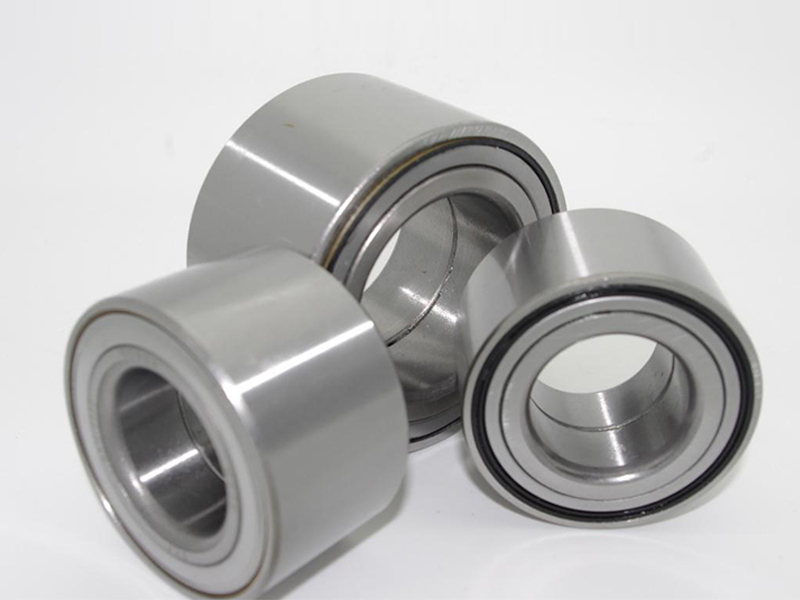
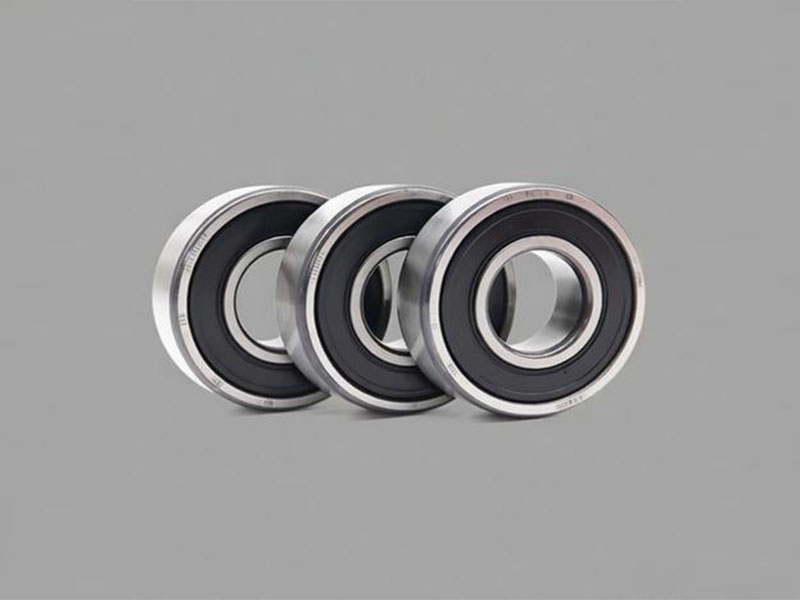
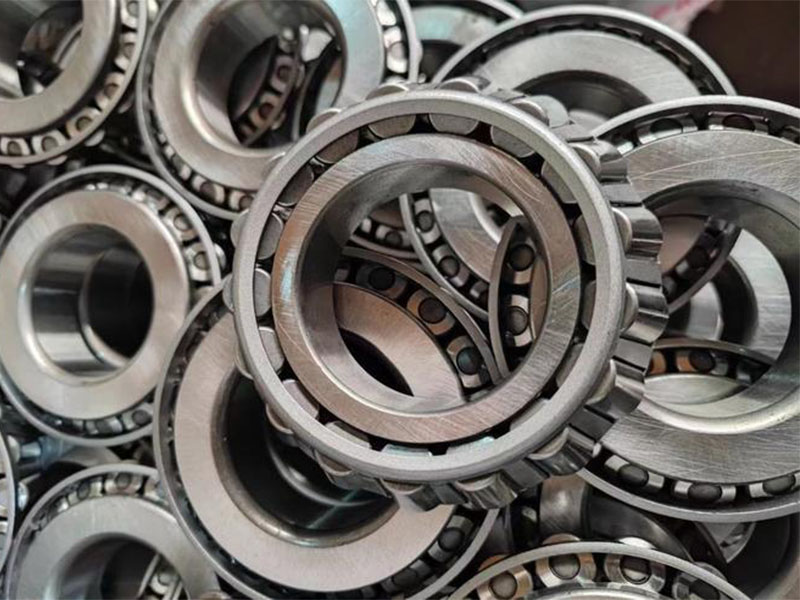
Before diving into lifespans, it’s helpful to understand the role these components play. Wheel bearings are a set of steel balls or tapers held by a metal ring (a race) that sit inside the wheel hub. Their primary job is to allow the wheel and tire to spin freely with as little friction as possible. They are critical for supporting the entire weight of your vehicle, ensuring a smooth ride, and maintaining proper alignment between the wheel and the axle.
The Lifespan of Wheel Bearings
While there is no universal expiration date, wheel bearings are designed to be long-lasting components. Under ideal conditions, they are engineered to last for the majority of a vehicle’s life.
- For Most Passenger Cars: Industry standards and manufacturing data suggest that a high-quality wheel bearing can last between 85,000 and 100,000 miles (approximately 136,000 to 160,000 kilometers). Many original equipment (OE) bearings even surpass this range, functioning well past the 100,000-mile mark.
- For Heavy-Duty Vehicles (HGVs): The scenario is different for heavy-duty trucks and commercial vehicles. Due to the significantly higher loads, constant stress, and demanding operating environments, wheel bearings in HGVs typically require more frequent inspection and replacement, often between 50,000 and 70,000 miles.
4 Key Factors That Affect Wheel Bearing Lifespan
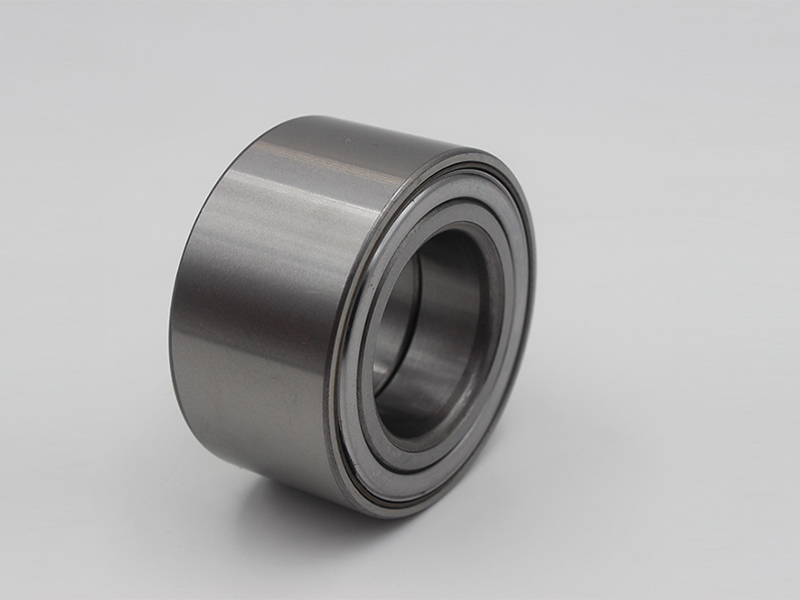
The lifespan of a wheel bearing isn’t just about mileage; it’s about the conditions it endures. Here are the primary factors that determine how long yours will last:
1. Driving Habits & Road Conditions
Aggressive driving, speeding over potholes, and frequently driving on rough, unpaved roads transmit significant shock loads through the tires and into the bearings. This impact can cause microscopic dents in the bearing races (a phenomenon known as brinelling), which leads to premature noise and failure.
2. Environmental Factors
Living in an area with heavy rain, snow, or road salt can take a toll on wheel bearings. While modern bearings are sealed units, extreme moisture and salt exposure can eventually compromise the seal. Once the seal fails, contaminants like dirt and water enter the bearing, washing away the lubricating grease and causing rapid wear.
3. Component Quality
This is a crucial factor. The quality of the steel, the precision of the manufacturing process, and the integrity of the seals vary greatly between manufacturers. While OE (Original Equipment) bearings are built to exact vehicle specifications, high-quality aftermarket bearings from reputable manufacturers can offer similar longevity and performance. Conversely, low-cost, non-certified bearings often fail much earlier due to inferior materials and loose tolerances.
4. Installation Quality
A bearing is only as good as its installation. Improper installation is a leading cause of premature failure. Using a hammer to force a bearing into place, rather than using a hydraulic press, can damage the internal components before the wheel even touches the road. Overtorquing or undertorquing the axle nut can also alter the bearing’s internal clearance, leading to excessive heat and failure.
Is It Safe to Drive with a Bad Wheel Bearing?
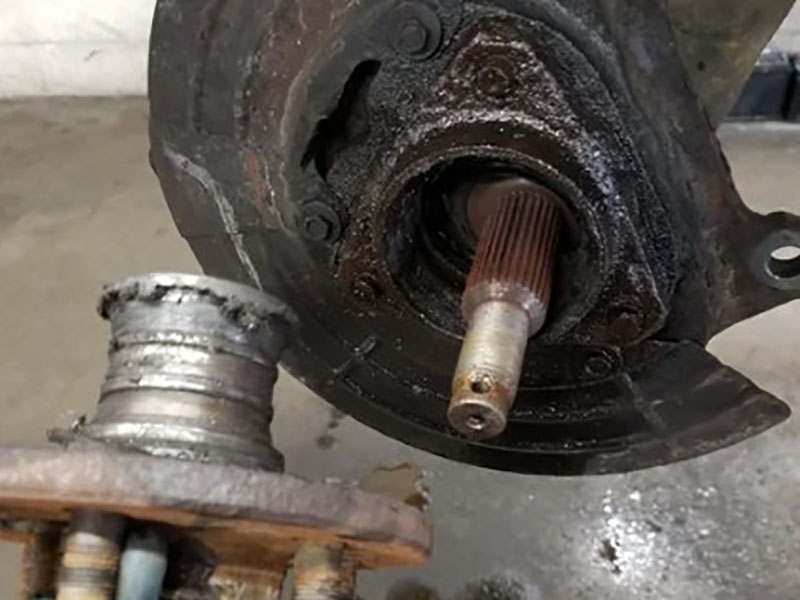
Absolutely not. Driving with a failing wheel bearing is extremely dangerous and should be avoided. The risks escalate quickly from a minor noise to a critical safety hazard.
- Direct Danger: The most immediate risk is wheel separation. If a bearing fails completely, the wheel can detach from the vehicle while in motion, leading to a total loss of control and a severe accident, potentially causing injury or death to the driver, passengers, and others on the road.
- Chain Reaction: Even if the wheel doesn’t fall off immediately, a bad bearing puts excessive stress on other components. It can damage the wheel hub, the anti-lock braking system (ABS) sensor, and the CV axle, turning a relatively simple repair into a much more complex and expensive one.
6 Common Signs of Wheel Bearing Failure
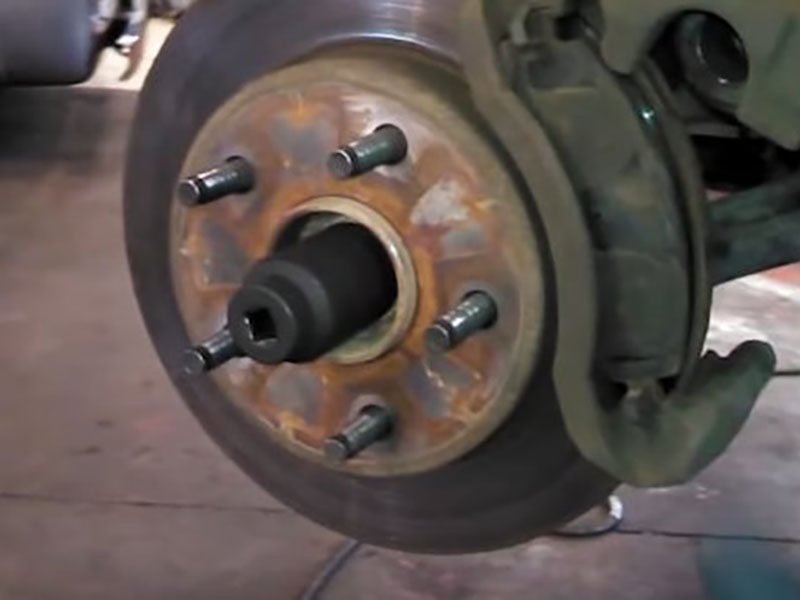
Recognizing the early warning signs is the key to a safe and cost-effective repair. If you notice any of the following, it’s time to have your wheel bearings inspected:
- Unusual Noises: This is the most common symptom. Listen for a whirring, grinding, or rumbling sound that increases in intensity as you accelerate. Often, the noise will change pitch or become louder when you turn the steering wheel slightly to the left or right, helping you identify which side is failing.
- Vibration in the Steering Wheel or Seat: A worn bearing can cause slack in the wheel assembly, resulting in vibrations that you can feel through the steering wheel (for front bearings) or the floor/seats (for rear bearings).
- Wheel Wobble or Loose Feeling: Excessive play in the wheel bearing can cause the wheel itself to feel loose. You may notice this as a shimmy in the steering or a general lack of stability.
- Uneven or Rapid Tire Wear: Because a bad bearing allows the wheel to wobble, it can cause uneven tire wear, which is often mistaken for an alignment issue.
- Pulling to One Side When Braking: While often associated with brake calipers, a failing wheel bearing can also cause the vehicle to pull to one side under braking due to the instability in the wheel assembly.
- ABS Malfunction Lights: Modern wheel bearings often have an integrated magnetic encoder ring for the ABS system. When a bearing fails, the sensor may not read correctly, triggering the ABS warning light on your dashboard.
Why Do Wheel Bearings Fail Prematurely?
If your wheel bearings are failing well before the expected 85,000-mile mark, it’s usually due to one of the following reasons:
- Poor Installation Practices: As mentioned earlier, using impact wrenches or hammers to install a bearing is a surefire way to shorten its life. A professional installation using a press and proper torque specs is essential.
- Impact Damage: A severe impact, such as hitting a deep pothole, a curb, or a large rock, can damage the bearing internally.
- Low-Quality Components: Choosing the cheapest available part often results in a short lifespan. These parts may have poor-quality steel, inadequate seals, or insufficient grease from the factory.
- Extreme Driving Conditions: Frequent driving on rough terrain or consistently carrying heavy loads beyond the vehicle’s capacity places constant stress on the bearings, accelerating wear.
- Vehicle Modifications: Installing larger, heavier wheels and tires (often called “plus-sizing”) increases the unsprung weight and leverage on the wheel bearings, which can lead to premature failure.
Frequently Asked Questions
1. What is the average mileage lifespan of a wheel bearing?
For most passenger vehicles, the typical service life of a wheel bearing is between 100,000 and 150,000 kilometers (approximately 62,000 – 93,000 miles). Some high-quality original equipment (OE) bearings may reach 200,000 km under ideal conditions, while severe driving environments (rough roads, frequent water exposure, heavy loads) can reduce lifespan to 80,000 km or less. This range is an industry benchmark, not a guaranteed replacement interval.
2. What is the typical warranty period for a wheel bearing?
Warranty terms vary by manufacturer and distribution channel. For original equipment (OE) bearings, the warranty typically matches the vehicle’s new car limited warranty (often 3 years/36,000 miles or 5 years/60,000 miles). Aftermarket wheel bearings generally carry a warranty of 12 to 24 months, with no mileage limit or a limit of 50,000 km (31,000 miles). Some premium aftermarket brands offer 3-year warranties. Always verify coverage details, as improper installation often voids the warranty.
3. How can I extend the life of my wheel bearings?
Wheel bearing lifespan can be maximized by following these practices:
- Avoid driving through deep water or mud, which can force contaminants past the seal.
- Replace damaged or worn wheel seals immediately.
- Do not overload the vehicle beyond its gross vehicle weight rating (GVWR).
- Have the wheel bearing play and axle nut torque checked during tire rotations or brake services.
- Use only bearings that meet or exceed OE specifications (including high-temperature grease and proper internal clearances).
4. What is the difference between sealed and serviceable wheel bearings?
Sealed wheel bearings (the vast majority on modern passenger cars and light trucks) are manufactured as a single, pre-lubricated unit with an integrated seal. They cannot be cleaned, repacked with grease, or adjusted. When a sealed bearing fails, the entire hub assembly must be replaced. Serviceable bearings (found on some older vehicles, heavy-duty trucks, or certain trailer axles) consist of separate bearing cones, cups, and a removable seal. These can be disassembled, cleaned, repacked with fresh grease, and have bearing preload adjusted. Serviceable designs are increasingly rare for on-road passenger vehicles.
5. Should wheel bearings always be replaced in pairs (left and right)?
No. Wheel bearings on opposite sides of the same axle operate independently and do not share a common failure mechanism. Replacing only the failed bearing is standard practice. However, if the opposite bearing has similar mileage (e.g., both front bearings on a front-wheel-drive vehicle) and the vehicle is older, it is advisable to inspect it closely for play, noise, or rough rotation. If no signs of wear are present, replacement is not required. Only replace in pairs when specified by the vehicle manufacturer (some heavy-duty or performance applications).
6. How does the replacement cost differ between front and rear wheel bearings?
Front wheel bearing replacement is typically 30–50% more expensive than rear wheel bearing replacement on front-wheel-drive vehicles. Reasons include:
- Front bearings carry greater engine, steering, and braking loads, requiring more robust (and costly) designs.
- Many front wheel bearings are integrated with the ABS tone ring and wheel speed sensor.
- Rear bearings on non-driven wheels are simpler, smaller, and often lower-cost components.Labor costs may also differ: pressed-in bearings (common on some rear axles) require specialized tools and more shop time compared to bolt-on hub assemblies. For rear-wheel-drive or all-wheel-drive vehicles, cost differences vary by design.
7. Is a wheel alignment necessary after wheel bearing replacement?
Generally, no. Replacing a bolt-on hub assembly or pressing in a new bearing does not alter the vehicle’s camber, caster, or toe angles, because the bearing mounts directly to the steering knuckle or axle housing without adjustable linkages. However, a wheel alignment is recommended if:
- The suspension was disassembled (e.g., lower ball joint or tie rod end removal was required for access).
- The vehicle showed uneven tire wear or pulling before the bearing replacement.
- The hub flange or knuckle was damaged, causing dimensional changes.
If none of these conditions apply, an alignment is unnecessary.
8. Why do some wheel bearings fail shortly after replacement?
Premature failure of a newly installed wheel bearing is usually caused by one of the following factors (listed from most to least common):
- Improper installation – Using a hammer instead of a hydraulic press to install the bearing damages rolling elements or races. Over-torquing or under-torquing the axle nut alters bearing preload.
- Contaminated or low-quality grease – Some low-cost aftermarket bearings use insufficient grease or grease with a low dropping point that liquefies under normal operating temperatures.
- Damaged hub or spindle – A bent spindle, corroded steering knuckle, or out-of-round hub flange will impose uneven radial loads on the new bearing, causing rapid wear.
- Seal damage during installation – A nicked or rolled seal allows water and grit to enter the bearing immediately.
Using OE-spec bearings and following manufacturer installation procedures (including torque specifications) eliminates most of these failure modes.
Conclusion
While the question “how often should wheel bearings be replaced?” doesn’t have a simple mileage answer, the key takeaway is vigilance. A well-manufactured wheel bearing, installed correctly under normal driving conditions, should reliably serve you for 85,000 to 100,000 miles or more. However, your driving habits, local environment, and the quality of the parts used play equally important roles in determining their lifespan.
The most effective strategy is to pay attention to the signs—listening for unusual noises and feeling for vibrations. Addressing these symptoms early not only ensures your safety on the road but also prevents more extensive and expensive damage to your vehicle’s suspension and drivetrain. If you suspect a problem, have your vehicle inspected by a qualified mechanic who can accurately diagnose the issue and recommend a replacement using high-quality components.